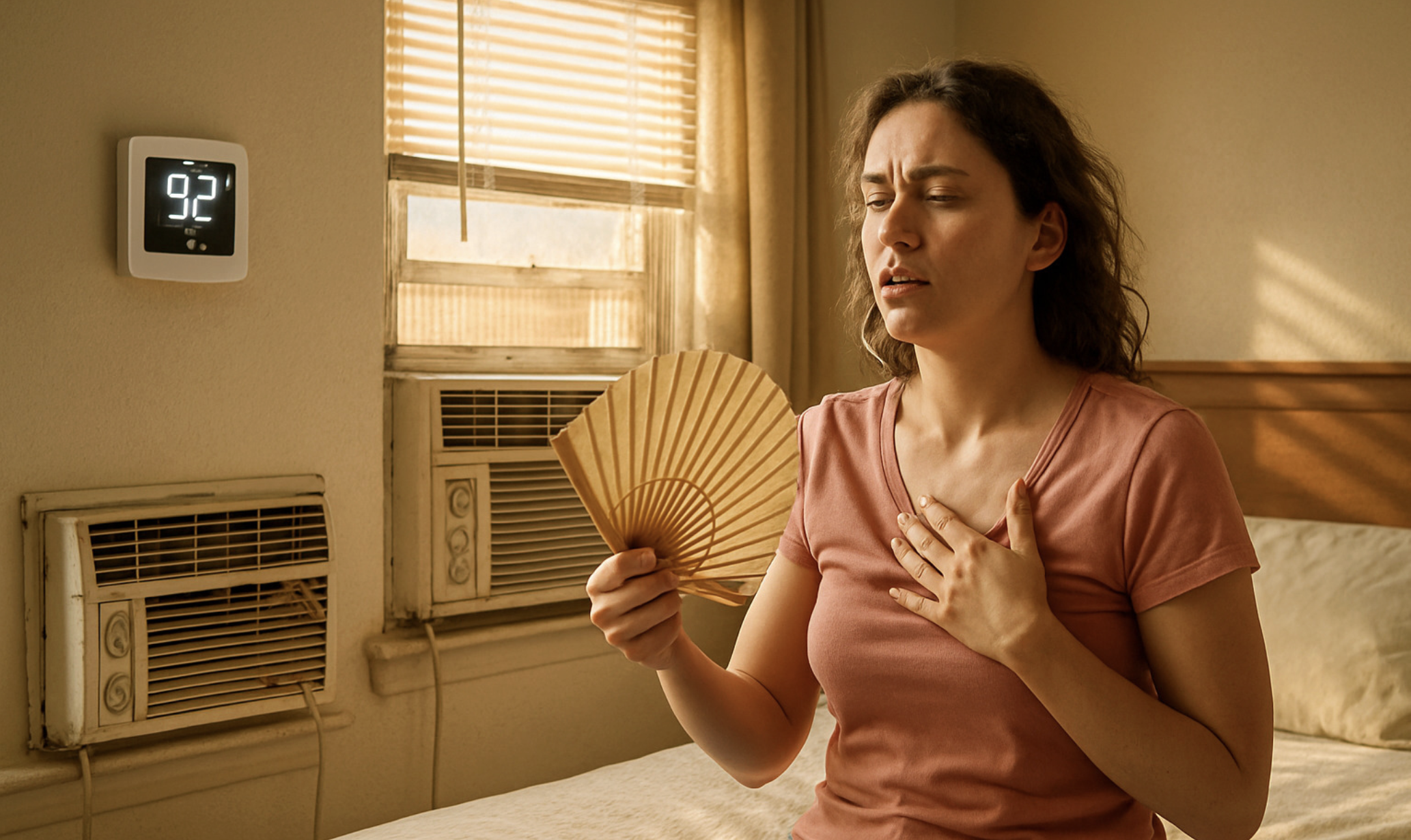
- What should Texas homeowners do to prepare for summer heat waves?
- How can you make your system run efficiently during a Texas summer?
- What should you check first on your air conditioning system before the next heat wave?
- Why should you check refrigerant levels before the hottest days?
- What can you do to keep indoor temperatures comfortable without overworking your air conditioner?
- Why is upgrading to a smart thermostat worth it for Texas weather?
- What steps prevent water damage and carbon monoxide risks in hot weather?
- What electrical components should be checked before summer heat waves?
- Frequently Asked Questions: Texas Home Comfort Checklist
What should Texas homeowners do to prepare for summer heat waves?
Before the next round of extreme Texas weather, prep your home so your HVAC system doesn’t get pushed to the edge when heat waves hit. The simplest, highest-impact steps are checking air filters, clearing the outdoor unit, and confirming your system can still deliver cooled air without struggling. These basics help protect indoor temperatures, support energy savings, and reduce the chance your system fails when it’s working hardest.
This checklist is based on what our technicians regularly see across Texas homes right before the first major heat wave: restricted airflow, dirty outdoor units, and small electrical or drainage issues that homeowners don’t notice until the house starts feeling warm.
How can you make your system run efficiently during a Texas summer?

To help your system run efficiently during a Texas summer, schedule a professional tune-up before peak heat. A technician can check refrigerant levels, inspect key electrical components, confirm safe operation, and flag early wear that can turn into a breakdown during Texas heat.
At home, your biggest wins are simple: replace air filters regularly, keep the outdoor unit clean, and make sure vents aren’t blocked so cooled air can move freely. When airflow is restricted, it can force your system to work harder, which raises your risk of warm spots, longer runtimes, and higher bills.
What should you check first on your air conditioning system before the next heat wave?
Start with airflow and outdoor equipment, because that’s where problems show up fastest during heat waves. If the air conditioning system is clean and breathing properly, it’s more likely to keep stable indoor temperatures.
Quick A/C checklist (homeowner-friendly):
✅ Replace or clean air filters (dirty filters reduce cooled air and can force your system to work harder)
✅ Check supply vents and returns for blockage so air can circulate properly
✅ Inspect the outdoor unit and remove leaves, grass clippings, or debris around it
✅ Listen for new noises and note any weak airflow or uneven cooling
✅ Confirm the thermostat works correctly and matches the temperature you set
Our technicians often find that a “my AC isn’t cooling” call is really an airflow issue plus a dirty outdoor unit—two things that get worse fast when the Texas heat ramps up.
Why should you check refrigerant levels before the hottest days?
Checking refrigerant levels matters because low refrigerant can reduce cooling capacity and lead to warm air—especially during peak afternoon heat. When refrigerant is low, the system may run longer to reach the set temperature, which can increase wear and make the problem escalate quickly during heat waves.
If you suspect low refrigerant, it’s time to call a professional. Refrigerant isn’t a “top it off” situation—technicians look for the cause (often a leak) and confirm the system is operating safely.
What can you do to keep indoor temperatures comfortable without overworking your air conditioner?
To keep indoor temperatures comfortable without overworking your air conditioner, reduce heat gain and improve circulation. This helps your home feel cooler even if you set the thermostat slightly higher—supporting energy savings.
Comfort steps that make a real difference:
- Use ceiling fans to move cooled air (fans help you feel cooler, even though they don’t lower the temperature)
- Close blinds/curtains during the hottest part of the day
- Seal obvious gaps around doors and windows so warm air stays out
- Avoid running heat-producing appliances during peak afternoon hours when possible
These are the same “low-effort, high-return” steps our technicians recommend when a system is working properly but the home still feels warm during a heat wave.
Why is upgrading to a smart thermostat worth it for Texas weather?
Upgrading to a smart thermostat is worth it in Texas weather because it helps you manage indoor temperatures more efficiently and protect comfort during long hot stretches. A smart thermostat can reduce wasted runtime by using schedules, learning patterns, and letting you adjust settings remotely—supporting energy savings without sacrificing comfort.
It also helps during a sudden cold snap (which Texas can definitely deliver) by letting you respond quickly if temperatures drop and your schedule changes.
What steps prevent water damage and carbon monoxide risks in hot weather?
Preventing water damage and carbon monoxide risks is part of whole-home comfort—not just HVAC performance. In hot weather, water issues often come from drainage problems, while carbon monoxide risks come from fuel-burning appliances that should be monitored year-round.
Safety checklist:
✅ Check the condensate drain line for clogs and confirm there are no drips near the indoor unit (helps prevent water damage)
✅ Look for water stains, damp drywall, or pooling water around the system
✅ Install a carbon monoxide detector if you have gas appliances and test it regularly
✅ Schedule periodic inspections so small issues are caught early
These items matter because the “secondary problems” (water damage and safety hazards) can be just as disruptive as losing cooling during Texas heat.
What electrical components should be checked before summer heat waves?
Before summer, have a professional inspect key electrical components like wiring connections, controls, and safety switches. Heat, long runtimes, and aging parts can expose weak electrical points—especially when the system runs efficiently most of the year and then suddenly has to perform nonstop.
This is one of the common things technicians catch early during pre-season visits: small electrical wear that doesn’t show up until the unit is under heavy load.
Frequently Asked Questions:

How often should I check or replace my air filters during Texas summer?
Check air filters monthly during the Texas summer. Replace them when they’re dirty so your system runs efficiently and your home maintains better comfort and indoor air quality.
What are the signs my outdoor unit needs attention?
If your outdoor unit is covered in debris, making unusual noises, or the system isn’t delivering steady cooled air, it’s time for cleaning or a professional inspection. Keeping the outdoor unit clear helps your system run efficiently.
Can ceiling fans really help during a heat wave?
Yes. Ceiling fans help circulate cooled air, so rooms feel cooler. That can allow you to set the thermostat a bit higher for energy savings.
Why is checking refrigerant levels important before a heat wave?
Low refrigerant levels can cause the system to blow warm air and force your system to work harder, raising energy bills and increasing the risk of a breakdown during peak Texas heat.
How can I prevent water damage from my A/C system?
Check the condensate drain line for clogs and make sure the area around your indoor unit is dry. Water leaks can cause major water damage if left unchecked.
Should I worry about carbon monoxide during the summer?
Yes—carbon monoxide risks can exist year-round if you have gas appliances. Install detectors and schedule inspections to stay safe, even during summer.
What electrical components should I have checked before summer?
Have a professional inspect HVAC wiring, connections, and controls—key electrical components that can fail under the stress of summer heat and heat waves.