
Professional Drain Cleaning
Clear the Blockage and Restore Reliable Drain Flow
Slow, clogged, or backing-up drains often develop as grease, hair, soap, waste, roots, and other debris collect inside the line. Malek evaluates the drainage problem, clears the obstruction, and explains whether the pipe shows signs of a larger issue.
Cause of the blockage evaluated
Drain flow checked after cleaning
Serving both Malek markets

Restore flow and determine whether buildup or pipe damage is causing the problem.
Common Reasons to Schedule
Professional Drain Cleaning
Clearing the Buildup Behind Slow and Clogged Drains
Drain problems can develop as grease, hair, soap, food waste, roots, and other debris collect inside the line. Malek evaluates the affected drain, clears the restriction, and checks whether the pipe shows signs of a larger problem.
Part of our Drain Services solutions.
Clear the Restriction First
Cleaning can restore flow when buildup or a blockage is the primary issue. Recurring problems may require a closer look at the condition of the drain line.
Kitchen Drain Cleaning
Remove grease, food residue, soap, and other buildup that can slow or block kitchen sinks and connected branch drains.
Bathroom Drain Cleaning
Clear hair, soap residue, personal-care products, and other material affecting sinks, tubs, showers, and bathroom drain lines.
Toilet and Fixture Drain Blockages
Address restrictions affecting toilets and nearby fixture drains when plunging or basic household methods have not restored normal drainage.
Laundry and Utility Drain Cleaning
Remove lint, detergent residue, dirt, and other material that can restrict washing-machine, utility-sink, or floor-drain lines.
Recurring Drain Clogs
Evaluate drains that repeatedly slow or back up after temporary clearing to determine whether buildup, roots, poor slope, or pipe damage may be contributing.
Multiple Slow or Backing-Up Drains
Investigate drainage problems affecting more than one fixture to determine whether the restriction is located in a shared branch or farther along the drainage system.
Signs to Watch For
Signs You May Need Professional Drain Cleaning
A drain restriction often begins gradually. Slower drainage, recurring odors, gurgling sounds, or water collecting around a fixture may be the first indication that buildup is reducing the opening inside the pipe.
One slow drain may be caused by a localized blockage. When multiple fixtures are affected or the problem returns after cleaning, the line may need further evaluation for roots, poor slope, or physical damage.
Water Drains More Slowly Than Usual
A sink, tub, shower, or floor drain that empties slowly may have buildup narrowing the pipe and restricting normal flow.
The Same Drain Keeps Clogging
A clog that repeatedly returns after plunging or temporary clearing may indicate that material remains farther inside the drain line.
Water Backs Up Into a Fixture
Standing water or wastewater rising into a sink, tub, shower, or floor drain is a strong sign that the line is not carrying flow away properly.
Gurgling or Bubbling Sounds
Gurgling may occur when trapped air is moving around a restriction as water attempts to pass through the drain line.
Persistent Drain Odors
Organic material, grease, soap residue, or trapped waste inside a drain can produce odors that continue even after the fixture is cleaned.
Multiple Fixtures Are Draining Poorly
Slow drainage or backups affecting several fixtures may indicate a restriction in a shared drain branch or a larger part of the drainage system.
Know What’s Happening in Your Home.
Not Sure Whether the Drain Needs Cleaning or Repair?
Malek can evaluate the symptoms, identify where the restriction is most likely occurring, and explain whether professional cleaning or a closer inspection of the pipe makes sense.
Why the Cause Matters
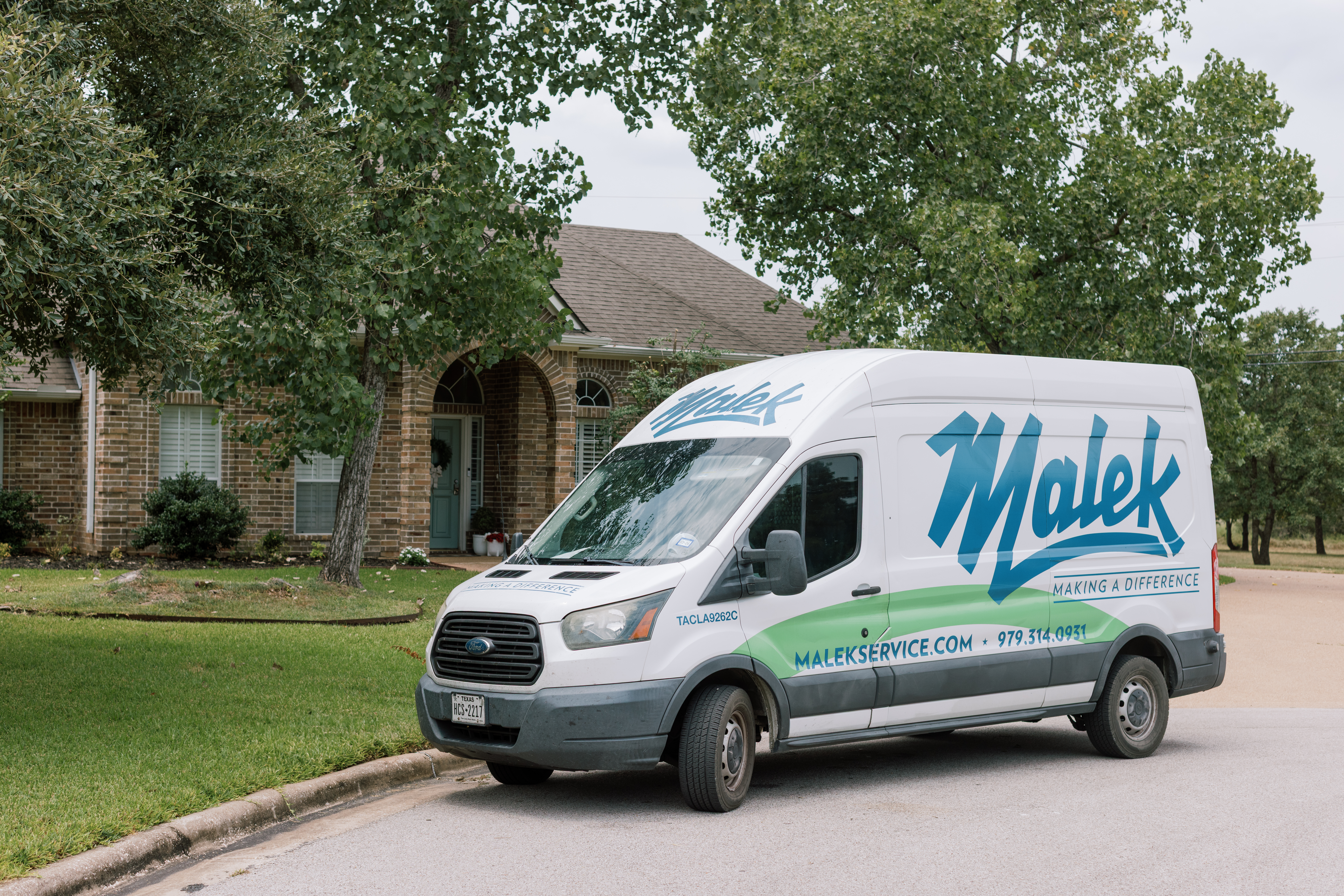
A Slow Drain Is Not Always Just a Simple Clog
Grease, hair, soap, food waste, roots, and other debris can restrict a drain line. But recurring backups may also point to poor slope, separated joints, corrosion, or another condition affecting the pipe itself.
Malek evaluates the drainage pattern before recommending cleaning, repair, or a closer inspection of the affected line.
Common Causes
What Can Cause a Drain to Clog
Drain clogs develop when material collects inside the pipe and reduces the space available for water and waste to move through the system. The type and location of the buildup help determine the appropriate cleaning approach.
Malek evaluates which fixtures are affected, how often the problem returns, and whether the drainage pattern suggests a localized clog or a larger issue farther down the line.
Grease, Oil, and Food Residue
Cooking grease, oils, sauces, food particles, and residue can cling to the inside of kitchen drain lines. Over time, the opening becomes narrower and catches additional material.
Hair, Soap, and Personal-Care Products
Hair can combine with soap residue, shaving products, lotions, and other materials to create a dense restriction inside sinks, tubs, and shower drains.
Excess Paper or Non-Flushable Items
Large amounts of toilet paper, wipes, hygiene products, paper towels, and other items can become lodged in the fixture trap or farther inside the connected drain line.
Lint, Detergent, and Dirt Buildup
Washing machines, utility sinks, and floor drains can collect lint, detergent residue, soil, pet hair, and other debris that gradually restricts drainage.
Root Growth Inside the Drain Line
Roots can enter through small openings or failed joints in buried drain and sewer lines. Once inside, they may catch waste and create a recurring restriction.
Rough, Sagging, or Damaged Drain Piping
Corrosion, poor slope, low sections, separated joints, or damaged pipe surfaces can catch material and contribute to repeated clogs even after the immediate blockage is cleared.
What to Expect
What Happens During Professional Drain Cleaning
The goal is not simply to push a blockage farther down the line. Malek evaluates the affected fixtures, identifies where the restriction is most likely located, clears the buildup, and checks whether the drain is flowing properly afterward.
Start With the Drainage Pattern
Review the Symptoms
Your technician will ask which fixtures are affected, when the problem began, whether the clog has returned before, and if you have noticed backups, odors, or gurgling sounds.
Identify the Likely Location
Evaluate the Affected Fixtures
The technician will check how the fixture drains, whether nearby fixtures are involved, and whether the symptoms suggest a local clog, shared branch restriction, or larger drainage problem.
Clear the Restriction
Clean the Drain Line
The appropriate professional equipment is used to break through, retrieve, or remove the material restricting the line while protecting the surrounding fixture and plumbing.
Confirm the Improvement
Test the Drain Flow
Water is run through the affected fixture to verify that drainage has improved and to check for lingering signs of a restriction farther inside the system.
Understand What Comes Next
Explain the Findings and Recommendations
Malek will explain what likely caused the clog, whether the line appears to be draining normally, and whether recurring symptoms justify additional inspection or drain repair.
Restore Reliable Drain Flow
Tired of Dealing With the Same Slow or Clogged Drain?
Malek’s licensed plumbers evaluate the affected fixtures, clear the restriction, test the drain flow, and explain whether buildup or a larger pipe condition may be contributing to the problem.
Serving Bryan–College Station and Northwest Houston
Why Choose Malek
Drain Cleaning You Can Feel Confident About
A clogged drain needs more than a temporary push through the line. Malek’s licensed plumbers evaluate the drainage pattern, clear the restriction, test the flow, and explain whether buildup or a larger pipe condition may be contributing to the problem.
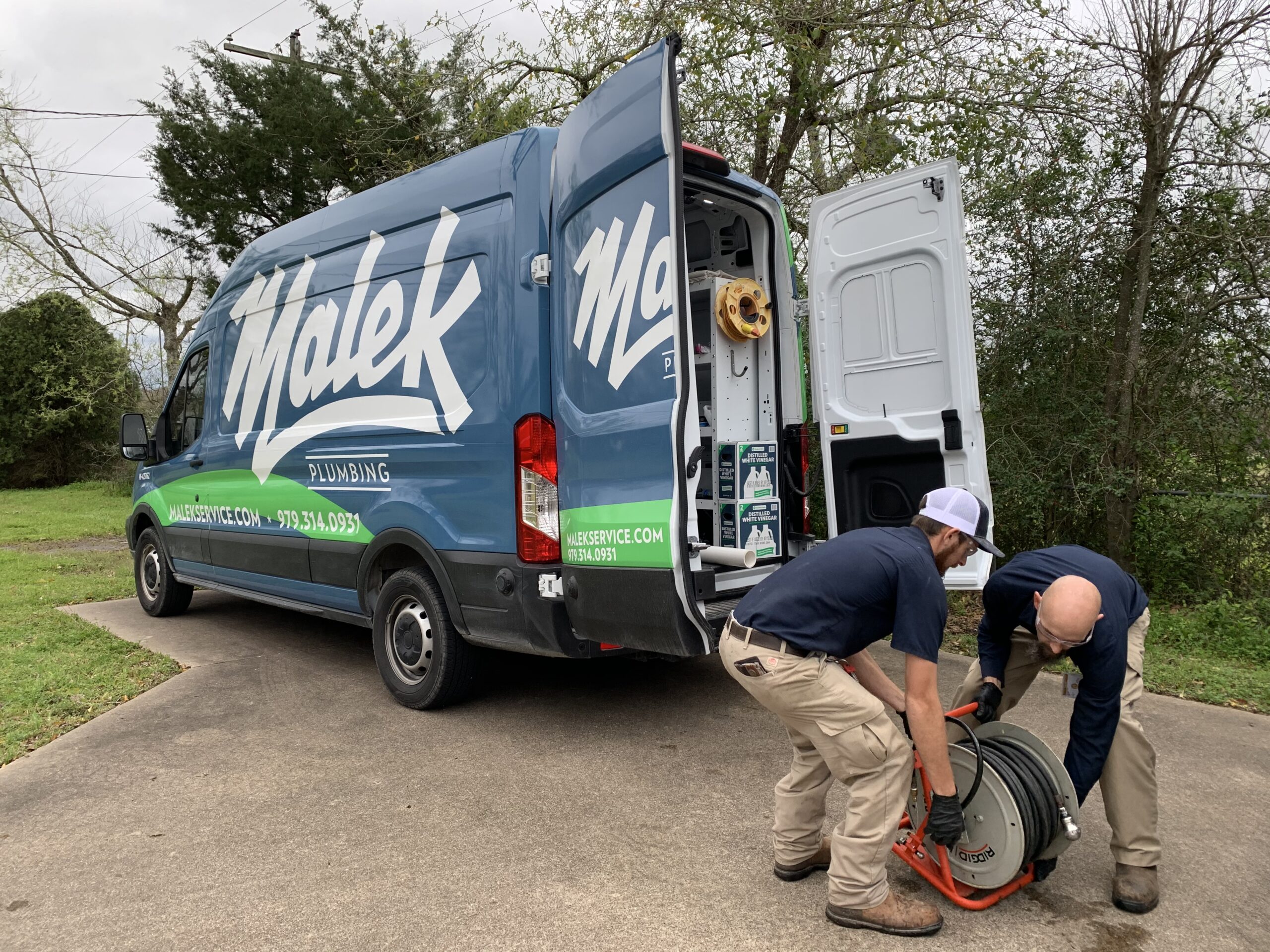
The Drainage Pattern Comes First
We begin by identifying which fixtures are affected, how the water is draining, and whether the symptoms suggest a local clog, shared branch restriction, or larger drainage problem.
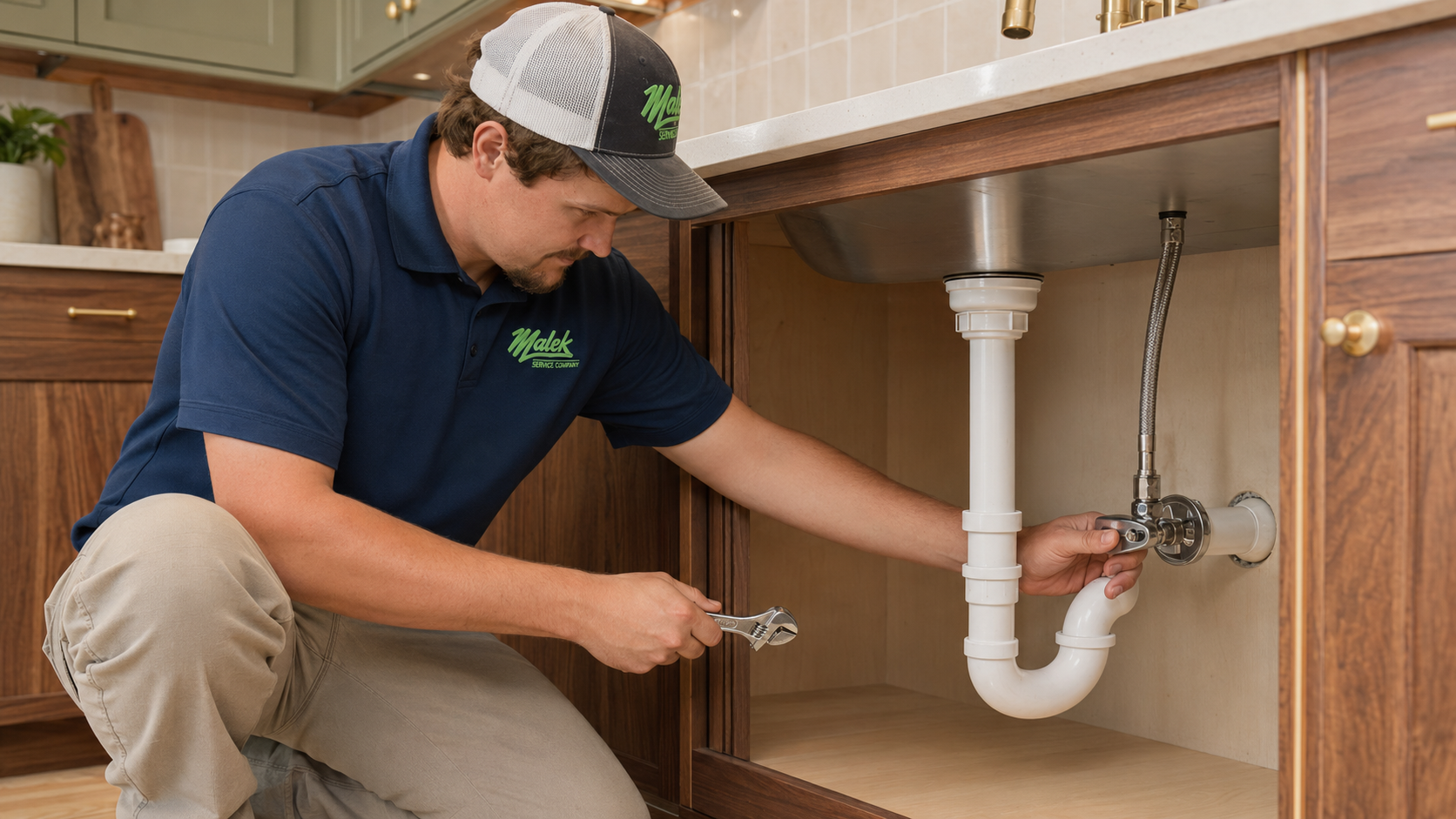
The Right Cleaning Approach
We use professional equipment suited to the affected fixture and likely location of the restriction rather than relying on a one-size-fits-all clearing method.
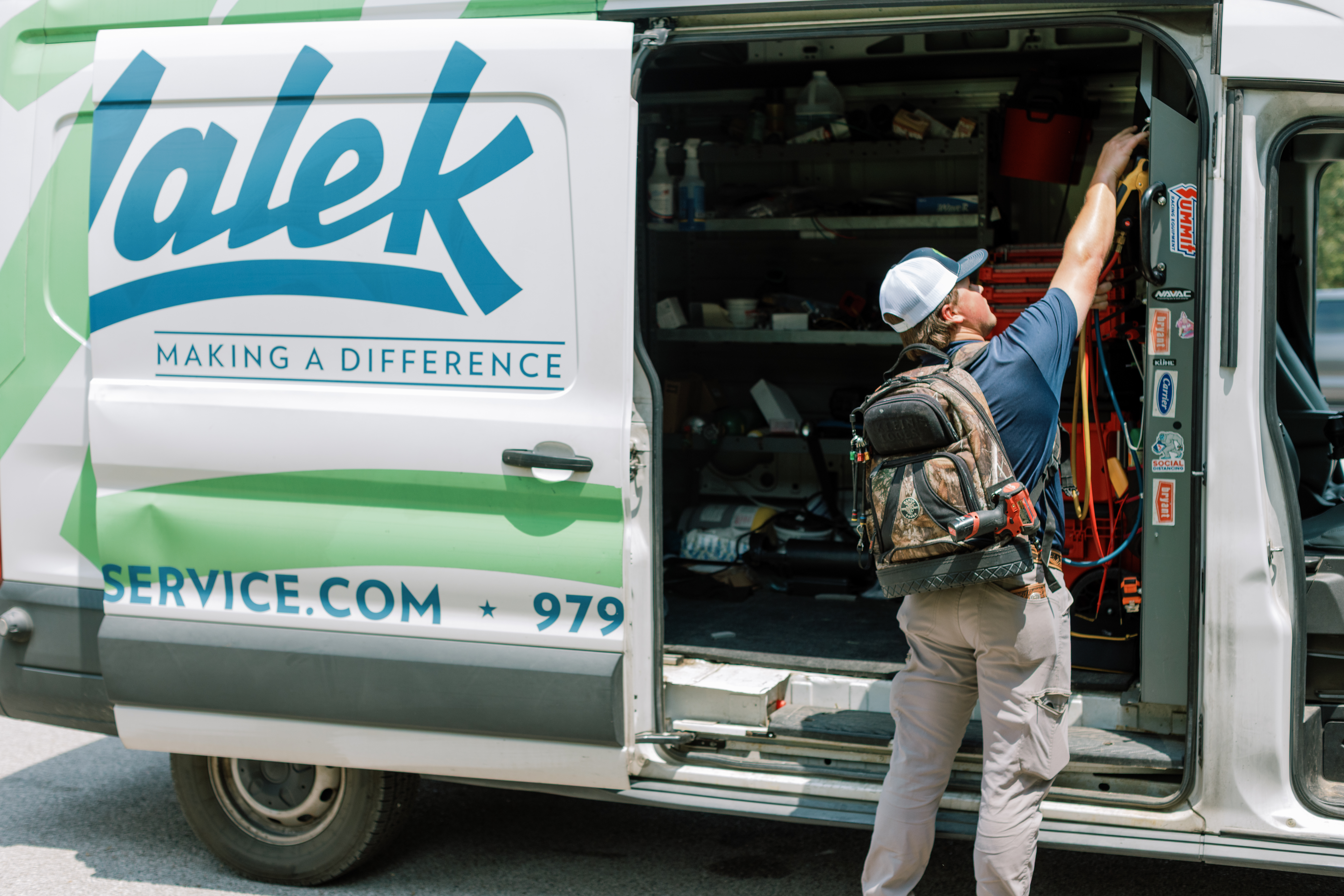
Clear Answers After the Cleaning
We explain what likely caused the restriction, whether normal flow was restored, and whether recurring symptoms may justify camera inspection, drain repair, or another next step.
Not Sure Why the Drain Keeps Slowing Down?
Tell us which fixtures are affected and what you have noticed. Malek can evaluate the drainage pattern, clear the restriction, and explain whether the problem appears limited to buildup or may involve the condition of the pipe.
After Drain Cleaning
The Right Next Step Depends on How the Drain Responds
Professional cleaning may fully resolve a drain problem caused by ordinary buildup or a localized blockage. When drainage remains slow or the clog continues returning, the condition of the pipe may need closer evaluation.
A recurring clog does not automatically mean the drain line needs replacement. The location, frequency, pipe condition, and cause of the restriction all matter.
Continue Learning
Understand the Drain Problem Before Choosing the Next Step
Learn how cleaning differs from repair, what affects the cost of professional drain service, and what multiple slow drains may reveal about the plumbing system.
Drain Cleaning or Drain Repair?
Compare the signs of ordinary buildup with warning signs that may point to roots, corrosion, poor slope, damaged joints, or another condition affecting the pipe itself.
Read the Decision Guide →What Does Professional Drain Cleaning Cost?
Understand how the affected fixture, blockage location, severity, accessibility, required equipment, and condition of the drain line may affect the service.
Slow Drains Throughout the House: What’s the Cause?
Learn why several slow fixtures may indicate a shared drain restriction, venting issue, main sewer-line problem, or another condition beyond a single clogged fixture.
Want to Keep Learning?
Explore More Homeowner Resources
Visit the Malek Learning Center for more decision guides, investment guides, and practical articles designed to help you understand what is happening in your home before deciding what comes next.
Continue Learning →Drain Cleaning FAQs
Questions Homeowners Often Ask Before Scheduling
Drain problems can range from a simple localized clog to a restriction farther inside the plumbing system. These answers explain what to watch for, what professional cleaning involves, and when another service may be needed.
Common signs include slow drainage, standing water, recurring clogs, gurgling sounds, persistent drain odors, or water backing up into a fixture. When several fixtures are affected, the restriction may be located in a shared branch or main drain line.
Chemical products may provide temporary improvement in some situations, but they do not identify the cause or condition of the pipe. Repeated use may also be hard on certain plumbing materials and may not resolve dense buildup, roots, or physical pipe damage.
The technician reviews which fixtures are affected, evaluates the drainage pattern, and identifies where the restriction is most likely located. Professional equipment is then used to clear the blockage, followed by flow testing and an explanation of what likely caused the problem.
Recurring clogs may mean that buildup remains farther inside the line or that the pipe has another contributing condition. Roots, corrosion, poor slope, sagging sections, rough pipe surfaces, or separated joints can repeatedly catch material.
Multiple slow drains may indicate that the restriction is not limited to one fixture. The problem may be located in a shared drain branch, farther downstream, or within the main sewer line. The drainage pattern helps determine where to investigate.
Professional drain cleaning should be matched to the fixture, likely blockage location, and condition of the plumbing. If the pipe appears fragile, damaged, severely corroded, or otherwise unsuitable for a routine cleaning method, the technician should explain that before moving forward.
If the drain remains slow or the clog returns, further evaluation may be appropriate. The next step could involve a camera inspection, drain repair, sewer-line repair, or another service depending on where the problem is located and what is affecting the pipe.
Yes. Malek provides professional drain cleaning for homeowners in Bryan–College Station and Northwest Houston. Appointment availability may vary by location and scheduling demand.
Customer Stories
Service People Remember.
Homeowners across Bryan–College Station and Northwest Houston trust Malek for clear explanations, careful diagnostics, and professionals who treat their homes with respect.
Posted on GoogleTrustindex verifies that the original source of the review is Google. He did a great job getting my heat back up running and explaining to me what I need to do with the new thermostat . No charge cause I have the maintenance agreement.Posted on GoogleTrustindex verifies that the original source of the review is Google. Excellent service from Malek. Michael has been out before to both home and business and has always been very professional and helpful. Would definitely recommend in B/CS.Posted on GoogleTrustindex verifies that the original source of the review is Google. Daniel was great - willing to explain the situation and the options for fixing. Extremely kind and patient with us! Was able to come out same day and get the issue solved quickly. Highly revPosted on GoogleTrustindex verifies that the original source of the review is Google. GreatPosted on GoogleTrustindex verifies that the original source of the review is Google. Quick and professional. Didn’t leave a mess. Heating went out during cold snap. Came out the next day and fixed the problem quickly. Very satisfied.Posted on GoogleTrustindex verifies that the original source of the review is Google. Marshall did a thorough job on maintenance inspection, explaining the findings, and providing the mitigating options.
Protect Your Home. Understand What It Needs.
Stay ahead of unexpected HVAC, plumbing, and electrical problems with routine system checks, priority service, repair savings, and guidance from professionals who explain before they recommend.
Explore the Total Protection Plan →Know What’s Happening in Your Home
Get Clear Answers About a Slow or Clogged Drain
Malek can evaluate the drainage pattern, clear the restriction, test the flow, and explain whether buildup or a larger pipe condition may be contributing to the problem.