- What is the true cost of ignoring home maintenance in Texas?
- Why do small problems turn into expensive repairs so quickly in Texas?
- How can skipping preventive maintenance lead to major repairs?
- What hidden costs show up when you delay routine maintenance?
- How do small leaks turn into water damage and structural damage?
- What happens when you postpone HVAC system and air conditioning maintenance?
- Why do emergency repair calls cost more than regular maintenance?
- How much can replacement costs and major repairs add up to?
- Do roof repairs belong in a home maintenance conversation?
- What simple home maintenance steps can homeowners do safely?
- When should you schedule regular maintenance in Texas?
- What should you do next if you want to avoid expensive repairs?
- FAQs
What is the true cost of ignoring home maintenance in Texas?

The true cost of ignoring home maintenance in Texas is usually much higher than homeowners expect because small issues grow into major repairs, higher utility bills, and sudden system failures that require emergency repair. What starts as minor wear or small leaks can turn into water damage, structural damage, and replacement costs that add up to thousands of dollars—especially during extreme Texas heat.
This is what our technicians regularly see on service calls: the home didn’t “suddenly” need a big repair. It needed routine maintenance months earlier, when the fix was simpler and less expensive.
Why do small problems turn into expensive repairs so quickly in Texas?
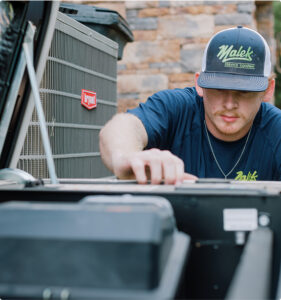
Small problems become expensive repairs quickly in Texas because systems run under heavier seasonal stress—especially air conditioning during long summers. When your HVAC system has to run harder for longer, minor airflow issues, drainage issues, and worn parts can escalate faster than they would in milder climates.
We often diagnose the same pattern: a homeowner waits because the system is “still running,” but by the time comfort drops or a leak becomes visible, the problem has already progressed.
How can skipping preventive maintenance lead to major repairs?
Skipping preventive maintenance increases the risk that normal wear goes unnoticed until it causes a breakdown, damage, or performance loss. Maintenance is what catches early warning signs—before they trigger major repairs or the need for emergency repair.
Common examples we see:
- A clogged HVAC drain line that leads to water damage
- Dirty components that drive up utility bills
- Small mechanical wear that becomes a system failure during peak heat
- Minor plumbing issues that turn into larger home repairs
What hidden costs show up when you delay routine maintenance?
The biggest hidden costs of delayed routine maintenance include higher monthly bills, damage that spreads beyond the original problem, and shortened equipment life. Even if you avoid a total breakdown, the home can quietly lose efficiency and reliability.
Hidden costs homeowners often miss:
- Rising utility bills from inefficient HVAC performance
- Gradual indoor comfort issues that lead to repeated service calls
- Moisture problems that can damage materials over time
- Accelerated wear that increases replacement costs
How do small leaks turn into water damage and structural damage?
Small leaks can cause water damage because water travels, soaks into drywall or flooring, and creates problems you don’t see right away. If the leak continues, it can contribute to structural damage, mold risk, and larger restoration costs.
Safe homeowner checks:
- Look under sinks and around toilets for dampness or staining
- Check around the water heater area for moisture
- Watch for bubbling paint, soft spots, or musty odors
- If you see active leaking, pause and call a licensed professional
What happens when you postpone HVAC system and air conditioning maintenance?
Postponing HVAC system and air conditioning maintenance often leads to reduced performance, higher bills, and breakdowns at the worst time—when demand is highest. During Texas heat, even a small efficiency loss can be noticeable, and stress on the system can push worn components past their limit.
Common outcomes we diagnose:
- Longer run times and rising utility bills
- Weak airflow and uneven cooling
- Drainage issues that may cause water damage
- Breakdowns that require emergency repair
Important: If you notice burning smells, electrical concerns, or refrigerant-related symptoms, pause and call a licensed professional.
Why do emergency repair calls cost more than regular maintenance?
An emergency repair typically costs more than regular maintenance because it happens after hours, under urgent conditions, and often after the issue has caused secondary damage. It can also mean parts availability is limited and the system has already experienced additional wear.
The goal of routine maintenance is to reduce the chance you need an emergency visit during peak season.
How much can replacement costs and major repairs add up to?
Depending on the issue, replacement costs and major repairs can reach thousands of dollars, especially when there’s collateral damage. For example, an HVAC breakdown during peak heat can lead to urgent repairs, and plumbing leaks can lead to drywall and flooring home repairs as well.
Delaying service also increases the chance you’ll pay for multiple fixes at once instead of one small repair early.
Do roof repairs belong in a home maintenance conversation?
Yes—roof repairs are part of whole-home prevention because the roof is a primary barrier against water intrusion. While Malek Service focuses on HVAC, plumbing, and electrical, we still encourage homeowners to include the roof in seasonal checks because roof-related leaks can cause water damage and contribute to expensive interior home repairs.
If you suspect roof issues, consult a qualified roofing professional.
What simple home maintenance steps can homeowners do safely?
A few basic steps can reduce risk and help you save money, especially before seasonal extremes.
Safe homeowner checklist:
- Replace HVAC air filters on schedule to support airflow
- Keep the outdoor HVAC unit clear of debris
- Watch for small leaks and moisture around sinks and the water heater
- Test GFCI outlets and replace dead batteries in smoke/CO detectors
- Track changes in comfort and utility bills over time
For anything involving wiring, refrigerant, gas appliances, or persistent leaks, pause and call a licensed professional.
When should you schedule regular maintenance in Texas?
The best time to schedule regular maintenance is before peak summer heat and before winter cold fronts, so systems are prepared for the highest demand. If you’re in College Station or anywhere in Texas, scheduling early also helps you avoid the seasonal rush when everyone calls at once.
This is the simplest way to protect comfort, reduce risk, and avoid costly surprises.
What should you do next if you want to avoid expensive repairs?
If you want to avoid expensive repairs, start with a proactive plan: schedule an inspection, stay consistent with filter changes, and address small issues early. When you catch problems early, you typically save money and reduce the risk of emergency breakdowns.
If you’re noticing symptoms (rising bills, weak cooling, leaks, odors, or repeated breaker trips), call and describe what you’re seeing so we can recommend the right next step.
Frequently Asked Questions

Can routine maintenance really save money in Texas?
Yes. Routine maintenance helps catch small issues early, keeps systems running efficiently, and reduces the likelihood of major repairs and emergency repair, which can help you save money over time.
What are the most common hidden costs of skipping home maintenance?
The most common hidden costs include rising utility bills, shortened equipment life, secondary damage like water damage, and higher replacement costs.
How do I know if a small leak is a serious problem?
A small leak is serious if it continues, causes staining, creates odors, or results in damp materials. If you see active leaking or signs of water spreading, pause and call a licensed professional.
Why does my air conditioning seem fine until it suddenly isn’t?
In Texas heat, an air conditioning system can appear “fine” while it slowly loses efficiency. By the time comfort drops, the system may already be under heavy strain or close to failure.
When is the best time to schedule regular maintenance?
Schedule regular maintenance before peak summer and before winter cold snaps. Early scheduling helps ensure your system is ready before the busiest seasons.