Professional Electrical Troubleshooting
Find the Source of an Electrical Problem
Breaker trips, flickering lights, dead outlets, unusual sounds, warm devices, and intermittent power can come from several different electrical conditions. Malek evaluates the affected circuit, components, accessible wiring, and connected equipment before explaining what is causing the problem and what should happen next.
Careful circuit evaluation
Clear diagnostic findings
Repair recommendations explained
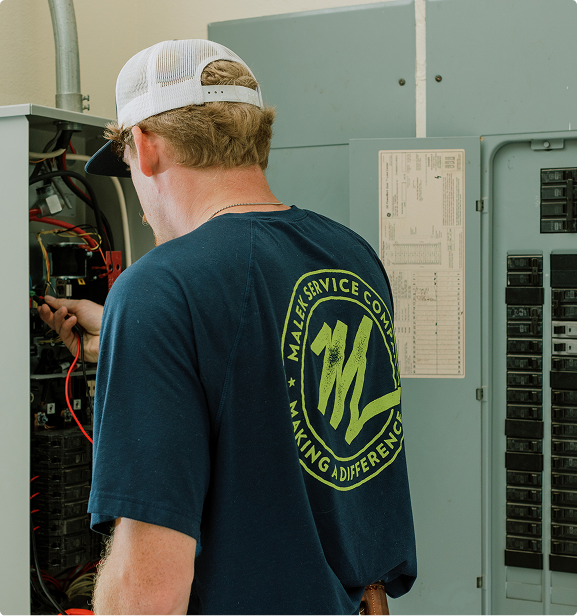
Know whether the problem involves a device, connection, circuit, breaker, wiring section, panel, or connected equipment before repair work begins.
Common Reasons to Schedule Electrical Troubleshooting
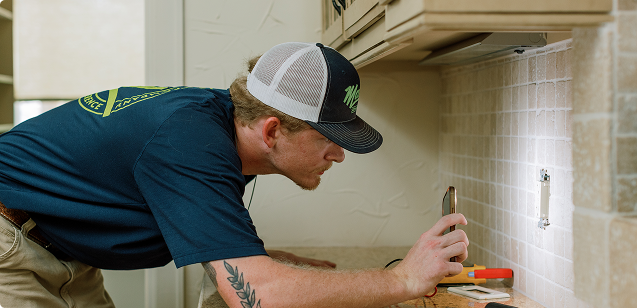
Professional Electrical Troubleshooting
Electrical Diagnosis Built Around the Symptoms You’re Seeing
Breaker trips, flickering lights, dead outlets, unusual sounds, warm devices, and intermittent power can come from different parts of the electrical system. The right solution starts with tracing the symptom to the affected circuit, component, connection, or connected equipment.
Part of our Electrical Repair Services solutions.
Start With the Affected Circuit
We review what is happening, when it occurs, which devices or areas are affected, recent electrical changes, breaker activity, accessible wiring, connections, and connected equipment before recommending repair.
Breaker Trip Troubleshooting
Evaluate recurring breaker trips to determine whether the circuit may be overloaded or affected by damaged equipment, a short circuit, ground fault, loose connection, wiring problem, or worn breaker.
Flickering and Dimming Light Diagnosis
Review fixtures, bulbs, switches, dimmers, circuit connections, electrical demand, equipment startup, voltage behavior, and panel-level conditions that may contribute to lighting changes.
Dead Outlet and Switch Troubleshooting
Trace outlets, switches, GFCI devices, breakers, connections, and upstream components when a device stops working or only operates intermittently.
Intermittent Power Diagnosis
Investigate lights, outlets, appliances, or sections of the home that lose and regain power to identify loose connections, failing devices, damaged wiring, circuit problems, panel concerns, or utility-related conditions.
Buzzing, Crackling, and Heat Evaluation
Evaluate unusual sounds, warm devices, discoloration, or heat near outlets, switches, fixtures, breakers, and panels for loose connections, overloaded components, damage, or electrical arcing.
Connected Equipment and Circuit Testing
Review appliances, HVAC equipment, lighting, electronics, and other connected devices when the electrical symptom may be caused by equipment demand, internal failure, an incompatible device, or the circuit supplying it.
Why Diagnosis Comes First
The Visible Symptom May Not Be Where the Electrical Problem Began
A tripping breaker, flickering light, dead outlet, warm device, unusual sound, or intermittent loss of power can involve several parts of the electrical system. The visible symptom may be caused by a device, connection, circuit, breaker, wiring section, panel condition, or connected equipment elsewhere in the system.
Malek reviews the symptoms, affected areas, breaker activity, accessible devices, wiring connections, circuit conditions, and connected equipment before explaining what testing identified and which repair or additional service makes practical sense.
Why Electrical Problems Happen
Common Causes of Electrical Problems
Similar electrical symptoms can develop from overloaded circuits, failed devices, loose connections, damaged wiring, worn breakers, equipment problems, or voltage changes.
Malek evaluates the affected circuit, breakers, outlets, switches, fixtures, protective devices, accessible wiring, connections, and connected equipment before recommending repair.
Overloaded Circuits
A circuit may trip, dim, or behave inconsistently when more equipment is operating than the circuit was designed to support. Added appliances, portable heaters, kitchen equipment, and other high-demand devices can contribute to repeated overloads.
Loose or Deteriorated Electrical Connections
Loose terminals, worn splices, damaged junctions, or deteriorated connections may cause flickering, intermittent power, heat, buzzing, voltage changes, or complete loss of power to part of a circuit.
Failed Outlets, Switches, Fixtures, or GFCI Devices
An outlet, switch, dimmer, fixture, or protective device may wear out, become damaged, or fail internally. The visible device may be the source, or it may affect other devices located farther along the same circuit.
Damaged, Aging, or Improperly Installed Wiring
Physical damage, overheating, pests, moisture, aging insulation, improper modifications, or installation problems can affect circuit performance and create symptoms that appear in several locations.
Worn Breakers or Panel-Level Conditions
Breakers may weaken or fail after repeated operation, age, heat, or damage. Loose panel connections, corrosion, installation concerns, or capacity limitations may also affect one or more circuits.
Connected Equipment or Utility Voltage Changes
Appliances, HVAC equipment, motors, electronics, and other devices may create electrical symptoms when they start, fail internally, or draw abnormal current. Utility voltage changes can sometimes produce similar symptoms throughout the home.
What to Expect
What Happens During Electrical Troubleshooting
Professional troubleshooting should begin with understanding the symptoms rather than replacing parts based on assumptions. Malek evaluates the affected circuit and related components, explains what testing identifies, and recommends the practical next step before repair work moves forward.
Start With the Symptoms
Review What Has Been Happening
Your electrician asks when the problem began, which rooms or devices are affected, whether breakers trip, whether symptoms are constant or intermittent, and whether recent electrical or equipment changes may be related.
Evaluate the Affected Area
Review the Circuit and Related Components
Accessible breakers, outlets, switches, fixtures, GFCI devices, wiring connections, junction points, and connected equipment are reviewed based on the symptoms and circuit involved.
Test the Likely Failure Points
Narrow the Source of the Electrical Problem
Testing may be used to evaluate voltage, continuity, load, grounding, device operation, breaker behavior, wiring condition, and connected equipment so the likely cause can be identified without unnecessary replacement.
Review the Findings
Explain What Was Identified and What It Means
Malek explains whether the concern involves a failed device, loose connection, damaged wiring, overloaded circuit, worn breaker, connected equipment, panel-level condition, or another source.
Recommend the Next Step
Review the Repair or Additional Service Options
You receive a clear explanation of the recommended repair, expected scope, applicable pricing, and whether any related electrical condition should be monitored or evaluated further.
Get Clear Answers About the Electrical Problem
Dealing With Breaker Trips, Flickering Lights, or Intermittent Power?
Malek’s licensed electricians evaluate the affected circuit, breakers, outlets, switches, fixtures, accessible wiring, and connected equipment before explaining what is causing the problem and which repair or additional service makes practical sense.
Serving Bryan–College Station and Northwest Houston
Why Choose Malek
Electrical Troubleshooting You Can Feel Confident About
Dependable troubleshooting starts with understanding the symptom and tracing it to the affected part of the electrical system. Malek’s licensed electricians evaluate the circuit, devices, breakers, accessible wiring, connections, and connected equipment before explaining what was identified and what should happen next.
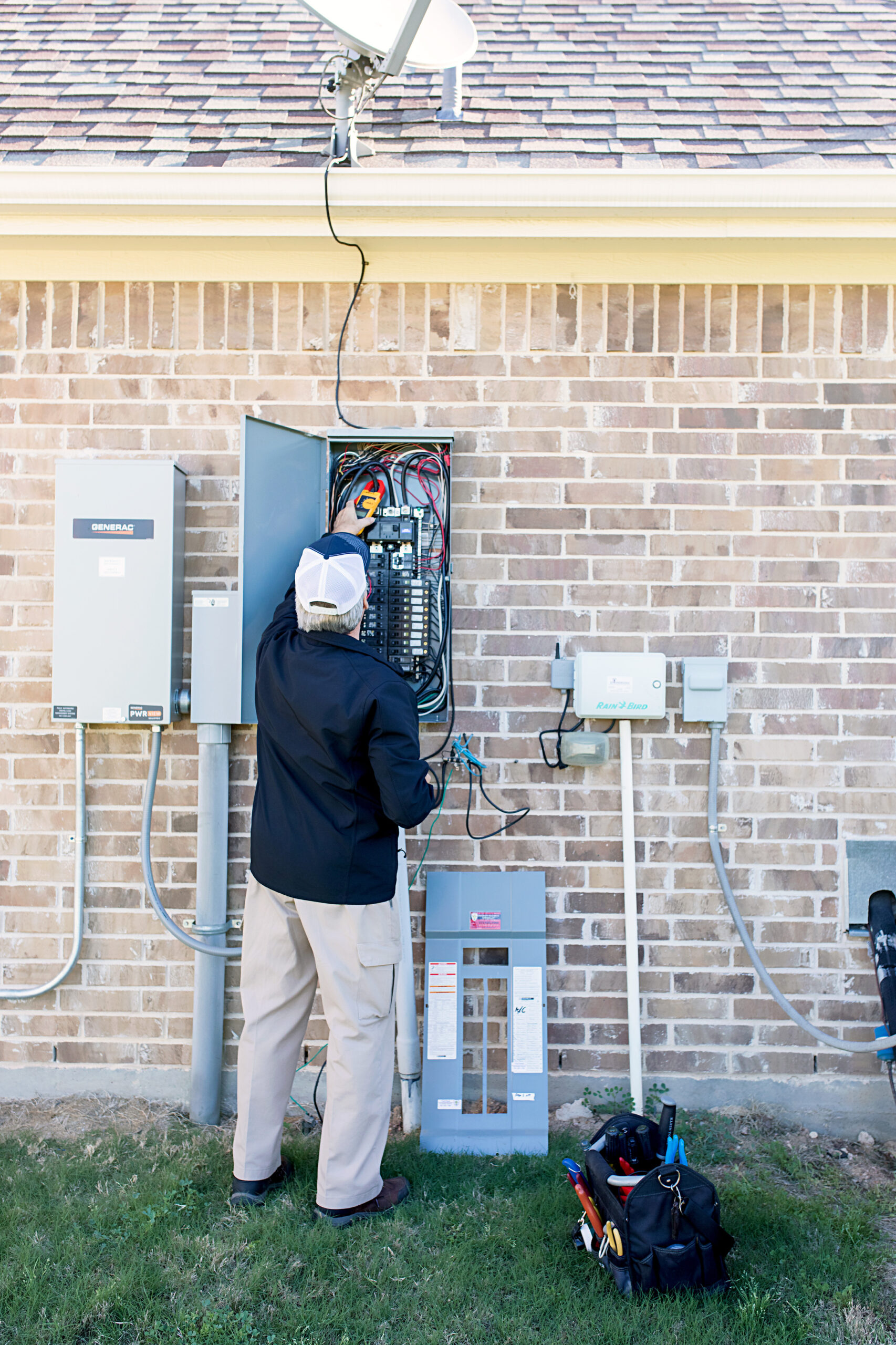
A Thorough Electrical Evaluation
We review the symptoms, affected areas, breaker activity, outlets, switches, fixtures, protective devices, accessible wiring, connections, and connected equipment before recommending repair.

Findings Explained Before Repair
We explain what testing identified, which circuit or component is affected, what the proposed repair is intended to correct, and whether additional evaluation or access may be needed.
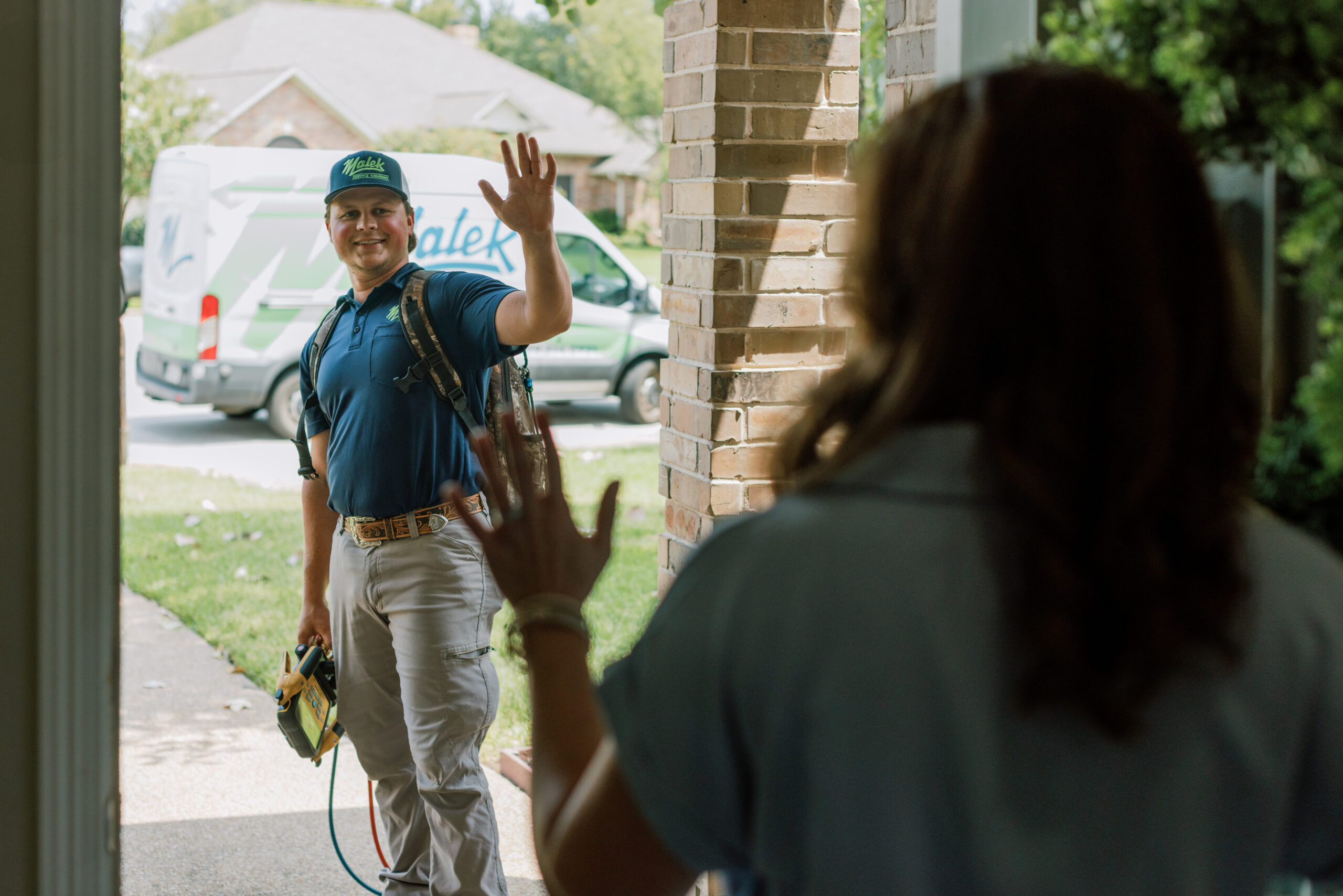
Clear Guidance About What Comes Next
We review the recommended repair, expected scope, applicable pricing, and any electrical conditions that should be monitored or addressed later without pushing unnecessary work.
Not Sure What Is Causing the Electrical Problem?
Malek can evaluate the symptoms, trace the affected circuit or component, and explain whether the concern requires electrical repair, additional testing, panel service, or another practical next step.
Beyond Electrical Troubleshooting
Additional Electrical Support for Your Home
Troubleshooting may identify an isolated failed component, but it can also uncover concerns involving a larger circuit, electrical panel, surge exposure, or aging wiring. Malek can help connect the findings to the service that makes practical sense.
The correct service depends on what testing identifies—not only where the symptom first appears.
Continue Learning
Learn More About the Electrical Symptoms You’re Seeing

Similar electrical symptoms can have very different causes. These homeowner guides explain what may be happening, what you can safely check, and when professional troubleshooting is the right next step.
Why Are My Lights Flickering?
Learn how loose bulbs, failing fixtures, incompatible dimmers, overloaded circuits, loose connections, equipment startup, panel concerns, and utility voltage changes may cause lights to flicker or dim.
Read the Problem Guide →Why Are My Outlets Not Working?
Review common causes of dead or intermittent outlets, including tripped breakers, GFCI devices, failed receptacles, loose connections, damaged wiring, and problems elsewhere on the same circuit.
Read the Problem Guide →When Should I Call an Electrician?
Understand which warning signs may need professional attention, including repeated breaker trips, warm devices, buzzing, burning odors, sparks, intermittent power, damaged wiring, and electrical shock.
Read the Homeowner Guide →Looking for more guidance about electrical repair, safety, and common warning signs?
Visit the Learning Center →Electrical Troubleshooting FAQs
Questions Homeowners Often Ask Before Scheduling
Electrical troubleshooting questions often involve breaker trips, flickering lights, dead outlets, unusual sounds, intermittent power, wiring concerns, and knowing whether the problem requires repair, panel service, or additional testing.
Electrical troubleshooting is the process of reviewing the symptoms, affected circuit, breakers, devices, accessible wiring, connections, and connected equipment to identify the likely source of an electrical problem before repair begins.
Repeated breaker trips may be caused by an overloaded circuit, short circuit, ground fault, damaged equipment, loose connection, wiring problem, or worn breaker. Repeatedly resetting the breaker does not correct the underlying cause.
Flickering or dimming may involve a loose bulb, failing fixture, incompatible dimmer, loose connection, overloaded circuit, equipment startup, utility voltage change, or a panel-level condition. Testing helps identify which cause is actually affecting the home.
A dead outlet or switch may involve a tripped breaker, tripped GFCI device, failed receptacle, worn switch, loose connection, damaged wiring, or another failed device located earlier on the same circuit.
Intermittent power may involve a loose connection, failing device, damaged wiring, worn breaker, panel connection, connected equipment, or utility supply condition. Because the symptom may disappear temporarily, diagnosis may require testing several related components.
Buzzing, crackling, warmth, discoloration, or burning odors may indicate a loose connection, overloaded component, damaged device, wiring problem, or electrical arcing. Stop using the affected device and arrange professional evaluation.
Many electrical problems can be identified during the initial visit. Intermittent symptoms, concealed wiring, utility voltage changes, connected equipment, or limited access may require additional observation, access, or testing before every possibility can be ruled out.
Yes. Malek provides residential electrical troubleshooting throughout Bryan–College Station and Northwest Houston. Appointment availability may vary by location and service requirements.
Customer Stories
Service People Remember.
Homeowners across Bryan–College Station and Northwest Houston trust Malek for clear explanations, careful diagnostics, and professionals who treat their homes with respect.
Posted on Google margaret hallTrustindex verifies that the original source of the review is Google. He did a great job getting my heat back up running and explaining to me what I need to do with the new thermostat . No charge cause I have the maintenance agreement.Posted on Google Gary GardnerTrustindex verifies that the original source of the review is Google. Excellent service from Malek. Michael has been out before to both home and business and has always been very professional and helpful. Would definitely recommend in B/CS.Posted on Google Zachary HoffpauirTrustindex verifies that the original source of the review is Google. Daniel was great - willing to explain the situation and the options for fixing. Extremely kind and patient with us! Was able to come out same day and get the issue solved quickly. Highly revPosted on Google Sam RayTrustindex verifies that the original source of the review is Google. GreatPosted on Google Anthony HostetlerTrustindex verifies that the original source of the review is Google. Quick and professional. Didn’t leave a mess. Heating went out during cold snap. Came out the next day and fixed the problem quickly. Very satisfied.Posted on Google Calvin GreerTrustindex verifies that the original source of the review is Google. Marshall did a thorough job on maintenance inspection, explaining the findings, and providing the mitigating options.
Protect Your Home. Understand What It Needs.
Stay ahead of unexpected HVAC, plumbing, and electrical problems with routine system checks, priority service, repair savings, and guidance from professionals who explain before they recommend.
Explore the Total Protection Plan →Get Clear Answers About the Electrical Problem
Find the Source Before Replacing the Wrong Component
Malek can evaluate the symptoms, affected circuit, breakers, outlets, switches, fixtures, accessible wiring, connections, and connected equipment before explaining what testing identified and which repair or additional service makes practical sense.