Professional Electrical Panel Replacement

Replace an Aging or Damaged Electrical Panel With Confidence

An electrical panel may need replacement when damage is extensive, components are obsolete, corrosion is widespread, compatible parts are unavailable, or the equipment no longer provides dependable service for the home. Malek’s licensed electricians evaluate the panel, explain what they find, and help you understand whether replacement is the practical next step.

Complete panel evaluation

Replacement based on actual condition

Clear project scope and next steps
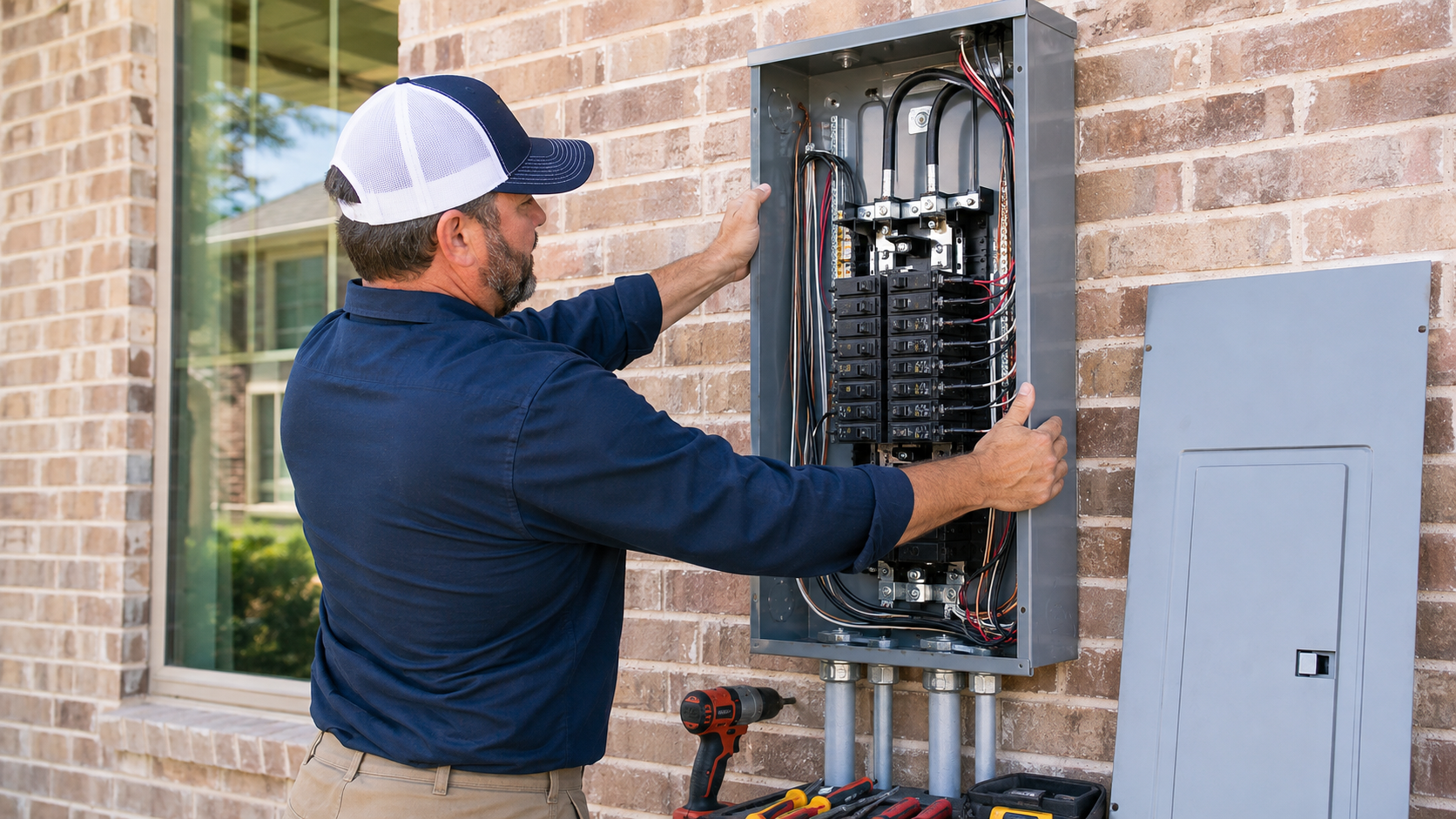
Malek electrician installing a new outdoor residential electrical panel
Replacement Starts With the Right Evaluation

We review equipment condition, damage, capacity, compatibility, repair history, and future electrical needs before recommending replacement.

Common Reasons to Consider Electrical Panel Replacement
The panel has widespread damage or corrosion Compatible breakers or components are unavailable Failures continue after previous repairs The equipment is obsolete or no longer dependable
Replacement should solve the right problem—not simply replace old equipment. Malek evaluates the panel and the home’s electrical needs before explaining whether replacement, repair, or an upgrade makes the most sense.

Signs Replacement May Be the Better Path

Some Panel Problems Extend Beyond One Breaker or Connection

A single repair can make sense when the damage is isolated. Replacement becomes more likely when problems affect the broader panel, compatible components are unavailable, or the equipment can no longer provide dependable service for the home.

01

The Panel Has Widespread Corrosion or Moisture Damage

Rust, water staining, damaged bus surfaces, corroded breakers, or repeated moisture exposure may affect several components at once. Replacement may be more dependable than repairing isolated pieces.

02

Compatible Breakers or Parts Are No Longer Available

Older or obsolete panels may rely on components that are difficult or inappropriate to source. When listed, compatible replacement parts are unavailable, continued repairs may not be practical.

03

Breaker or Connection Problems Keep Returning

Recurring trips, overheating, loose connections, or repeated component failures may suggest broader deterioration inside the panel rather than one isolated repairable condition.

04

Heat or Arcing Has Damaged Multiple Components

Burn marks, melted insulation, damaged bus contacts, discolored conductors, or evidence of electrical arcing may make targeted repair unreliable when the damage extends through the panel.

05

The Equipment Is Obsolete or No Longer Dependable

An older panel is not automatically unsafe, but age matters when it is combined with damaged components, poor reliability, unavailable parts, improper modifications, or a growing repair history.

06

The Panel No Longer Fits the Home’s Electrical Needs

Limited breaker space, crowded equipment, repeated capacity concerns, or major changes to the home may make replacement part of a broader plan for safer and more practical electrical service.

Do Not Ignore Immediate Electrical Danger

Smoke, active sparking, burning odors, visible melting, or electrical shock need prompt attention.

Avoid opening the panel or touching damaged electrical equipment. Move away from active smoke or fire, contact emergency services when necessary, and arrange professional electrical evaluation once the area is safe.

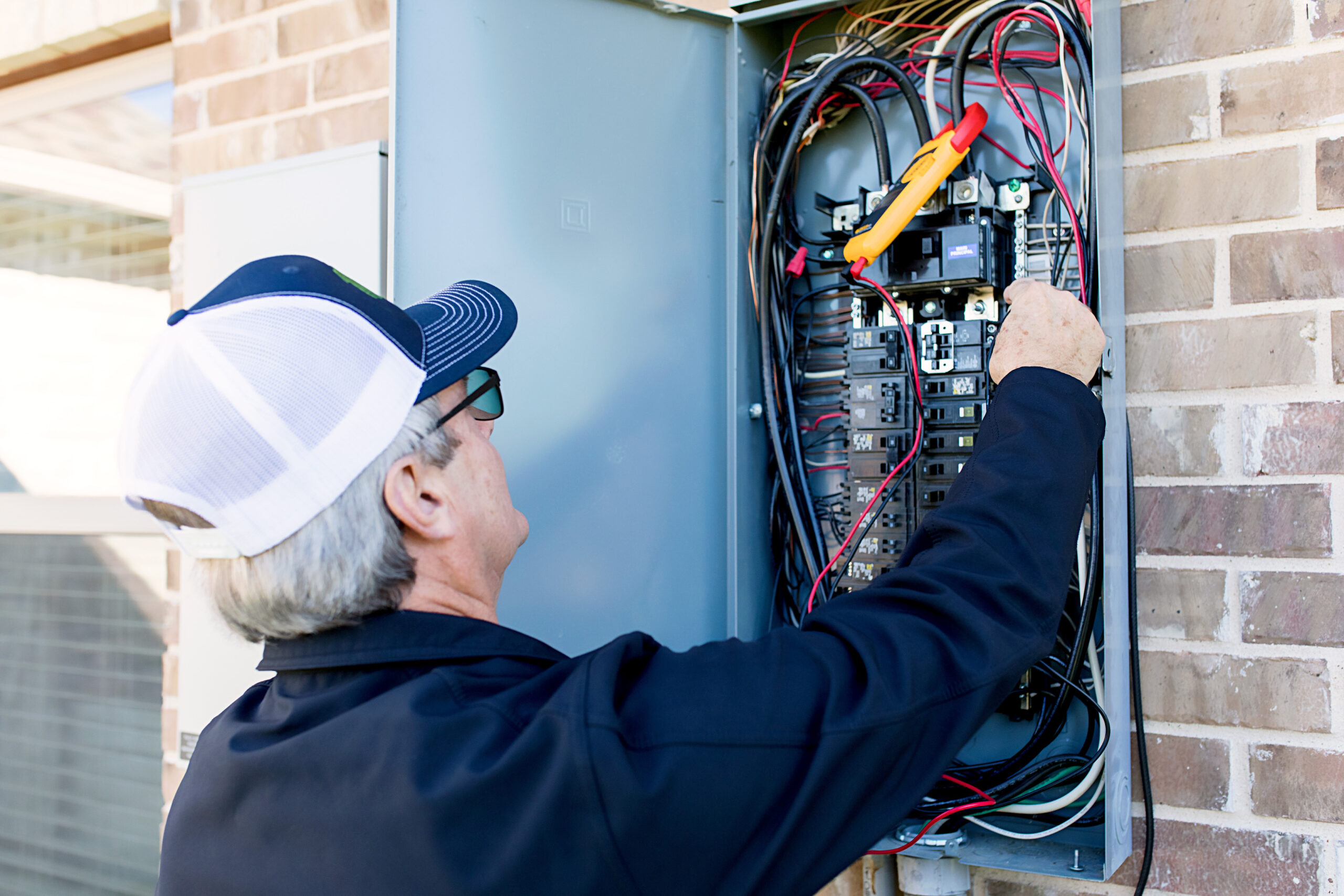
Malek electrician evaluating the condition of a residential electrical panel

Why Evaluation Comes Before Replacement

Panel Replacement Should Be Based on the Condition of the Entire System

Repeated breaker failures, corrosion, overheating, damaged bus components, obsolete equipment, unavailable parts, and limited capacity can all point toward replacement—but no single symptom tells the whole story. The panel, connected circuits, service equipment, and the home’s electrical needs should be considered together.

Malek reviews the panel enclosure, breakers, conductors, internal components, heat or moisture damage, equipment compatibility, available capacity, previous repairs, and future electrical demand before explaining whether replacement is the most practical solution.

Why Electrical Panels Need Replacement

Conditions That Can Make Panel Replacement the Better Option

Electrical panels do not need replacement simply because they are older. Replacement becomes more likely when damage is widespread, components are obsolete, compatible parts are unavailable, failures continue, or repair would leave unreliable equipment in service.

Malek evaluates the panel, connected circuits, service equipment, available capacity, and future electrical needs before recommending a complete replacement.

Equipment Condition

Damage Extends Beyond One Breaker or Connection

Replacement may be more practical when heat, arcing, corrosion, or physical damage affects several breakers, internal contacts, conductors, bus surfaces, or other panel components. A focused repair may not provide dependable service when deterioration is widespread.

Compatibility

Listed Replacement Components Are No Longer Available

Older or discontinued panels may rely on breakers and components that are difficult or inappropriate to source. When compatible, approved parts are unavailable, continued repairs may not be practical or provide the reliability the home needs.

Recurring Failures

Panel Problems Continue After Previous Repairs

Repeated breaker failures, loose connections, intermittent power, overheating, or recurring repair needs can indicate broader deterioration. Replacement may offer a more dependable path than continuing to repair one failing component at a time.

Heat and Arcing

Overheating or Arcing Has Damaged Internal Equipment

Electrical arcing, loose contacts, damaged breakers, and poor conductor terminations can create enough heat to damage bus contacts, insulation, wiring, and nearby components. Replacement may be necessary when the damage cannot be isolated or corrected reliably.

Moisture

Moisture and Corrosion Affect Multiple Components

Water intrusion, condensation, plumbing leaks, exterior exposure, or damaged service equipment can corrode breakers, conductors, terminals, bus surfaces, and the enclosure. Widespread corrosion may make complete replacement more dependable than partial repair.

Capacity and Layout

The Existing Panel No Longer Fits the Home

Limited breaker space, crowded equipment, improper modifications, increased electrical demand, or major home changes may make the existing panel impractical. Replacement can also create a cleaner, more serviceable foundation for the home’s current electrical system.

What to Expect

What Happens During Electrical Panel Replacement

Panel replacement involves more than removing one enclosure and installing another. Malek evaluates the existing electrical system, develops the project scope, reviews permitting and coordination needs, installs the approved equipment, and verifies the completed work before returning the system to service.

Evaluate the Existing System

Review the Panel, Service Equipment, and Home’s Electrical Needs

Your electrician evaluates the panel condition, breakers, conductors, grounding and bonding, service equipment, visible damage, available capacity, previous modifications, and the electrical loads the home currently supports.

Develop the Project Scope

Determine What Equipment and Related Work Are Needed

Malek identifies the appropriate panel configuration, breaker requirements, circuit organization, conductor work, grounding and bonding corrections, surge protection options, and any related service equipment that should be included.

Plan Permitting and Coordination

Prepare for Required Approvals, Access, and Power Interruption

Depending on the project, panel replacement may require permits, inspection, utility coordination, temporary power interruption, equipment access, or preparation around the work area. The expected process is reviewed before installation begins.

Replace the Panel

Remove the Existing Equipment and Install the Approved System

Power is safely disconnected, the existing panel is removed, and the approved replacement equipment is installed. Circuits are transferred, organized, connected, labeled, and corrected as required by the agreed project scope.

Verify and Review

Restore Power, Check Operation, and Explain the New Panel

The completed installation is checked, circuits are reviewed, power is restored when conditions allow, and required inspection steps are completed. Malek explains the new panel, circuit labeling, protective devices, and anything the homeowner should know moving forward.

Get Clear Answers About Panel Replacement

Is Your Electrical Panel Damaged, Obsolete, or No Longer Dependable?

Malek’s licensed electricians evaluate the panel’s condition, compatible component availability, electrical capacity, repair history, service equipment, and the home’s current needs before explaining whether replacement is the practical next step.

Schedule Panel Replacement

Serving Bryan–College Station and Northwest Houston

Why Choose Malek

Electrical Panel Replacement With a Clearly Defined Plan

A panel replacement affects the electrical foundation of the home. Malek’s licensed electricians evaluate the existing equipment, service capacity, connected circuits, grounding and bonding, visible damage, installation requirements, and future electrical needs before defining the project scope.
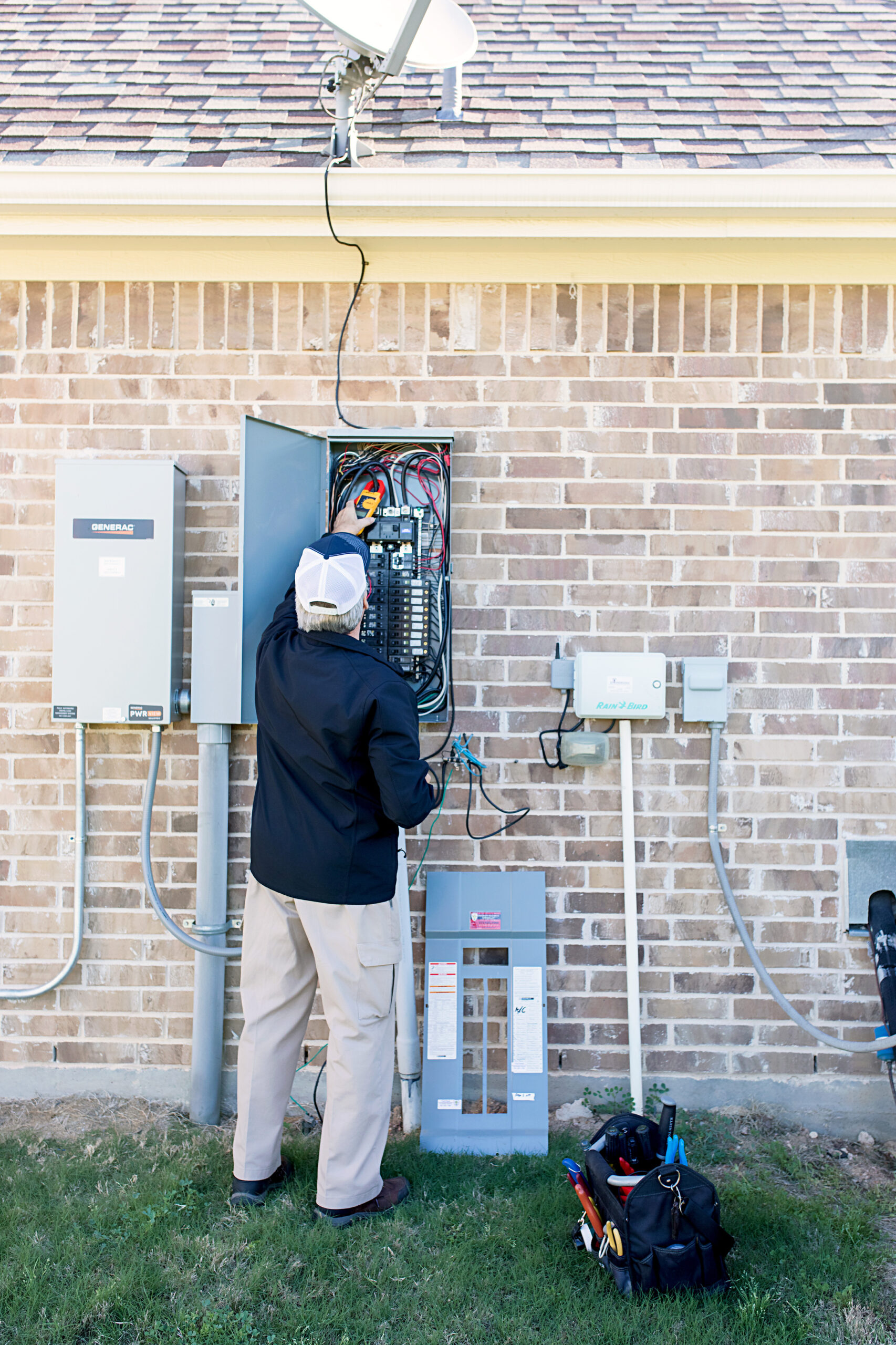
Malek electrician evaluating an existing residential electrical panel before replacement
01

Replacement Based on the Actual Panel Condition

We evaluate equipment condition, corrosion, heat damage, component compatibility, repair history, available capacity, service equipment, and the needs of the home before recommending complete replacement.

Malek service professional reviewing the scope of an electrical panel replacement project
02

A Complete Scope Before Installation Begins

We explain the proposed equipment, breaker requirements, circuit transfer, grounding and bonding work, protective devices, permitting, inspections, utility coordination, and expected power interruption.
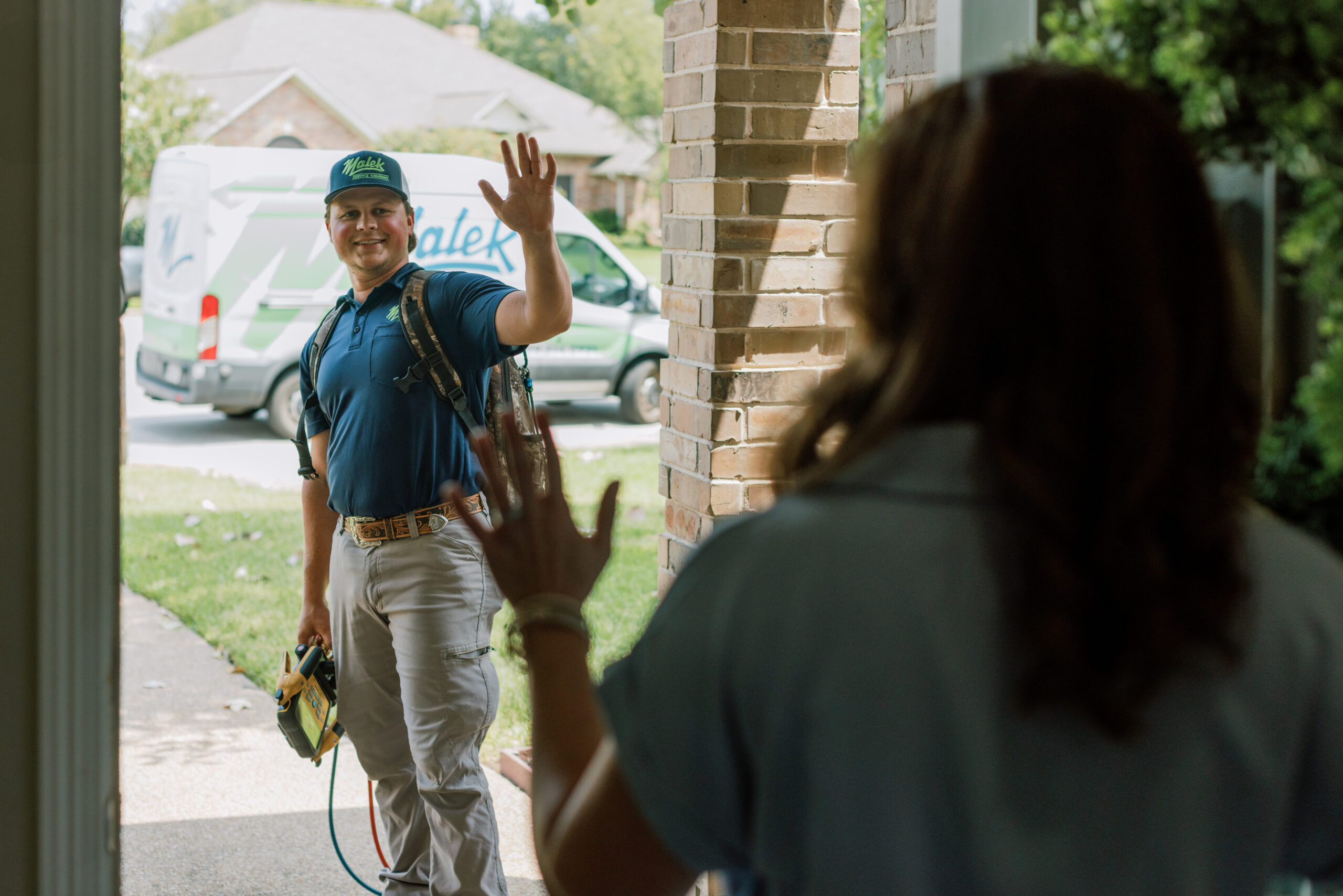
Malek service professional explaining electrical panel replacement options to a homeowner
03

Clear Guidance About Replacement and Capacity

Replacing a damaged panel does not automatically increase the home’s electrical capacity. We explain whether the project maintains the existing service or includes a larger upgrade for future electrical demand.

Beyond Electrical Panel Replacement

Additional Panel Support for the Needs of Your Home

Panel replacement can resolve damaged, obsolete, or unreliable equipment. The evaluation may also show that a focused repair is sufficient, that additional capacity is needed, or that related circuit and wiring work should be addressed with the project.

Replacement addresses the condition of the panel. An upgrade addresses capacity, configuration, or larger future electrical demands and may involve a broader scope.

Continue Learning

Make a More Informed Electrical Panel Decision

Replacement decisions involve more than the age of the equipment. These resources explain how condition, reliability, available parts, capacity, project scope, and long-term needs can shape the right path.

02 Investment Guide

Electrical Panel Replacement Investment Guide

Understand the factors that can influence project cost, including panel configuration, breaker requirements, service equipment, grounding and bonding, circuit corrections, permits, inspections, access, and utility coordination.

Explore the Investment Guide
03 Warning Signs Guide

Signs Your Electrical Panel Needs Replacement

Learn which conditions may suggest the concern extends beyond one breaker or connection, including recurring failures, corrosion, obsolete equipment, heat damage, unavailable parts, and limited capacity.

Review the Warning Signs
Electrical Panel Replacement FAQs

Questions Homeowners Ask Before Replacing an Electrical Panel

Panel replacement questions often involve project cost, power interruption, permits, inspections, equipment capacity, replacement timing, and knowing whether the home needs a standard replacement or a larger electrical upgrade.

Replacement may be appropriate when the panel has widespread corrosion, recurring failures, extensive heat or arcing damage, obsolete equipment, unavailable compatible components, or a condition that cannot be corrected reliably with focused repair.

Customer Stories

Service People Remember.

Homeowners across Bryan–College Station and Northwest Houston trust Malek for clear explanations, careful diagnostics, and professionals who treat their homes with respect.

Protect Your Home. Understand What It Needs.

Stay ahead of unexpected HVAC, plumbing, and electrical problems with routine system checks, priority service, repair savings, and guidance from professionals who explain before they recommend.

Explore the Total Protection Plan

Plan Your Electrical Panel Replacement With Confidence

Replace Aging or Damaged Equipment With a Clearly Defined Plan

Malek can evaluate the existing panel, service equipment, connected circuits, available capacity, grounding and bonding, visible damage, repair history, and future electrical needs before explaining the appropriate replacement scope for your home.

Complete panel and service evaluation Clear replacement and upgrade guidance Project scope explained before work begins
electrical-upgrades-for-home​s