Professional Slab Leak Services
Find the Slab Leak Before the Damage Spreads
A leaking water line beneath the foundation can affect flooring, water pressure, utility costs, and surrounding materials before the source becomes obvious. Malek helps locate the likely affected area, explain what the findings mean, and determine the right repair approach for your home.
Professional slab leak detection
Clear repair and rerouting options
Serving both Malek markets
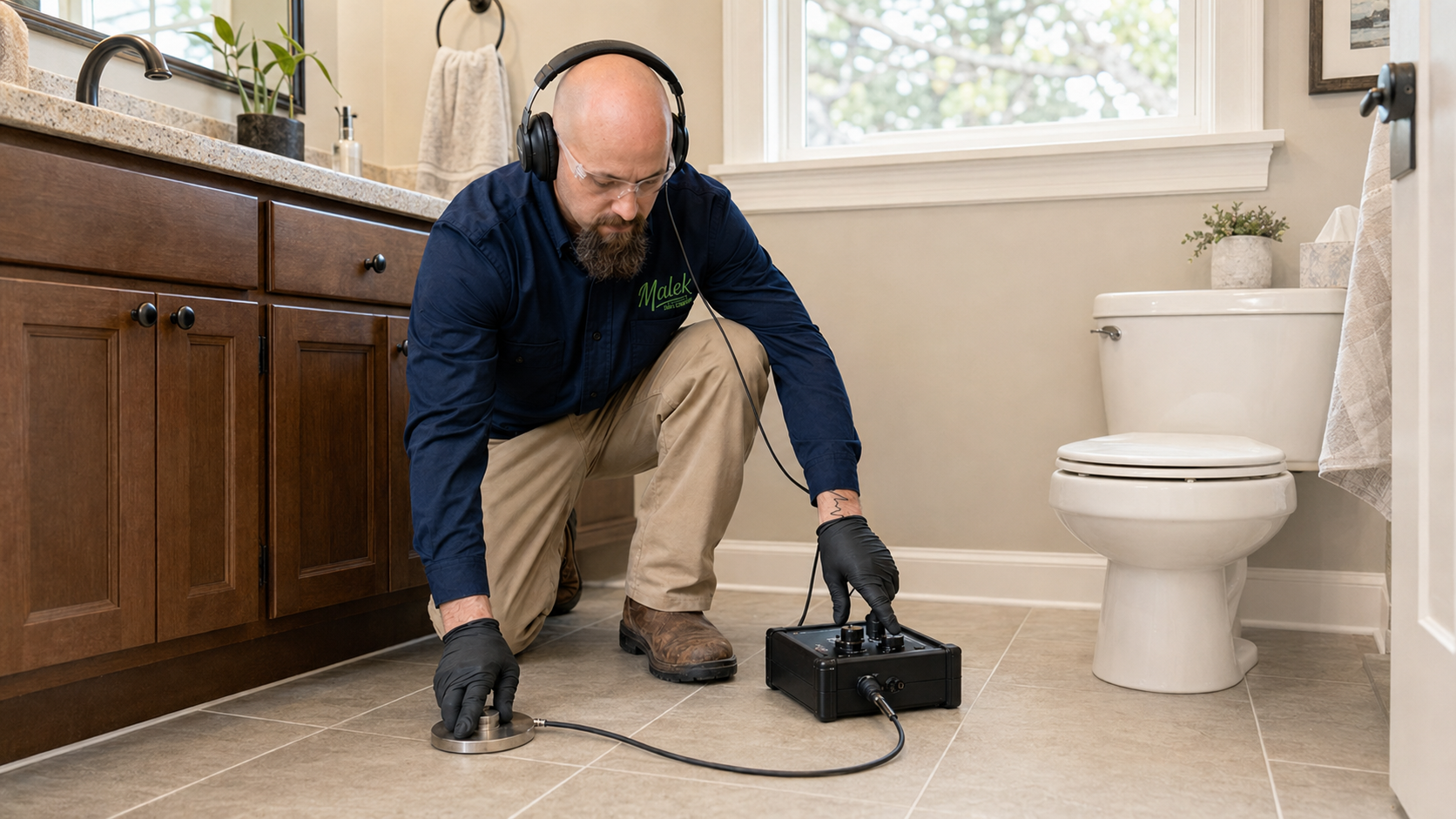
Narrow the likely affected area before flooring or concrete is opened.
Common Reasons to Schedule
Professional Slab Leak Services
Locating the Problem and Planning the Right Repair
A slab leak begins in a water line beneath the foundation, but the right solution depends on the location, condition of the plumbing, accessibility, and extent of the damage.
Part of our Water Line Services solutions.
Diagnose Before Repairing
Professional testing helps narrow the likely affected area before flooring or concrete is opened and a repair method is selected.
Slab Leak Detection
Test the plumbing system and investigate the symptoms to help identify whether a pressurized water line beneath the foundation may be leaking.
Targeted Slab Leak Repair
Access and repair a specific damaged section when the affected area can be located and a direct repair is appropriate for the plumbing system.
Water Line Rerouting
Bypass a damaged line beneath the foundation by installing a new route through a more accessible area when direct slab access is not the best long-term option.
Partial Water Line Replacement
Replace a compromised section of piping when corrosion, wear, or repeated problems make a localized repair less dependable.
Broader Repiping Options
Evaluate whether multiple leaks, aging materials, or widespread deterioration point to a larger piping problem rather than one isolated failure.
Post-Repair Testing
Test the repaired or rerouted plumbing line to confirm the system is holding pressure and review the completed work with the homeowner.
Signs to Watch For
Signs You May Have a Slab Leak
Slab leaks often begin beneath finished flooring or concrete, where the damaged line cannot be seen. The first warning may be a change in water use, pressure, flooring, temperature, or moisture around the foundation.
These symptoms do not automatically confirm a slab leak. Testing the plumbing system helps determine whether a pressurized line beneath the foundation may be involved before flooring or concrete is opened.
Warm Areas on the Floor
An unexplained warm spot beneath tile, wood, or another finished surface may indicate that a hot-water line below the foundation is losing water.
Higher Water Bills
A continuing increase in water use without a clear change in household habits may point to water escaping from a concealed plumbing line.
Damp or Damaged Flooring
Moisture beneath finished flooring can cause staining, lifting, buckling, soft areas, or recurring dampness even when no nearby fixture appears to be leaking.
Running-Water Sounds
Hissing, trickling, or faint water movement beneath the floor may deserve investigation when fixtures, appliances, and irrigation are not operating.
Lower Water Pressure
A damaged line beneath the slab may contribute to reduced or inconsistent pressure, although pressure changes can also have several other plumbing causes.
Moisture Near the Foundation
Damp soil, recurring moisture along an exterior wall, or water appearing near the foundation may indicate a concealed plumbing problem beneath or near the slab.
Know What’s Happening in Your Home.
Not Sure Whether the Leak Is Beneath the Slab?
Malek can evaluate the symptoms, test the plumbing system, and help narrow the likely affected area before an access or repair method is recommended.
Why Slab Leak Testing Matters
The Wet Area May Not Be Directly Above the Leak
Water escaping beneath a foundation can travel through soil, concrete, flooring, or nearby materials before it becomes visible. A warm spot, damaged floor, or damp area may point to the problem without showing the exact location of the failed pipe.
Malek evaluates the symptoms, tests the plumbing system, and helps narrow the likely affected section before flooring or concrete is opened and a repair method is recommended.
Common Causes
What Can Cause a Slab Leak?
Slab leaks usually develop when a pressurized water line beneath the foundation becomes damaged, weakened, or placed under ongoing stress. The cause may involve the pipe itself, surrounding soil, water pressure, or how the line was originally installed.
Identifying the likely cause helps determine whether a targeted repair, reroute, partial replacement, or broader piping solution is the most appropriate next step.
Shifting or Expanding Soil
Changes in soil moisture can cause the ground beneath a home to expand, contract, or shift. That movement can place stress on pipes running beneath the foundation and eventually contribute to cracks or separated connections.
Corrosion and Material Deterioration
Older metal piping may weaken as corrosion develops from the inside or outside. Over time, thinning pipe walls can produce pinhole leaks, cracks, or larger failures beneath the slab.
Excessive or Fluctuating Pressure
Water pressure that remains too high or changes sharply can place added strain on pipes, fittings, and joints. Repeated pressure stress may eventually expose a weak point beneath the foundation.
Abrasion Against Concrete or Surrounding Materials
Pipes can expand, contract, or move slightly as water temperature changes. When a line repeatedly rubs against concrete, gravel, or another hard surface, the pipe may gradually wear through.
Installation or Connection Problems
Improperly supported lines, stressed joints, sharp bends, damaged materials, or weak connections may remain hidden for years before developing into a leak beneath the slab.
Aging Pipes and Repeated Stress
Years of temperature changes, water flow, pressure, vibration, and soil movement can gradually weaken buried piping, even when there is no single event that caused the failure.
What to Expect
What Happens During Slab Leak Service
The process begins with confirming whether a pressurized water line beneath the foundation may be involved. Malek evaluates the symptoms, narrows the likely affected area, and explains the repair options before flooring or concrete is opened.
Begin With the Symptoms
Review What You Have Noticed
Your technician will ask about changes in water bills, pressure, flooring, indoor temperature, running-water sounds, moisture, and when the symptoms first appeared.
Confirm the Plumbing Issue
Inspect and Test the Water System
Accessible fixtures, visible plumbing, meter activity, pressure, and affected areas may be evaluated to help determine whether the water loss is likely coming from beneath the slab.
Narrow the Affected Area
Perform Slab Leak Detection
Depending on the plumbing layout and symptoms, the technician may isolate sections, monitor pressure loss, trace water lines, or use professional detection equipment to narrow the likely location.
Compare the Repair Paths
Evaluate Access, Repair, and Rerouting Options
The location of the leak, pipe condition, plumbing material, accessibility, and history of previous failures are considered before recommending direct repair, rerouting, or replacement.
Understand the Recommendation
Review the Findings and Next Step
Malek will explain what the testing indicates, where access may be required, which repair options are available, and why one approach may be more appropriate than another.
Understand the Problem First
Think You May Have a Slab Leak?
Malek’s licensed plumbers can evaluate the symptoms, test the plumbing system, and help narrow the likely affected area before flooring or concrete is opened. You will understand what the findings mean and which repair options make sense for your home.
Serving Bryan–College Station and Northwest Houston
Why Choose Malek
Slab Leak Solutions You Can Feel Confident About
Slab leaks require accurate diagnosis, thoughtful access planning, and a repair approach suited to the condition of the plumbing system. Malek’s licensed plumbers evaluate the evidence, explain the available options, and help you understand what should happen before work moves forward.
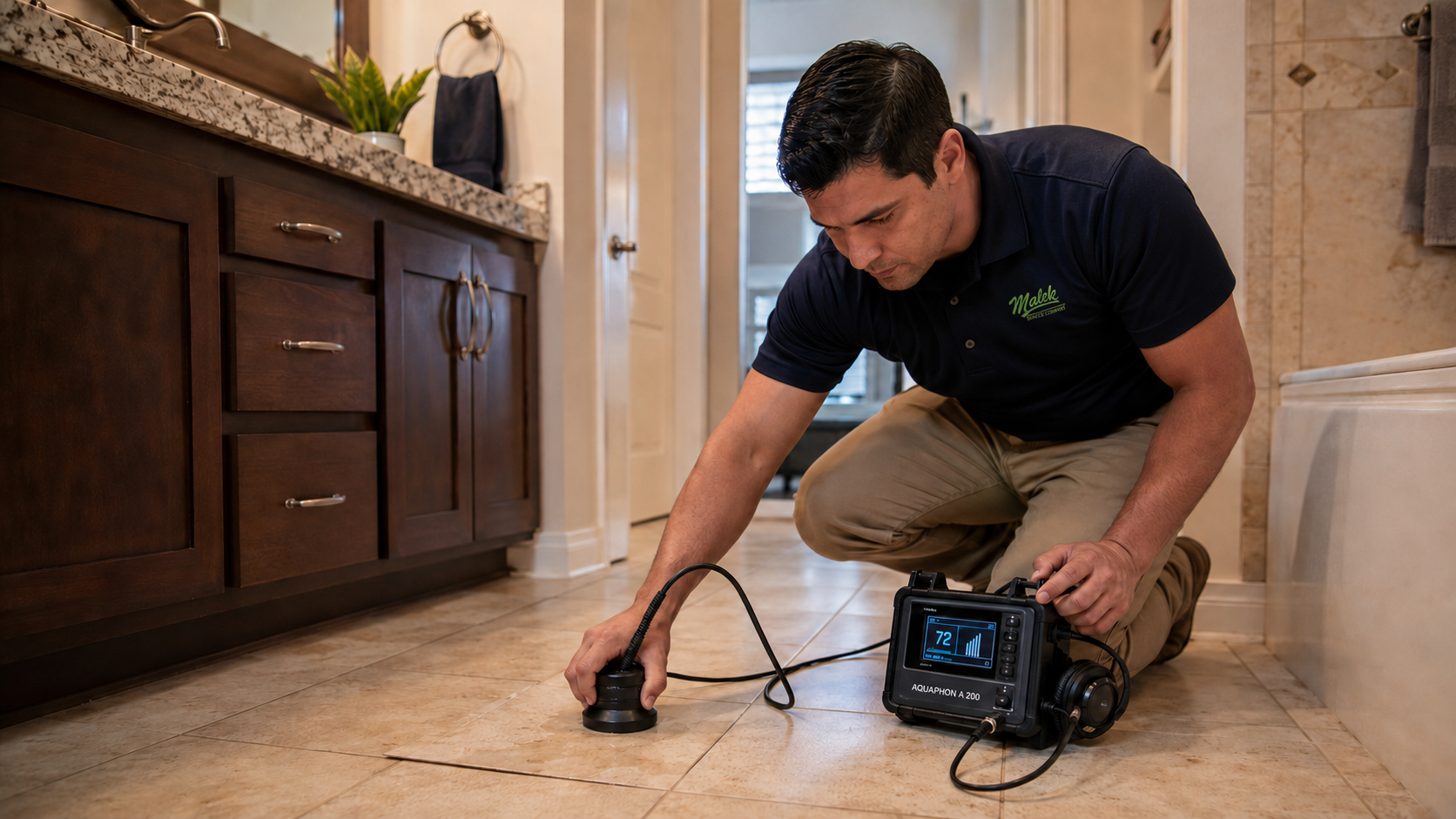
Professional Slab Leak Detection
We evaluate the symptoms, test the plumbing system, and use professional diagnostic methods to help narrow the likely affected section before flooring or concrete is opened.
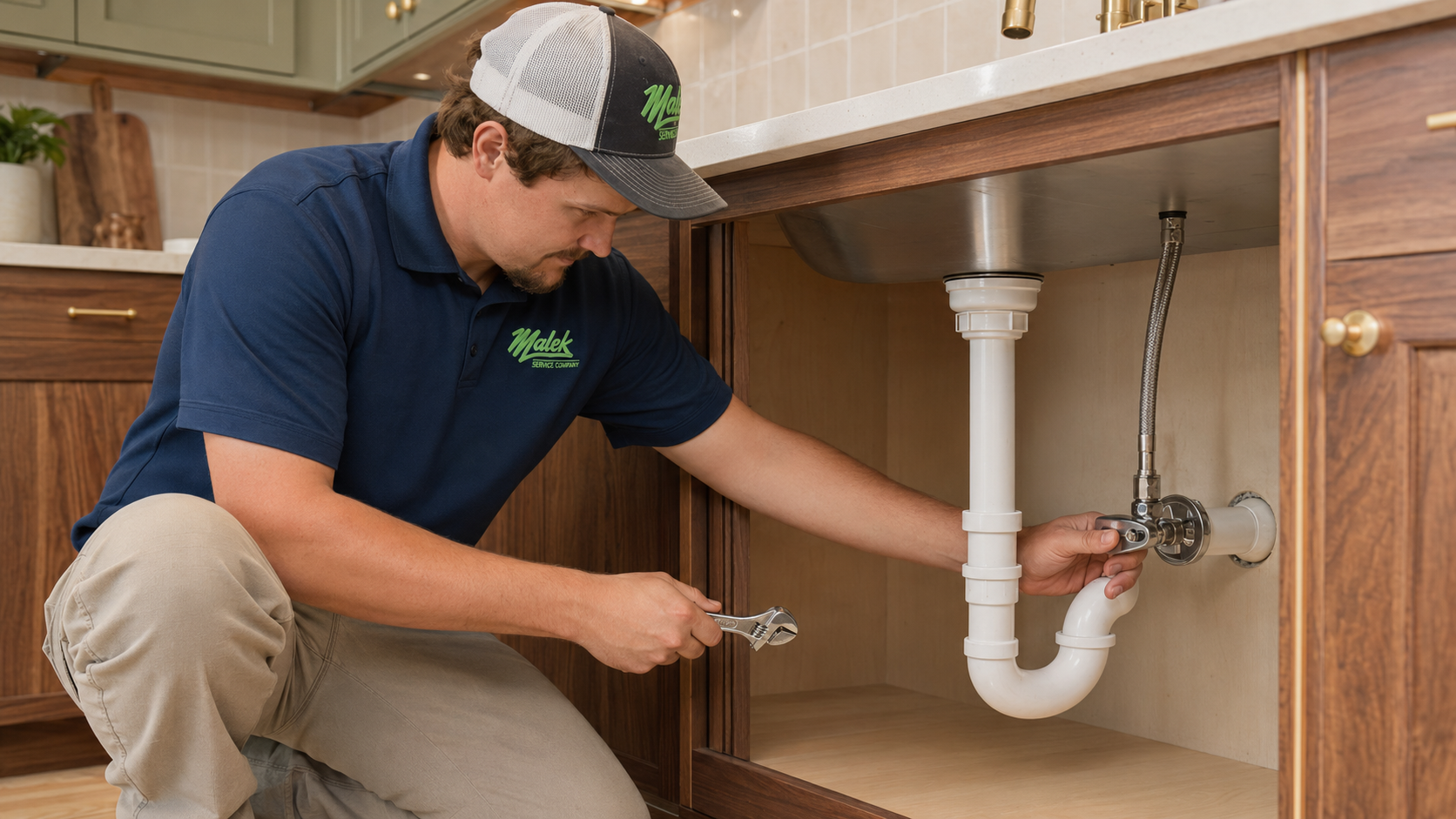
Repair Options Based on the Findings
The leak location, pipe condition, plumbing material, accessibility, and history of previous problems are considered before targeted repair, rerouting, or replacement is recommended.

Clear Recommendations Before Work Begins
We explain what the testing indicates, where access may be required, which repair paths are available, and why one option may make more sense for your home.
Financing Options for Slab Leak Repairs
Slab leak repairs, rerouting, and larger piping work can be an unexpected investment. Financing options are available for qualified homeowners to help make necessary plumbing service more manageable.
After the Evaluation
The Right Repair Depends on What We Find
Once the likely location and condition of the affected line are understood, Malek can explain which repair path makes the most sense. The best option depends on accessibility, pipe condition, plumbing material, previous failures, and the extent of the damage.
A slab leak does not always require opening a large area of the foundation. Depending on the plumbing layout and condition of the line, targeted repair, rerouting, or replacement may be considered.
Continue Learning
Understand Your Slab Leak Options Before Deciding What Comes Next
Learn how repair and replacement decisions are made, which warning signs may point to a slab leak, and what can affect the cost and scope of the work.
Repair or Replace the Affected Water Line?
Compare the factors that influence the decision, including pipe condition, leak location, repair history, accessibility, material, and the likelihood of future failures.
Read the Decision Guide →What Can Affect Slab Leak Detection Costs?
Learn how the suspected location, plumbing layout, testing required, accessibility, and complexity of the symptoms may influence the diagnostic investment.
Signs a Hidden Leak May Be Beneath the Slab
Learn which changes in flooring, water pressure, utility use, temperature, sound, and moisture may point to a concealed plumbing issue beneath the foundation.
Looking for more homeowner guidance?
Explore the Learning Center →Slab Leak FAQs
Questions Homeowners Often Ask About Slab Leaks
Slab leaks can be difficult to confirm from the symptoms alone. These answers explain what to watch for, how testing works, and which repair options may be considered after the affected area is evaluated.
Possible signs include warm or damp flooring, unexplained increases in water use, reduced water pressure, running-water sounds beneath the floor, moisture near the foundation, and recurring flooring damage. These symptoms can have other causes, so testing is needed before confirming a slab leak.
No. A warm floor can be caused by sunlight, heating equipment, ductwork, appliances, or other conditions. However, an unexplained warm area may justify evaluation when it appears with higher water use, pressure loss, moisture, or running-water sounds.
The process usually begins with a review of the symptoms, plumbing layout, meter activity, visible conditions, and water pressure. Depending on the situation, the technician may isolate sections of the plumbing system, monitor pressure loss, trace water lines, or use professional diagnostic equipment to narrow the likely affected area.
Not always. Some leaks can be addressed by rerouting the line through a more accessible area. When direct repair is the preferred approach, limited access through flooring and concrete may be required. Malek should explain where access is proposed and why before work begins.
Sometimes. A damaged line may be bypassed by rerouting new piping through walls, ceilings, or another accessible path. The suitability of rerouting depends on the plumbing layout, pipe condition, affected line, and how the new route can be installed.
The right option depends on the leak location, accessibility, pipe material, condition of the surrounding plumbing, repair history, and likelihood of future failures. A localized repair may work for isolated damage, while rerouting or replacement may make more sense when the line is difficult to access or broadly deteriorated.
A suspected slab leak should be evaluated promptly because continued water loss can increase utility costs and affect flooring, finishes, soil conditions, and nearby materials. If water is actively surfacing or damage is spreading, shut off the water if it is safe to do so and contact a plumber.
Yes. Malek provides slab leak evaluation and repair services for homeowners in Bryan–College Station and Northwest Houston. Appointment availability may vary by location and scheduling demand.
Customer Stories
Service People Remember.
Homeowners across Bryan–College Station and Northwest Houston trust Malek for clear explanations, careful diagnostics, and professionals who treat their homes with respect.
Protect Your Home. Understand What It Needs.
Stay ahead of unexpected HVAC, plumbing, and electrical problems with routine system checks, priority service, repair savings, and guidance from professionals who explain before they recommend.
Explore the Total Protection Plan →Know What’s Happening in Your Home
Get Clear Answers About a Possible Slab Leak
Malek can evaluate the symptoms, test the plumbing system, help narrow the likely affected area, and explain the repair options before flooring or concrete is opened.