Schedule Service
Schedule Service

Professional Whole-Home Surge Protection

Protect More of Your Home From Everyday Power Surges

Power surges can come from utility switching, nearby lightning, generators, motors, HVAC equipment, and other electrical activity inside or outside the home. Malek’s licensed electricians evaluate your panel, installation conditions, and protection needs before installing a whole-home surge protective device designed to help reduce surge exposure across connected circuits.

Panel and installation evaluation

Protection matched to the home

Clear installation scope and guidance
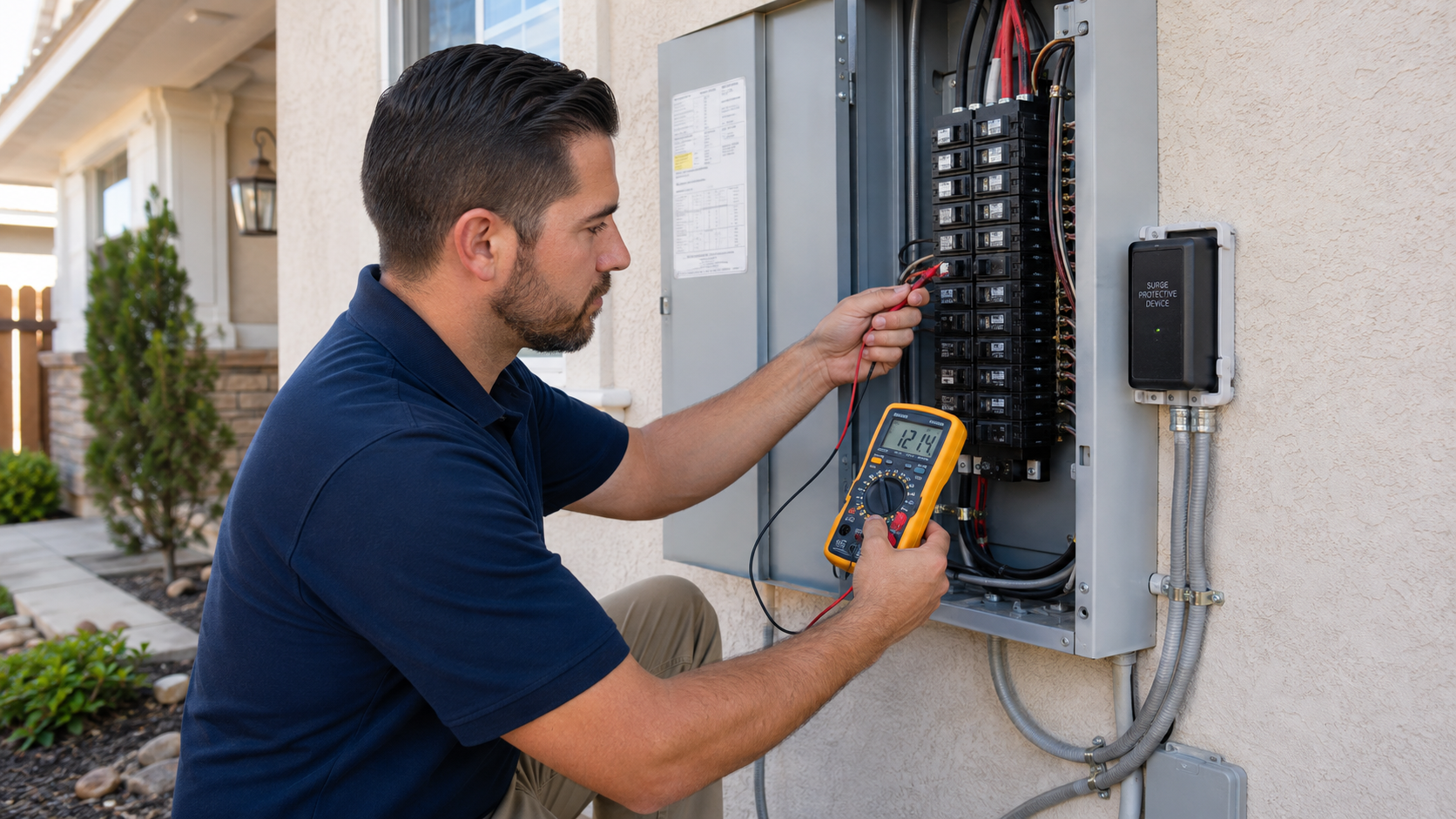
Malek electrician working at an outdoor residential electrical panel
Protection Starts With the Right Evaluation

We review panel compatibility, available breaker space, grounding, installation location, connected equipment, and the home’s exposure before recommending a surge protection solution.

Common Reasons to Consider Whole-Home Surge Protection

Utility switching can create voltage spikes Nearby lightning can affect connected equipment HVAC motors and appliances can create internal surges Modern homes rely on sensitive electronic controls
Surge protection should reduce risk across the home—not promise that every event can be stopped. Malek evaluates the panel, installation conditions, and the home’s electrical needs before explaining what whole-home surge protection can help with, what it cannot guarantee, and which installation makes sense.

When Whole-Home Protection May Make Sense

Power Surges Can Reach More Than One Appliance or Circuit

Plug-in strips can help protect selected devices, but they do not cover every circuit or hardwired system in the home. Whole-home surge protection may make sense when you want a broader first line of defense for appliances, electronics, HVAC equipment, and other connected loads.

01

Your Home Relies on Sensitive Electronics and Control Boards

Modern HVAC systems, appliances, televisions, computers, networking equipment, and smart-home devices often contain electronic controls that can be affected by sudden voltage changes.

02

You Experience Frequent Utility Outages or Power Fluctuations

Storms, utility switching, grid disturbances, and service restoration can create voltage events. Homes with recurring outages may benefit from protection designed to respond at the electrical panel.

03

You Want Protection Beyond Individual Power Strips

Power strips protect only the devices connected to them, and not every strip includes meaningful surge protection. A whole-home device helps cover connected circuits and hardwired equipment from one location.

04

Your Home Has Expensive Appliances or Essential Equipment

Refrigerators, HVAC systems, well pumps, home offices, security equipment, and medical devices can be costly or disruptive to lose. Surge protection can be one part of a broader electrical protection plan.

05

You Use a Standby Generator or Other Large Electrical Equipment

Generators, compressors, pumps, and motors can create electrical switching events. The right protection strategy should account for both utility-side and internally generated surges.

06

Your Existing Surge Device Is Missing, Old, or No Longer Active

Some whole-home surge protectors include status lights or indicators. If the device shows loss of protection, has absorbed a major event, or is no longer supported, replacement may be appropriate.

Important Limitation

Whole-home surge protection reduces risk, but it does not make the electrical system immune to every event.

A surge protective device cannot prevent direct lightning damage, correct unsafe wiring, replace proper grounding, or guarantee that every connected device will survive every surge. Layered protection, sound electrical conditions, and correct installation still matter.
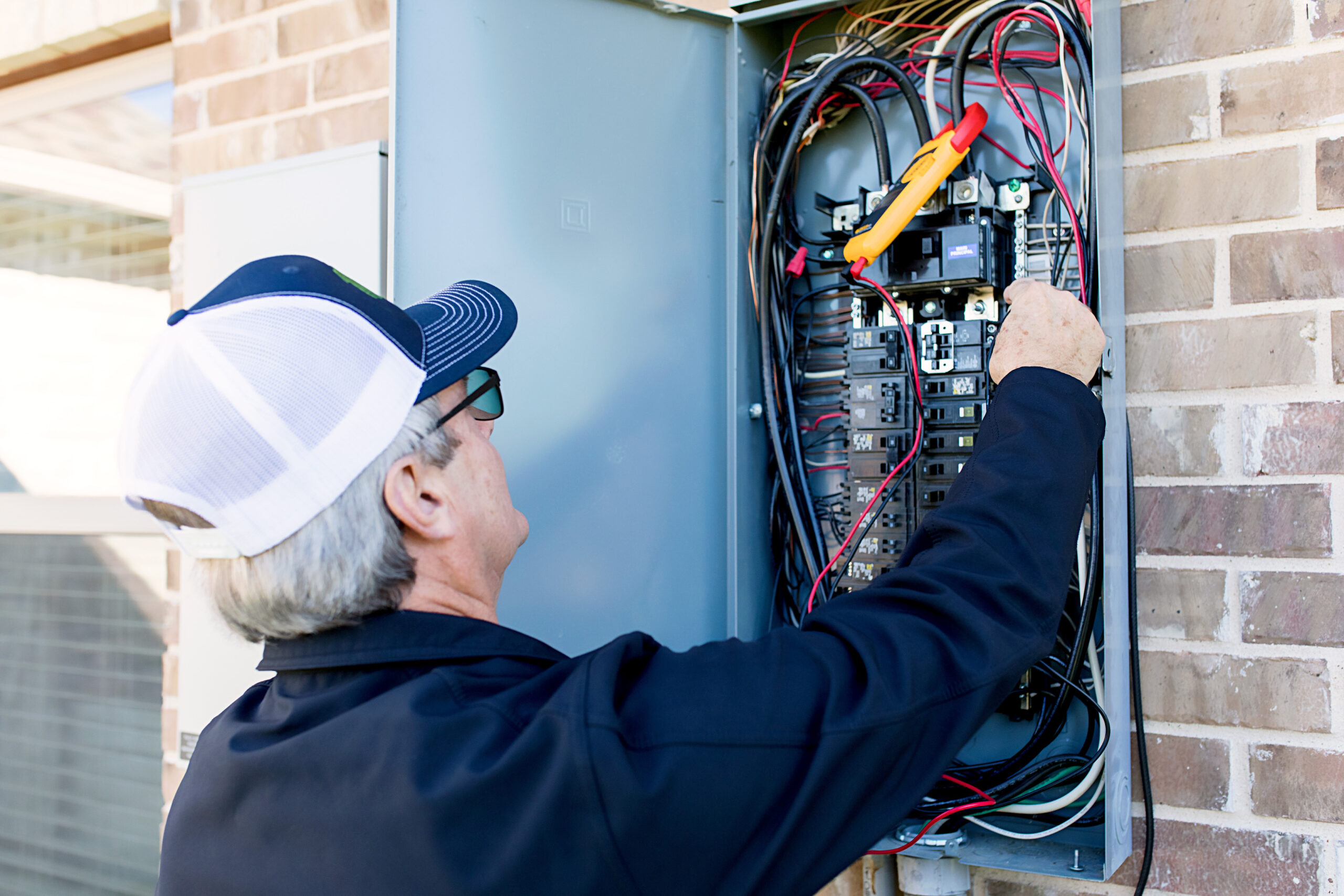
Malek electrician evaluating a residential electrical panel for whole-home surge protection

Why Evaluation Comes Before Installation

Whole-Home Surge Protection Should Match the Home’s Electrical System

The right surge protection solution depends on panel compatibility, available breaker space, grounding and bonding, installation location, connected equipment, and the type of electrical exposure the home may experience. A device should not be selected or installed without first reviewing how it will connect to the system.

Malek reviews the electrical panel, service equipment, grounding, available installation options, existing protection, and household priorities before explaining which whole-home surge protection setup makes practical sense.

Why Whole-Home Surge Protection Matters

Where Power Surges Can Come From—and What Whole-Home Protection Helps Cover

Power surges are not limited to direct lightning strikes. They can begin outside the home through utility activity or nearby storms, and they can also be created inside the home when motors, compressors, and large electrical equipment switch on and off.

Malek evaluates the electrical panel, grounding, installation options, connected equipment, and existing protection before recommending a whole-home surge protective device.

Utility Activity

Utility Switching and Grid Disturbances Can Send Voltage Spikes Into the Home

Routine utility operations, service restoration after outages, and changes elsewhere on the grid can create sudden voltage increases. A whole-home surge protector helps divert part of that excess energy before it reaches connected circuits.

Weather Exposure

Nearby Lightning Can Create Surges Without Striking the Home Directly

Lightning can affect utility lines, transformers, cable systems, and nearby electrical equipment. Even when the home is not directly struck, the resulting voltage event can travel through connected electrical paths.

Internal Sources

Large Motors and Appliances Can Create Smaller Repeated Surges

Air conditioners, refrigerators, pumps, generators, and other motor-driven equipment can create switching surges inside the home. These events are often smaller than lightning-related surges but may occur far more frequently.

Sensitive Equipment

Modern Electronics Can Be Vulnerable to Sudden Voltage Changes

HVAC control boards, appliances, televisions, computers, smart-home devices, security systems, and networking equipment contain electronics that may be affected by voltage spikes even when no obvious damage is visible immediately.

Backup Power

Backup Power and Corrosion Affect Multiple Components

Standby generators and transfer equipment add another source of electrical switching. Surge protection should be coordinated with the panel, generator system, grounding, and the home’s overall electrical setup.

Existing Protection

Plug-In Power Strips Protect Only the Devices Connected to Them

A plug-in surge strip may help protect selected electronics, but it does not cover hardwired equipment or every circuit. Whole-home protection provides a broader first layer at the electrical panel and can be combined with point-of-use protection for sensitive devices.

What to Expect

What Happens During Whole-Home Surge Protection Installation

Whole-home surge protection installation begins with evaluating the electrical panel, grounding, available breaker space, existing protection, and the home’s connected equipment. Malek then selects the appropriate installation approach, installs the approved device, and verifies that the system is operating as intended.

Evaluate the Electrical System

Review the Panel, Grounding, and Existing Protection

Your electrician reviews the panel, breaker availability, grounding and bonding, service equipment, existing surge devices, connected loads, and the practical installation options available for the home.

Select the Protection Approach

Match the Surge Device and Installation to the Home

Malek identifies the appropriate surge protective device, connection method, breaker requirements, mounting location, conductor routing, and any grounding, bonding, or panel conditions that should be addressed as part of the installation.

Prepare the Installation Area

Review Access, Power Interruption, and Installation Conditions

The electrician confirms safe access to the panel, reviews whether a brief power interruption will be needed, and explains any panel, grounding, or equipment conditions that may affect the installation.

Install the Surge Protective Device

Connect the Approved Device at the Electrical Panel

Power is safely managed, the approved whole-home surge protective device is mounted and connected, and the conductors and breaker arrangement are completed according to the agreed project scope and equipment requirements.

Verify Protection and Review

Confirm Device Status and Explain Ongoing Monitoring

The completed installation is checked, power is restored when needed, and the device’s status indicators are reviewed. Malek explains how to confirm that protection remains active and when the device may need evaluation or replacement.

Get Clear Answers About Whole-Home Surge Protection

Want Broader Protection for Appliances, Electronics, and Hardwired Systems?

Malek’s licensed electricians evaluate the electrical panel, grounding, available breaker space, installation conditions, existing protection, and the home’s connected equipment before explaining which whole-home surge protection setup makes practical sense.

Schedule Surge Protection Service

Serving Bryan–College Station and Northwest Houston

Why Choose Malek

Whole-Home Surge Protection With a Clearly Defined Plan

Whole-home surge protection should be selected and installed around the actual electrical system in the home. Malek’s licensed electricians review the panel, breaker space, grounding and bonding, installation conditions, existing protection, and connected equipment before defining the project scope.
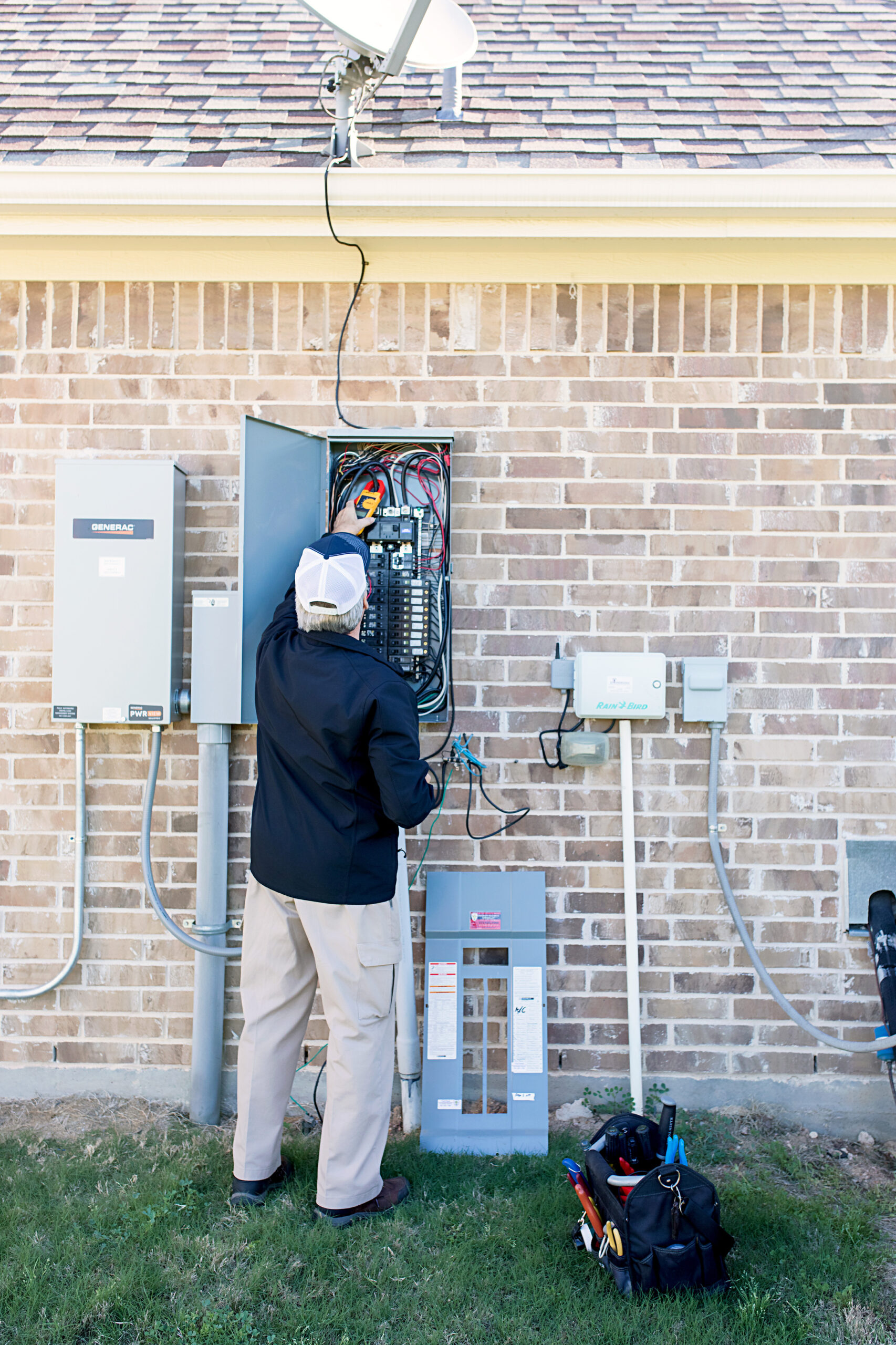
Malek electrician evaluating a residential electrical panel for whole-home surge protection
01

Protection Based on the Actual Electrical System

We evaluate panel compatibility, available breaker space, grounding, bonding, existing surge protection, connected loads, and installation conditions before recommending a whole-home surge protection solution.

02

A Complete Scope Before Installation Begins

We explain the proposed surge protective device, breaker requirements, mounting location, conductor routing, grounding or bonding work, installation timing, and any related electrical corrections before work begins.
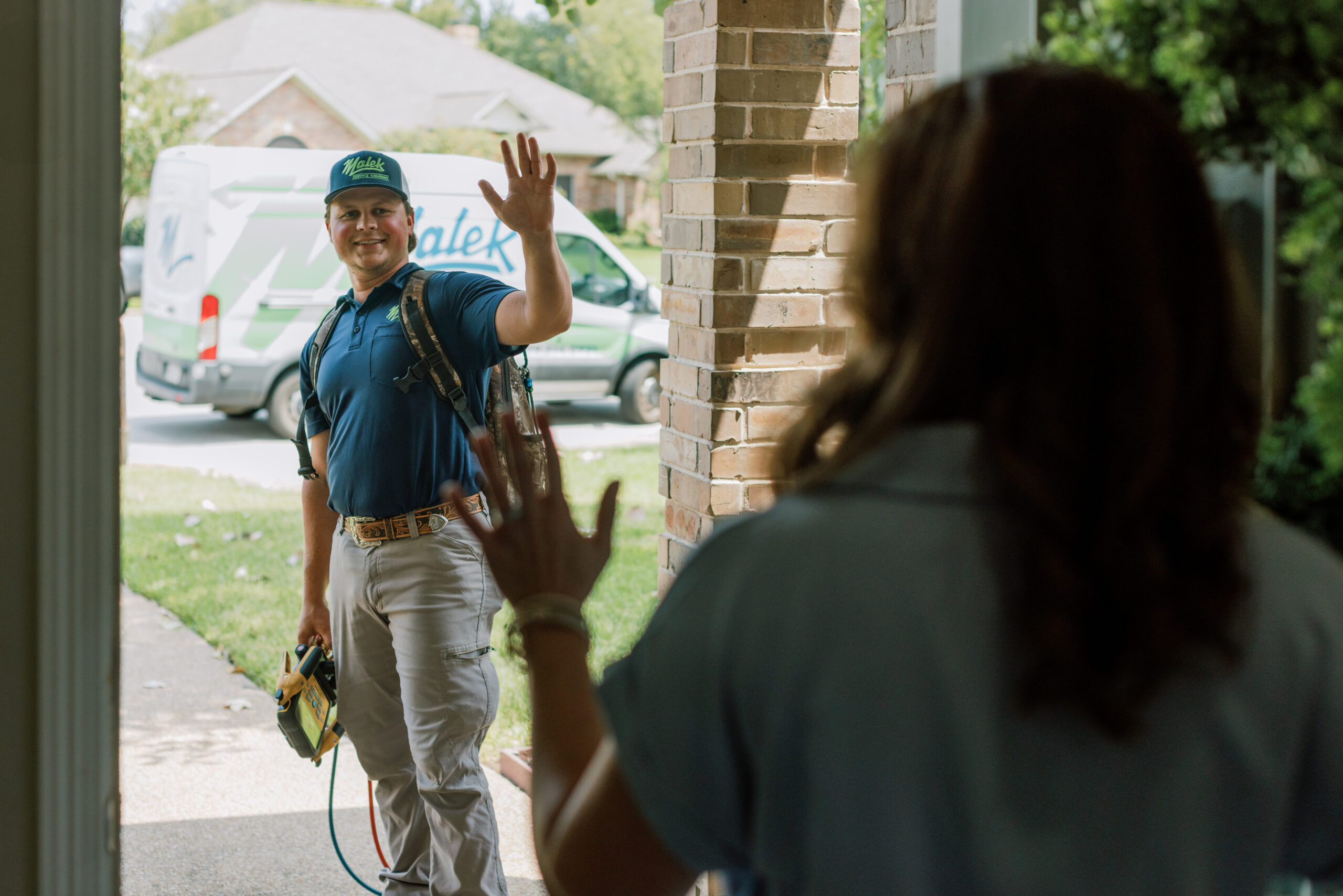
Malek service professional explaining whole-home surge protection options to a homeowner
03

Clear Guidance About Protection and Limitations

Whole-home surge protection can reduce exposure to many voltage spikes, but it does not prevent direct lightning damage or guarantee every connected device will survive every event. We explain what the system can and cannot do.

Beyond Whole-Home Surge Protection

Related Electrical Protection for the Needs of Your Home

Whole-home surge protection can reduce exposure to many voltage spikes, but it works best as part of a broader electrical protection strategy. The evaluation may also show that grounding, panel conditions, backup power, or related electrical repairs should be addressed.

Whole-home surge protection adds a layer of defense at the panel. It does not correct unsafe wiring, replace proper grounding, or eliminate the need for point-of-use protection on especially sensitive electronics.

Continue Learning

Learn More About Whole-Home Surge Protection

Whole-home surge protection is about more than buying a device. These resources explain when it makes sense, how it compares with power strips, what affects installation cost, and how surge protection fits into a broader electrical protection strategy.

02 Investment Guide

Whole-Home Surge Protection Investment Guide

Learn what influences installation cost, including panel compatibility, breaker requirements, grounding, installation conditions, surge device selection, and any related electrical work.

Explore the Investment Guide
03 Warning Signs Guide

Surge Protector vs. Power Strip

Understand the differences between plug-in power strips and whole-home surge protection, what each protects, and why many homes benefit from using both.

Compare the Options
Whole-Home Surge Protection FAQs

Questions Homeowners Ask About Whole-Home Surge Protection

Homeowners often ask how whole-home surge protection works, what it protects, whether it replaces power strips, how long it lasts, and what affects installation.

Whole-home surge protection helps reduce the impact of many voltage spikes reaching appliances, HVAC equipment, electronics, and other connected systems. It cannot guarantee protection from every electrical event. when the panel has widespread corrosion, recurring failures, extensive heat or arcing damage, obsolete equipment, unavailable compatible components, or a condition that cannot be corrected reliably with focused repair.

Customer Stories

Service People Remember.

Homeowners across Bryan–College Station and Northwest Houston trust Malek for clear explanations, careful diagnostics, and professionals who treat their homes with respect.

Protect Your Home. Understand What It Needs.

Stay ahead of unexpected HVAC, plumbing, and electrical problems with routine system checks, priority service, repair savings, and guidance from professionals who explain before they recommend.

Explore the Total Protection Plan

Plan Your Whole-Home Surge Protection With Confidence

Add a Broader Layer of Protection With a Clearly Defined Plan

Malek can evaluate the electrical panel, available breaker space, grounding and bonding, existing surge protection, connected equipment, installation conditions, and the home’s electrical exposure before explaining the appropriate whole-home surge protection setup.

Panel and installation evaluation Clear protection and limitation guidance Project scope explained before work begins
electrical-upgrades-for-home​s