
Professional Sewer Line Repair
Repair the Damage Behind Recurring Sewer Problems
Cracked, separated, blocked, or deteriorating sewer lines can cause recurring backups, slow drains, foul odors, and property damage. Malek identifies the location and extent of the problem, explains the available repair options, and restores reliable wastewater flow.
Professional sewer-line evaluation
Repair options clearly explained
Serving both Malek markets
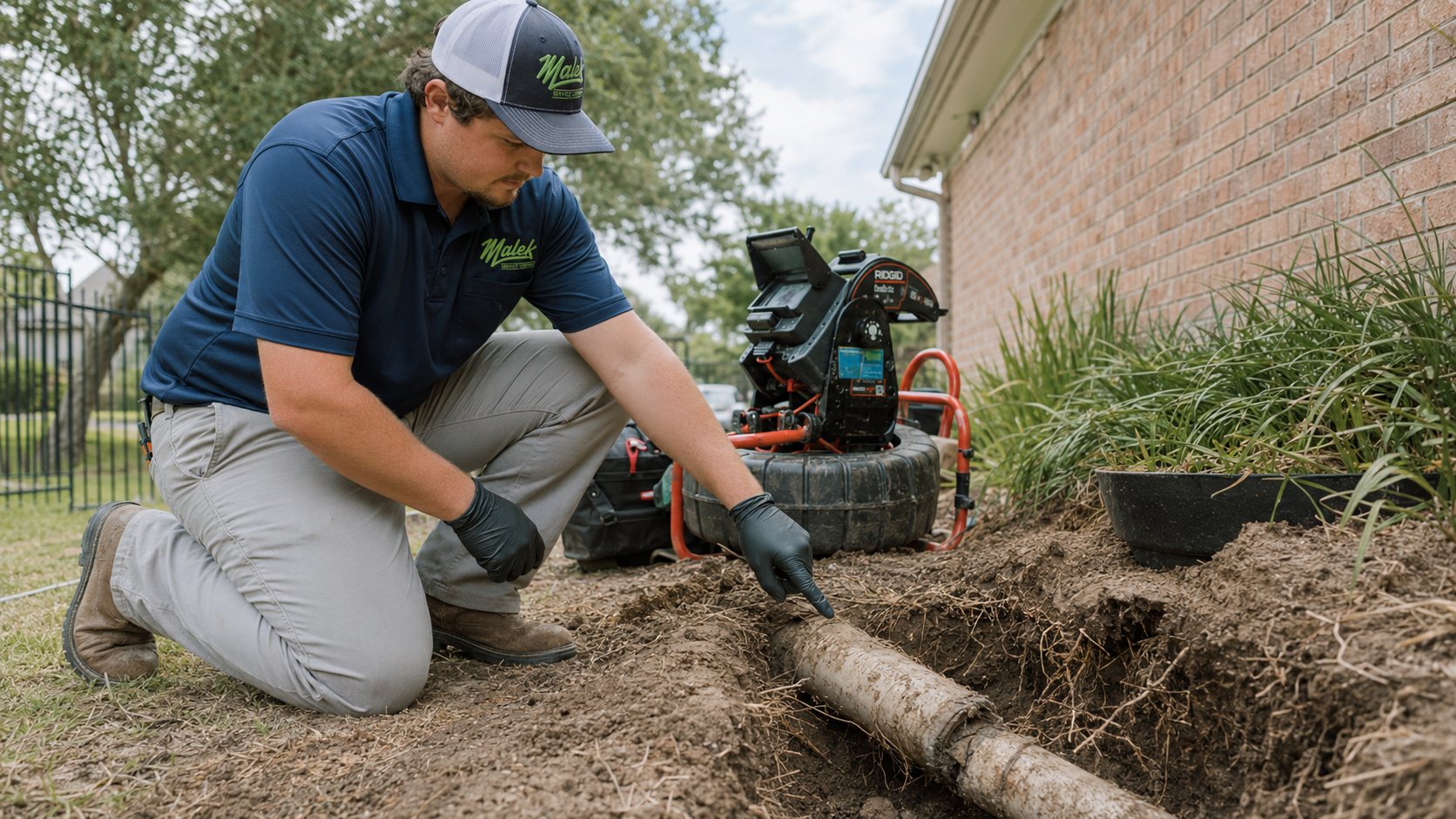
Confirm where the sewer line is damaged and which repair method fits the condition of the pipe.
Common Reasons to Schedule
Professional Sewer Line Repair
Repairing the Damage Behind Recurring Sewer Problems
Sewer problems are not always caused by a simple blockage. Cracks, separated joints, root intrusion, corrosion, collapsed sections, and poor pipe alignment can all interfere with reliable wastewater flow.
Part of our Drain Services solutions.
Repair the Cause, Not Just the Backup
A sewer-line evaluation helps determine where the damage is located and whether a targeted repair or broader solution makes the most sense.
Cracked Sewer Pipe Repair
Repair sections of sewer line affected by cracking, fractures, or age-related deterioration that allow wastewater or surrounding soil to enter or escape the pipe.
Separated or Offset Joint Repair
Correct damaged connections where pipe sections have shifted, separated, or become misaligned and are restricting flow or allowing soil and roots into the line.
Root-Damaged Sewer Lines
Address sewer sections where roots have entered through joints or cracks, repeatedly obstructing flow and placing additional stress on the pipe.
Collapsed or Severely Damaged Sections
Replace or reconstruct sections that can no longer support normal wastewater flow because the pipe has collapsed, crushed, or deteriorated beyond a routine repair.
Sagging or Poorly Sloped Sewer Lines
Evaluate low areas or improper slope that allow wastewater and debris to collect, contributing to recurring blockages and slow drainage.
Localized Sewer Line Damage
Complete targeted repairs when the affected section is limited, accessible, and the surrounding sewer line remains in serviceable condition.
Signs to Watch For
Signs Your Sewer Line May Need Repair
Sewer-line damage may first appear as a recurring drain problem rather than a visible break. Repeated backups, several slow fixtures, odors, yard changes, or problems that return after cleaning can all justify a closer evaluation.
One backup does not automatically mean the sewer line is damaged. Professional evaluation can help distinguish an ordinary blockage from roots, cracks, separation, collapse, or another structural problem.
Recurring Sewer Backups
A backup that returns after the line has been cleared may indicate roots, damaged pipe, poor alignment, or another condition that continues catching debris.
Several Slow Drains
When sinks, tubs, showers, or toilets throughout the home drain slowly at the same time, the restriction may be located in the main sewer line.
Gurgling Toilets or Drains
Gurgling, bubbling, or air movement through fixtures may occur when wastewater and air cannot move normally through a restricted or damaged sewer line.
Persistent Sewer Odors
Strong sewer smells inside the home or around the property may indicate trapped wastewater, a damaged line, an open joint, or another problem allowing sewer gases to escape.
Wet or Unusually Green Yard Areas
Damp soil, sunken areas, or unusually fast-growing grass over the sewer route may indicate wastewater escaping from a buried pipe.
Problems That Return After Cleaning
If professional cleaning restores flow only temporarily, a camera inspection or sewer-line evaluation may reveal structural damage that cleaning alone cannot correct.
Know What’s Happening in Your Home.
Not Sure Whether the Sewer Is Blocked or Damaged?
Malek can evaluate the symptoms, inspect the sewer line, and explain whether cleaning, a targeted repair, trenchless service, or another next step makes the most sense.
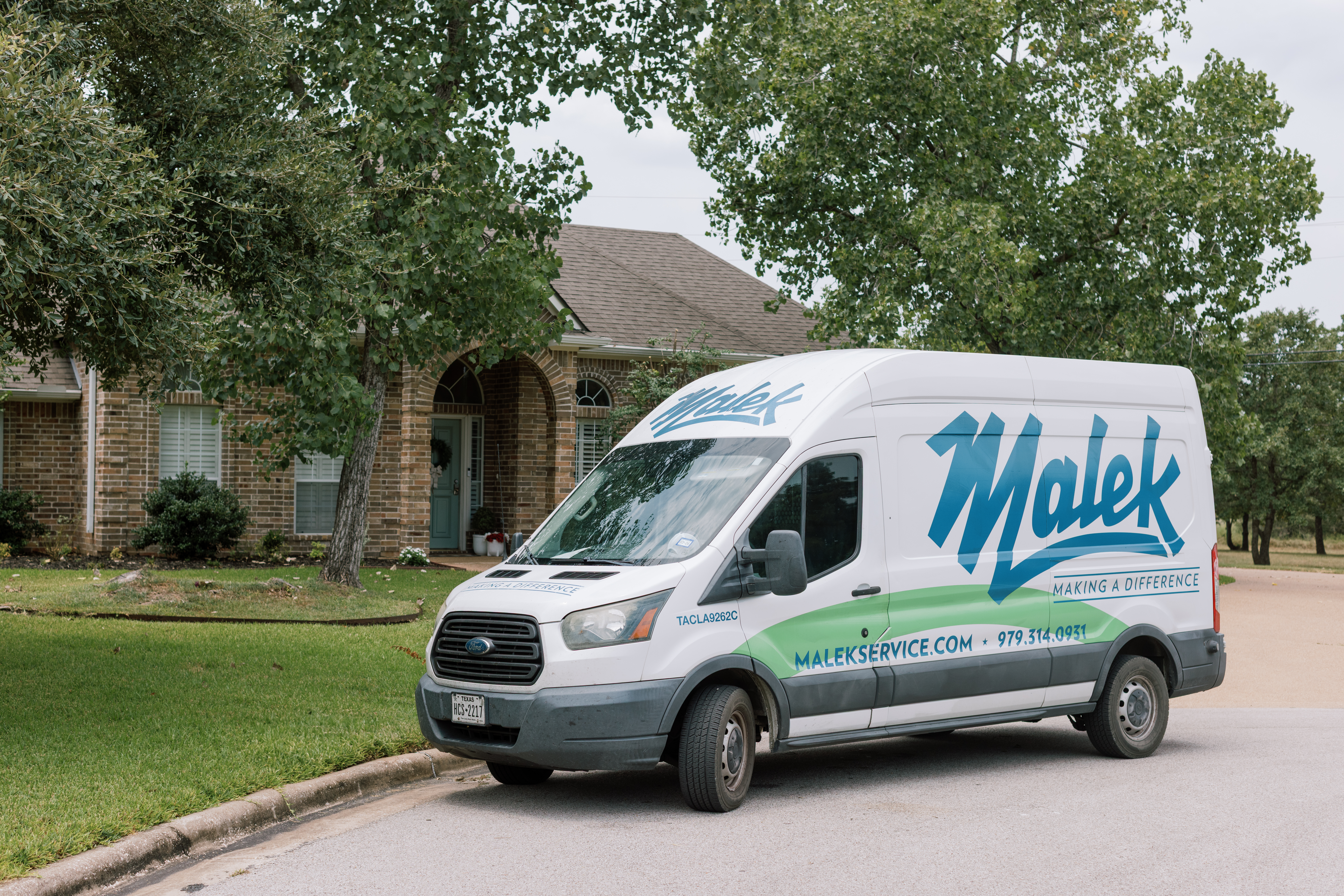
Why Diagnosis Comes First
The Backup May Not Reveal Where the Sewer Line Is Damaged
Wastewater can back up through the lowest available fixture even when the damaged section is farther downstream. The place where symptoms appear is not always where the sewer problem began.
Malek evaluates the drainage pattern and condition of the sewer line before recommending excavation, a localized repair, trenchless service, or a broader replacement approach.
Common Sewer-Line Problems
What Can Cause a Sewer Line to Fail
A sewer line may stop working properly because of one damaged section, gradual material deterioration, ground movement, root intrusion, or a combination of conditions.
Identifying what is affecting the pipe helps determine whether the problem calls for cleaning, a localized repair, trenchless service, or broader replacement.
Separated or Misaligned Connections
Ground movement, poor installation, or long-term stress can cause sewer-pipe sections to shift or separate, creating edges that catch waste and openings that allow soil or roots into the line.
Tree-Root Intrusion
Roots can enter through small cracks or loose joints and continue growing inside the pipe, restricting wastewater flow and placing additional pressure on the damaged section.
Cracking and Material Deterioration
Aging cast iron, clay, Orangeburg, and other older materials may corrode, weaken, crack, deform, or lose structural integrity after years of exposure to wastewater and surrounding soil.
Shifting or Settling Soil
Expanding, contracting, or settling soil can place uneven pressure on a buried sewer line, contributing to offset joints, cracks, changes in slope, and collapsed sections.
Sagging or Improper Pipe Slope
A low section of pipe can hold wastewater and debris instead of allowing it to move toward the municipal sewer or septic system, leading to repeated restrictions and backups.
Collapse, Crushing, or External Damage
Heavy equipment, excavation, construction activity, severe soil pressure, or advanced deterioration can crush or collapse a sewer section and prevent normal wastewater flow.
What to Expect
What Happens During Professional Sewer Repair
The goal is to understand where the sewer line is damaged, how much of the pipe is affected, and which repair method makes sense before excavation or replacement work begins.
Start With the Symptoms
Review the Drainage Problem
Your technician will ask which fixtures are affected, how often the problem occurs, whether the line has been cleaned before, and what changes you have noticed inside or outside the home.
Evaluate the Line
Inspect the Sewer System
Accessible cleanouts, drainage flow, pipe routing, yard conditions, and available inspection findings are reviewed to determine where the problem is most likely located.
Confirm the Condition
Locate and Assess the Damage
The technician evaluates the suspected section for cracks, separation, root intrusion, corrosion, sagging, collapse, or another condition affecting wastewater flow.
Choose the Repair Path
Explain the Available Options
Malek will explain whether a localized repair, traditional excavation, trenchless service, or broader sewer-line replacement appears appropriate for the condition of the pipe.
Restore Reliable Flow
Complete and Verify the Repair
After the affected section is repaired, the line is checked to confirm that wastewater can move properly and that the repaired area is functioning as intended.
Understand the Damage First
Not Sure Whether the Sewer Line Needs Repair?
Malek can evaluate the drainage pattern, inspect the condition of the sewer line, and explain whether the problem calls for cleaning, a localized repair, trenchless service, or a broader replacement approach.
Serving Bryan–College Station and Northwest Houston
Why Choose Malek
Sewer Line Repairs You Can Feel Confident About
Sewer problems require an accurate diagnosis and the right repair—not another temporary fix. Malek’s licensed plumbers identify the affected section, explain the available options, and recommend an approach suited to the condition and location of the line.
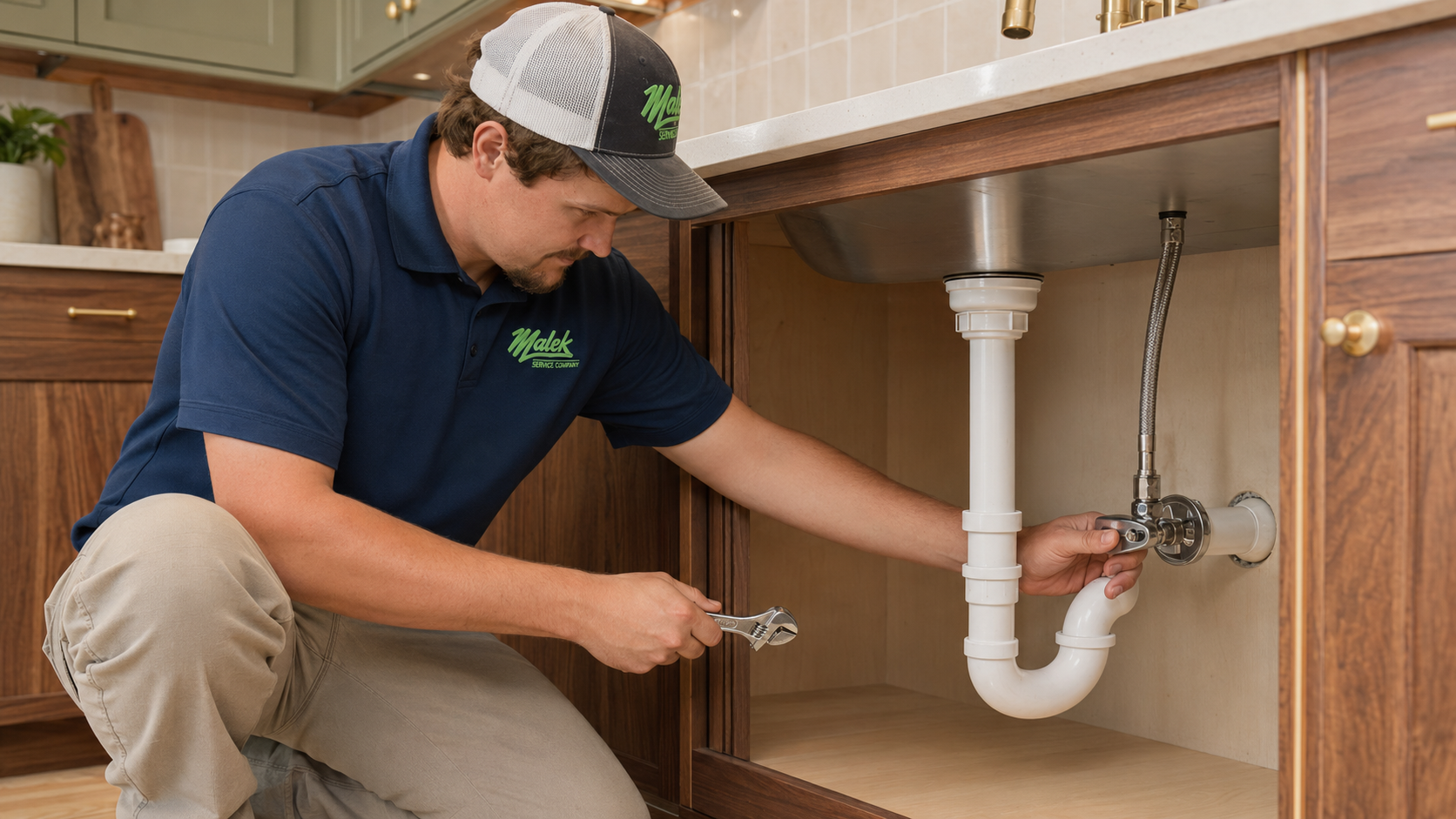
Accurate Sewer-Line Diagnosis
We evaluate the drainage symptoms, identify the likely damaged section, and determine whether roots, cracking, separation, poor slope, corrosion, or another condition is affecting the line.
Licensed Repair Expertise
Our licensed plumbers repair damaged sewer lines using materials and methods suited to the pipe condition, failure location, accessibility, and surrounding property.
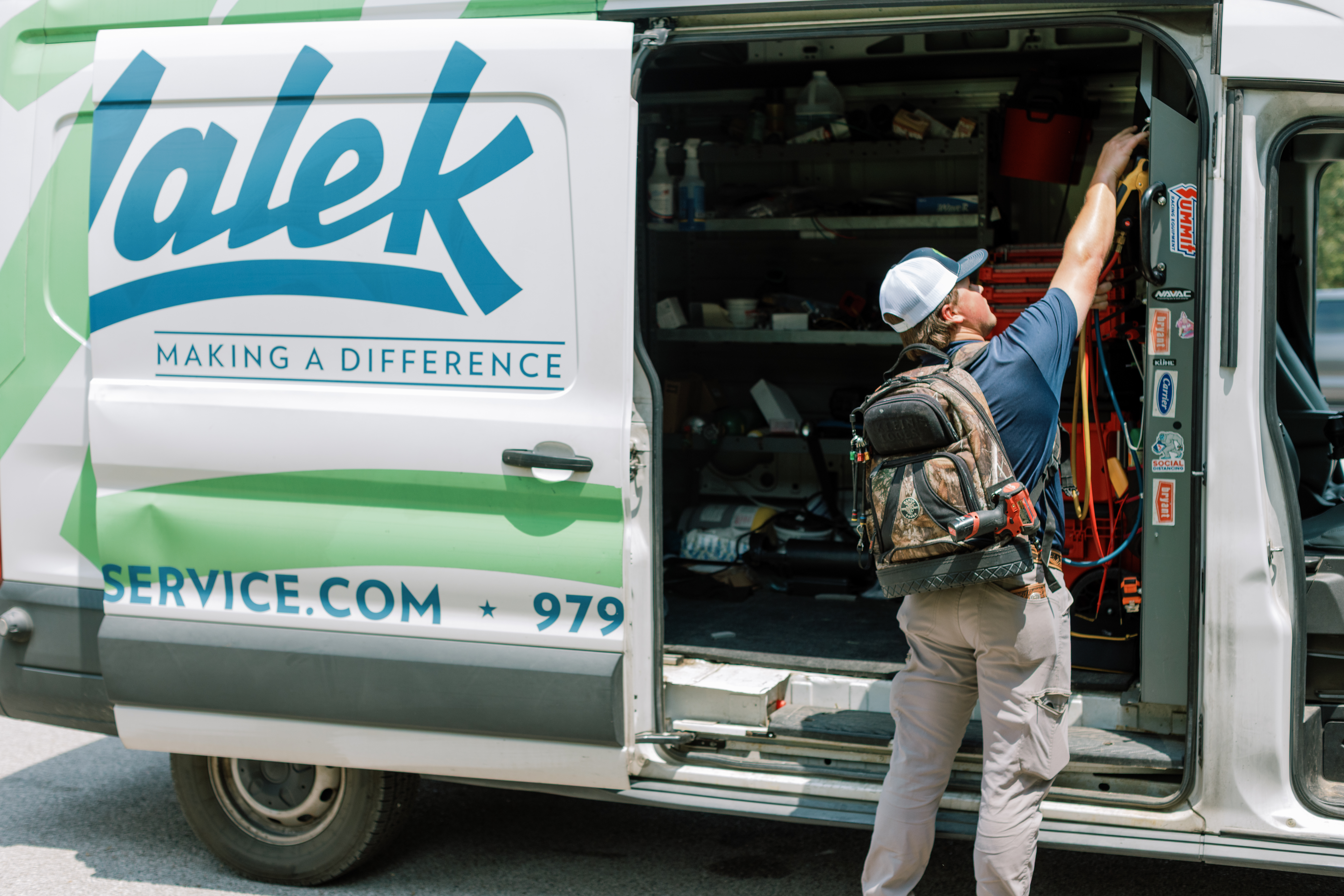
Clear, Responsible Recommendations
We explain what was found and whether cleaning, a targeted repair, trenchless service, sectional replacement, or full replacement offers the most practical long-term solution.
Not Sure Which Sewer Repair Makes Sense?
Describe the symptoms you have noticed. Malek can inspect the sewer system, explain the extent of the problem, and help you understand which repair or replacement path fits the condition of the line.
Choosing the Right Sewer Solution
Not Every Sewer Problem Requires the Same Repair
Some sewer problems can be resolved by clearing a blockage or repairing one damaged section. Others involve widespread deterioration, root intrusion, poor slope, or collapse that may require trenchless service or broader replacement.
A sewer backup does not automatically mean the entire line needs to be replaced. The cause, location, pipe material, accessibility, and extent of damage all matter.
Continue Learning
Understand the Sewer Problem Before Choosing a Repair
Learn how cleaning differs from repair, what affects the cost of damaged drain and sewer lines, and which symptoms may point to a structural problem.
Drain Cleaning or Drain Repair?
Compare the signs of ordinary buildup with warning signs that may point to roots, cracking, separation, corrosion, poor slope, or another physical problem affecting the line.
Read the Decision Guide →What Affects the Cost of Drain and Sewer Repair?
Understand how the damage location, pipe material, accessibility, repair method, excavation requirements, and restoration needs can affect the investment.
When Is Sewer Repair Necessary?
Learn which recurring backups, odors, slow drains, yard changes, and inspection findings may indicate damage that cleaning alone cannot correct.
Want to Keep Learning?
Explore More Homeowner Resources
Visit the Malek Learning Center for more decision guides, investment guides, and practical articles about drain, sewer, plumbing, HVAC, and electrical systems.
Continue Learning →Sewer Repair FAQs
Questions Homeowners Often Ask Before Scheduling
Sewer problems can be difficult to distinguish from an ordinary clog. These answers explain the warning signs, how the line is evaluated, and what may happen when structural damage is found.
Possible signs include recurring backups, several slow drains, gurgling fixtures, persistent sewer odors, wet or unusually green areas in the yard, or a blockage that returns after the line has been cleaned. An inspection is needed to determine whether the problem is a clog or physical pipe damage.
No. A backup may be caused by grease, debris, paper, roots, or another obstruction that can be cleared. Repair becomes more likely when the line has cracks, separated joints, corrosion, poor slope, collapse, or another condition that cleaning cannot correct.
The process may include reviewing the drainage pattern, evaluating accessible cleanouts, checking the likely sewer route, and inspecting the interior of the line when appropriate. The goal is to locate the affected section and determine whether roots, cracking, separation, sagging, corrosion, or collapse is involved.
Sometimes. A localized repair may be appropriate when the damage is limited to one accessible section and the surrounding pipe remains in serviceable condition. Widespread deterioration, repeated failures, poor slope, or multiple damaged areas may make broader replacement more practical.
Traditional sewer repair may require excavation to reach the damaged section. The amount of digging depends on the pipe location, depth, accessibility, and extent of damage. Some sewer lines may qualify for a trenchless method that reduces surface disruption.
Traditional repair exposes the damaged pipe through excavation. Trenchless methods repair or replace qualifying buried sewer lines through smaller access points. The appropriate method depends on the pipe material, alignment, depth, damage, access, and surrounding property conditions.
Timing depends on the location and depth of the line, the amount of damage, the selected repair method, access conditions, permitting requirements, and any restoration needed afterward. Malek should explain the expected timeline once the line has been evaluated and the repair scope is clear.
Yes. Malek provides sewer-line evaluation and repair for homeowners in Bryan–College Station and Northwest Houston. Appointment availability and applicable repair methods may vary by location, property conditions, and project scope.
Customer Stories
Service People Remember.
Homeowners across Bryan–College Station and Northwest Houston trust Malek for clear explanations, careful diagnostics, and professionals who treat their homes with respect.
Posted on GoogleTrustindex verifies that the original source of the review is Google. He did a great job getting my heat back up running and explaining to me what I need to do with the new thermostat . No charge cause I have the maintenance agreement.Posted on GoogleTrustindex verifies that the original source of the review is Google. Excellent service from Malek. Michael has been out before to both home and business and has always been very professional and helpful. Would definitely recommend in B/CS.Posted on GoogleTrustindex verifies that the original source of the review is Google. Daniel was great - willing to explain the situation and the options for fixing. Extremely kind and patient with us! Was able to come out same day and get the issue solved quickly. Highly revPosted on GoogleTrustindex verifies that the original source of the review is Google. GreatPosted on GoogleTrustindex verifies that the original source of the review is Google. Quick and professional. Didn’t leave a mess. Heating went out during cold snap. Came out the next day and fixed the problem quickly. Very satisfied.Posted on GoogleTrustindex verifies that the original source of the review is Google. Marshall did a thorough job on maintenance inspection, explaining the findings, and providing the mitigating options.
Protect Your Home. Understand What It Needs.
Stay ahead of unexpected HVAC, plumbing, and electrical problems with routine system checks, priority service, repair savings, and guidance from professionals who explain before they recommend.
Explore the Total Protection Plan →Know What’s Happening in Your Home
Get Clear Answers About Your Sewer Line
Malek can evaluate the symptoms, inspect the sewer system, explain what is affecting the line, and help you understand whether cleaning, repair, trenchless service, or replacement makes the most sense.