Trenchless Sewer Repair & Replacement

Restore a Damaged Sewer Line With Less Excavation

Certain buried sewer lines can be repaired or replaced through smaller access points instead of opening a long trench across the property. Malek evaluates the pipe condition, explains whether trenchless service is appropriate, and helps you understand the available options.

Qualification-first evaluation

Reduced excavation when applicable

Serving both Malek markets
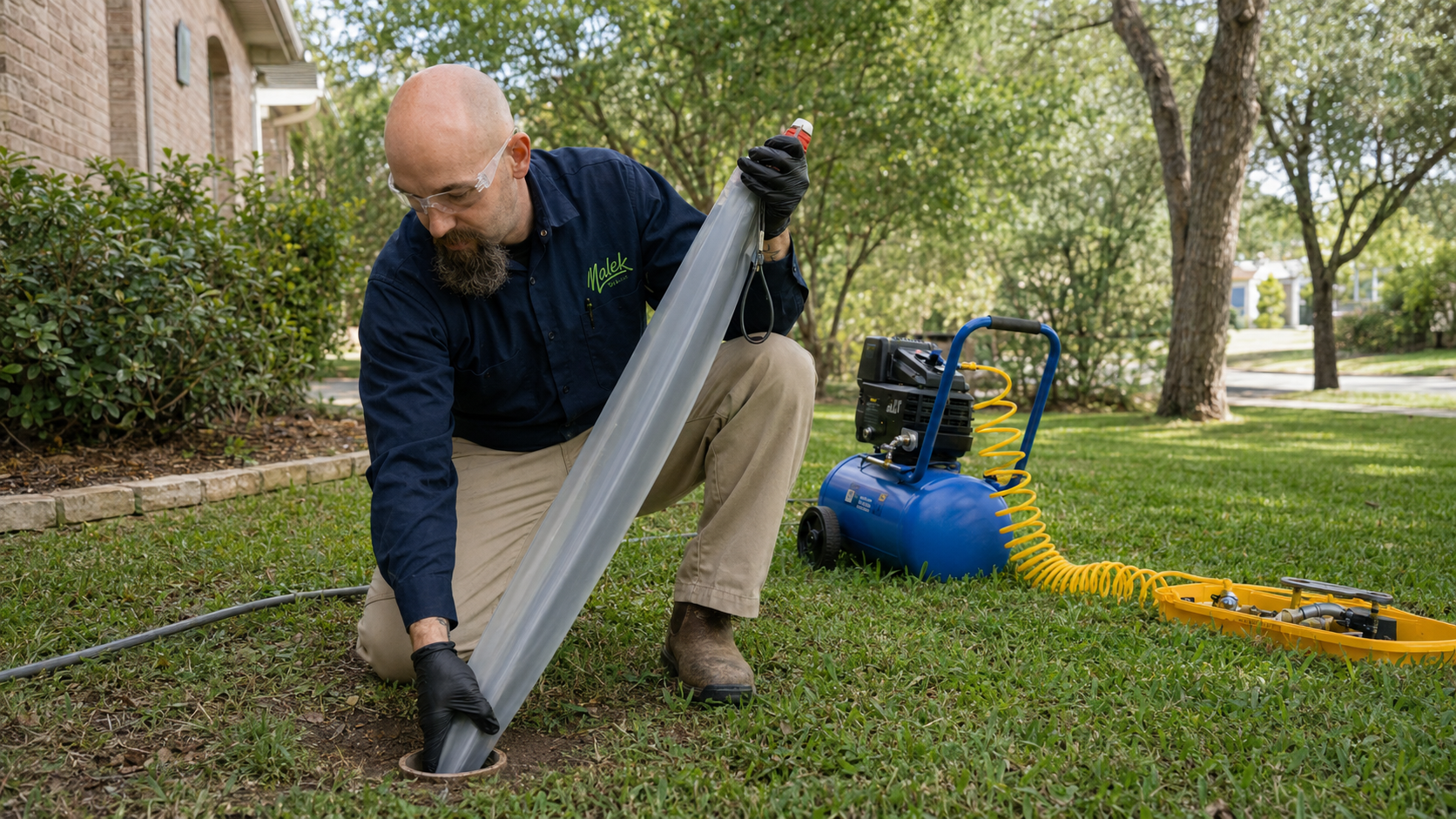
Malek plumber completing trenchless sewer-line work through a controlled access point
Smaller Access Points

Qualifying sewer lines may be restored without opening a full trench across the property.

Common Reasons to Consider Trenchless Service
Cracked or deteriorating sewer pipe Repeated roots or recurring backups Pipe beneath landscaping or hardscape Need to limit surface disruption
Not every damaged sewer line qualifies for trenchless service. Pipe condition, alignment, material, access, and surrounding property conditions must be evaluated first.

Trenchless Sewer Solutions

Repairing or Replacing Buried Sewer Lines With Less Excavation

Trenchless methods can restore certain damaged sewer lines through smaller access points instead of opening a continuous trench across the yard, driveway, or landscaping.

Qualification Comes First

Pipe condition, alignment, material, depth, access, and the type of damage must be evaluated before a trenchless method can be recommended.

01

Trenchless Sewer-Line Evaluation

Inspect the sewer line and review the pipe material, damage, alignment, access points, depth, and surrounding property conditions to determine whether trenchless service is appropriate.

02

Trenchless Pipe Lining

Install a new structural lining inside a qualifying existing sewer pipe to seal cracks, reinforce the damaged section, and create a smoother interior pathway for wastewater.

03

Pipe Bursting Replacement

Replace a severely damaged buried sewer line by breaking apart the existing pipe while pulling a new line into place through controlled access points.

04

Sectional Trenchless Repair

Restore a limited damaged portion of sewer pipe when the surrounding line remains serviceable and the affected section is suitable for a targeted trenchless repair.

05

Reduced-Excavation Sewer Replacement

Replace longer sections of qualifying sewer line while reducing the amount of open trenching needed across lawns, landscaping, walkways, or other finished areas.

06

Traditional Repair When Trenchless Is Not Suitable

Explain when excavation remains the safer or more practical option because of a collapsed pipe, severe offset, poor slope, restricted access, unsuitable material, or another site condition.

Signs to Watch For

Signs a Sewer Line May Need Trenchless Repair or Replacement

Trenchless service is considered when the sewer line has physical damage that cleaning alone cannot correct. The symptoms may appear inside the home, outside in the yard, or through problems that keep returning after other service.

These signs do not automatically mean trenchless service is the right solution. The pipe material, alignment, slope, depth, damage, access points, and surrounding property conditions must be evaluated first.

Backups That Keep Returning

A sewer backup that comes back after professional cleaning may indicate roots, cracks, separation, deterioration, or another structural condition inside the pipe.

Repeated Root Intrusion

Roots that repeatedly enter through cracks or loose joints may continue causing restrictions until the damaged pipe section is repaired or replaced.

Cracked or Deteriorating Sewer Pipe

Camera findings may reveal cracking, corrosion, missing pipe material, weakened joints, or gradual deterioration that cleaning cannot correct.

Damage Beneath Finished Areas

A sewer line beneath established landscaping, a driveway, walkway, patio, or another finished area may be worth evaluating for a reduced-excavation method.

Multiple Damaged Sections

Widespread cracks, failing joints, corrosion, or recurring problem areas may make broader sewer-line rehabilitation or replacement more practical than another isolated repair.

A Need to Limit Surface Disruption

Homeowners may ask about trenchless options when traditional excavation would significantly affect lawns, landscaping, hardscaping, access routes, or other established areas.

Know What’s Happening in Your Home.

Not Sure Whether Your Sewer Line Qualifies?

Malek can inspect the line, evaluate the damage and property conditions, and explain whether trenchless repair, trenchless replacement, traditional excavation, or another approach makes sense.

Trenchless sewer replacement completed through controlled access points

Why Evaluation Comes First

Less Excavation Does Not Mean Skipping the Diagnosis

Trenchless repair and replacement can reduce disruption, but only when the existing pipe, damage, alignment, depth, access points, and surrounding property conditions support the method.

Malek evaluates the sewer line first, then explains whether pipe lining, pipe bursting, a sectional repair, or traditional excavation offers the most practical long-term solution.

Qualification Factors

What Determines Whether Trenchless Service Will Work

Trenchless sewer repair and replacement can reduce excavation, but the method must match the condition of the existing pipe and the physical layout of the property.

Malek evaluates the sewer line, access points, damage, alignment, and surrounding conditions before recommending lining, pipe bursting, or a traditional repair.

Inside the Pipe

Type and Extent of Damage

Cracks, root intrusion, corrosion, separated joints, missing pipe material, or widespread deterioration may affect whether the line can be rehabilitated or must be replaced.

Pipe Structure

Existing Pipe Material

Clay, cast iron, concrete, PVC, Orangeburg, and other materials respond differently to lining and pipe-bursting methods. The existing material must be identified before the repair path is selected.

Pipe Position

Alignment and Remaining Shape

A pipe that retains its basic shape may qualify for lining, while a severely collapsed, flattened, offset, or displaced line may require another repair or replacement method.

Drainage Performance

Slope and Flow Conditions

Trenchless methods can address damaged pipe walls, but they do not automatically correct every sag, belly, poor slope, or elevation problem affecting gravity drainage.

At Each End

Available Access Points

Cleanouts, connection points, excavation areas, pipe depth, and the ability to position equipment all affect whether lining or pipe-bursting work can be completed safely.

Around the Line

Property and Utility Conditions

Nearby utilities, foundations, landscaping, retaining walls, driveways, soil conditions, and property boundaries may influence the safest and most practical repair method.

What to Expect

What Happens During Trenchless Sewer Repair or Replacement

Trenchless work begins with confirming that the sewer line and property conditions support the method. Malek evaluates the system, explains the recommended approach, and verifies performance after the work is completed.

Understand the Existing Problem

Evaluate the Sewer Line

The technician reviews the drainage symptoms, prior repairs, cleaning history, pipe route, access points, and available inspection findings to understand the current condition.

Confirm Method Compatibility

Determine Whether the Line Qualifies

Pipe material, alignment, slope, diameter, damage, depth, access, surrounding utilities, and property conditions are considered before a trenchless method is recommended.

Prepare the Work Area

Establish Controlled Access

Existing cleanouts may be used when appropriate, or limited access points may be created so the equipment, liner, or replacement pipe can reach the affected sewer line.

Restore the Damaged Line

Complete the Trenchless Work

Depending on the approved method, a structural liner may be installed inside the existing pipe or a new sewer line may be pulled into place as the damaged pipe is displaced.

Confirm the Result

Inspect, Test, and Restore Access Areas

The completed line is checked for proper installation and flow. Access areas are addressed as included in the project scope, and Malek explains the completed work and any follow-up guidance.

Confirm the Right Method First

Not Sure Whether Your Sewer Line Qualifies for Trenchless Service?

Malek can inspect the sewer line, evaluate the pipe condition and property layout, and explain whether lining, pipe bursting, traditional excavation, or another repair approach makes the most sense.

Schedule a Sewer Evaluation

Serving Bryan–College Station and Northwest Houston

Why Choose Malek

Trenchless Sewer Solutions You Can Feel Confident About

Trenchless sewer work requires careful evaluation and specialized expertise. Malek’s licensed plumbers assess the condition of the line, determine whether a reduced-excavation method is appropriate, and explain the recommended solution before work begins.
01

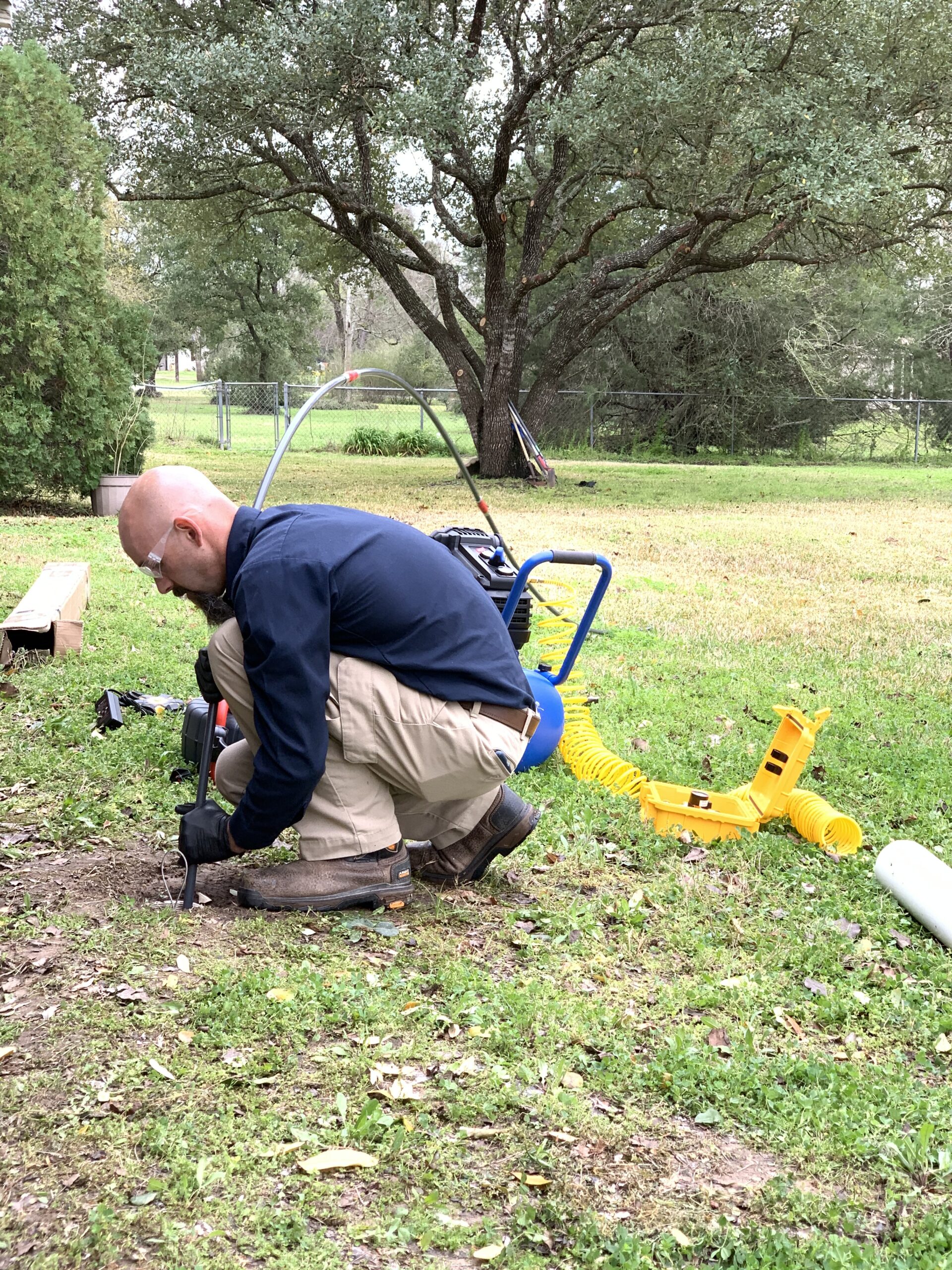
Thorough Sewer-Line Evaluation

We inspect the existing line, identify the damage, and evaluate the pipe material, alignment, slope, access, and property conditions before recommending trenchless service.
02

Specialized Trenchless Expertise

Our licensed plumbers use proven lining, pipe-bursting, and reduced-excavation methods when the sewer line and property conditions support a dependable long-term repair.
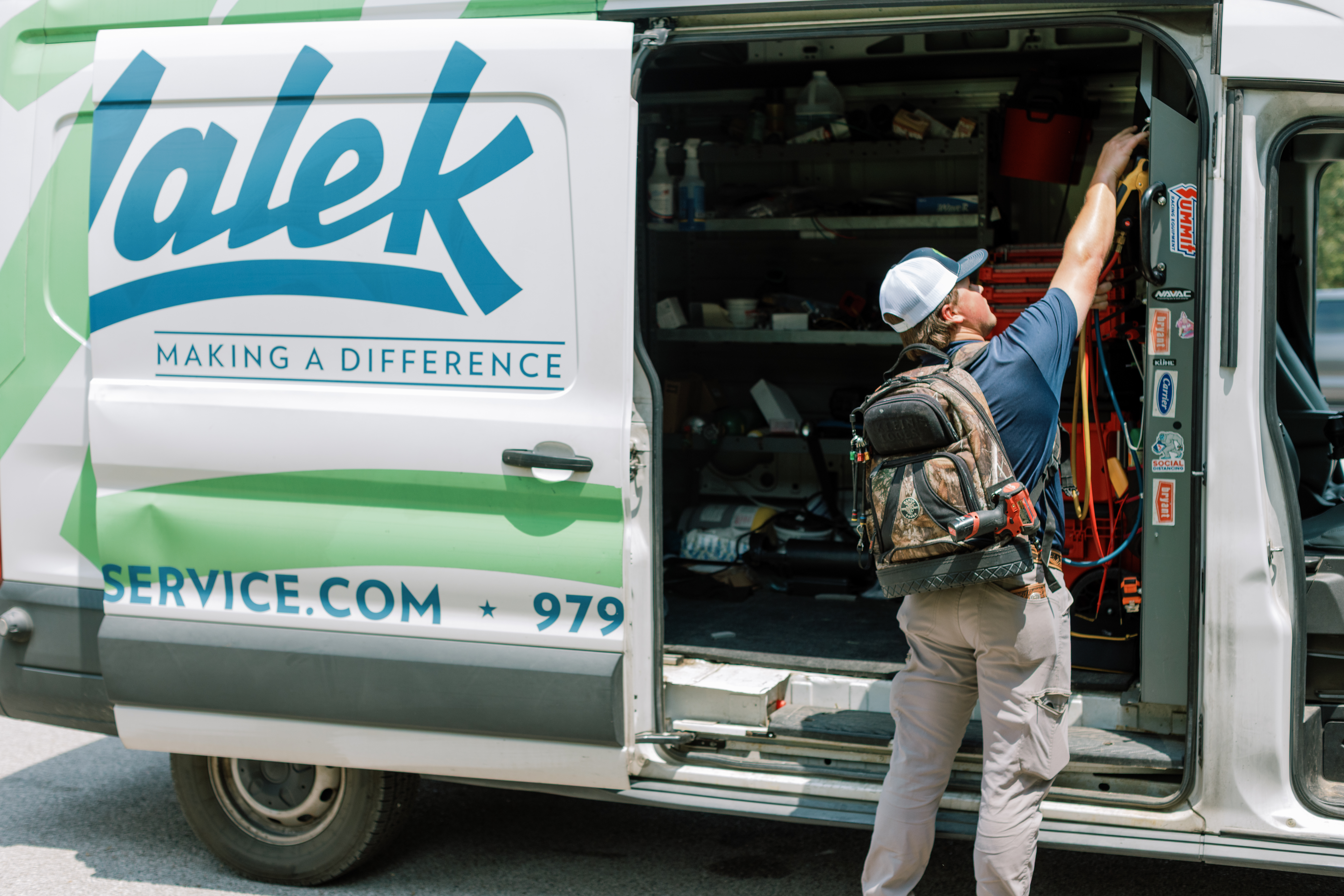
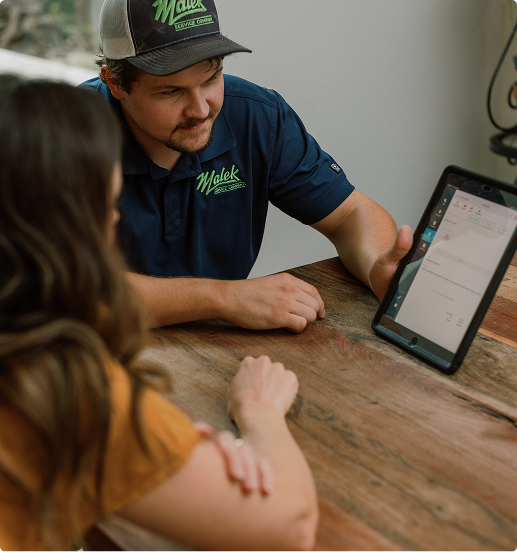
Malek plumber explaining trenchless sewer repair and replacement options to a homeowner
03

Clear, Responsible Recommendations

We explain whether trenchless lining, pipe bursting, targeted repair, or traditional excavation offers the most practical solution based on the condition of your sewer line.

Trenchless Sewer FAQs

Questions Homeowners Often Ask Before Scheduling

Trenchless sewer service can reduce excavation, but it is not the right method for every damaged line. These answers explain how qualification works, what the methods involve, and what homeowners should expect.

Trenchless sewer repair uses controlled access points to repair or replace a qualifying buried sewer line without opening a continuous trench across the property. Depending on the line, the method may involve installing a structural liner or pulling a new pipe into place.

Customer Stories

Service People Remember.

Homeowners across Bryan–College Station and Northwest Houston trust Malek for clear explanations, careful diagnostics, and professionals who treat their homes with respect.

Protect Your Home. Understand What It Needs.

Stay ahead of unexpected HVAC, plumbing, and electrical problems with routine system checks, priority service, repair savings, and guidance from professionals who explain before they recommend.

Explore the Total Protection Plan

Know What’s Happening in Your Home

Find Out Whether Trenchless Sewer Service Makes Sense

Malek can evaluate the sewer line, explain the damage and property conditions, and help you understand whether trenchless lining, pipe bursting, traditional repair, or another solution is appropriate.

Qualification-first evaluation Repair methods clearly explained Reduced excavation when appropriate