Schedule Service
Schedule Service

Professional Duct Repair

Repair Damaged Ductwork Before It Keeps Affecting Your Comfort

Crushed, torn, disconnected, sagging, or deteriorated ductwork can reduce airflow and make certain rooms harder to heat or cool. Malek evaluates the affected duct sections, explains what is damaged, and helps you understand whether a targeted repair can restore proper air distribution.

Damaged sections evaluated

Airflow concerns reviewed

Findings explained before repair
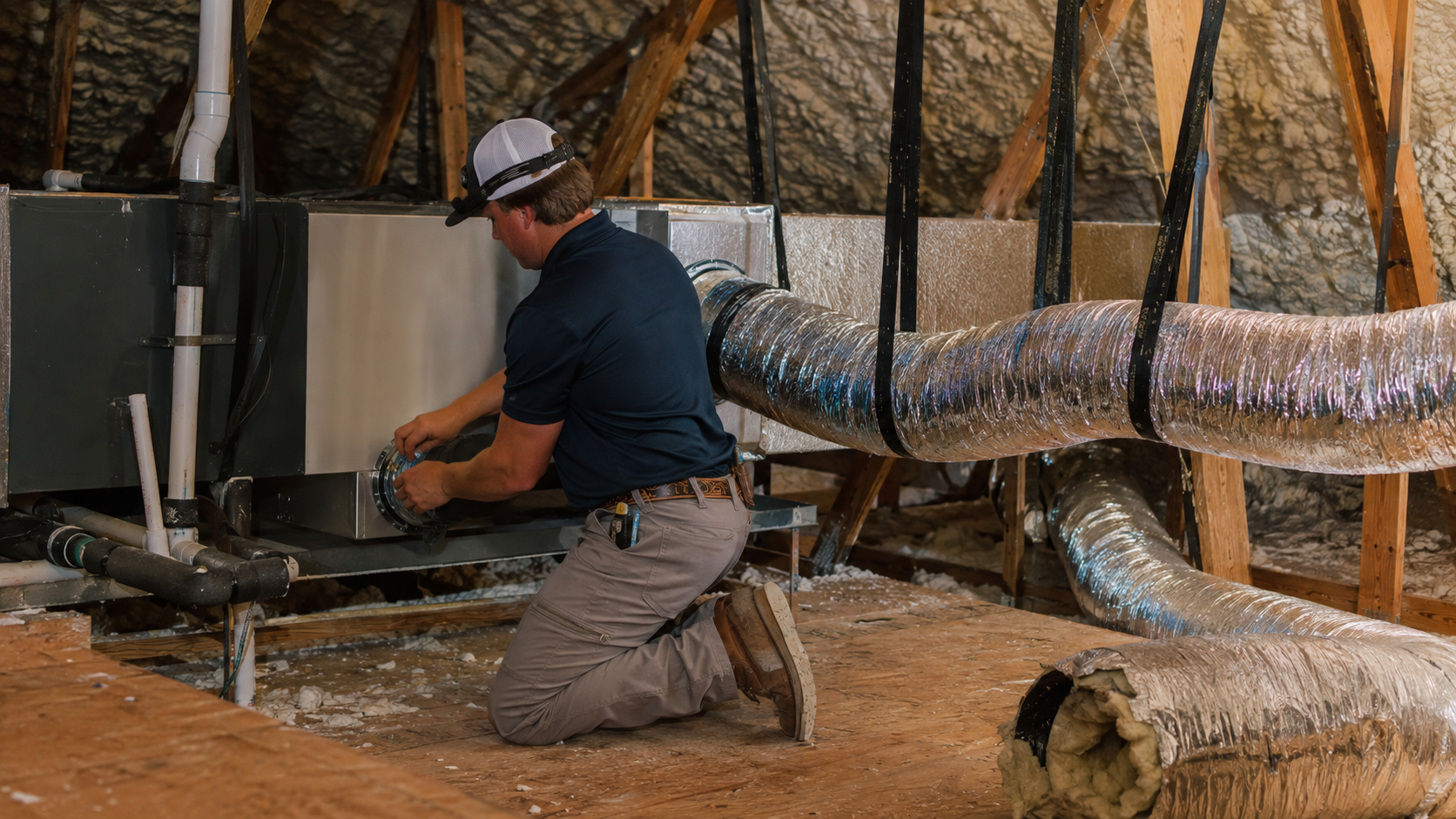
Residential ductwork being inspected for damage and repair
Duct Repair Is About Correcting Physical Damage

Repair focuses on damaged, disconnected, crushed, torn, or deteriorated duct sections that are interfering with airflow.

What Duct Repair Can Address
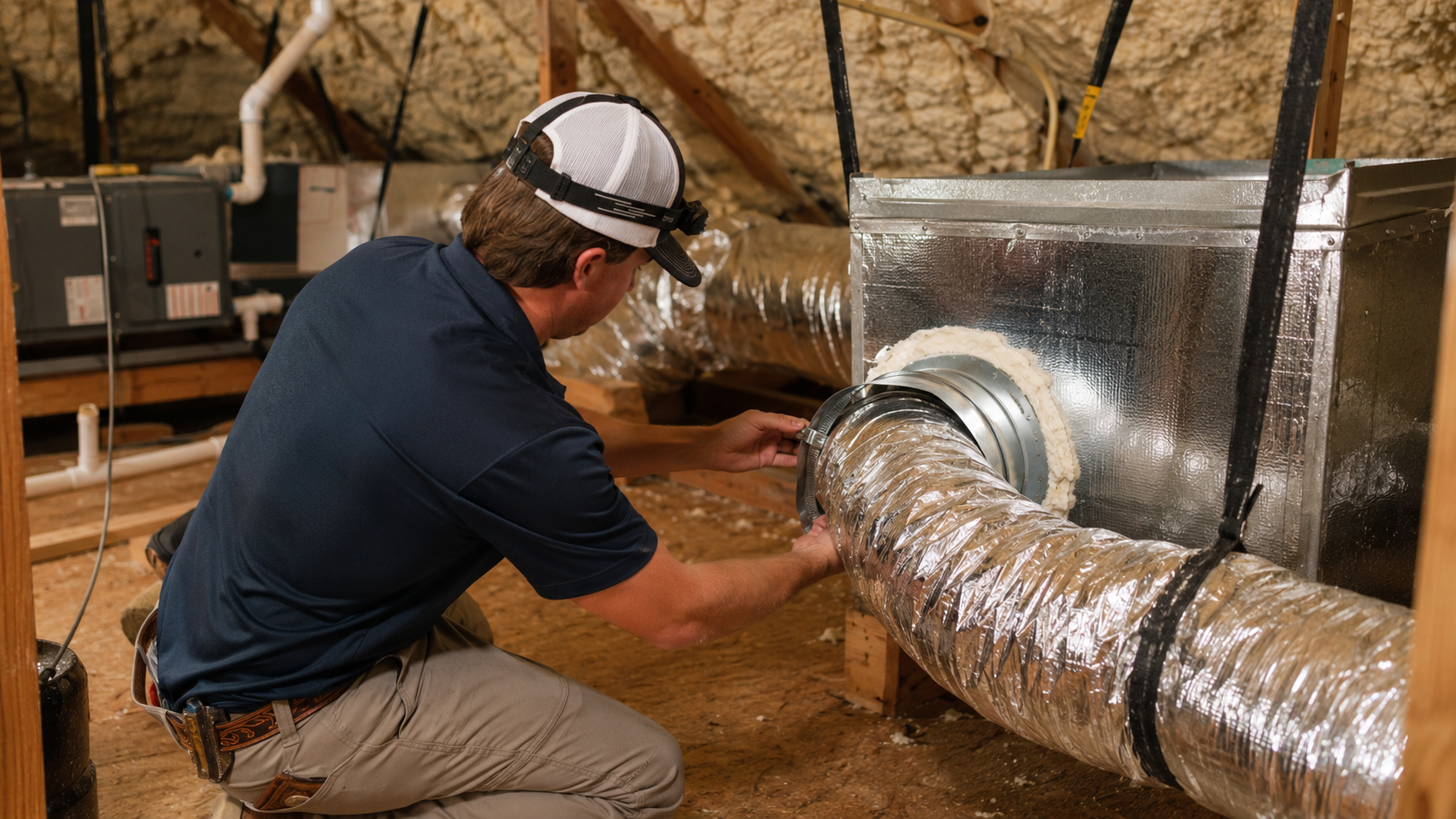
Crushed or collapsed duct sections Torn or damaged duct material Disconnected or loose duct runs Sagging or poorly supported sections
Not every ductwork problem requires full replacement. When damage is localized, a targeted repair may be the practical next step.

Professional Duct Repair

The Right Repair Depends on How the Ductwork Is Damaged

Duct damage can take several forms, from a loose connection or crushed section to torn material, poor support, or deterioration affecting a larger portion of the run. Malek evaluates the damaged area and surrounding ductwork before explaining what can reasonably be repaired.

Part of our Ductwork Services
01

Loose or Separated Sections

Disconnected Duct Repair

Duct sections can separate at boots, fittings, transitions, or connections. When the surrounding material remains serviceable, the affected connection may be repaired and properly secured.

02

Restricted Airflow

Crushed or Collapsed Duct Repair

Flexible ductwork that has been crushed, compressed, sharply bent, or collapsed can restrict airflow. We evaluate the affected run and determine whether the damaged section can be corrected or should be replaced.

03

Damaged Materials

Torn or Deteriorated Duct Sections

Tears, punctures, damaged outer jackets, insulation damage, or localized deterioration can affect how the duct performs. The condition and extent of the damage help determine whether a localized repair is appropriate.

04

Support Problems

Sagging & Poorly Supported Ductwork

Ductwork that sags excessively or lacks proper support can restrict airflow and place additional stress on connections. Correcting the support may be part of restoring the affected section.

05

Damaged Connections

Register, Boot & Transition Repairs

Problems can develop where duct runs meet registers, boots, plenums, fittings, or transitions. These connection points are evaluated along with the surrounding duct material before the repair scope is determined.

06

After the Repair

Repair Review & Airflow Check

After approved duct repairs are completed, the affected area is reviewed and airflow conditions are checked as appropriate. Your technician explains what was repaired and whether any additional ductwork concerns were observed.

Repair Has a Practical Limit

Localized damage does not automatically mean the entire duct system needs replacement.

When the surrounding ductwork remains in usable condition, targeted repairs may be enough. If deterioration or damage is widespread, Malek will explain why broader duct replacement may make more practical sense.

Signs Your Ductwork May Be Damaged

Signs Your Home May Need Professional Duct Repair

Physical duct damage is not always visible from the living space. Changes in airflow, recurring room-to-room comfort problems, unusual sounds, or visible damage in accessible areas can all be reasons to have the duct system evaluated.

01

Airflow Is Weak From Certain Vents

A crushed, disconnected, collapsed, or damaged duct run can reduce the amount of conditioned air reaching a particular room or area of the home.

02

Certain Rooms Stay Hotter or Colder

Persistent temperature differences can have several causes, but damaged or disconnected ductwork may prevent enough conditioned air from reaching part of the home.

03

You Can See Torn or Crushed Ductwork

Visible tears, collapsed flexible duct, separated connections, damaged outer material, or sections that have been compressed should be professionally evaluated.

04

Duct Sections Are Sagging or Unsupported

Excessive sagging can restrict airflow, strain duct connections, and contribute to additional damage if the affected sections are not properly supported.

05

You Hear Rattling or Movement Near Duct Runs

Movement or rattling when the HVAC system starts may indicate loose connections, unsupported sections, damaged fittings, or another condition affecting the ductwork.

06

Comfort Problems Keep Returning

If HVAC equipment has been serviced but certain airflow or comfort problems continue, damaged ductwork may be one of the conditions worth evaluating more closely.

Similar Symptoms Can Have Different Causes

Weak airflow does not automatically mean the ductwork is damaged.

Filters, HVAC equipment, duct leakage, system design, return-air limitations, and other conditions can produce similar symptoms. Malek evaluates the larger airflow picture before recommending duct repair.

Damaged residential ductwork being evaluated for repair

Repair the Damage, Not More Than Necessary

Damaged Ductwork Does Not Automatically Mean Full Replacement

A disconnected fitting, crushed run, torn section, damaged transition, or support problem may affect only part of the duct system. When the surrounding material remains in usable condition, repairing the affected area may restore airflow without replacing ductwork that is still performing properly.

The goal is not to turn every duct problem into a larger project. We evaluate the extent of the damage, explain what can reasonably be repaired, and recommend broader replacement only when the condition of the duct system supports it.

What Can Damage Ductwork

Several Conditions Can Physically Affect a Duct System

Residential ductwork can be affected by age, attic conditions, installation issues, physical pressure, poor support, movement, and damage around connections or transitions.

Understanding what caused the damage helps determine whether the affected area can be repaired or whether a larger section needs attention.

Connections

Duct Sections Can Separate at Connections

Connections at boots, fittings, plenums, transitions, or adjoining duct runs can loosen or separate over time. When the surrounding duct material is still in usable condition, the connection may be repairable.

Compression

Crushed or Compressed Ductwork Can Restrict Airflow

Flexible duct can become compressed by stored items, attic work, framing, insulation, equipment access, or poor routing. Severe compression can reduce the usable opening and limit airflow.

Support

Poor Support Can Allow Duct Runs to Sag

Ductwork that lacks adequate support can develop excessive sag, strain connections, restrict airflow, or become damaged as the material shifts under its own weight.

Material

Tears and Punctures Can Damage Flexible Duct

Flexible duct material can be torn or punctured during attic work, equipment service, construction, storage, or other activity around the duct system.

Age

Aging Materials Can Become More Vulnerable to Damage

Over time, duct materials, jackets, insulation, connections, and support systems can deteriorate. Localized deterioration may be repairable, while broader aging can change the practical scope.

Attic Conditions

Heat and Attic Activity Can Add Stress Over Time

Ductwork routed through Texas attics is exposed to high temperatures and may also be affected by movement, service access, storage, insulation work, or other activity around the system.

What to Expect

What Happens During Professional Duct Repair

Duct repair starts with identifying where the damage is and whether it explains the airflow or comfort concern you are experiencing. Malek evaluates the affected area and surrounding ductwork before explaining what can reasonably be repaired.

Review the Concern

Start With the Airflow or Comfort Problem

Malek reviews the rooms affected, airflow changes, visible damage, unusual sounds, previous HVAC work, and anything else you have noticed that may help identify where the duct problem is located.

Inspect the Ductwork

Evaluate Accessible Duct Sections and Connections

The technician evaluates accessible runs, fittings, connections, supports, boots, transitions, and surrounding duct material for physical damage, separation, compression, deterioration, or other visible conditions.

Determine the Scope

Decide Whether the Damage Is Localized or More Extensive

The condition of the damaged section and surrounding ductwork helps determine whether targeted repair is appropriate or whether deterioration extends far enough that another solution should be considered.

Complete the Repair

Correct the Approved Damaged Sections

Approved repairs are completed according to the condition found. This may involve reconnecting ductwork, correcting damaged sections, restoring support, addressing fittings or transitions, or replacing a localized section that cannot be repaired in place.

Review the Results

Check the Repair and Explain What Was Completed

The repaired area is reviewed and airflow conditions are checked as appropriate. Your technician explains what was repaired and whether any additional ductwork concerns were observed during the service.

Restore Better Airflow

Not Sure Whether Damaged Ductwork Can Be Repaired?

Malek can evaluate the affected duct sections, airflow concerns, connections, supports, and surrounding duct condition so you understand what is damaged and whether a targeted repair makes practical sense.

Schedule Duct Repair

Serving Bryan–College Station and Northwest Houston

Why Choose Malek

Duct Repair With Clear Findings, Not Automatic Replacement

Damaged ductwork should be evaluated based on its actual condition and the extent of the problem. Malek looks at the affected section, surrounding duct material, airflow, connections, and support before explaining what can reasonably be repaired and whether any broader work is actually needed.
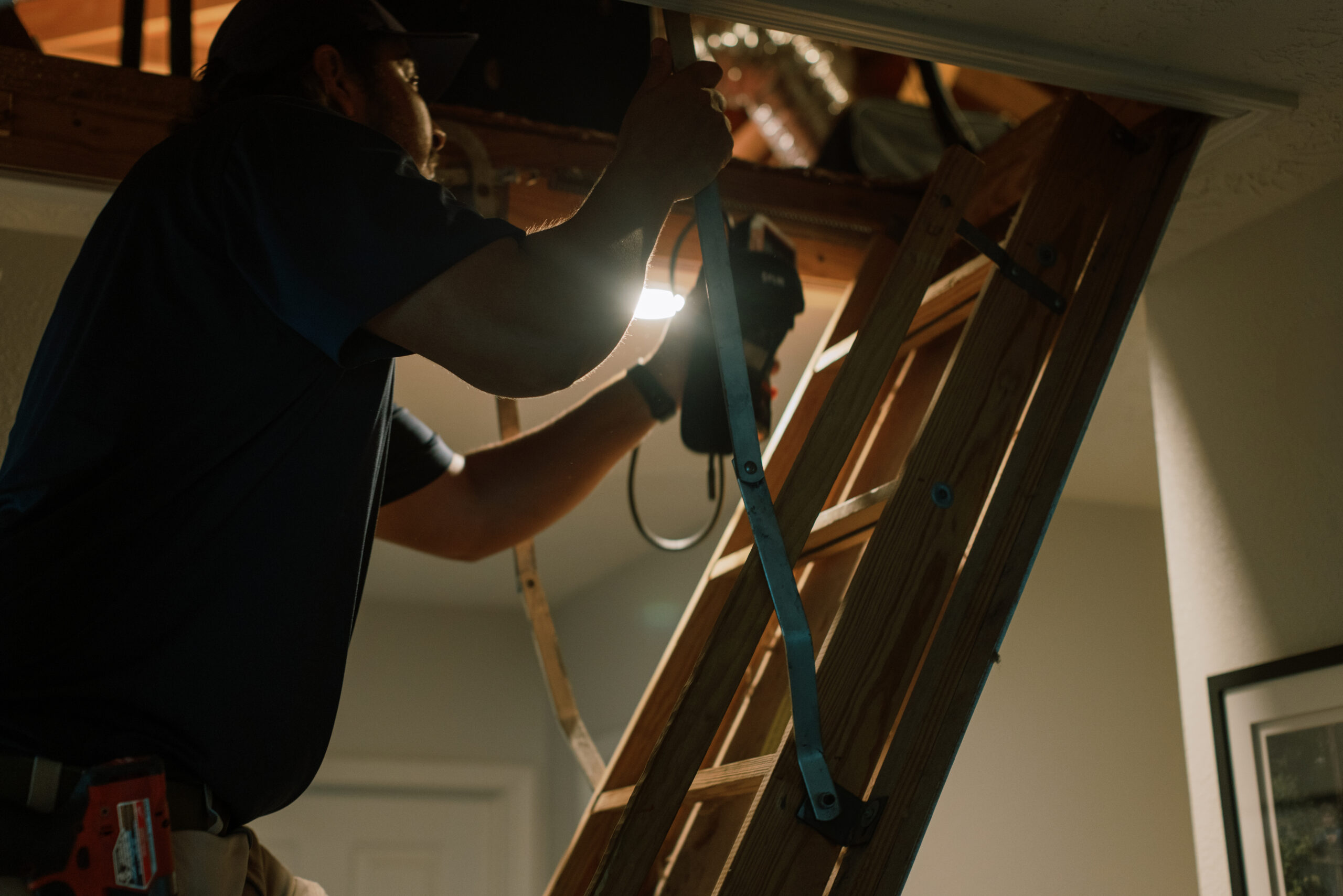
Malek HVAC technician evaluating a residential airflow concern
01

We Look Beyond the Visible Damage

A torn or disconnected duct may be obvious, but airflow, nearby connections, support, surrounding material, and the rest of the HVAC system still matter when determining the right repair.

Damaged residential attic ductwork being evaluated for repair
02

The Repair Scope Follows the Actual Condition

Localized damage may only require a targeted repair or section replacement. Broader duct replacement is recommended only when the condition of the surrounding system makes that larger scope practical.

Malek HVAC professional explaining ductwork findings to a homeowner
03

You Understand What Was Found

We explain where the ductwork is damaged, how it may be affecting airflow or comfort, what can be repaired, and why another ductwork solution may or may not be worth considering.

Continue Learning

Learn More Before Deciding How to Address Your Ductwork

Duct damage can raise questions about repair scope, replacement, air leakage, and project cost. These resources can help you understand those decisions before choosing what comes next.

02 Investment Guide

Duct Repair & Sealing Investment Guide

Learn how damage extent, accessibility, duct material, repair scope, leakage conditions, and other project factors can influence the investment required for duct repair or sealing.

View the Investment Guide
03 Article

How Do I Know If My Air Ducts Are Leaking?

Learn what weak airflow, room-to-room comfort differences, visible gaps, loose connections, and other conditions may tell you about unwanted air leakage in the duct system.

Read the Article
Duct Repair FAQs

Questions Homeowners Ask About Duct Repair

Homeowners often want to know what causes duct damage, whether damaged sections can be repaired, when replacement becomes more practical, and whether duct problems can affect airflow and room-to-room comfort.

Possible signs include weak airflow from certain vents, recurring hot or cold rooms, visible crushed or torn ductwork, disconnected sections, excessive sagging, or unusual rattling or movement around accessible duct runs.

Customer Stories

Service People Remember.

Homeowners across Bryan–College Station and Northwest Houston trust Malek for clear explanations, careful diagnostics, and professionals who treat their homes with respect.

Protect Your Home. Understand What It Needs.

Stay ahead of unexpected HVAC, plumbing, and electrical problems with routine system checks, priority service, repair savings, and guidance from professionals who explain before they recommend.

Explore the Total Protection Plan

Get Clear Answers About Damaged Ductwork

Find Out What Can Be Repaired Before Assuming You Need New Ductwork

Malek evaluates damaged duct sections, airflow concerns, connections, support, and surrounding duct condition so you can understand what is affecting your home and whether a targeted repair is the practical next step.

Damaged sections evaluated Airflow concerns reviewed Repair options explained clearly
electrical-upgrades-for-home​s