Schedule Service
Schedule Service

Professional Water Line Replacement

Replace a Failing Water Line With a More Dependable Solution

Repeated leaks, widespread corrosion, aging materials, and declining water pressure can indicate that another isolated repair may not be enough. Malek evaluates the condition of the line, explains the available replacement methods, and helps you understand what makes the most sense for your home.

Replacement options explained clearly

Line condition and access evaluated

Serving both Malek markets
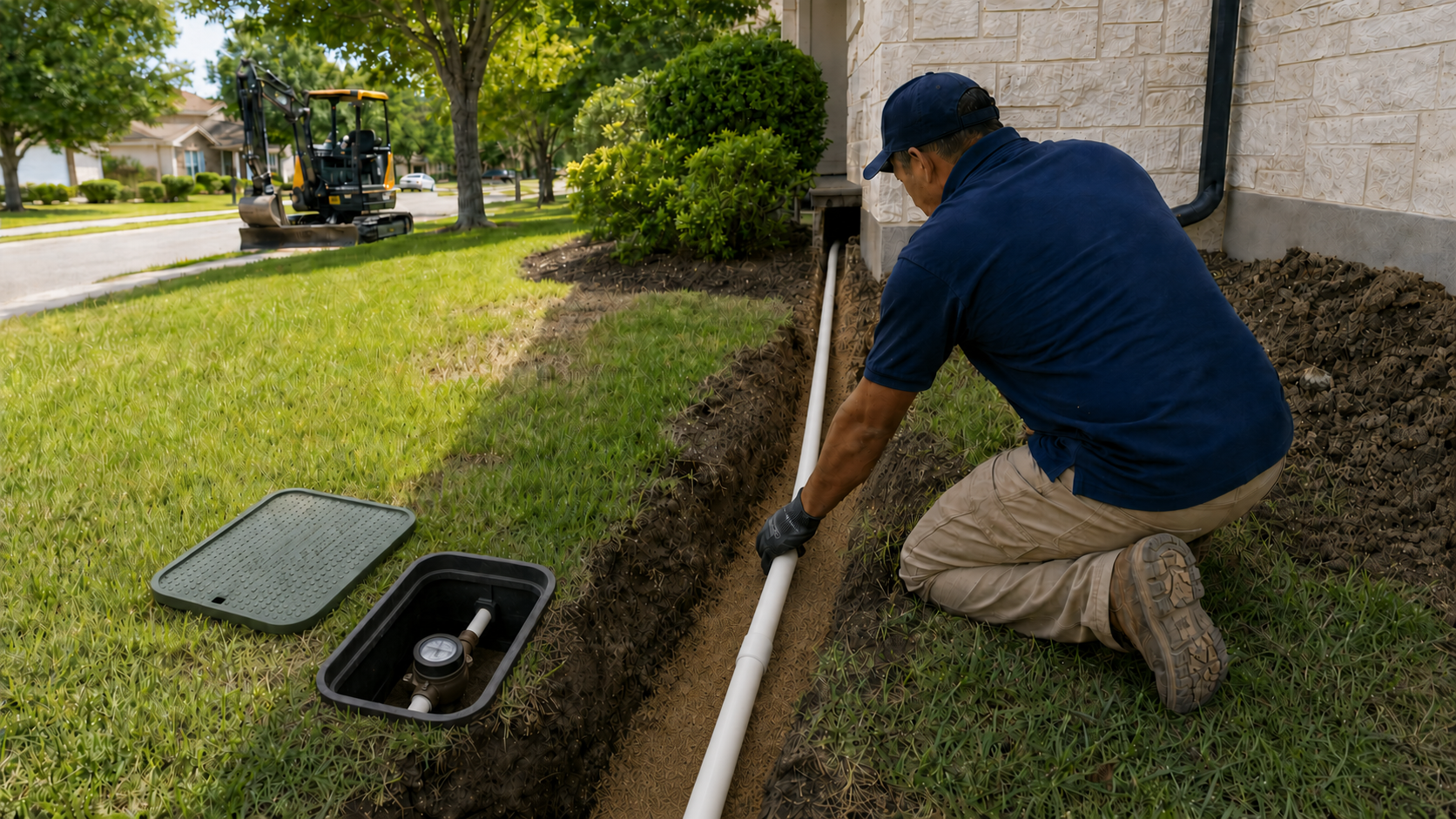
Malek plumber installing a new underground residential water line
Plan the Replacement Carefully

Evaluate the route, materials, access, and surrounding property before installation begins.

Common Reasons to Consider Replacement
Repeated water-line leaks Widespread corrosion or deterioration Low or inconsistent water pressure Aging or unsuitable pipe material
Not sure whether replacement is necessary? Malek can compare the condition of the line with the cost and dependability of another repair before you decide.

Professional Water Line Replacement

Replacing a Failing Line With a More Dependable System

Water line replacement is not a one-size-fits-all project. The condition of the existing pipe, route of the line, access points, property layout, and local installation conditions all influence the most practical approach.

Plan the Full Replacement

A dependable installation begins with evaluating the route, pipe material, connections, access, and restoration needs before the existing line is removed or abandoned.

01

Main Water Service Line Replacement

Replace the buried line that carries water from the meter or utility connection to the home when the existing pipe is no longer dependable.

02

Full Water Line Replacement

Replace the complete affected run when corrosion, recurring leaks, aging material, or widespread deterioration makes another isolated repair less dependable.

03

Partial Water Line Replacement

Remove and replace a longer deteriorated section when the damage extends beyond one repair point but the remaining line is still in serviceable condition.

04

Water Line Rerouting

Establish a new route when the original line is difficult to access, runs beneath sensitive areas, or would require unnecessary disruption to replace in place.

05

Aging Pipe Material Replacement

Replace deteriorated, corroded, undersized, or unsuitable piping with materials selected for the home, installation conditions, and long-term performance.

06

New Connections and System Testing

Complete the necessary connections, restore water service, and test the new line for proper pressure, flow, and leak-free operation before the project is considered complete.

Signs to Watch For

Signs Your Water Line May Need Replacement

One water-line failure may be repairable. Repeated leaks, widespread deterioration, pressure problems, or aging pipe material can indicate that replacing a larger section—or the entire line—may provide a more dependable result.

These signs do not automatically mean the full water line must be replaced. The location of the damage, pipe material, repair history, accessibility, and condition of the surrounding line should all be evaluated before a recommendation is made.

Repeated Water-Line Leaks

Multiple failures in different sections—or another leak near a previous repair—may indicate that the line is deteriorating beyond one isolated problem.

Widespread Corrosion or Deterioration

Corrosion, scaling, brittleness, thinning pipe walls, or visible deterioration can make additional localized repairs less dependable.

Persistently Low Water Pressure

Ongoing pressure or flow problems may result from corrosion, mineral buildup, undersized piping, hidden leaks, or internal restriction within an aging line.

Aging or Unsuitable Pipe Material

Older, deteriorated, or unsuitable piping may have a greater risk of recurring leaks and may no longer provide dependable long-term service.

Increasing Repair Costs

When excavation, access, restoration, and repeated plumbing repairs continue to add up, replacement may provide better long-term value than another temporary correction.

Damage Extending Beyond One Section

Testing or excavation may reveal that deterioration, movement, or physical damage affects a longer portion of the line than one localized repair can address.

Know What’s Happening in Your Home.

Not Sure Whether Another Repair Is Enough?

Malek can evaluate the damaged section, surrounding pipe, material, repair history, and access conditions before explaining whether targeted repair, partial replacement, or full replacement makes the most sense.

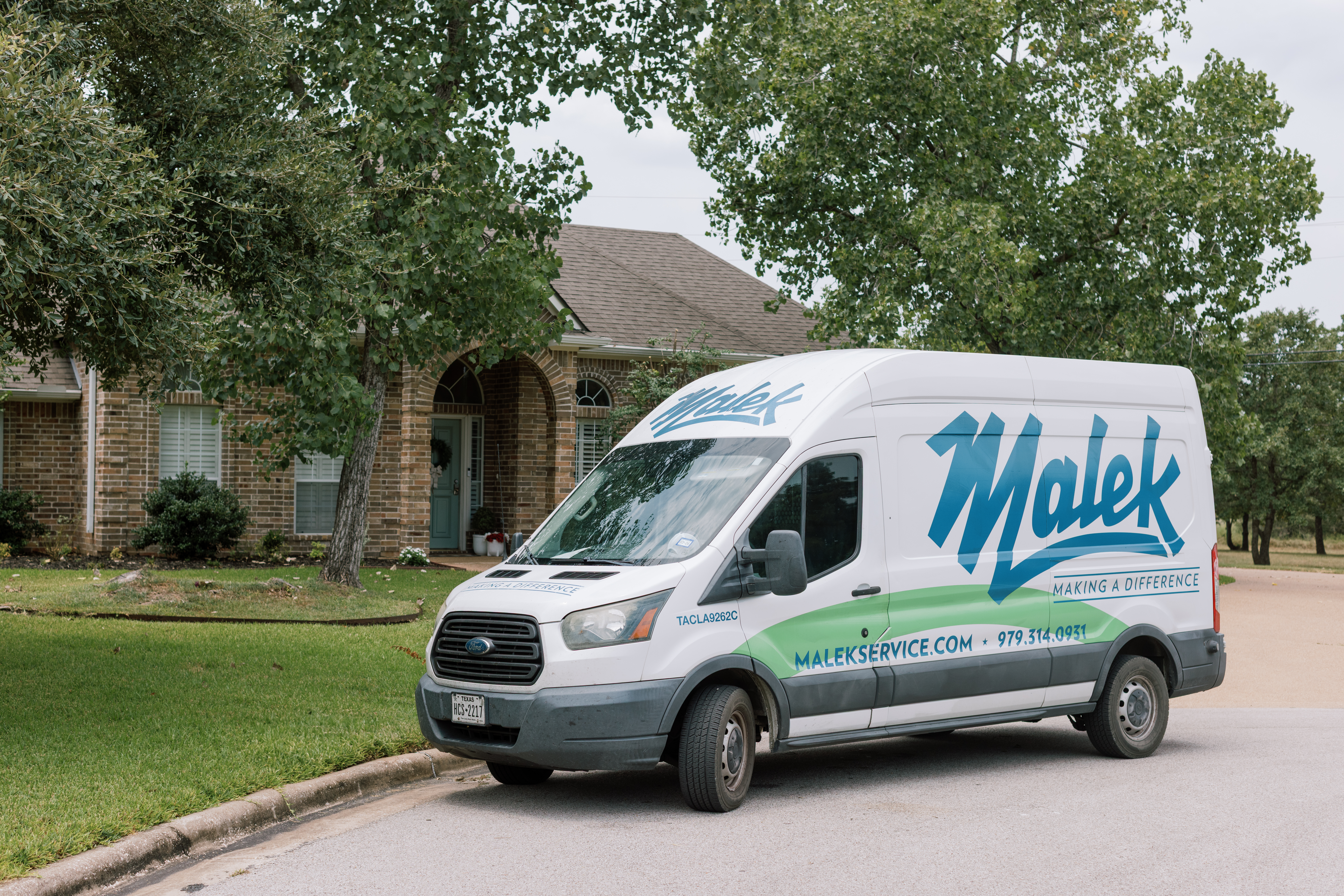
Malek plumbing service vehicle outside a Texas home

Why Planning Comes First

The Best Replacement Route Is Not Always the Original One

The existing water line may pass beneath driveways, landscaping, concrete, or other areas that are difficult to access. Before work begins, the route and surrounding property should be evaluated to determine whether replacing the line in place or establishing a new path makes more sense.

Malek considers the condition of the existing pipe, connection points, required access, installation method, and restoration needs before recommending a replacement plan.

Why Lines Fail

What Can Make Water Line Replacement Necessary

Water lines can fail because of age, material deterioration, soil movement, pressure, installation problems, or repeated physical stress. The cause and extent of the damage help determine whether another repair is likely to last.

Malek evaluates the condition of the affected section and the surrounding line before recommending partial or full replacement.

Throughout the Line

Aging or Deteriorating Pipe Material

Pipe materials can weaken, become brittle, corrode, or lose reliability over time. When deterioration affects more than one section, replacement may provide a more dependable result than repeated repairs.

Below the Ground

Shifting, Expanding, or Settling Soil

Changes in the soil can place pressure on buried piping, pull connections apart, alter the line’s support, or create repeated stress along a longer section.

Inside the Pipe

Corrosion, Scaling, or Internal Restriction

Corrosion and mineral buildup can weaken pipe walls while also reducing the internal opening. This may contribute to recurring leaks, poor flow, and persistent pressure problems.

Along the Route

Friction, Abrasion, or Poor Pipe Support

A line that repeatedly rubs against rock, concrete, framing, or another hard surface can wear down over time. Improper bedding or support may allow the same type of damage to affect multiple areas.

At Connections

Installation or Connection Problems

Improper fittings, weak joints, poor alignment, unsuitable materials, or an installation that places stress on the line may lead to recurring failures that cannot be solved with one repair.

From Outside Forces

Roots, Excavation, or Physical Damage

Tree roots, digging, construction activity, heavy equipment, or other outside forces can crush, separate, puncture, or displace a buried water line.

What to Expect

What Happens During Water Line Replacement

The process begins with confirming that replacement is the right recommendation. Malek evaluates the existing line, plans the route and access, completes the installation, and tests the new system before reviewing the final results with you.

Confirm the Right Scope

Evaluate the Existing Water Line

Your technician reviews the symptoms, prior repairs, pipe material, visible condition, pressure concerns, and any testing already completed to determine whether partial or full replacement is appropriate.

Plan Before Opening the Property

Determine the Route and Access

The existing path, meter and home connections, driveways, landscaping, concrete, utilities, and other property conditions are considered before the installation method is selected.

Review the Project Clearly

Explain the Replacement Plan

Malek explains the recommended scope, route, material, access points, expected disruption, restoration responsibilities, and project investment before work begins.

Install the New Line

Complete the Replacement

The required access is created, the new water line is installed along the approved route, and the necessary meter-side and home-side connections are completed.

Verify the Finished System

Test the Line and Review the Results

Water service is restored, the new line and connections are checked for leaks, pressure and flow are reviewed, and the final project details are explained before completion.

Plan the Right Replacement

Not Sure Whether the Entire Water Line Needs to Be Replaced?

Malek can evaluate the existing pipe, prior repairs, route, access, and surrounding property before explaining whether a partial replacement, full replacement, or another solution makes the most sense for your home.

Schedule an Evaluation

Serving Bryan–College Station and Northwest Houston

Why Choose Malek

Water Line Replacement You Can Feel Confident About

Replacing a water line requires more than installing new pipe. Malek evaluates the existing system, plans the route and access carefully, and explains the project clearly so you understand what is being replaced, why it is recommended, and what to expect before work begins.

Malek plumber installing a new underground residential water line
01

Replacement Based on the Actual Condition

We consider the pipe material, failure history, pressure concerns, visible deterioration, and condition of the surrounding line before recommending partial or full replacement.
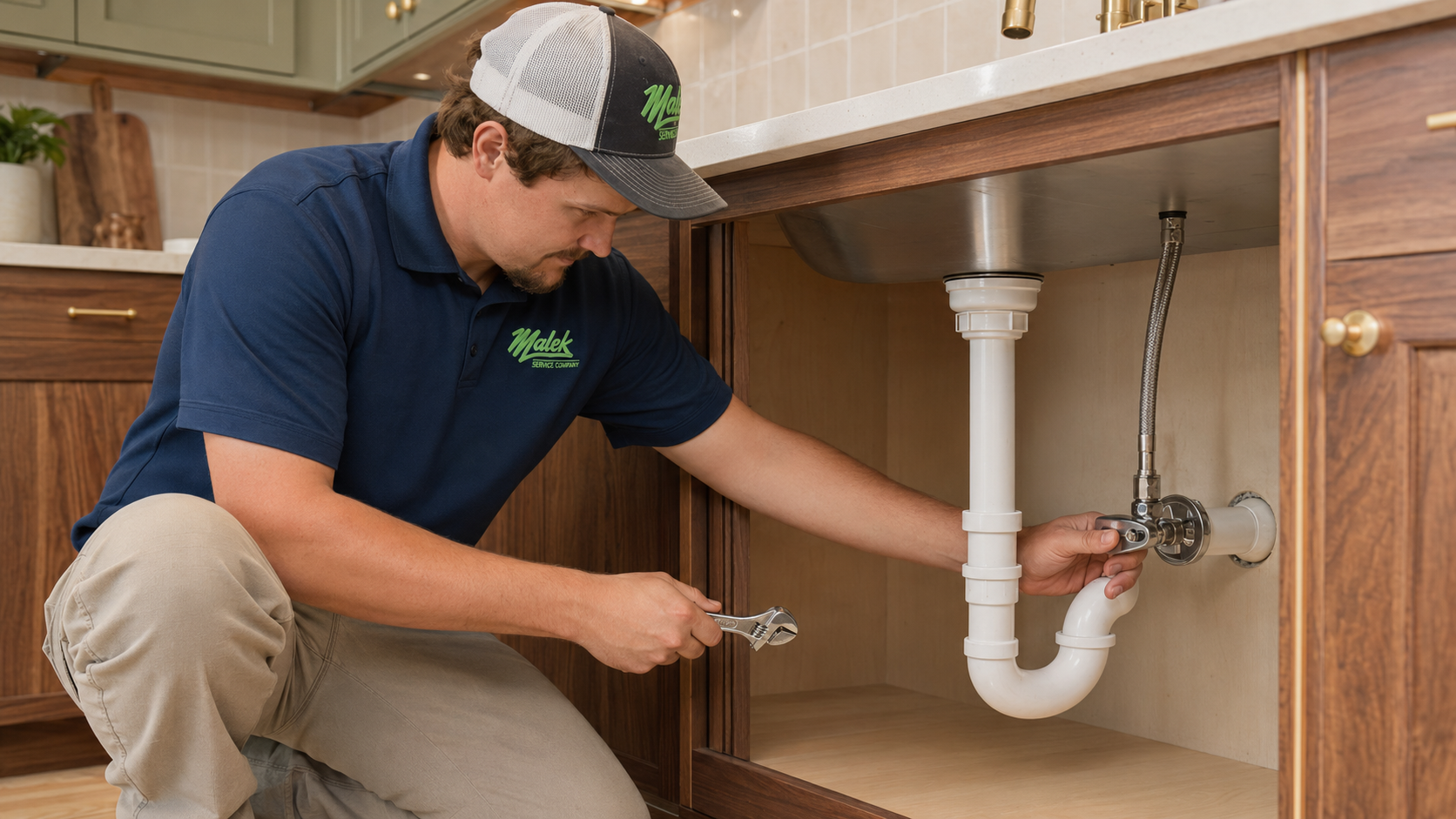
Malek plumber evaluating an exposed residential water line before replacement
02

The Route and Property Are Considered

We review connection points, utilities, landscaping, driveways, concrete, and other access conditions before determining the most practical installation path.
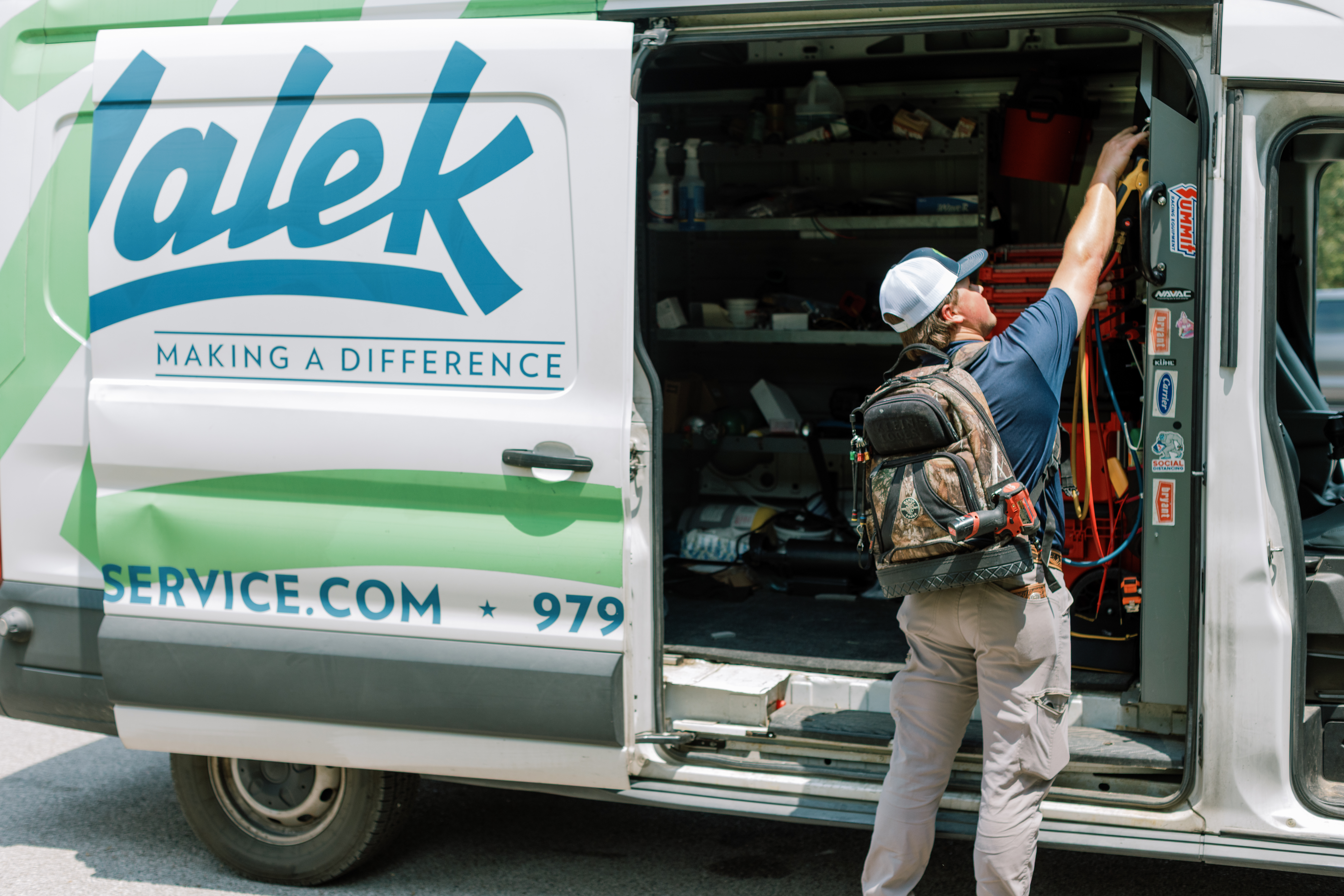
Malek plumber explaining a water line replacement plan and project options to a homeowner
03

Clear Project Details Before Work Begins

We explain the proposed scope, material, route, access, expected disruption, testing, restoration considerations, and investment before asking you to move forward.

Water Line Replacement FAQs

Questions Homeowners Often Ask Before Replacing a Water Line

Water line replacement can involve several decisions, from determining how much pipe should be replaced to planning access, materials, testing, and restoration. These answers explain what homeowners can expect.

Replacement may be recommended when the line has repeated failures, widespread corrosion, aging or unsuitable material, persistent pressure problems, or damage that extends beyond one repairable section. The surrounding pipe condition, prior repair history, accessibility, and expected dependability of another repair should all be considered.

Customer Stories

Service People Remember.

Homeowners across Bryan–College Station and Northwest Houston trust Malek for clear explanations, careful diagnostics, and professionals who treat their homes with respect.

Protect Your Home. Understand What It Needs.

Stay ahead of unexpected HVAC, plumbing, and electrical problems with routine system checks, priority service, repair savings, and guidance from professionals who explain before they recommend.

Explore the Total Protection Plan

Replace the Problem, Not Just the Symptom

Get Clear Answers About Your Water Line Replacement Options

Malek can evaluate the existing line, explain whether partial or full replacement makes sense, and help you understand the proposed route, materials, access, and next steps before work begins.

Replacement scope explained clearly Route and access carefully planned Serving both Malek markets