
Professional Plumbing Leak Detection
Find the Leak Before It Causes More Damage
Hidden water leaks can raise utility bills, damage surrounding materials, and worsen before the source becomes visible. Malek uses professional diagnostic methods to help narrow the likely source and explain the appropriate next step.
Professional diagnostic equipment
Clear findings and recommendations
Serving both Malek markets
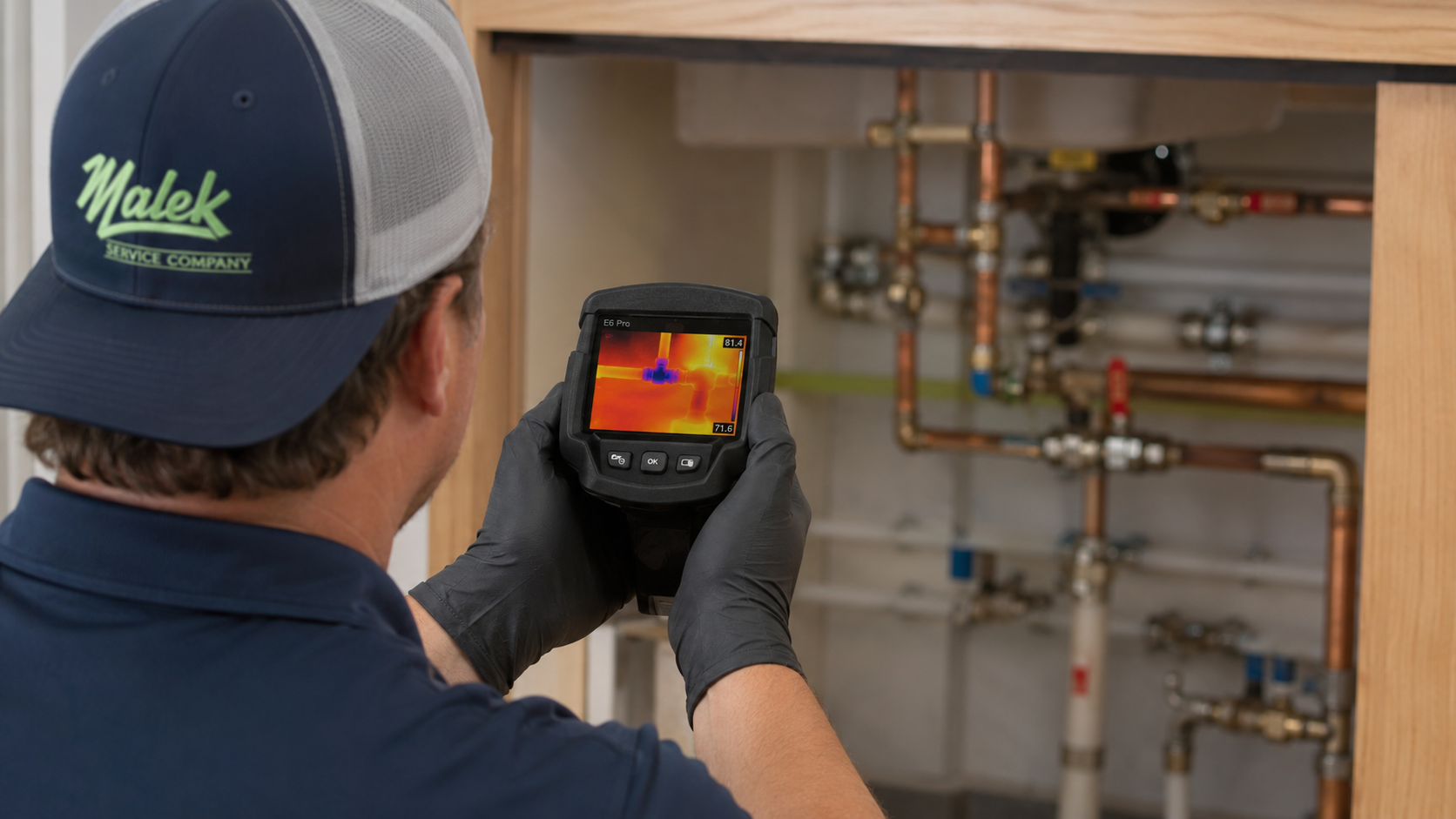
Narrow the likely source before unnecessary cutting or excavation.
Common Reasons to Schedule
Professional Leak Detection
Pinpointing Hidden Leaks Without Unnecessary Damage
Hidden leaks do not always leave an obvious puddle. Changes in water usage, pressure, flooring, walls, or landscaping may be the first indication that water is escaping somewhere it should not.
Part of our Water Line Services solutions.
Start With the Source
Professional testing helps narrow down the likely location before walls, flooring, concrete, or landscaping are opened.
Slab Leak Detection
Locate suspected leaks affecting water lines beneath the concrete foundation so the appropriate access and repair method can be considered.
Underground Water Line Leaks
Investigate water loss affecting buried service lines between the meter and the home, including leaks beneath yards, driveways, and landscaped areas.
Leaks Behind Walls or Ceilings
Trace concealed plumbing leaks that may be causing stains, bubbling paint, moisture, mildew, or unexplained damage inside the home.
Hot and Cold Water Line Leaks
Test pressurized plumbing lines to determine which part of the system is losing water and help narrow the affected section.
Fixture and Connection Leaks
Inspect supply connections, fittings, valves, and plumbing near toilets, sinks, showers, water heaters, and other household fixtures.
Hard-to-Find Plumbing Leaks
Investigate unexplained water loss, pressure changes, damp areas, running-water sounds, or unusually high water bills when the source is not immediately visible.
Signs to Watch For
Signs You May Have a Slab Leak
A leak beneath the foundation may not be visible right away. The first warning may be a change in your water bill, flooring, water pressure, indoor temperature, or the sounds coming from beneath the home.
One symptom does not automatically confirm a slab leak. Professional testing can help determine whether a pressurized water line beneath the foundation may be involved before concrete or flooring is opened.
Warm Areas on the Floor
An unexplained warm spot beneath tile, wood, or another finished surface may indicate that a hot-water line below the foundation is losing water.
Unexplained Water-Bill Increases
A continuing increase in water use without a clear change in household habits may indicate water escaping from a concealed plumbing line.
Damp, Warped, or Discolored Flooring
Moisture beneath finished flooring can cause staining, lifting, buckling, soft areas, or recurring dampness even when no nearby fixture appears to be leaking.
Running-Water Sounds Beneath the Floor
Water movement, hissing, or faint running sounds may deserve investigation when fixtures, appliances, and irrigation are not operating.
Lower Water Pressure
A damaged line beneath the slab may contribute to reduced or inconsistent pressure, although pressure changes can also have several other plumbing causes.
Moisture Near the Foundation
Damp soil, recurring moisture along an exterior wall, or water appearing near the foundation may indicate a concealed plumbing issue that needs further evaluation.
Know What’s Happening in Your Home.
Not Sure Whether the Leak Is Beneath the Slab?
Malek can evaluate the symptoms, test the plumbing system, and help narrow the likely affected area before an access or repair approach is recommended.
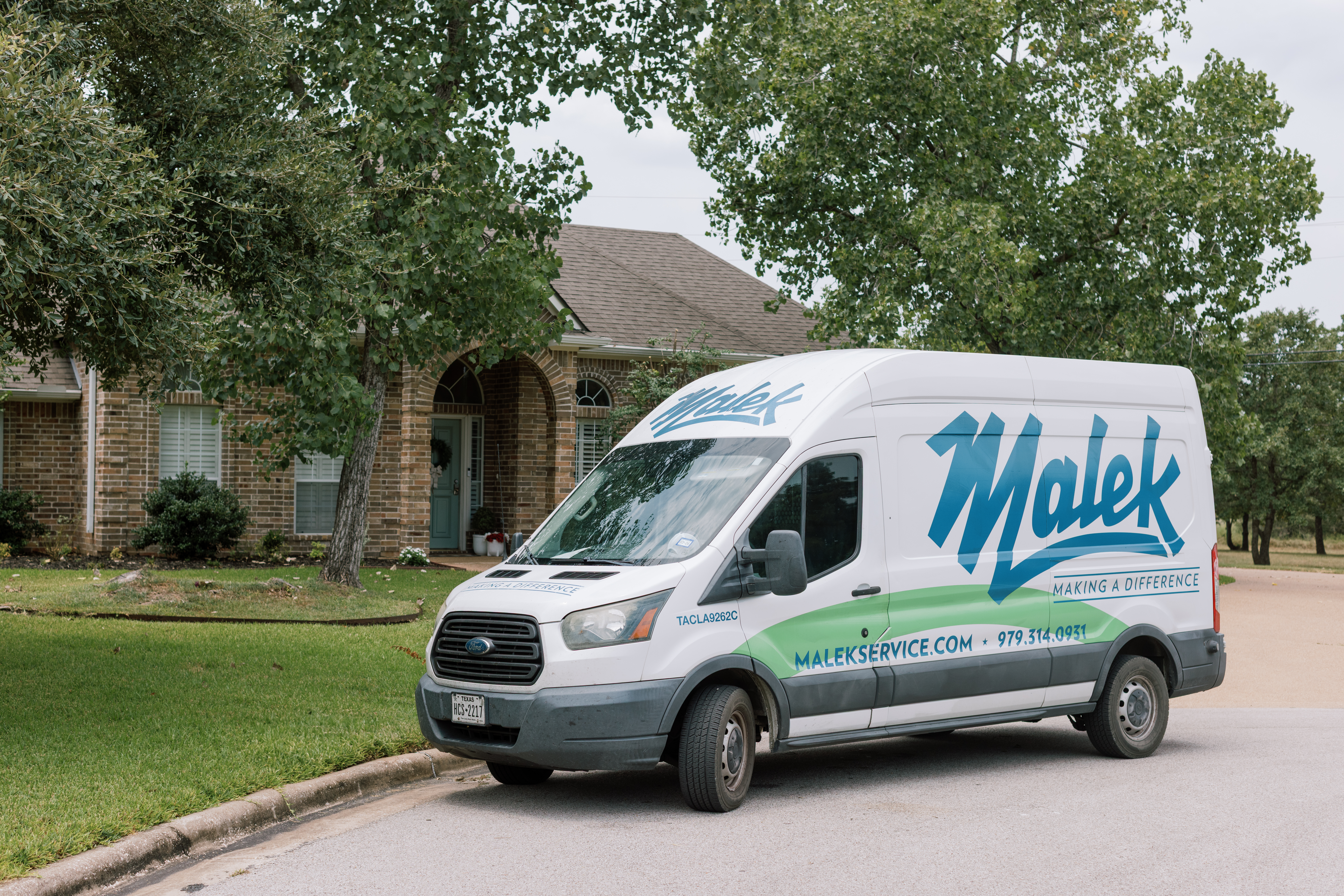
Why Diagnosis Comes First
What You See May Not Be Where the Leak Started
Water can move beneath flooring, along framing, or through surrounding materials before it becomes visible. The area showing damage is not always the exact location where the plumbing problem began.
Malek investigates the pattern, tests the plumbing system, and helps narrow the likely source before unnecessary access work is recommended.
Possible Sources
What May Be Causing the Leak
A hidden leak can begin in several parts of the plumbing system. Understanding the likely source helps determine how the area should be tested and what kind of service may be needed next.
The symptoms alone may not reveal the exact location, which is why Malek evaluates the pattern before recommending access or repairs.
Loose or Worn Plumbing Connections
Fittings, valves, seals, and supply connections can loosen or deteriorate over time, allowing water to escape inside cabinets, walls, or nearby finished areas.
Damaged Water Supply Lines
Pressurized hot or cold water lines may crack, split, or develop small openings because of age, corrosion, installation issues, or ongoing stress within the plumbing system.
Leaks Beneath the Foundation
Plumbing lines beneath a concrete foundation can be affected by ground movement, pipe wear, corrosion, pressure, or friction against surrounding materials.
Underground Service-Line Damage
The buried water line between the meter and the home may be damaged by shifting soil, roots, excavation, material deterioration, or pressure placed on the line.
High or Fluctuating Water Pressure
Excessive or inconsistent pressure can place added strain on pipes, fittings, valves, and appliance connections, increasing the chance of leaks developing over time.
Fixture, Appliance, or Water-Heater Connections
Toilets, sinks, washing machines, dishwashers, refrigerators, and water heaters all rely on connections that can loosen, wear out, or leak in concealed areas.
What to Expect
What Happens During Professional Leak Detection
The goal is not to guess or open finished areas too quickly. Malek reviews the symptoms, evaluates the plumbing system, and uses the findings to narrow the most likely source before explaining what should happen next.
Start With What You Have Noticed
Review the Symptoms
Your technician will ask what you have seen, heard, or measured, when the issue began, and whether anything in the home or plumbing system has recently changed.
Look for Supporting Evidence
Inspect the Likely Areas
Accessible fixtures, connections, walls, flooring, meter activity, visible plumbing, and other affected areas may be reviewed for signs that help guide the investigation.
Evaluate the Plumbing System
Use the Appropriate Diagnostic Methods
Depending on the symptoms and suspected location, the technician may evaluate pressure, isolate sections of the system, monitor water use, or use professional detection equipment.
Bring the Findings Together
Narrow the Suspected Location
Test results, visible evidence, plumbing layout, and symptom patterns are considered together to help identify the most likely affected line or area.
Understand What Comes Next
Explain the Findings and Options
Malek will walk you through what was found, what may still need to be confirmed, whether access is required, and which repair or replacement path makes the most sense.
Find the Source First
Not Sure Where the Leak Is Coming From?
Malek’s licensed plumbers use professional testing methods to investigate hidden plumbing leaks, narrow the likely source, and explain what should happen next before unnecessary access or repair work begins.
Serving Bryan–College Station and Northwest Houston
Why Choose Malek
Leak Detection You Can Feel Confident About
Hidden leaks require careful investigation—not guesswork. Malek’s licensed plumbers evaluate the symptoms, test the plumbing system, and help narrow the likely source before unnecessary access or repair work begins.
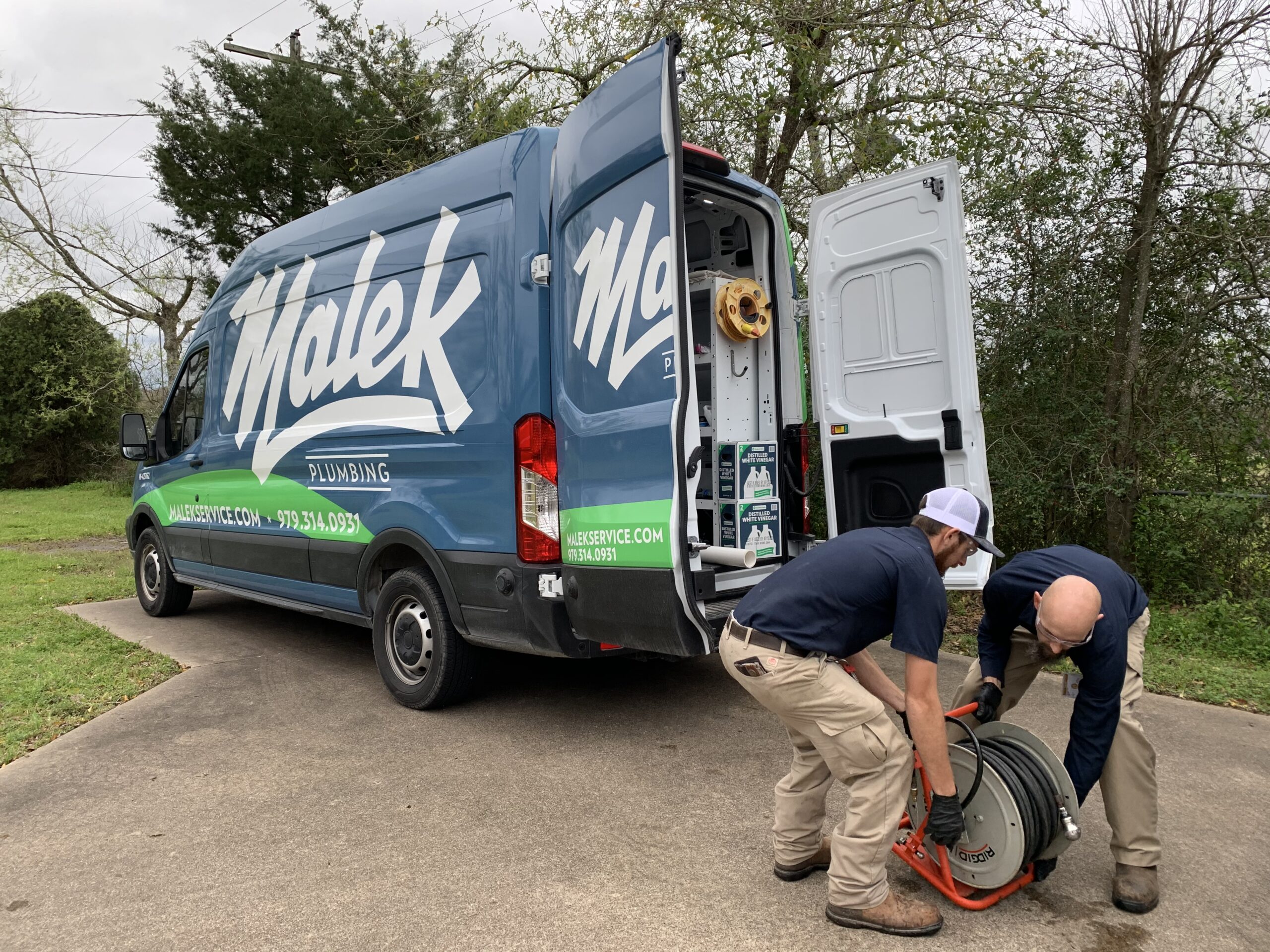
A Methodical Diagnostic Process
We begin with the symptoms, plumbing layout, meter activity, water pressure, and visible conditions before selecting the appropriate testing methods.
Findings Before Recommendations
We evaluate the available evidence before recommending that walls, flooring, ceilings, or concrete be opened for further confirmation or repair.

Clear Next Steps After Testing
We explain what the testing indicates, what may still need to be confirmed, how quickly the issue should be addressed, and which service path may make sense.
Not Sure Where the Water Is Coming From?
Describe what you have noticed. Malek can investigate the symptoms, help narrow the likely source, and explain what should happen next before unnecessary repair work begins.
After Leak Detection
The Right Next Step Depends on What We Find
Leak detection helps clarify where the problem is most likely located and which part of the plumbing system appears affected. From there, Malek can explain the service that makes the most sense for your home.
Finding a leak does not automatically mean the entire water line needs to be replaced. The condition, location, accessibility, and extent of the damage all matter.
Continue Learning
Understand the Problem Before Deciding What Comes Next
Learn how leak detection costs are evaluated, which warning signs deserve attention, and when repairing or replacing a water line may make more sense.
Repair or Replace Your Water Line?
Compare the factors that affect the decision, including the location of the damage, pipe condition, repair history, accessibility, and the likelihood of future problems.
Read the Decision Guide →What Does Professional Leak Detection Cost?
Understand what may affect the investment, including the suspected location, testing required, accessibility, and complexity of the plumbing system.
Signs of a Hidden Water Leak
Learn which changes in water usage, pressure, flooring, walls, sounds, and odors may indicate a concealed plumbing problem.
Looking for more homeowner guidance?
Explore the Learning Center →Leak Detection FAQs
Questions Homeowners Often Ask Before Scheduling
Hidden leaks can be difficult to understand from the symptoms alone. These answers explain what to watch for, how professional evaluation works, and what may happen after the likely source is identified.
Possible signs include an unexplained increase in your water bill, meter activity when fixtures are off, damp or discolored surfaces, lower water pressure, musty odors, warm flooring, or the sound of running water. One symptom does not confirm a leak, but a continuing pattern may justify professional evaluation.
No. You only need to describe what you have noticed and where the symptoms appear. Malek can review the evidence, inspect accessible areas, and use the appropriate testing methods to help narrow the likely source.
The process usually begins with a review of the symptoms and an inspection of accessible plumbing, fixtures, meter activity, walls, flooring, and affected areas. Depending on the situation, the technician may evaluate pressure, isolate sections of the plumbing system, monitor water use, or use professional detection equipment.
Not always. The purpose of leak detection is to narrow the likely source before unnecessary access work begins. Some concealed leaks still require an area to be opened for final confirmation or repair, but the technician should explain where the evidence points and why access may be needed.
Possible warning signs include warm or damp flooring, unexplained water use, running-water sounds, reduced pressure, moisture near the foundation, or damage that returns after the surface dries. These symptoms can have other causes, so testing is needed before concluding that the leak is beneath the slab.
It can, especially when the increase cannot be explained by irrigation, guests, seasonal use, new appliances, or changes in household habits. Comparing recent bills and checking whether the water meter moves when water is not being used can provide useful information before the appointment.
Malek will explain the likely affected area, which part of the plumbing system appears involved, whether access is needed, and how quickly the issue should be addressed. The next step may be a localized repair, water-line replacement, slab-leak service, or additional investigation.
Yes. Malek provides professional plumbing leak detection for homeowners in Bryan–College Station and Northwest Houston. Appointment availability may vary by location and scheduling demand.
Customer Stories
Service People Remember.
Homeowners across Bryan–College Station and Northwest Houston trust Malek for clear explanations, careful diagnostics, and professionals who treat their homes with respect.
Posted on GoogleTrustindex verifies that the original source of the review is Google. He did a great job getting my heat back up running and explaining to me what I need to do with the new thermostat . No charge cause I have the maintenance agreement.Posted on GoogleTrustindex verifies that the original source of the review is Google. Excellent service from Malek. Michael has been out before to both home and business and has always been very professional and helpful. Would definitely recommend in B/CS.Posted on GoogleTrustindex verifies that the original source of the review is Google. Daniel was great - willing to explain the situation and the options for fixing. Extremely kind and patient with us! Was able to come out same day and get the issue solved quickly. Highly revPosted on GoogleTrustindex verifies that the original source of the review is Google. GreatPosted on GoogleTrustindex verifies that the original source of the review is Google. Quick and professional. Didn’t leave a mess. Heating went out during cold snap. Came out the next day and fixed the problem quickly. Very satisfied.Posted on GoogleTrustindex verifies that the original source of the review is Google. Marshall did a thorough job on maintenance inspection, explaining the findings, and providing the mitigating options.
Protect Your Home. Understand What It Needs.
Stay ahead of unexpected HVAC, plumbing, and electrical problems with routine system checks, priority service, repair savings, and guidance from professionals who explain before they recommend.
Explore the Total Protection Plan →Know What’s Happening in Your Home
Get Clear Answers About a Hidden Water Leak
Malek can investigate the symptoms, help narrow the likely source, and explain what should happen next before unnecessary access or repair work begins.