Schedule Service
Schedule Service

Professional Duct Replacement

Replace Worn Ductwork When Repairs No Longer Make Practical Sense

Aging, deteriorated, repeatedly damaged, or poorly performing ductwork can eventually reach a point where repairing individual sections is no longer the best long-term approach. Malek evaluates the existing duct system, airflow concerns, material condition, connections, and overall scope before explaining what should actually be replaced.

Existing duct condition evaluated

Replacement scope explained

Airflow considered before installation
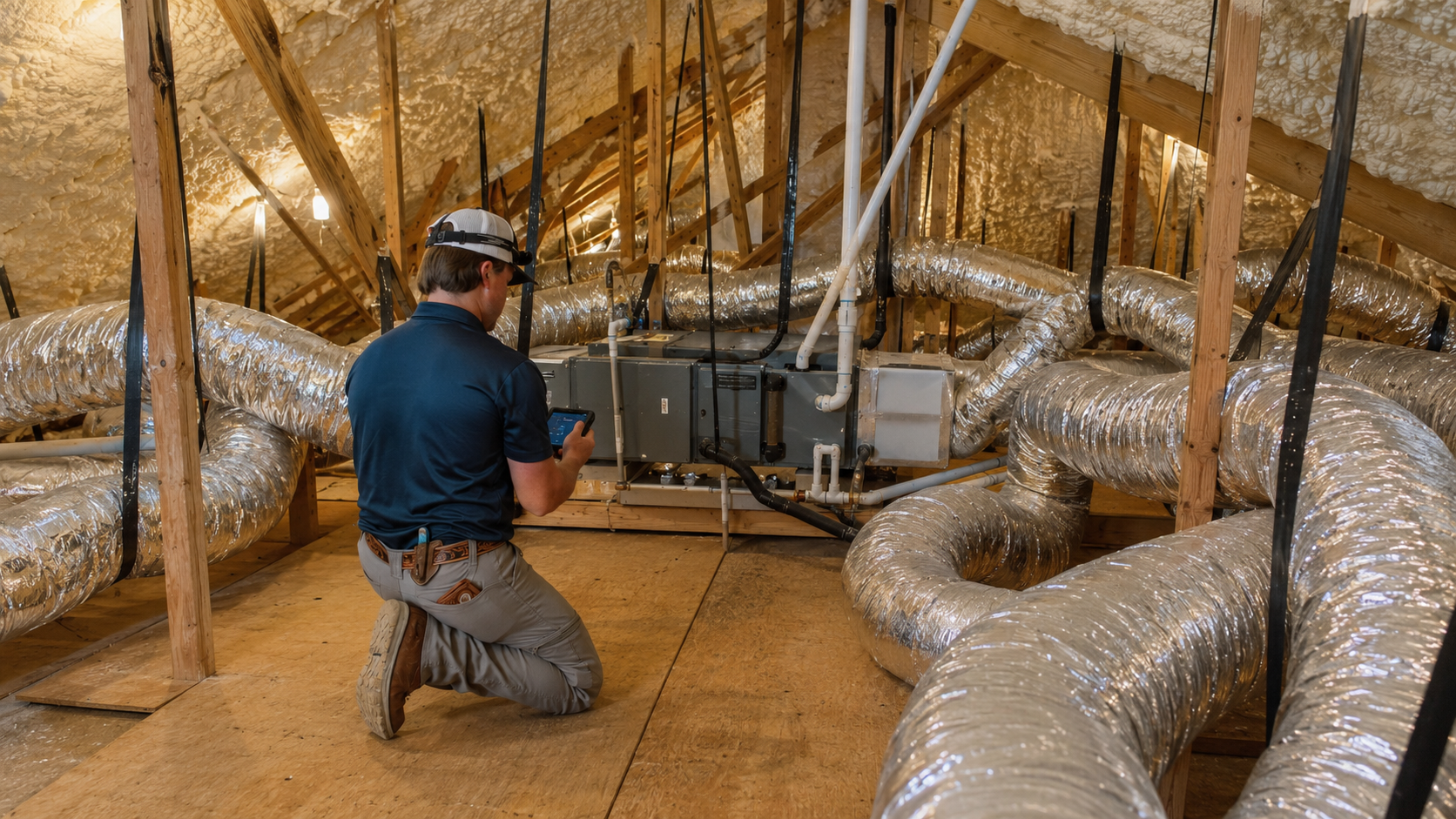
Residential attic ductwork being installed or replaced
Replacement Should Follow the Condition of the Duct System

We evaluate how much ductwork is actually deteriorated or no longer performing properly before determining the replacement scope.

When Duct Replacement May Make Sense
Widespread material deterioration Repeated damage or failed sections Multiple aging duct runs Repair no longer offers a practical solution
Duct replacement does not always mean replacing every duct in the home. The condition and performance of the existing system should determine the scope.

Professional Duct Replacement

The Right Replacement Scope Depends on the Condition of the Existing System

Duct replacement should not begin with the assumption that every run needs to come out. Malek evaluates deterioration, damaged materials, previous repairs, airflow concerns, accessibility, connections, and the surrounding duct system before explaining what should actually be replaced.

Part of our Ductwork Services
01

Existing System Review

Duct Condition Evaluation

We review accessible duct runs, materials, insulation, supports, fittings, connections, previous repairs, and visible deterioration to understand how much of the existing system is still serviceable.

02

Targeted Replacement

Individual Run or Section Replacement

When deterioration is limited to certain runs or sections, only the affected portions may need to be replaced rather than rebuilding the entire duct system.

03

Broader Deterioration

Multi-Run Duct Replacement

When aging or deterioration affects several duct runs, replacing multiple sections at the same time may provide a more practical solution than continuing to repair one failing area after another.

04

Connections & Transitions

Fittings, Boots & Connection Updates

Replacement work may also involve affected boots, fittings, transitions, plenums, or connections where existing materials can no longer support a reliable new duct run.

05

Installation Quality

Routing, Support & Airflow Considerations

Replacement ductwork should be routed and supported appropriately so the new sections do not introduce unnecessary sag, compression, sharp bends, or other restrictions that can affect airflow.

06

After Installation

Final Review & Airflow Check

After approved replacement work is completed, the new duct sections are reviewed and airflow conditions are checked as appropriate. Your technician explains what was replaced and whether any other system concerns were observed.

Replacement Should Match the Condition

Older ductwork does not automatically need to be replaced.

If deterioration is localized, professional duct repair may still make sense. Replacement becomes more practical when damage, aging, or deterioration extends beyond isolated sections.

Signs Your Ductwork May Be Wearing Out

Signs It May Be Time to Consider Duct Replacement

Replacement becomes worth discussing when duct problems are no longer isolated. Widespread deterioration, repeated repairs, failing materials, or recurring airflow problems across multiple areas can indicate that the existing duct system needs a broader evaluation.

01

Several Duct Runs Are Deteriorated

When wear, tears, damaged insulation, collapsed sections, or material deterioration appear across multiple duct runs, repairing each area individually may become less practical.

02

Repairs Keep Becoming Necessary

Repeated damage or recurring failures in an aging duct system can indicate that isolated repairs are no longer addressing the larger condition of the material.

03

The Duct Material Is Visibly Aging

Brittle materials, deteriorated jackets, damaged insulation, worn connections, or extensive physical wear can limit whether older sections can still support reliable repairs.

04

Multiple Rooms Have Airflow Problems

Weak airflow or recurring comfort issues across several areas may indicate a broader duct-system condition rather than one isolated damaged section.

05

Large Sections Are Crushed or Damaged

When physical damage extends through long duct runs or several connected sections, localized repair may no longer restore the affected portions efficiently.

06

Existing Ductwork No Longer Supports a Durable Repair

Sometimes the surrounding material is too deteriorated to support another lasting connection or patch. That condition can make replacing the affected run the more practical option.

Replacement Is Not the Only Possibility

Localized duct damage may still be repairable.

Replacement should be based on the extent and condition of the duct system—not simply its age. If only a limited area is damaged, professional duct repair may remain the more practical approach.

Damaged residential attic ductwork being evaluated for replacement

When Repair Stops Being the Better Long-Term Option

Sometimes Replacing the Affected Ductwork Makes More Sense Than Repairing It Again

A single damaged connection or crushed section may be repairable. But when material deterioration, repeated failures, damaged insulation, or physical wear extends across larger portions of the duct system, replacement may provide a more practical way to restore dependable air distribution.

Replacement should still be targeted to the actual condition of the system. Malek evaluates which sections remain serviceable and explains why broader replacement may—or may not—be worth considering.

What Can Lead to Replacement

Replacement Usually Becomes a Conversation When Problems Are No Longer Isolated

Duct replacement is generally driven by the overall condition of the system rather than one small defect. Age, widespread deterioration, repeated repair history, damaged materials, and extensive physical problems can all change whether continued repair remains practical.

The scope should still be based on what the existing system actually needs.

Deterioration

Widespread Material Deterioration Can Limit Repair Options

When jackets, insulation, flexible duct material, fittings, or connections have deteriorated across multiple areas, there may no longer be enough sound surrounding material for repeated repairs to remain practical.

Repair History

Repeated Repairs Can Point to a Larger Condition

When different sections continue failing over time, the issue may no longer be one isolated damaged area. Replacement can become a more practical discussion when repairs are repeatedly chasing deterioration through the system.

Age

Aging Materials Can Lose Their Ability to Support Reliable Repairs

Age alone does not determine whether ductwork needs replacement, but aging materials may become brittle, deteriorated, poorly insulated, or more vulnerable to repeated physical damage.

Physical Damage

Extensive Crushing or Damage May Require New Sections

Long sections of crushed, collapsed, torn, or otherwise compromised ductwork may not be practical to rebuild in place. Replacing the affected runs can provide a cleaner and more durable solution.

Multiple Runs

Problems Across Several Runs Can Change the Project Scope

When several areas of the home are affected by deteriorated or damaged ductwork, replacing multiple runs together may make more sense than completing separate repairs over time.

System Fit

Replacement Is an Opportunity to Avoid Repeating Existing Problems

When duct sections are replaced, routing, support, transitions, and airflow conditions should be considered so new materials are not installed in a way that recreates the same restrictions or stress.

What to Expect

What Happens During Professional Duct Replacement

Duct replacement starts by understanding why the existing system is no longer performing well and how much of it actually needs attention. Malek evaluates the existing ductwork before defining the replacement scope and installing new sections.

Review the Concern

Start With the Comfort, Airflow, or Ductwork Problem

We review the rooms affected, repair history, visible deterioration, airflow concerns, previous ductwork issues, and anything else that helps explain why replacement is being considered.

Evaluate the Existing System

Determine What Is Still Serviceable

Accessible duct runs, materials, insulation, connections, supports, fittings, transitions, and prior repairs are reviewed to determine where deterioration ends and usable ductwork begins.

Define the Scope

Identify Which Runs or Sections Should Be Replaced

The replacement plan is based on actual condition rather than a default whole-system approach. Depending on the findings, the project may involve one run, several sections, or a broader portion of the duct system.

Install the New Ductwork

Replace the Approved Sections With Attention to Routing and Support

Approved duct sections are removed and replaced as appropriate. Routing, support, bends, transitions, connections, and airflow conditions are considered so new ductwork is not installed with the same avoidable restrictions or stresses.

Review the Results

Check the New Sections and Explain What Was Completed

The completed installation is reviewed and airflow conditions are checked as appropriate. Your technician explains what was replaced, what remained in place, and whether any separate ductwork concerns were observed.

Understand the Right Replacement Scope

Not Sure How Much of Your Ductwork Actually Needs to Be Replaced?

Malek evaluates duct condition, deterioration, repair history, airflow concerns, connections, and accessibility so you can understand which sections are still serviceable and where replacement may make more practical sense.

Schedule Ductwork Service

Serving Bryan–College Station and Northwest Houston

Why Choose Malek

Duct Replacement Based on Condition, Not Assumption

Replacing ductwork can become a significant home project, so the scope should be based on what the existing system actually needs. Malek evaluates deterioration, damage, previous repairs, airflow concerns, connections, supports, and surrounding duct condition before explaining which sections should be replaced and which may still remain serviceable.
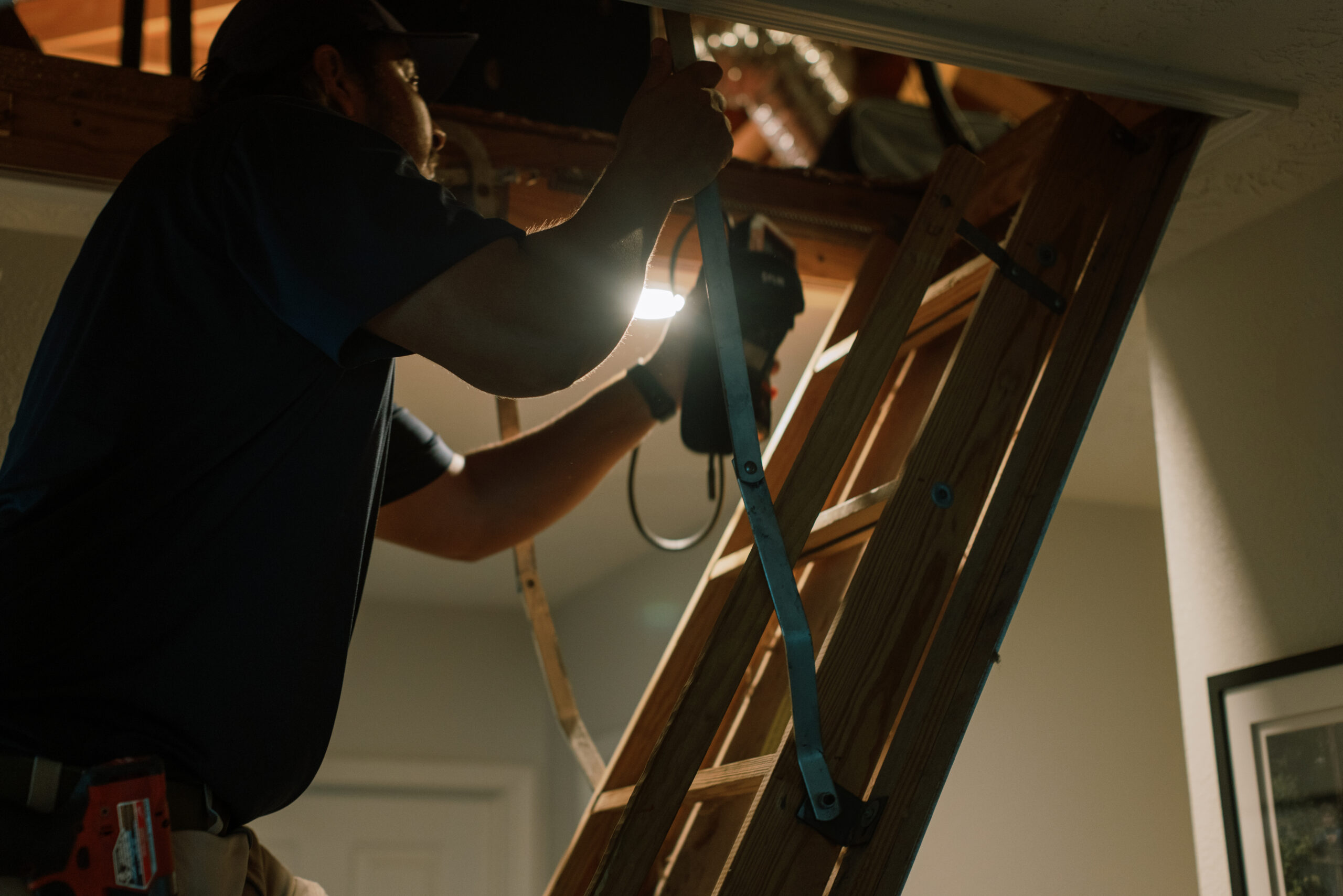
Malek HVAC technician evaluating residential ductwork
01

We Evaluate the Existing System First

Duct age alone does not determine replacement. We look at material condition, deterioration, repair history, airflow, connections, supports, and the surrounding system before defining the project.

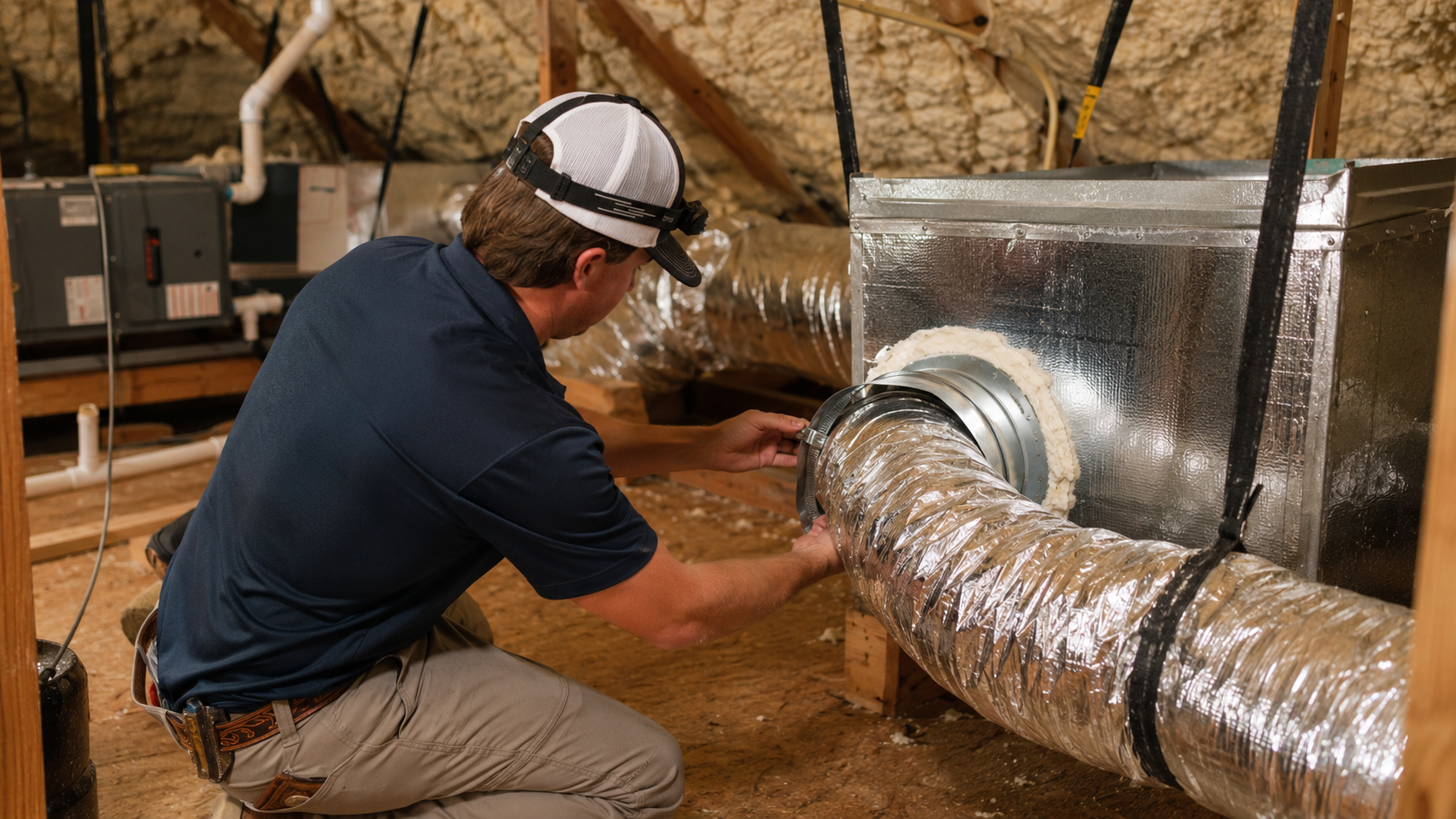
Residential attic ductwork being installed and replaced
02

The Replacement Scope Follows the Actual Condition

One deteriorated run does not automatically mean every duct in the home needs to be replaced. The project should match the sections that are no longer serviceable rather than expanding the scope unnecessarily.

Malek HVAC professional explaining ductwork findings to a homeowner
03

You Understand What Is Being Replaced and Why

We explain which duct sections have reached the point where replacement makes sense, what can remain in place, and whether separate sealing or design concerns should be addressed independently.

Continue Learning

Learn More Before Replacing Your Ductwork

Duct replacement can raise questions about repair versus replacement, project investment, system age, and how much of the ductwork actually needs to be replaced. These resources can help you make sense of those decisions.

02 Investment Guide

Duct Replacement Investment Guide

Learn how project size, duct material, accessibility, number of runs, fittings, transitions, removal requirements, and installation complexity can affect the investment required for duct replacement.

View the Investment Guide
03 Article

How Long Does Ductwork Last?

Learn how duct material, installation quality, attic conditions, physical damage, insulation condition, and repair history can influence how long residential ductwork remains serviceable.

Read the Article
Duct Replacement FAQs

Questions Homeowners Ask About Replacing Ductwork

Homeowners often want to know when replacement makes more sense than repair, whether every duct has to be replaced, how old ductwork factors into the decision, and what a replacement project can actually improve.

Replacement may make more practical sense when deterioration or physical damage affects larger portions of the duct system, multiple sections continue failing, or the surrounding material is no longer in condition to support reliable repairs.

Customer Stories

Service People Remember.

Homeowners across Bryan–College Station and Northwest Houston trust Malek for clear explanations, careful diagnostics, and professionals who treat their homes with respect.

Protect Your Home. Understand What It Needs.

Stay ahead of unexpected HVAC, plumbing, and electrical problems with routine system checks, priority service, repair savings, and guidance from professionals who explain before they recommend.

Explore the Total Protection Plan

Get Clear Answers About Aging or Deteriorated Ductwork

Find Out What Actually Needs to Be Replaced Before Planning a Larger Ductwork Project

Malek evaluates duct condition, deterioration, repair history, airflow, connections, support, and surrounding materials so you can understand which sections remain serviceable and where replacement may make more practical sense.

Existing duct condition evaluated Replacement scope reviewed Options explained clearly
electrical-upgrades-for-home​s