Professional Electrical Panel Repair
Repair Electrical Panel Problems Before They Become Larger Concerns
A damaged breaker, loose connection, overheated component, corrosion, or another isolated panel problem does not always mean the entire electrical panel needs to be replaced. Malek’s licensed electricians evaluate the equipment, identify what is failing, and explain whether a targeted repair can restore dependable operation.
Complete panel evaluation
Repair before replacement when practical
Clear findings and next steps
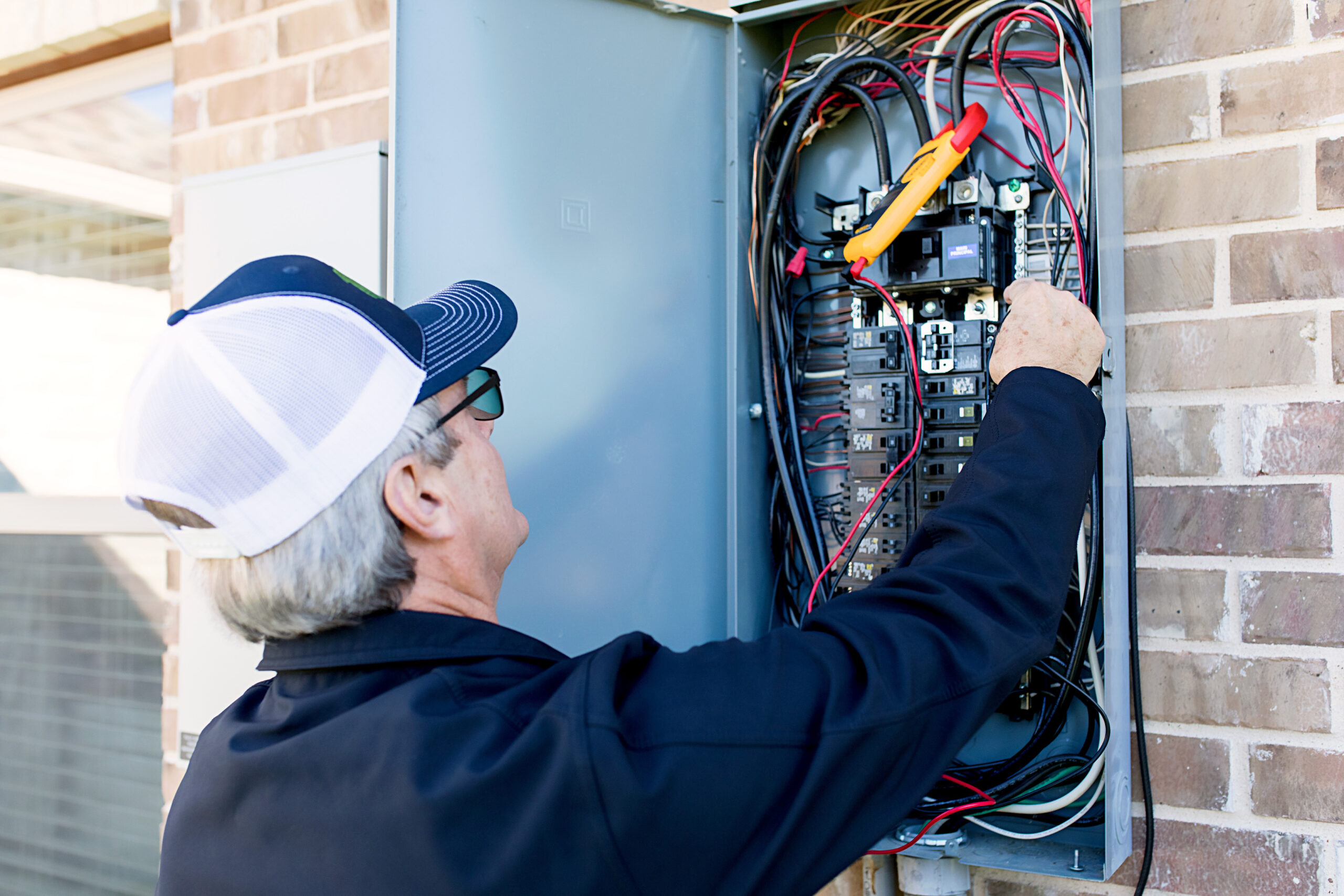
We evaluate breakers, connections, internal components, visible damage, heat, corrosion, and compatibility before recommending repair.
Common Reasons to Schedule Electrical Panel Repair
Signs of an Electrical Panel Problem
Small Panel Problems Can Create Noticeable Changes Throughout the Home
Panel concerns do not always begin with a complete power failure. Breakers, connections, and internal components can deteriorate gradually, creating repeated symptoms that become easier to overlook over time.
One Breaker Keeps Tripping
Repeated trips may involve a worn breaker, loose connection, excessive circuit demand, damaged equipment, or a wiring condition that needs to be identified before the breaker is replaced.
A Breaker Will Not Reset or Stay On
A breaker that immediately trips again or will not remain engaged may be responding to an active circuit problem, internal breaker failure, damaged connection, or another unsafe condition.
The Panel Buzzes, Crackles, or Pops
New or changing sounds can point to a loose connection, failing breaker, damaged component, electrical arcing, or equipment under abnormal load.
A Breaker or Panel Area Feels Warm
Noticeable warmth may involve excessive electrical demand, connection resistance, damaged breaker contacts, loose conductors, or another source of overheating inside the panel.
Power Is Intermittent on One Circuit
Outlets, lights, or appliances that lose and regain power may be affected by an unstable breaker, loose connection, damaged bus contact, or another circuit-level concern.
Corrosion or Moisture Is Visible
Rust, water staining, condensation, or corrosion can damage breakers, conductors, connections, and internal panel components. The source and extent of the moisture should be evaluated.
Do Not Ignore Immediate Electrical Danger
Smoke, active sparking, burning odors, visible melting, or electrical shock need prompt attention.
Avoid opening the panel or touching damaged electrical equipment. Move away from active smoke or fire, contact emergency services when necessary, and arrange professional electrical evaluation once the area is safe.
Why Panel Evaluation Comes First
A Panel Symptom Does Not Automatically Mean the Entire Panel Has Failed
Repeated breaker trips, buzzing, warmth, intermittent power, corrosion, or a breaker that will not reset may come from one damaged component, an affected circuit, a loose connection, excessive electrical demand, or a broader condition inside the panel.
Malek evaluates the breaker, connected circuit, conductors, terminations, panel components, visible heat or moisture damage, and overall equipment condition before explaining whether a targeted repair is appropriate or a larger solution should be considered.
Why Electrical Panel Problems Happen
Common Causes of Electrical Panel Damage
Panel problems can develop from normal wear, repeated electrical stress, loose connections, moisture, damaged breakers, excessive heat, or conditions elsewhere on a connected circuit.
Malek evaluates the panel and the affected circuit together so the source is addressed—not just the visible symptom inside the panel.
Worn or Damaged Circuit Breakers
Breakers can weaken after years of normal operation, repeated tripping, excessive heat, internal damage, or poor contact with the panel bus. A failing breaker may trip too easily, refuse to reset, operate intermittently, or stop protecting the circuit properly.
Loose or Deteriorated Panel Connections
Electrical connections can loosen through heat cycling, vibration, improper installation, previous work, or normal aging. Increased resistance at a loose termination can create heat, buzzing, voltage changes, intermittent power, and damage to nearby components.
Repeated Overloads or Excessive Circuit Demand
A circuit that regularly carries more demand than it was designed to support may repeatedly trip its breaker and place added stress on panel components. Portable heaters, kitchen appliances, HVAC equipment, tools, and newly added devices can all contribute.
Overheating or Electrical Arcing
Loose contacts, damaged breakers, poor conductor terminations, and abnormal electrical load can generate heat or arcing inside the panel. These conditions may leave discoloration, melted material, damaged insulation, unusual odors, or visible surface damage.
Moisture, Rust, and Corrosion
Water intrusion, condensation, plumbing leaks, exterior exposure, or damaged service equipment can introduce moisture into or around the panel. Corrosion can affect breakers, conductors, terminals, bus surfaces, and the enclosure itself.
Improper Breakers, Modifications, or Previous Repairs
Incorrect breaker types, incompatible components, crowded conductors, double-tapped terminals, missing protection, and other installation problems can affect panel performance. Previous work may need correction even when the panel itself can remain in service.
What to Expect
What Happens During Electrical Panel Repair
Panel repair should begin by identifying why the component failed—not simply replacing the visible part. Malek evaluates the panel, affected breaker, connected circuit, and surrounding conditions before explaining whether a focused repair can safely restore dependable operation.
Review the Symptoms
Start With What the Panel Has Been Doing
Your electrician asks about repeated breaker trips, buzzing, warmth, odors, intermittent power, recent electrical changes, moisture exposure, and which rooms, appliances, or circuits are affected.
Evaluate the Panel
Review Breakers, Connections, and Visible Equipment Condition
Accessible breakers, conductors, terminations, bus contacts, grounding and bonding conditions, signs of heat, corrosion, moisture, previous modifications, and overall panel condition are reviewed.
Test the Affected Circuit
Confirm What Caused the Panel Component to Fail
Testing may be used to evaluate voltage, load, breaker behavior, continuity, grounding, conductor condition, connected equipment, and circuit demand so the repair does not leave the underlying problem unresolved.
Review the Findings
Explain Whether a Targeted Repair Is Appropriate
Malek explains which component or connection is damaged, what may have caused it, whether compatible replacement parts are available, and whether the remaining panel is still serviceable.
Repair and Verify
Complete the Approved Work and Recheck Operation
Approved repair work may include replacing a compatible breaker, correcting a connection, repairing a conductor termination, addressing isolated damage, or correcting previous installation concerns. The affected circuit and panel operation are then checked when conditions allow.
Get Clear Answers About the Panel Problem
Dealing With a Tripping Breaker, Buzzing Panel, or Intermittent Power?
Malek’s licensed electricians evaluate the affected breaker, connected circuit, panel components, conductor terminations, visible heat or moisture damage, and overall equipment condition before explaining whether a focused repair is appropriate or a larger solution should be considered.
Serving Bryan–College Station and Northwest Houston
Why Choose Malek
Electrical Panel Repair You Can Feel Confident About
Dependable panel repair starts with understanding what failed and why. Malek’s licensed electricians evaluate the affected breaker, connected circuit, conductor terminations, visible panel components, equipment condition, and signs of heat or moisture before explaining whether a focused repair is the right solution.
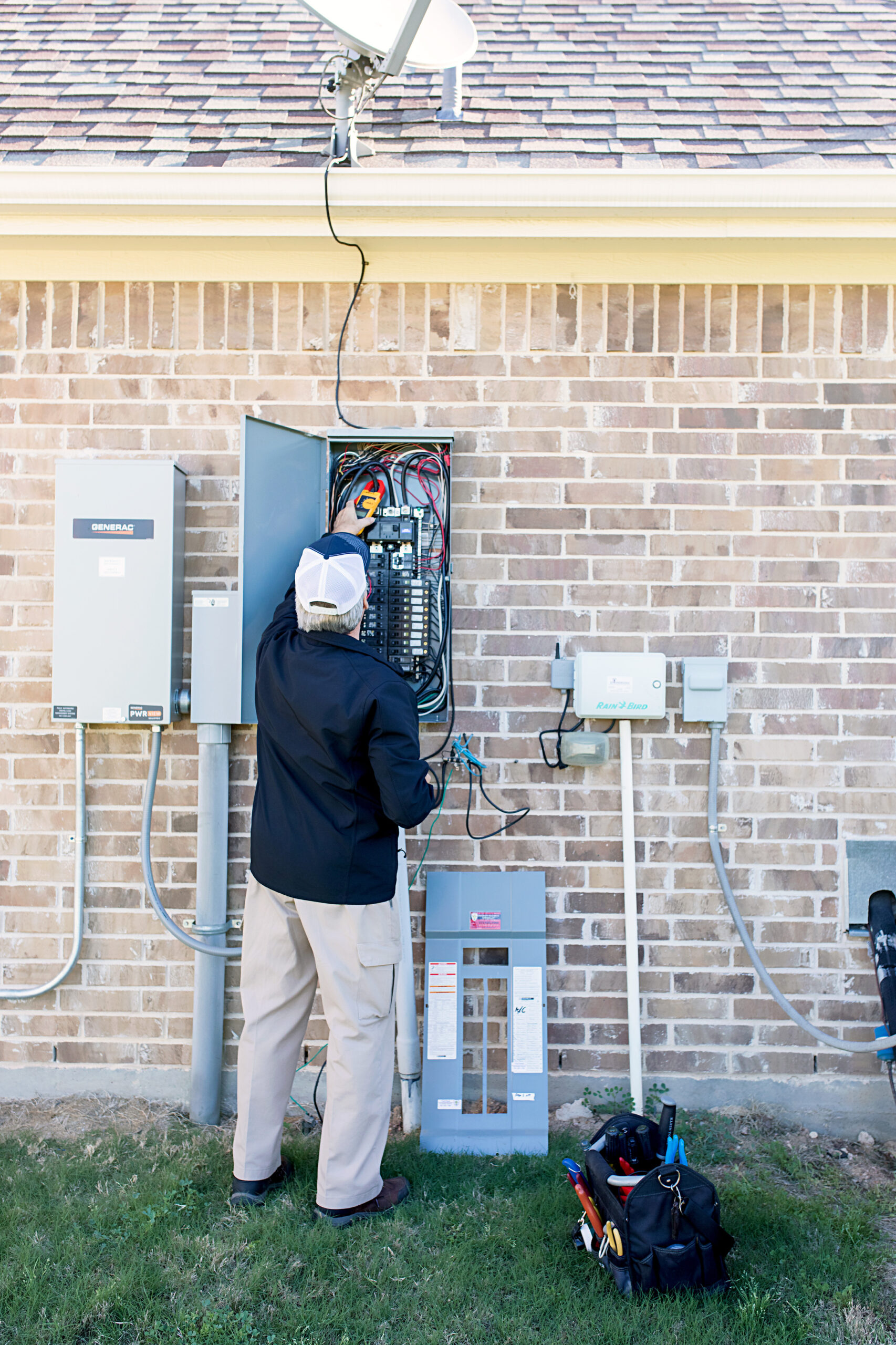
A Complete Panel Evaluation
We review the reported symptoms, affected breaker, connected circuit, accessible conductors, terminations, panel components, heat patterns, corrosion, moisture exposure, and previous electrical work before recommending repair.

The Cause Is Addressed With the Damage
A failed breaker or damaged connection may be responding to excessive circuit demand, faulty equipment, loose wiring, moisture, or another condition. We evaluate both the visible damage and what contributed to it.
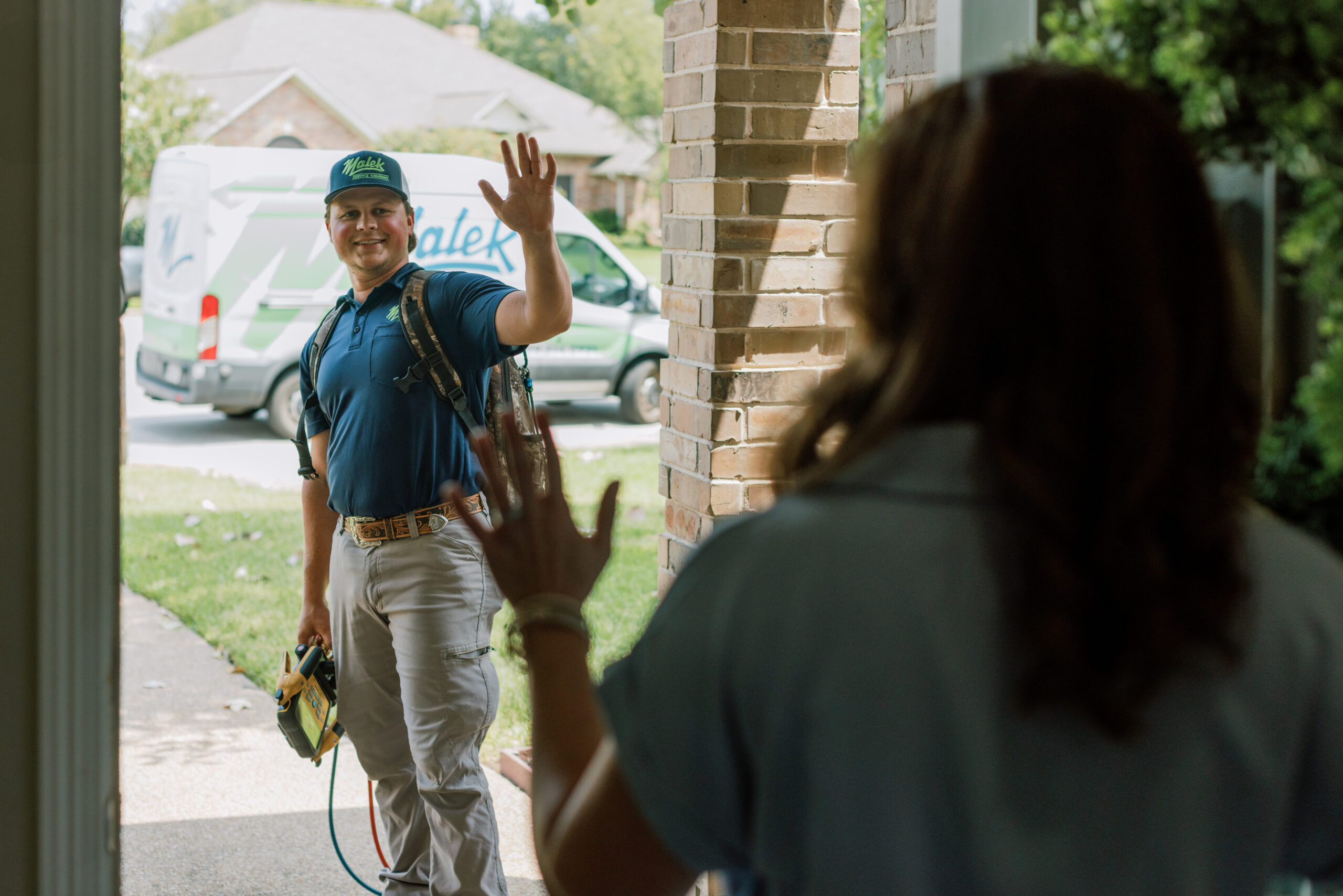
Clear Repair or Replacement Guidance
We explain what can be repaired, which components are compatible, whether the remaining panel is serviceable, and when replacement or an upgrade would provide the more dependable long-term solution.
Not Sure Whether Your Panel Can Be Repaired?
Malek can evaluate the damaged component, connected circuit, overall panel condition, available capacity, and repair history before explaining whether focused repair, panel replacement, or an upgrade makes practical sense.
Beyond Electrical Panel Repair
Additional Panel and Electrical Support for Your Home
A focused panel repair may correct an isolated failure, but evaluation can also reveal aging equipment, limited capacity, wider circuit concerns, or conditions that make replacement or an upgrade the more practical long-term solution.
The right next step depends on the panel’s condition, available components, capacity, repair history, and the extent of the damage.
Continue Learning
Understand What Your Electrical Panel May Be Telling You

Panel symptoms do not always point to the same solution. These guides explain when repair may be practical, which warning signs deserve attention, and when replacement may offer the more dependable path.
Repair or Replace Your Electrical Panel?
Compare panel repair and replacement based on equipment condition, damage, compatible part availability, capacity, repair history, corrosion, reliability, and the expected life of the remaining components.
Read the Decision Guide →Signs Your Electrical Panel Needs Replacement
Learn which symptoms may suggest the problem extends beyond one breaker or connection, including widespread corrosion, recurring failures, damaged equipment, excessive heat, obsolete components, and limited electrical capacity.
Review the Warning Signs →Why Is My Electrical Panel Buzzing?
Buzzing, humming, crackling, or popping may involve a breaker under abnormal load, a loose connection, electrical arcing, damaged equipment, or another panel condition that should be evaluated.
Read the Problem Guide →Looking for more guidance about electrical panels, repairs, safety, and warning signs?
Visit the Learning Center →Electrical Panel Repair FAQs
Questions Homeowners Often Ask Before Scheduling Panel Repair
Electrical panel repair questions often involve tripping breakers, buzzing, heat, corrosion, intermittent power, damaged components, and knowing whether the panel can be repaired or should be replaced.
Repair may be possible when the problem is limited to a compatible breaker, loose connection, damaged termination, isolated conductor issue, or another replaceable component and the remaining panel is still serviceable.
Not necessarily. A breaker may trip because of an overloaded circuit, short circuit, ground fault, damaged wiring, loose connection, or failing connected equipment. The circuit should be evaluated before the breaker is replaced.
Buzzing or crackling may involve a breaker under abnormal load, a loose connection, damaged contact, electrical arcing, failing equipment, or another panel condition. New or changing sounds should be professionally evaluated.
Noticeable or increasing warmth can indicate excessive circuit demand, connection resistance, a damaged breaker, loose conductor, or another overheating condition. Burning odors, discoloration, or visible melting require prompt attention.
Limited corrosion may sometimes be addressed when affected components can be safely replaced and the remaining equipment is undamaged. Widespread corrosion, damaged bus surfaces, or continued moisture exposure may make replacement more practical.
Replacement may be the better option when damage is extensive, compatible parts are unavailable, equipment is obsolete, corrosion is widespread, failures are recurring, or the panel no longer provides appropriate capacity for the home.
Timing depends on the failed component, circuit condition, accessibility, compatible part availability, extent of damage, and whether the connected circuit requires additional testing or repair before panel operation can be verified.
Yes. Malek provides residential electrical panel evaluation and repair throughout Bryan–College Station and Northwest Houston. Appointment availability may vary by location and repair needs.
Customer Stories
Service People Remember.
Homeowners across Bryan–College Station and Northwest Houston trust Malek for clear explanations, careful diagnostics, and professionals who treat their homes with respect.
Posted on Google margaret hallTrustindex verifies that the original source of the review is Google. He did a great job getting my heat back up running and explaining to me what I need to do with the new thermostat . No charge cause I have the maintenance agreement.Posted on Google Gary GardnerTrustindex verifies that the original source of the review is Google. Excellent service from Malek. Michael has been out before to both home and business and has always been very professional and helpful. Would definitely recommend in B/CS.Posted on Google Zachary HoffpauirTrustindex verifies that the original source of the review is Google. Daniel was great - willing to explain the situation and the options for fixing. Extremely kind and patient with us! Was able to come out same day and get the issue solved quickly. Highly revPosted on Google Sam RayTrustindex verifies that the original source of the review is Google. GreatPosted on Google Anthony HostetlerTrustindex verifies that the original source of the review is Google. Quick and professional. Didn’t leave a mess. Heating went out during cold snap. Came out the next day and fixed the problem quickly. Very satisfied.Posted on Google Calvin GreerTrustindex verifies that the original source of the review is Google. Marshall did a thorough job on maintenance inspection, explaining the findings, and providing the mitigating options.
Protect Your Home. Understand What It Needs.
Stay ahead of unexpected HVAC, plumbing, and electrical problems with routine system checks, priority service, repair savings, and guidance from professionals who explain before they recommend.
Explore the Total Protection Plan →Get Clear Answers About the Panel Problem
Repair the Right Component Without Replacing More Than You Need
Malek can evaluate the affected breaker, connected circuit, panel components, conductor terminations, visible heat or moisture damage, and overall equipment condition before explaining whether a focused repair can restore dependable operation.