Professional Whole-Home Generator Installation
Backup Power Designed Around Your Home
Whole-home generator installation starts with understanding how your home uses power. Malek evaluates electrical demand, backup priorities, fuel availability, transfer equipment, installation location, and property conditions before recommending a system designed around the way your household actually operates.
Home electrical load evaluation
Generator sizing based on actual needs
Clear installation scope and guidance
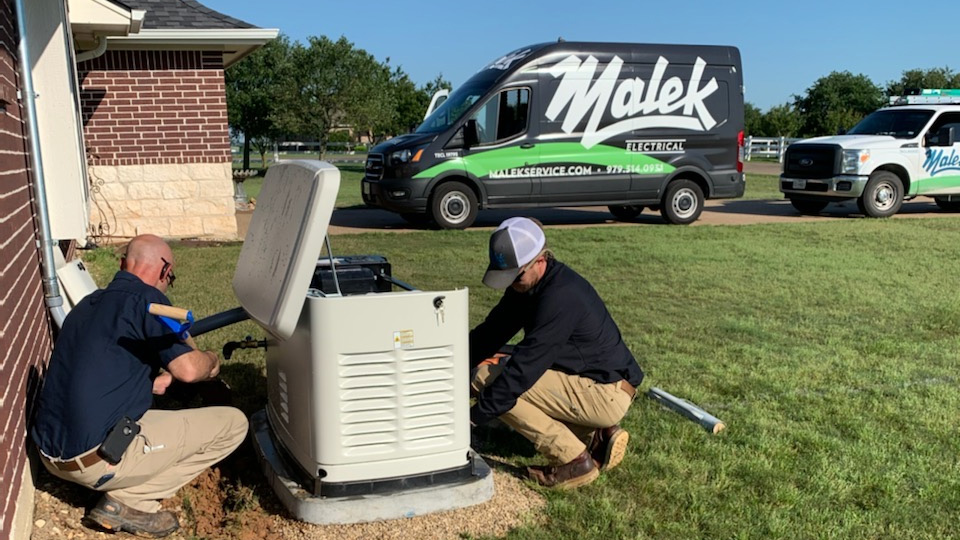
We review electrical demand, essential loads, fuel availability, transfer requirements, placement, and installation conditions before recommending a system.
What We Consider Before Recommending a Generator
When a Whole-Home Generator May Make Sense
Backup Power Can Protect More Than Convenience
A whole-home generator may make sense when an outage affects comfort, refrigeration, medical needs, work, security, water systems, or other parts of daily life that are difficult to leave without power.
Power Outages Are a Recurring Concern
Severe weather, grid interruptions, equipment failures, and utility events can leave a home without power for hours or longer. A standby generator can provide an automatic backup source when outages occur.
You Want Air Conditioning Available During an Outage
Texas heat can make extended outages uncomfortable quickly. Generator capacity and HVAC startup demand should be evaluated carefully when air conditioning is a backup-power priority.
Your Home Relies on Essential Electrical Equipment
Refrigeration, medical equipment, security systems, pumps, communications equipment, and other important loads may make reliable backup power more valuable to the household.
You Work From Home or Depend on Reliable Connectivity
Home offices, internet equipment, computers, and communication systems can become difficult to use during extended outages. Backup power can help maintain critical household connectivity.
You Want Automatic Backup Instead of Portable Equipment
Standby generators can start automatically and work through a transfer switch without requiring the homeowner to move equipment, run extension cords, or manually connect loads during an outage.
You Want a More Complete Long-Term Backup Plan
A properly designed standby system can provide a more permanent backup-power solution than temporary equipment, especially when outages are a recurring concern or the home has several essential electrical loads.
Sizing Matters
Generator size should be based on actual electrical demand—not just the size of the house.
Air conditioning equipment, pumps, appliances, electric heating, medical equipment, and other loads can significantly change generator requirements. Proper sizing helps prevent an undersized system while avoiding unnecessary equipment capacity.
Why Evaluation Comes Before Installation
A Whole-Home Generator Should Be Designed Around Your Home
The right generator depends on more than the size of the house. Electrical demand, air conditioning loads, the systems you want available during an outage, fuel availability, transfer equipment, generator placement, and property conditions all affect how the backup-power system should be designed.
Malek reviews your electrical system, backup-power priorities, available fuel source, installation location, transfer requirements, and household needs before explaining which generator size and installation approach make practical sense for your home.
What Shapes a Generator Installation
The Right Generator Depends on More Than the Size of the House
Whole-home generator installation is a system-design decision. Electrical demand, HVAC equipment, fuel availability, transfer equipment, property layout, and the loads you want available during an outage all affect the final recommendation.
Malek evaluates the home as a complete system before recommending generator capacity, placement, transfer equipment, and an installation approach.
Generator Capacity Should Match the Loads You Actually Want to Power
Refrigeration, lighting, outlets, pumps, appliances, HVAC equipment, and other systems all add to the home’s electrical demand. Proper sizing starts by identifying which loads should remain available during an outage and how much power they require.
Air Conditioning Can Significantly Affect Generator Sizing
Air conditioners and other motor-driven equipment can require more power when they start than while they are running. In Texas homes, HVAC demand often plays an important role in determining generator capacity and load-management strategy.
Natural Gas or Propane Availability Influences the Installation Plan
Standby generators require a dependable fuel source. Existing gas service, meter capacity, propane storage, generator demand, and the distance between the fuel source and equipment can all affect how the system is designed.
The Transfer Switch Determines How Backup Power Reaches the Home
An automatic transfer switch detects a utility outage and allows the generator to supply the selected electrical loads. Panel configuration, service size, generator capacity, and backup-power priorities all influence the transfer equipment used.
Generator Placement Must Work With the Property and the Home
Equipment clearances, airflow, access for future service, proximity to electrical and fuel connections, drainage, property layout, and local requirements can all affect where a standby generator can be installed.
Not Every Home Needs Every Circuit Powered During an Outage
Some homeowners want nearly full-home coverage, while others care most about air conditioning, refrigeration, lighting, medical equipment, security systems, or other essential loads. The right design should reflect those priorities instead of automatically maximizing equipment size.
What to Expect
What Happens During Whole-Home Generator Installation
A whole-home generator project starts with understanding the electrical loads you want to support, the home’s service equipment, available fuel, placement options, and transfer requirements. Malek develops the installation plan first, then completes the electrical and equipment work and verifies that the backup-power system operates as intended.
Evaluate the Home
Review Electrical Demand and Backup-Power Priorities
Malek reviews the electrical service, panel configuration, HVAC equipment, appliances, essential loads, and the systems you want available during an outage. This establishes the electrical demand the generator may need to support.
Design the Backup-Power Plan
Match Generator Capacity and Transfer Equipment to the Home
Generator size, automatic transfer equipment, load-management needs, and the proposed electrical configuration are selected around the home’s actual demand rather than square footage alone.
Plan the Installation Site
Confirm Placement, Fuel, Access, and Installation Conditions
The proposed generator location is reviewed for equipment clearances, airflow, drainage, electrical routing, fuel access, service accessibility, property conditions, and applicable installation requirements.
Install the Generator System
Complete the Generator, Transfer, and Electrical Connections
The generator and related equipment are installed according to the approved project scope. Electrical connections, transfer equipment, fuel coordination, controls, and associated installation work are completed as required for the selected system.
Test and Review
Verify Automatic Operation and Explain the Finished System
The completed system is tested to verify startup, transfer operation, electrical performance, and return to utility power. Malek then reviews basic operation, maintenance expectations, and what the homeowner should know before the next outage.
Get Clear Answers About Whole-Home Generator Installation
Want Backup Power Designed Around the Way Your Home Actually Uses Electricity?
Malek evaluates your electrical demand, HVAC equipment, backup-power priorities, fuel availability, transfer equipment, installation location, and property conditions before explaining which generator size and installation approach make practical sense for your home.
Serving Bryan–College Station and Northwest Houston
Why Choose Malek
Whole-Home Generator Installation With a Clearly Defined Plan
Whole-home generator installation should be based on the way your home actually uses power. Malek reviews electrical demand, HVAC equipment, backup priorities, fuel availability, transfer requirements, installation location, and property conditions before defining the project scope.
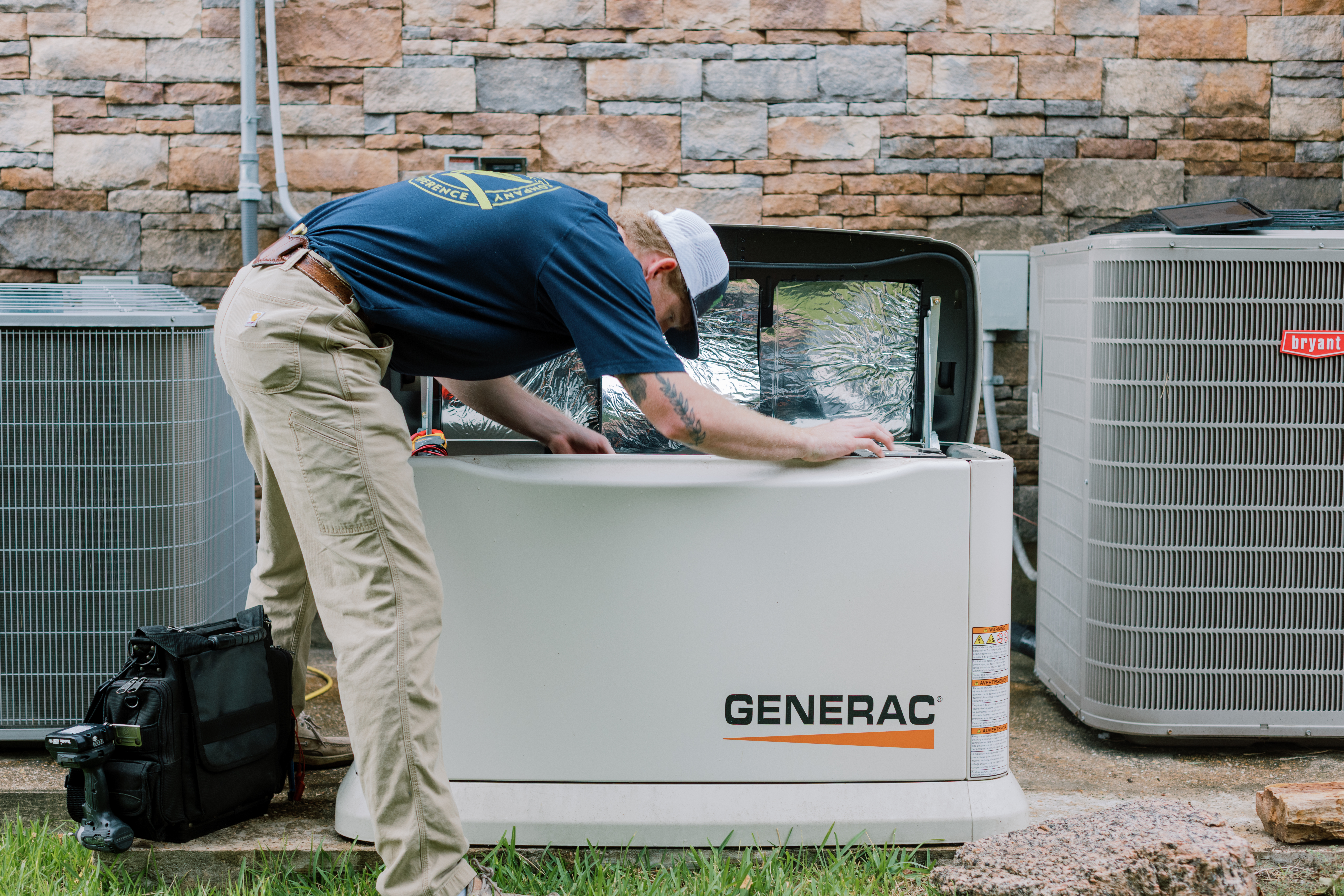
Generator Sizing Based on the Home’s Actual Needs
We evaluate the electrical service, HVAC equipment, essential loads, major appliances, and backup-power priorities before recommending generator capacity or a load-management approach.
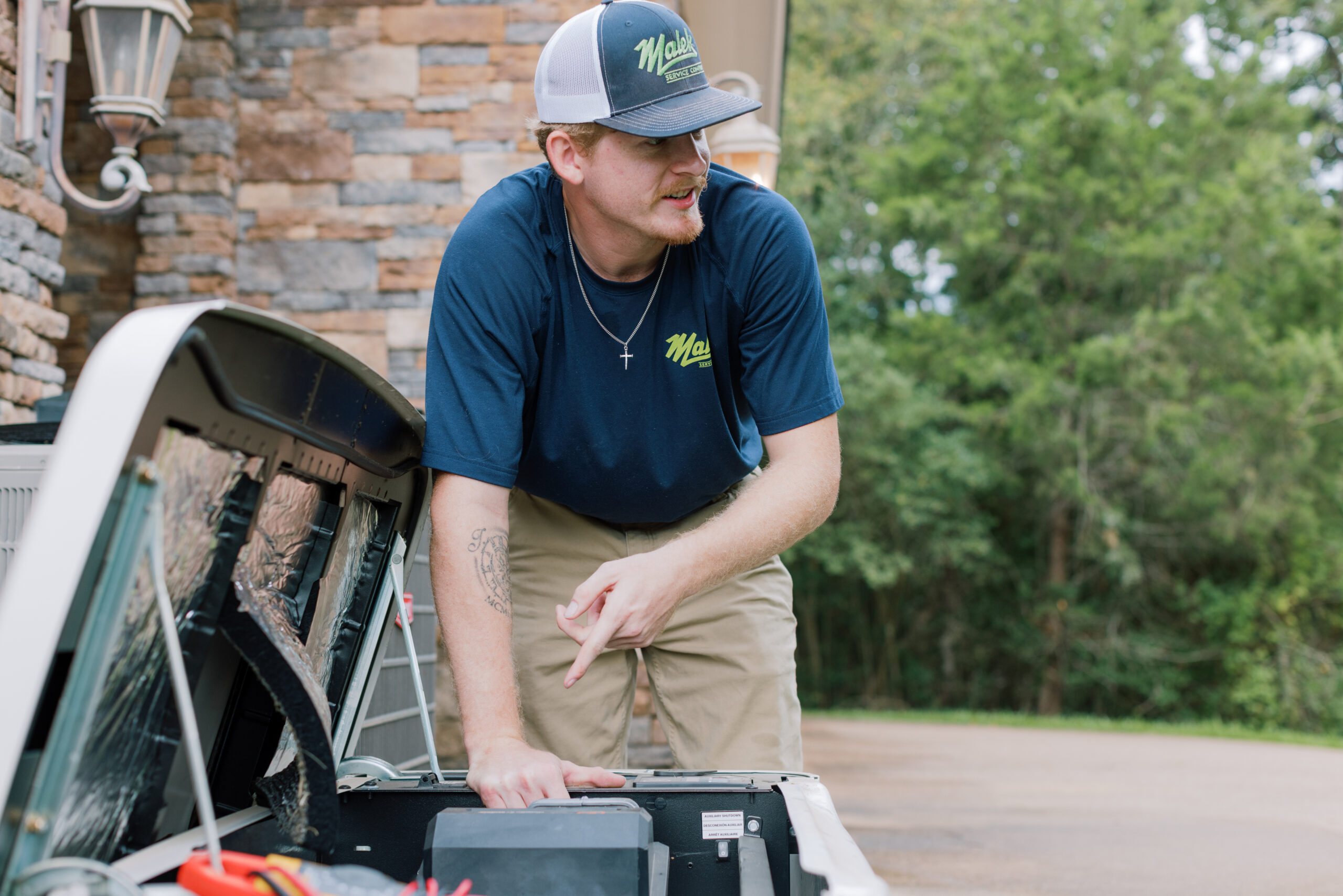
A Complete Installation Plan Before Work Begins
We explain the proposed generator, transfer equipment, placement, electrical scope, fuel requirements, expected project steps, and any conditions that may affect installation before the work begins.
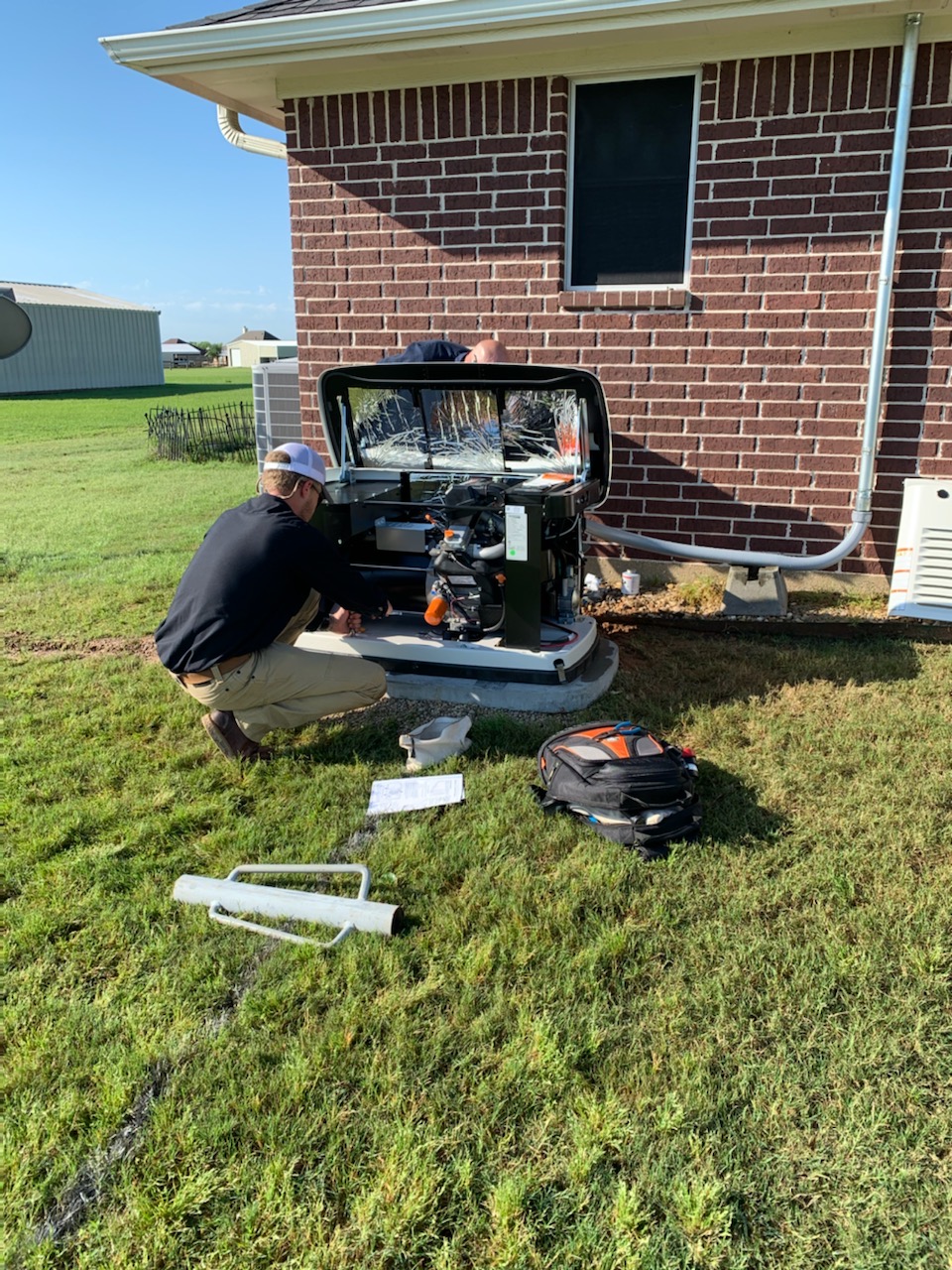
Clear Guidance About Coverage and Expectations
We explain what the proposed generator is designed to power, how the automatic transfer system works, what happens during an outage, and what ongoing maintenance the system will require.
Not Sure What Size Generator Your Home Needs?
Malek can evaluate your electrical demand, HVAC equipment, backup-power priorities, fuel options, and property conditions before explaining which generator size and installation approach make practical sense.
Beyond Generator Installation
Related Electrical Services for a Complete Backup-Power Plan
A standby generator is only one part of the home’s electrical system. The evaluation may also show that panel capacity, electrical repairs, surge protection, or ongoing generator maintenance should be considered as part of the overall backup-power plan.
Generator installation should work with the home’s existing electrical service, transfer equipment, fuel source, and major electrical loads—not operate as a stand-alone equipment decision.
Continue Learning
Learn More Before Choosing a Whole-Home Generator

Choosing a generator involves more than selecting equipment. These resources explain generator sizing, installation cost, backup-power value, fuel choices, and the decisions that shape the right system for your home.
Is a Whole-Home Generator Worth It?
Compare outage frequency, comfort needs, essential electrical loads, convenience, long-term ownership, and household priorities before deciding whether a standby generator makes sense for your home.
Read the Decision Guide →Whole-Home Generator Investment Guide
Learn what influences generator installation cost, including generator capacity, transfer equipment, electrical work, fuel connections, placement, site conditions, and overall project scope.
Explore the Investment Guide →What Size Whole-Home Generator Do I Need?
Understand how air conditioning, appliances, pumps, essential circuits, startup demand, and the level of backup coverage you want affect generator sizing.
Understand Generator Sizing →Looking for more guidance about generators, electrical safety, and protecting your home?
Visit the Learning Center →Whole-Home Generator Installation FAQs
Questions Homeowners Ask About Whole-Home Generator Installation
Homeowners often ask how generator sizing works, what a standby generator can power, how automatic transfer works, what installation involves, and what affects project cost and timing.
Generator sizing should be based on the electrical loads you want available during an outage. Air conditioning equipment, appliances, pumps, refrigeration, medical equipment, lighting, and other loads can all affect the required capacity. Malek evaluates the home’s actual electrical demand rather than relying on square footage alone.
It can, depending on generator capacity and the home’s electrical demand. Some systems are designed for broad whole-home coverage, while others prioritize essential loads such as air conditioning, refrigeration, lighting, security systems, pumps, and selected outlets. The installation plan should clearly define what the generator is intended to support.
Yes. A properly installed standby generator works with an automatic transfer switch. When utility power is interrupted, the system detects the outage, starts the generator, and transfers the designated electrical loads to backup power. When utility service returns, the system transfers back and the generator shuts down.
The timeline depends on the generator system, electrical scope, fuel connection, equipment placement, property conditions, permitting, inspections, and any utility or gas coordination required. Malek explains the anticipated project schedule after evaluating the home and defining the installation scope.
Standby generator systems typically use an automatic transfer switch to safely move the designated electrical loads between utility power and generator power. The correct transfer equipment depends on the electrical service, generator size, panel configuration, and the loads the system is designed to support.
Cost can be affected by generator capacity, transfer equipment, electrical work, fuel connections, equipment placement, distance between components, site preparation, permits, inspections, load management, and any electrical corrections needed for the installation.
In many cases, yes. The practical choice depends on available natural gas service, gas meter capacity, propane storage, generator demand, property layout, fuel availability, and homeowner preference. Malek reviews those conditions before recommending the installation approach.
Yes. Malek provides residential whole-home generator installation in Bryan–College Station and Northwest Houston. Equipment, scheduling, permitting, inspection, and coordination requirements may vary by location and project scope.
Customer Stories
Service People Remember.
Homeowners across Bryan–College Station and Northwest Houston trust Malek for clear explanations, careful diagnostics, and professionals who treat their homes with respect.
Posted on Google margaret hallTrustindex verifies that the original source of the review is Google. He did a great job getting my heat back up running and explaining to me what I need to do with the new thermostat . No charge cause I have the maintenance agreement.Posted on Google Gary GardnerTrustindex verifies that the original source of the review is Google. Excellent service from Malek. Michael has been out before to both home and business and has always been very professional and helpful. Would definitely recommend in B/CS.Posted on Google Zachary HoffpauirTrustindex verifies that the original source of the review is Google. Daniel was great - willing to explain the situation and the options for fixing. Extremely kind and patient with us! Was able to come out same day and get the issue solved quickly. Highly revPosted on Google Sam RayTrustindex verifies that the original source of the review is Google. GreatPosted on Google Anthony HostetlerTrustindex verifies that the original source of the review is Google. Quick and professional. Didn’t leave a mess. Heating went out during cold snap. Came out the next day and fixed the problem quickly. Very satisfied.Posted on Google Calvin GreerTrustindex verifies that the original source of the review is Google. Marshall did a thorough job on maintenance inspection, explaining the findings, and providing the mitigating options.
Protect Your Home. Understand What It Needs.
Stay ahead of unexpected HVAC, plumbing, and electrical problems with routine system checks, priority service, repair savings, and guidance from professionals who explain before they recommend.
Explore the Total Protection Plan →Plan Your Whole-Home Generator Installation With Confidence
Build a Backup-Power Plan Around the Way Your Home Actually Uses Electricity
Malek can evaluate your electrical demand, HVAC equipment, backup-power priorities, fuel availability, transfer requirements, generator placement, and property conditions before explaining which whole-home generator system and installation approach make practical sense for your home.