
AC Repair Guide
How AC Repair Works: From Diagnosis to Final Testing
AC repair is more than finding a failed part. A proper repair starts with understanding the symptoms, testing the system, identifying the cause, explaining the options, and confirming the problem is actually resolved after the work is complete.
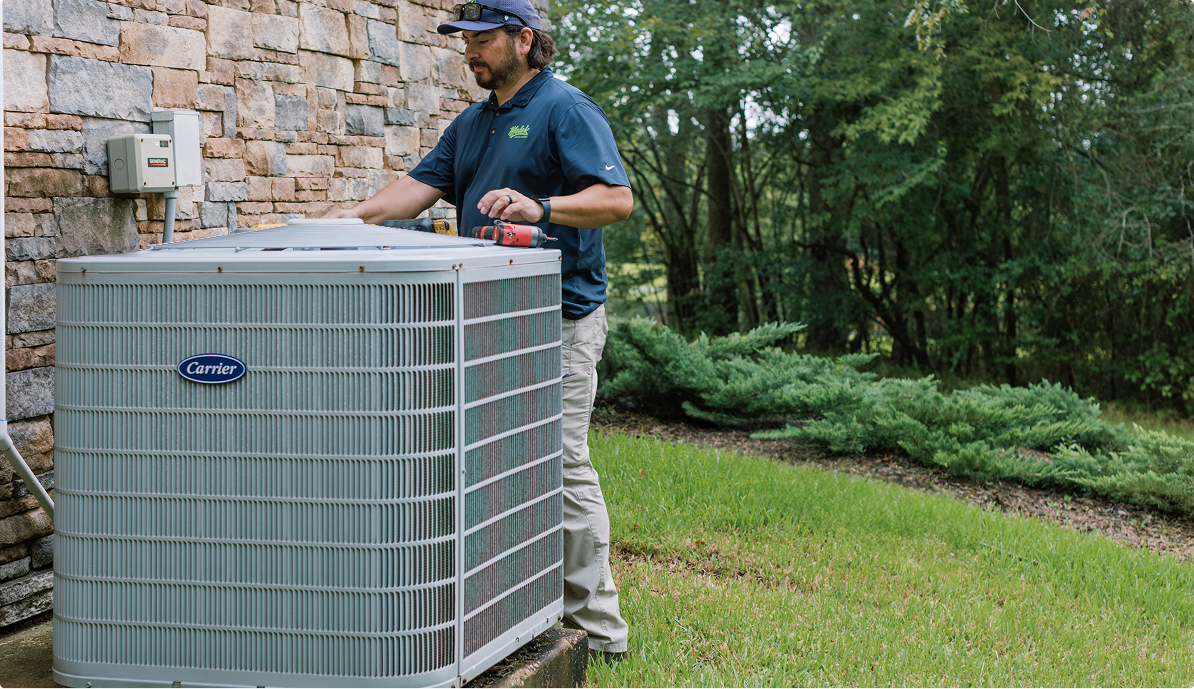
AC repair usually begins with diagnosis, not with replacing a part. A technician first confirms the homeowner's symptoms, evaluates how the system is operating, tests the components connected to the problem, identifies the underlying cause, and explains the repair options before work begins.
After an approved repair is completed, the system should be tested again to make sure the original problem has been corrected and that the air conditioner is operating as expected.
From Diagnosis to Final Testing
How the AC Repair Process Typically Works
The exact process depends on the symptom and the type of equipment, but most professional AC repair visits follow the same basic path. The goal is to move from what the homeowner is experiencing to a confirmed cause—not simply make assumptions based on the first symptom.
Explain What the System Is Doing
The visit usually starts with a conversation about the symptoms: when the problem began, whether the system stopped suddenly or gradually lost performance, which rooms are affected, and whether you noticed noises, odors, water, ice, breaker trips, or other changes.
Confirm the Problem
The technician operates the system when it is safe to do so and verifies the complaint. This helps distinguish a cooling problem from an airflow, thermostat, electrical, duct, drainage, or comfort-distribution issue.
Diagnose the Cause
The technician tests the parts of the system connected to the symptom. That may include airflow, electrical components, refrigerant performance, coils, motors, controls, thermostat operation, condensate drainage, or the outdoor unit.
Explain What Was Found
Once the cause is identified, the technician should explain what failed, why it matters, whether another condition contributed to the problem, and what options are available to restore reliable cooling.
Approve the Repair
Repair work should not begin until you understand the recommendation and approve the work. Depending on the issue, the repair may be completed during the same visit or may require a specific replacement component.
Complete and Test the Repair
After the repair, the system is operated again so the technician can confirm that the original symptom is resolved and the repaired equipment is functioning as expected.
Professional Diagnosis
What an AC Technician May Check During Diagnosis
There is no single checklist that applies to every AC problem. A technician should focus testing around the symptom and then expand the diagnosis when the results point elsewhere.
Settings, temperature readings, cooling calls, wiring, sensors, and communication between the thermostat and equipment may be checked.
The technician may evaluate filter condition, blower operation, supply airflow, return airflow, accessible ductwork, and other restrictions.
Capacitors, contactors, motors, wiring, controls, disconnects, and other electrical components may be tested when relevant to the failure.
Temperatures, pressures, coil conditions, and other operating measurements can help identify refrigerant loss, restrictions, or heat-transfer problems.
Dirty, restricted, damaged, or frozen coils can affect cooling, airflow, refrigerant performance, and system efficiency.
Drain lines, pans, switches, and moisture conditions may be checked when water leakage or drainage problems are part of the complaint.
The condenser fan, compressor, coil, electrical components, and overall outdoor-unit operation may be evaluated.
Once the immediate problem is identified, operating conditions can help confirm whether the repair restored normal system performance.
Common Repair Types
What an AC Repair Visit May Lead To
Some problems are relatively contained. Others involve more testing or larger components. The correct repair depends on what the diagnosis actually finds.
Capacitor or Contactor Repair
Electrical components can prevent a motor or compressor from starting or operating correctly even when other parts of the system remain functional.
Thermostat or Control Repair
A thermostat, sensor, control board, wiring problem, or communication fault can keep equipment from responding properly.
Blower or Fan Repair
Problems with the indoor blower or outdoor fan can reduce airflow, interrupt heat transfer, and cause the system to stop cooling correctly.
Condensate Drain Repair
Blocked drains, damaged pans, or safety-switch problems can cause leaking water or shut the cooling system down.
Refrigerant Leak Repair
When refrigerant is low, the source of the loss should be identified. The appropriate repair depends on the location and condition of the leaking component.
Coil or Compressor Repair
Larger refrigeration-system failures require a closer comparison of repair scope, system age, overall condition, and long-term reliability.
What a Professional Repair Should Give You Besides Cold Air
A clear diagnosis. You should understand what caused the problem rather than only being told which component is being replaced.
An explanation of your options. When more than one reasonable path exists, the differences should be understandable before you decide.
Testing after the repair. The system should be operated again so the technician can verify that the original issue has been corrected.
Context about the rest of the system. A repair recommendation should consider system condition without turning every service call into an unnecessary replacement conversation.
Repair Timing
How Long Does AC Repair Take?
There is no single repair time because AC problems vary significantly. A straightforward electrical component repair may be completed during the diagnostic visit, while refrigerant leaks, motor failures, coil problems, compressor repairs, or uncommon equipment may require more time or a specific replacement part.
Smaller Component Repairs
- Common electrical components
- Some thermostat problems
- Minor condensate issues
- Accessible wiring or control problems
Intermittent Problems
- Occasional system shutdowns
- Inconsistent cooling
- Repeated icing
- Problems that occur only under certain conditions
Larger System Repairs
- Refrigerant leaks
- Coil replacement
- Compressor problems
- Special-order or equipment-specific components
Final Testing
What Happens After the AC Repair Is Completed?
Installing the replacement component is not necessarily the last step. The technician should operate the system again and make sure the original symptom has actually been corrected.
Restart the System
The air conditioner is returned to operation so the repaired component can be evaluated under normal running conditions.
Confirm the Original Problem Is Gone
The technician checks whether the symptom that led to the service call—such as no cooling, weak airflow, noise, water, or repeated shutdowns—has been resolved.
Review System Operation
Relevant operating conditions are checked again to make sure the repair did not simply change the symptom while leaving the underlying problem unresolved.
Explain the Completed Work
Before the visit ends, you should understand what was repaired, what the technician observed, and whether there is anything worth monitoring going forward.
Start With the Diagnosis
Need Help Finding Out What Your AC Is Doing?
Malek can diagnose the cooling problem, explain what is happening inside the system, and walk you through the repair options before work begins.
When the Diagnosis Is Bigger
Does an AC Repair Visit Ever Turn Into a Replacement Conversation?
Sometimes. Discovering a failed component does not automatically mean the system should be replaced, but certain findings deserve a broader comparison before investing in a major repair.
Repair May Still Make Sense When
- The failure is isolated and repairable
- The system has otherwise been reliable
- The equipment still meets the home's cooling needs
- The rest of the system is in reasonable condition
- The repair provides a sensible path back to reliable operation
Compare Replacement When
- Major repairs are becoming frequent
- Several expensive components are deteriorating
- The equipment no longer cools the home effectively
- A major compressor, coil, or refrigerant-system repair is needed
- System age and condition make another large repair difficult to justify
Before the Technician Arrives
A Few Details Can Make AC Diagnosis Easier
You do not need to diagnose the system yourself. But a few observations can help the technician understand when and how the problem occurs.
Note When the Problem Started
Think about whether the AC failed suddenly, gradually lost cooling, or has been behaving inconsistently for several days.
Remember Unusual Symptoms
Noises, odors, water, ice, weak airflow, thermostat changes, or breaker trips can provide useful clues during diagnosis.
Avoid Repeated Resets
If a breaker repeatedly trips or the equipment repeatedly shuts itself down, do not continue resetting it just to keep the system running.
Provide Access to the Equipment
Clear reasonable access to the thermostat, indoor equipment, and outdoor unit so the technician can evaluate the system safely.
Frequently Asked Questions
Questions About How AC Repair Works
What happens during an AC repair appointment?
A technician typically starts by discussing the symptoms, confirming the problem, testing the relevant parts of the system, identifying the cause, and explaining the recommended repair. After approved work is completed, the system is tested again.
Does the technician diagnose the AC before making repairs?
Yes. Diagnosis should come before the repair recommendation. Many AC symptoms can have several possible causes, so testing helps determine which component or condition is actually responsible.
Can an AC repair usually be completed during the same visit?
Many common repairs can be completed during the initial visit when the needed component is available. Larger repairs, unusual equipment, refrigerant leaks, coils, compressors, or equipment-specific parts may require additional time.
How does a technician know which AC part failed?
Technicians use the system's symptoms along with electrical, airflow, temperature, pressure, control, and mechanical testing as appropriate. The exact tests depend on what the air conditioner is doing.
Why does my AC need to be tested after the repair?
Final testing helps confirm that the repair corrected the original symptom and that the affected part of the system is operating as expected after the work is completed.
Does an AC repair appointment mean I will be told to replace the system?
No. Many AC problems are appropriate to repair. Replacement becomes a separate comparison when the diagnosis reveals a major failure, repeated breakdowns, widespread deterioration, or other conditions that make another large repair worth evaluating carefully.
How long does AC repair usually take?
Repair time depends on the failure. Some common electrical or control repairs may be relatively straightforward, while refrigerant leaks, coil problems, compressor failures, or special-order components can require more time.
How much does AC repair cost?
AC repair cost depends on the diagnosis, failed component, labor involved, equipment type, and whether additional problems must be corrected. A diagnostic visit is needed before the actual repair scope can be known.