
AC Problem Guide
Signs Your AC May Fail Before Summer
Air conditioners often show changes in performance before they stop cooling completely. Longer run times, weaker airflow, unusual sounds, rising energy use, and repeated repairs can all provide clues that a system deserves attention before peak Texas heat arrives.
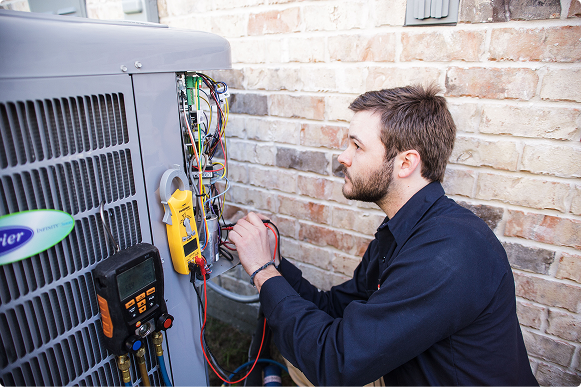
Warning signs that an AC system may be losing reliability include longer run times, short cycling, weaker airflow, uneven temperatures, new noises, unusual odors, rising energy use, repeated repairs, and declining cooling performance.
None of these symptoms guarantees that the air conditioner is about to fail. What matters most is whether the system's normal operating pattern has changed—especially when several warning signs begin happening together.
Early Warning Signs
Changes That May Point to Declining AC Reliability
One symptom by itself does not tell you exactly what is wrong. But these are useful changes to notice before the system is asked to run through another long Texas cooling season.
The AC Runs Longer Than It Used To
Longer cycles can occur when cooling capacity is reduced, airflow is restricted, heat transfer is affected, or outdoor conditions are unusually demanding. A noticeable change from the system's previous behavior is worth investigating.
The System Starts Short Cycling
Frequent starts and stops can point to thermostat, electrical, airflow, refrigerant, sizing, or control problems. Repeated short cycles can also place additional stress on components.
Airflow Feels Weaker
Reduced airflow may come from a dirty filter, blower problem, frozen coil, duct restriction, or another system condition that makes it harder to distribute cooled air through the home.
Some Rooms Are Becoming Harder to Cool
New hot spots or increasingly uneven temperatures can signal airflow changes, duct problems, equipment performance issues, or a system that is struggling to keep up with the home's cooling load.
Energy Use Is Rising Without an Obvious Reason
Higher cooling costs can have many causes, but a system that must run longer or work harder to maintain the same thermostat setting may be using more electricity than it once did.
New Noises Have Appeared
Buzzing, rattling, grinding, screeching, or repeated clicking can indicate loose, worn, electrical, motor, or mechanical problems that deserve diagnosis before they become more severe.
You Notice Unusual Odors
Musty odors may point to moisture conditions, while burning or electrical smells deserve prompt attention. A new odor should not be treated as a normal part of cooling operation.
The AC Needs Repairs More Often
One repair does not mean a system is nearing the end of its life. A pattern of unrelated or increasingly expensive failures, however, can signal declining overall reliability.
Look at the Pattern
One Symptom Matters Less Than the Combination
It May Be a Specific Repair
- A failed electrical component
- A clogged drain
- A thermostat problem
- A dirty filter or airflow restriction
Broader Performance May Be Declining
- Longer run times plus weak airflow
- Higher bills plus poorer cooling
- More noise plus repeated repairs
- Uneven comfort plus frequent cycling
Reliability Deserves a Bigger Look
- Major component failures
- Recurring refrigerant problems
- Multiple expensive repairs
- Performance that never fully recovers
System Age & Condition
Age Matters More When Performance Is Changing Too
An older air conditioner is not automatically a failed air conditioner. Some systems remain reliable for years when properly installed, maintained, and operated. The more useful question is whether age is being accompanied by declining performance or increasing repair frequency.
Age With Stable Performance
An older system that still cools consistently, has reasonable operating costs, and has not developed a pattern of major repairs may continue to provide useful service.
Age With Repeated Repairs
When an aging system begins requiring multiple repairs in a short period, reliability becomes a more important part of the repair decision.
Age With Declining Comfort
Longer cycles, uneven temperatures, inadequate cooling, or poor humidity control can indicate that the system deserves a broader performance evaluation.
Age With a Major Failure
A significant compressor, coil, or refrigerant-system repair may justify comparing repair cost and expected reliability with replacement before making the investment.
The Goal Is Not to Predict the Exact Day Your AC Will Fail
Watch for changes. Compare current performance with the way the system normally cools, cycles, sounds, and feels.
Pay attention to combinations. Several declining-performance symptoms together are more meaningful than one isolated change.
Address unusual behavior early. Diagnosis before peak summer can give you more time to understand the problem and your options.
Do not assume replacement. Many warning signs still lead to straightforward repairs rather than a new system.
Before Peak Heat
Why It Helps to Investigate Changes Before Summer Is at Its Worst
A developing AC problem is easier to evaluate when you are not already dealing with a completely hot home. Addressing unusual performance earlier gives you time to understand whether the system needs a repair, routine maintenance, closer monitoring, or a larger repair-versus-replacement discussion.
You Have More Time to Diagnose
Intermittent or developing problems can be evaluated before they turn into a complete loss of cooling during a high-demand period.
Decisions Feel Less Rushed
If the diagnosis reveals a major issue, you can compare options without making a large home-comfort decision while the house is already uncomfortable.
Small Problems May Be Caught Earlier
Some developing issues can be corrected before they contribute to additional wear or affect other parts of the cooling system.
You Establish a Performance Baseline
Knowing how the system is operating now makes it easier to recognize meaningful changes as the cooling season becomes more demanding.
Something About Your AC Has Changed?
Find Out What the System Is Telling You
If your AC is running differently, cooling less effectively, or developing new symptoms, Malek can diagnose the problem and explain what is happening before you decide what to do next.
Repair or Replace?
Warning Signs Do Not Automatically Mean You Need a New AC
Most symptoms on this list can occur because of repairable problems. The replacement conversation becomes more relevant when the diagnosis is combined with system age, repeated failures, major repair cost, or declining overall performance.
Repair May Make Sense When
- The problem is isolated and repairable
- The system has otherwise been dependable
- Cooling performance is still appropriate for the home
- Major failures are not becoming a pattern
- The repair provides a reasonable path back to reliable operation
Replacement Deserves Comparison When
- Major repairs are becoming more frequent
- The system is struggling to cool even when operating
- Multiple expensive components are deteriorating
- A significant compressor, coil, or refrigerant repair is needed
- Another large repair may not restore long-term reliability
Where Maintenance Fits
Maintenance Can Help Find Developing Problems Before Peak Season
Routine AC maintenance gives a technician an opportunity to evaluate operating conditions, airflow, electrical components, coils, drainage, and other parts of the system before a homeowner has necessarily experienced a complete breakdown.
Maintenance cannot guarantee that an air conditioner will never fail. Its value is in identifying maintenance needs, performance changes, or developing concerns while there is still time to address them deliberately.
Learn About AC Maintenance & Tune-Ups →Frequently Asked Questions
Questions About AC Failure Warning Signs
What are the warning signs that an AC may be failing?
Possible warning signs include longer run times, short cycling, weaker airflow, uneven temperatures, unusual noises or odors, rising energy use, declining cooling performance, and a growing pattern of repairs.
Does a high electric bill mean my AC is failing?
Not necessarily. Energy use can change for many reasons, including weather, thermostat settings, insulation, household use, and utility rates. But rising consumption combined with longer AC run times or declining cooling performance may justify having the system evaluated.
Is an AC that runs constantly about to fail?
Not automatically. Very hot weather can produce long cooling cycles. A new change in run time, especially when the home is no longer reaching the thermostat setting, can indicate a performance problem that should be diagnosed.
Is short cycling a sign of AC trouble?
Yes. Frequent starts and stops can be associated with thermostat, electrical, refrigerant, airflow, control, or equipment-sizing problems. The underlying cause should be identified rather than assuming one specific failure.
Do unusual AC noises mean the system is failing?
New rattling, buzzing, grinding, screeching, or repeated clicking can indicate a developing mechanical or electrical problem. The noise alone does not determine whether the system needs repair or replacement.
Should I replace my AC before it completely fails?
Not simply because the system is older or showing one warning sign. Replacement is worth comparing when the diagnosis reveals major failures, repeated repairs, poor overall performance, or declining reliability that makes another substantial repair difficult to justify.
Can AC maintenance prevent a breakdown?
Maintenance cannot guarantee that equipment will never fail, but it can identify maintenance needs, operating problems, and developing concerns before peak cooling demand.
When should I schedule AC service instead of waiting?
Schedule service when cooling performance has clearly changed, the system cannot maintain the thermostat setting, a breaker repeatedly trips, unusual burning odors occur, severe noises develop, ice appears, or several reliability warning signs begin happening together.