Ductwork Problem Guide
How Do I Know If My Air Ducts Are Leaking?
Leaking air ducts can allow conditioned air to escape before it reaches the rooms it is supposed to heat or cool. Depending on where the leakage occurs, homeowners may notice uneven temperatures, weak airflow, longer HVAC run times, unusual air movement, or comfort problems that seem difficult to explain.
Those symptoms do not automatically prove that the ductwork is leaking. Similar problems can also come from restrictive duct sizing, damaged duct runs, return-air limitations, filters, HVAC equipment conditions, insulation, or other airflow issues.
This guide explains the common signs of duct leakage, how leakage differs from physical duct damage, what homeowners can safely observe, and how a professional evaluation can determine whether duct sealing, repair, replacement, or another correction makes sense.
The Quick Answer
Duct Leakage Often Shows Up as Airflow and Comfort Problems—but the Source Still Needs to Be Confirmed
Some Conditioned Air May Be Escaping
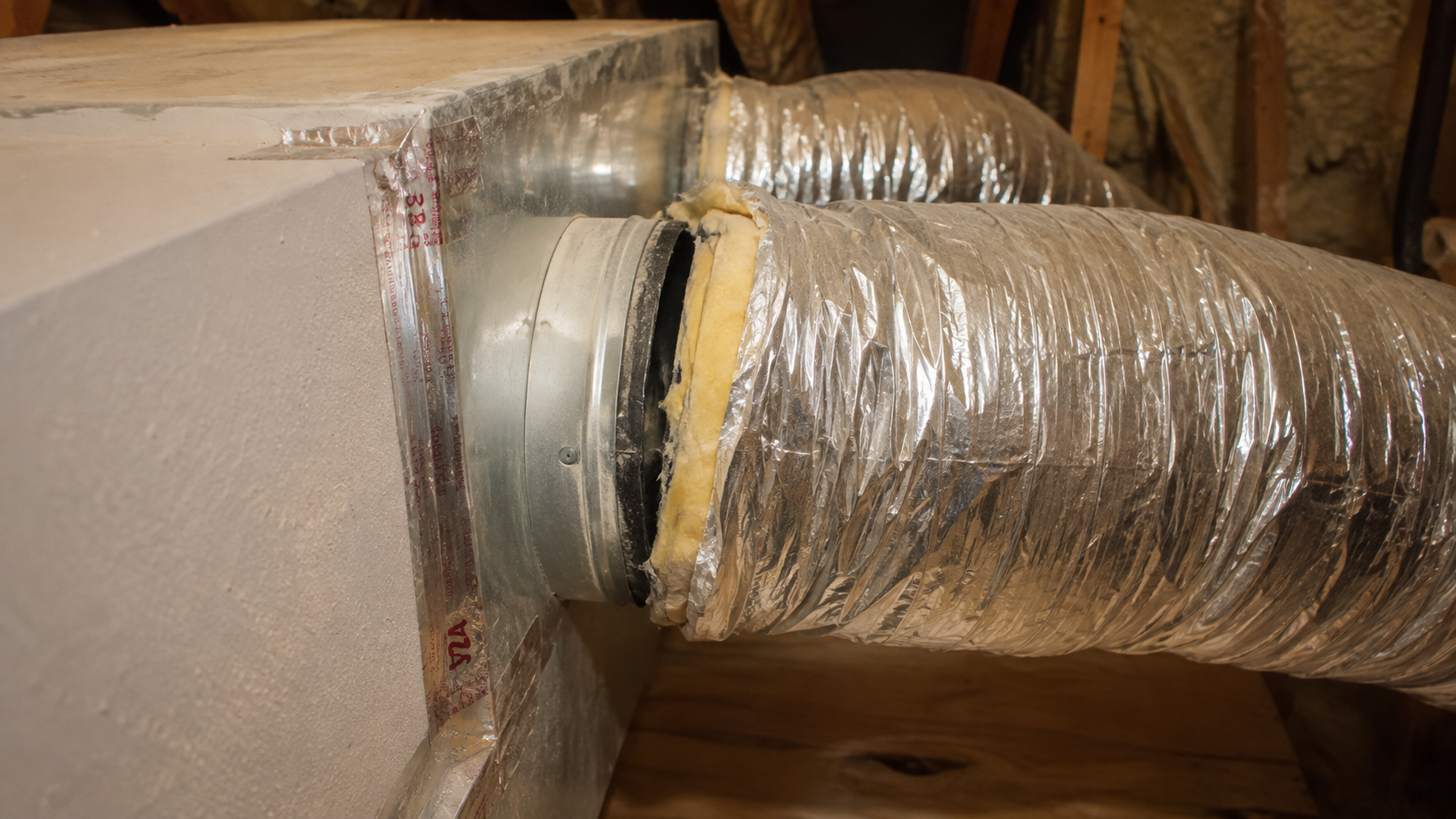
Leaks at seams, joints, boots, fittings, collars, or transitions can allow heated or cooled air to escape before it reaches the living space.
Rooms May Receive Less Air Than Expected
If enough air is lost along a duct path, one room or several rooms may feel harder to keep comfortable or may have noticeably weaker airflow at the registers.
Leakage Is Not the Same as Physical Duct Failure
A leaking connection may be a sealing issue. A torn, crushed, disconnected, collapsed, or broadly deteriorated duct run may require repair or replacement instead.
Duct leakage should be diagnosed before corrective work begins. Weak airflow or uneven temperatures can point toward leakage, but they can also come from several other HVAC and ductwork conditions.
Common Signs
Several Comfort and Airflow Changes Can Point Toward Leaking Ductwork
One or More Rooms Have Weak Airflow
If conditioned air is escaping along the duct run before it reaches a register, the room may receive less airflow than expected. The same symptom can also come from restrictions or physical duct damage, so leakage should not be assumed.
Some Rooms Stay Hotter or Colder
Rooms served by a leaking duct path may become more difficult to keep comfortable, especially during periods of high heating or cooling demand.
The HVAC System Runs Longer Than Expected
When conditioned air is lost outside the living space, the HVAC system may need more run time to reach the thermostat setting. Long cycles can have other causes as well, so the entire system should be considered.
You Hear Whistling or Air Movement Near Connections
Air moving through an opening can sometimes create whistling or noticeable airflow sounds around accessible duct connections, boots, or registers.
Dust Appears Around Certain Registers
Dust patterns around registers can have several causes, but unusual buildup may deserve attention when it appears alongside airflow changes, loose connections, or other duct concerns.
Comfort Problems Appeared After Attic or Home Work
Remodeling, electrical work, plumbing work, attic storage, or other activity near ductwork can disturb connections or damage flexible duct runs.
Airflow Varies Noticeably From Room to Room
A significant difference between nearby registers can point toward a problem along one duct path, including leakage, restriction, damage, or design differences.
The Home Has Persistent Comfort Problems Despite Normal HVAC Operation
If the equipment appears to run normally but certain areas remain difficult to heat or cool, the duct distribution system may deserve a closer evaluation.
Leakage vs. Physical Damage
Not Every Air-Loss Problem Is Solved With Duct Sealing
May Be a Sealing Issue
The Duct Material Is Serviceable but Air Is Escaping at Connections
- ✓ Leakage is occurring at seams or joints
- ✓ Boots, collars, fittings, or transitions need sealing
- ✓ Surrounding duct material remains serviceable
- ✓ Physical deterioration is limited
- ✓ The existing duct layout generally works well
May Need More Than Sealing
The Duct Run Itself Is Damaged or Deteriorating
- ✓ Ductwork is torn or disconnected
- ✓ Flexible duct is crushed or collapsed
- ✓ Outer jackets or insulation are deteriorating
- ✓ Multiple sections have physical damage
- ✓ The surrounding material is no longer practical to preserve
What You Can Safely Observe
You Can Look for Patterns Without Opening or Altering the Duct System
Compare airflow at registers in different rooms
Notice which rooms consistently feel harder to heat or cool
Listen for whistling near accessible registers or duct connections
Look for visible gaps around accessible register boots or grilles
Notice whether problems appeared after attic or remodeling work
Check whether supply registers are fully open and unobstructed
Check that return grilles are not blocked
Note whether several rooms on the same side of the home are affected
Avoid cutting, disconnecting, taping, or applying sealant to ductwork simply because you suspect a leak. The visible opening may not be the only problem, and some airflow symptoms come from conditions that sealing will not correct.
When to Investigate Further
Persistent Airflow or Comfort Problems Deserve More Than Guesswork
One or more rooms have consistently weaker airflow
Room temperatures remain uneven during normal HVAC operation
You hear persistent whistling near ducts, boots, or registers
Comfort problems appeared after work was performed in the attic
Several rooms on one duct branch are becoming uncomfortable
Visible accessible duct connections appear loose or separated
The HVAC system runs normally but comfort continues to decline
You suspect leakage but cannot determine whether damage is also present
Duct leakage is normally a comfort and performance concern rather than an emergency. If the affected area also involves electrical hazards, major moisture intrusion, structural damage, or another potentially unsafe condition, avoid the area and contact the appropriate professional.
The Bottom Line
Symptoms Can Point Toward Duct Leakage—but the Duct Condition Determines the Right Fix
Weak airflow, uneven temperatures, longer run times, and unusual air movement can all occur when conditioned air is escaping from the duct system.
The important next step is determining where the air is being lost and whether the surrounding ductwork is still serviceable. A serviceable leaking connection may support sealing. Physical damage or broader deterioration may require a different solution.
We Don’t Just Fix It. We Explain It.
Professional Ductwork Evaluation
Finding Out Where Air Is Being Lost—and Why
A useful duct evaluation should determine whether the concern is actual leakage, physical duct damage, airflow restriction, a design issue, or a combination of conditions before corrective work is recommended.
Comfort Pattern
Identify Where the Symptoms Are Showing Up
Which rooms are uncomfortable, where airflow feels weak, and when the problem occurs can help narrow down which part of the distribution system deserves closer attention.
Accessible Connections
Review Joints, Boots, Fittings, and Transitions
Accessible connection points can be evaluated for gaps, separation, failed sealing, or other conditions that may allow conditioned air to escape.
Material Condition
Determine Whether the Ductwork Is Still Worth Sealing
The surrounding duct material, insulation, supports, and physical condition matter because sealing deteriorated material may not provide the right long-term correction.
Airflow
Rule Out Restrictions and Distribution Problems
Weak airflow may involve sizing, routing, physical damage, filters, returns, equipment conditions, or other factors in addition to—or instead of—duct leakage.
Clear Recommendation
Match the Correction to the Condition
Malek can explain whether the problem supports duct sealing, physical repair, partial replacement, broader replacement, or additional duct-design evaluation before the scope is decided.
Continue Learning
Continue Learning About Duct Leakage and Airflow
Duct Sealing vs. Duct Replacement
Compare air leakage, duct material condition, physical damage, accessibility, airflow concerns, and long-term practicality before deciding whether sealing or replacement makes more sense.
→ Investment GuideDuct Repair & Sealing Investment Guide
Learn how leakage location, physical damage, accessibility, material condition, and project scope can influence duct repair and sealing cost.
→ ServiceDuct Sealing
Learn how Malek evaluates leakage at serviceable duct connections and explains when sealing may help preserve existing ductwork.
→ Problem GuideWhy Is Airflow Weak From My Vents?
Learn how duct restrictions, damage, leakage, filters, HVAC equipment conditions, and distribution problems can contribute to weak airflow.
→Malek Homeowner Learning Center
Looking for another HVAC or ductwork question?
Explore decision guides, investment guides, homeowner articles, and FAQs designed to help you understand what is happening before you decide what to do next.
Frequently Asked Questions
Leaking Air Duct FAQs
These answers explain common signs of duct leakage, how leakage can affect comfort and airflow, and why the surrounding duct condition matters when deciding what correction is appropriate.
What are the most common signs of leaking air ducts? +
Possible signs include uneven room temperatures, weak airflow at certain registers, longer HVAC run times, unusual whistling or air movement, comfort problems affecting certain areas, and visible loose connections in accessible locations. These symptoms can have other causes, so leakage should be confirmed rather than assumed.
Can leaking ducts cause weak airflow? +
Yes. If conditioned air escapes before reaching a room, airflow at the register may be reduced. Weak airflow can also come from restrictions, physical duct damage, filter conditions, return-air limitations, equipment issues, or duct design.
Can leaking ducts make one room hotter or colder? +
Yes. A room may receive less heating or cooling if conditioned air is escaping from the duct run that serves it. Room exposure, insulation, windows, return air, and other airflow conditions can also contribute.
Where do air ducts commonly leak? +
Leakage can occur at seams, joints, fittings, collars, boots, transitions, and other connection points. Physical damage such as tears or disconnected duct sections can also allow air to escape, but those conditions may require repair rather than sealing alone.
Can I see a duct leak myself? +
Some loose or separated connections may be visible in safely accessible areas, but many duct runs are located in attics or concealed spaces. A homeowner should not climb through unsafe areas or alter ductwork simply to search for a leak.
Does duct sealing fix every type of duct leak? +
No. Sealing is most appropriate when air is escaping from serviceable seams, joints, fittings, boots, transitions, or connections. Torn, crushed, disconnected, collapsed, or broadly deteriorated ductwork may require repair or replacement instead.
Should leaking ductwork be replaced? +
Not automatically. If the duct material remains serviceable and leakage is concentrated at appropriate connection points, sealing may be enough. Replacement becomes more relevant when the underlying material is broadly deteriorated or physically damaged.
How does Malek determine whether ductwork is leaking? +
Malek evaluates the comfort and airflow symptoms, accessible duct connections, surrounding material condition, physical damage, airflow restrictions, and broader system performance before explaining whether leakage appears to be part of the problem and what type of correction deserves consideration.
Think Your Ductwork May Be Leaking?
Find Out Where the Air Is Going Before You Decide How to Fix It
Malek can evaluate airflow symptoms, accessible duct connections, material condition, physical damage, and broader system performance before explaining whether sealing, repair, replacement, or another ductwork correction deserves consideration.