Educational Planning Range
What Does Drain Repair Typically Cost?
General Residential Planning Range
$250–$5,000+
Many residential drain repairs fall somewhere within this broad range. A small repair to accessible piping may remain near the lower end, while work involving hidden pipe, concrete access, excavation, widespread deterioration, or several damaged sections can move the investment above it.
This range is provided for general learning and planning purposes only. It is not a quote or guarantee. The actual investment depends on the location of the damaged pipe, accessibility, pipe material, extent of deterioration, diagnostic work, repair method, property access, and any restoration needed after the plumbing work is complete.
Damage involving the home’s main sewer line may require a separate sewer repair or trenchless replacement evaluation. The most reliable estimate begins with identifying exactly where the problem is and how much of the piping is affected.
Start With the Source
Why Drain Repair Costs Can Vary So Much
Drain problems often produce similar symptoms even when the underlying damage is very different. A recurring clog may come from a damaged trap, a separated fitting, corrosion, root intrusion, a bellied line, a collapsed section, or deterioration farther downstream.
A leak beneath a sink is also very different from a damaged drain line behind a wall, beneath flooring, under a concrete slab, or underground. The location and access method can affect the investment as much as the damaged pipe itself.
Pricing Variables
What Shapes the Drain Repair Investment?
The final investment usually reflects several connected factors—not only the length of pipe being repaired.
Location of the Damage
Exposed piping is usually easier to reach than pipe inside a wall, beneath flooring, below a slab, in a crawlspace, or underground.
Extent of the Damage
A loose joint or isolated crack may require a localized repair. Widespread corrosion, several failed sections, or a collapsed line can require a broader solution.
Pipe Material
PVC, ABS, cast iron, copper, galvanized steel, and older materials have different repair methods, compatibility concerns, and expected service lives.
Required Diagnostics
Camera inspection, locating equipment, testing, or additional access may be needed when the damaged section is not visible.
Access Method
The repair may require opening a cabinet, wall, ceiling, floor, concrete slab, yard, driveway area, or another finished surface.
Repair Method
The appropriate solution may involve resealing a connection, replacing a fitting, replacing a pipe section, rerouting piping, or addressing a larger drain or sewer line.
Depth and Excavation
Underground piping may require excavation, utility awareness, additional labor, soil management, and access through landscaping or hardscaping.
Related Plumbing Conditions
Improper slope, weak supports, poor venting, root intrusion, shifting soil, or additional failing joints may need to be addressed for the repair to remain dependable.
Permits and Code Requirements
The required permits and code-related work depend on the location, scope, and jurisdiction.
Property Restoration
Plumbing work and restoration work are not always the same scope. Concrete, drywall, flooring, cabinetry, landscaping, or paving may require separate repair after access is created.
Understanding the Scope
Common Drain Repair Methods
These are not fixed price tiers. They show why two drain repairs can involve very different access, materials, labor, and restoration.
Accessible Plumbing
Connection or Fitting Repair
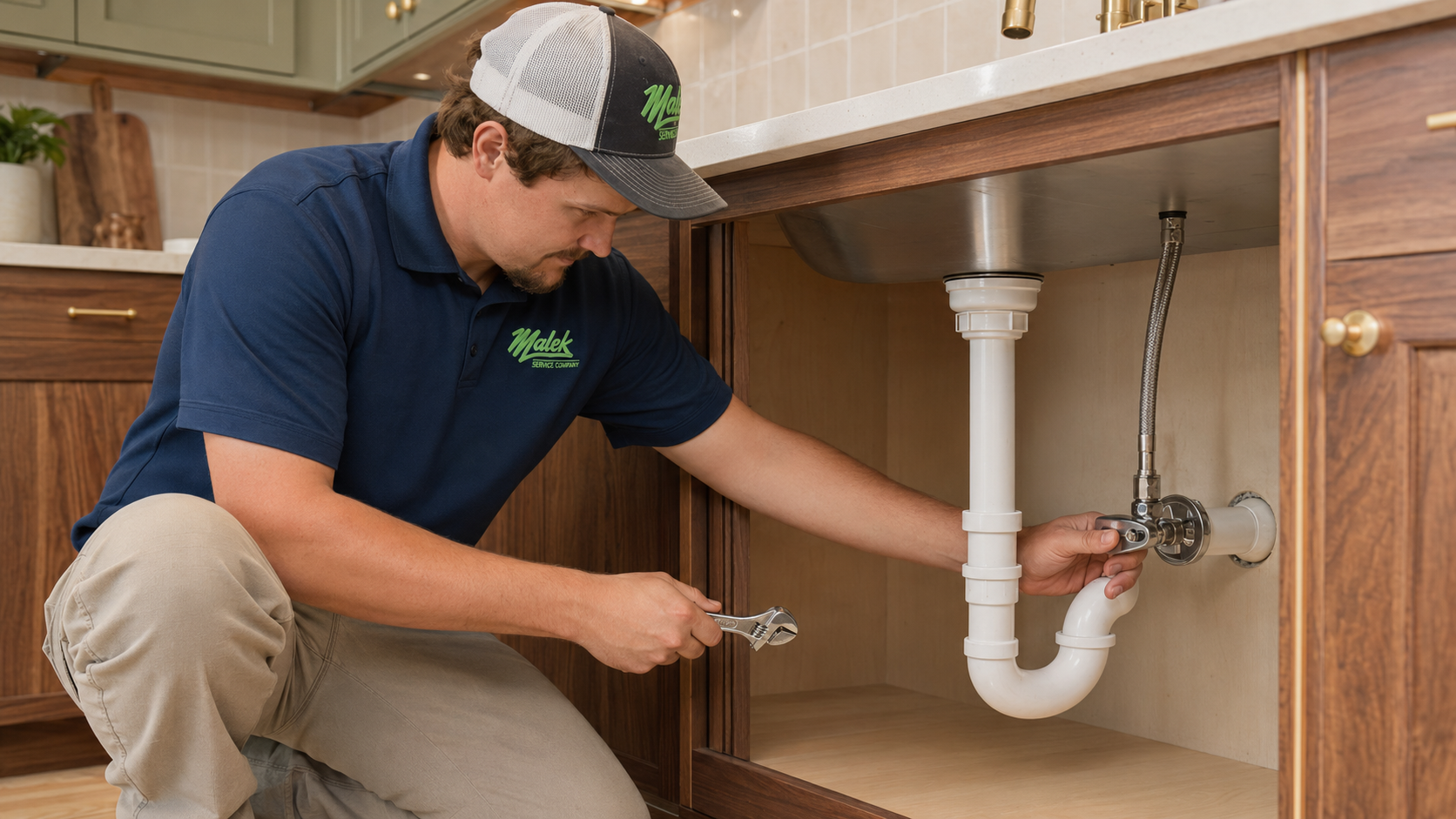
Some leaks come from a loose trap, failed seal, cracked fitting, or separated connection beneath a sink or near an accessible fixture.
These repairs are usually less disruptive when the surrounding pipe remains in good condition.
Localized Damage
Drain Pipe Section Replacement
A cracked, corroded, leaking, or improperly installed section may be removed and replaced while the surrounding line remains in service.
The investment depends heavily on where the section is located and what must be opened to reach it.
Difficult Access
Rerouting or Broader Drain-Line Repair
When direct access is highly disruptive or the original layout contributes to recurring problems, rerouting may be considered.
The feasibility depends on the plumbing layout, required slope, venting, available pathways, and connection points.
Main Sewer Damage
Sewer Repair or Trenchless Work
Damage affecting the home’s main sewer line may require excavation, trenchless repair, trenchless replacement, or another sewer-specific solution.
This goes beyond a typical interior drain repair and should be evaluated as a separate project.
Repair or Replacement
When Is a Localized Drain Repair Enough?
Repair is often the practical choice when the damage is isolated and the surrounding piping remains structurally sound. Replacement deserves more consideration when the line has widespread deterioration or a pattern of recurring failures.
Localized Repair Often Makes Sense When:
- The damaged area is limited to one fitting or pipe section
- The surrounding piping remains in good condition
- The line has not failed repeatedly
- The pipe can be accessed without disproportionate disruption
- The repair is expected to restore dependable drainage
- No widespread corrosion or structural failure is found
Broader Replacement May Make More Sense When:
- Corrosion or deterioration affects several sections
- The line has recurring leaks, clogs, or separations
- The pipe is collapsed, heavily scaled, or structurally unsound
- Repeated access would create ongoing disruption and expense
- The material or installation has reached the end of its useful life
- The damage involves the main sewer line
The right decision depends on the condition of the full line—not only the section that is currently leaking or blocked.
Read the Drain Cleaning vs. Drain Repair Decision Guide →Compare More Than the Total
How to Compare Drain Repair Estimates
Two estimates may appear to describe the same repair while including different diagnostic work, access, pipe replacement, testing, cleanup, and restoration responsibilities.
Where is the damage?
The proposal should identify the affected section as clearly as the available inspection allows.
What caused the failure?
Ask whether corrosion, roots, soil movement, poor slope, weak supports, improper installation, or another condition contributed.
How much pipe is being repaired?
Confirm whether the proposal covers one fitting, one pipe section, several sections, a reroute, or a larger replacement.
How will the pipe be accessed?
Understand whether the work requires opening a wall, floor, slab, yard, cabinet, or another finished area.
Who handles restoration?
Ask whether drywall, flooring, concrete, landscaping, cabinetry, or other restoration is included or handled separately.
How will the repair be tested?
The repaired line should be tested for leakage, drainage, connection integrity, and proper operation before the project is considered complete.
The strongest estimate clearly explains the damaged area, the access required, the repair method, and who is responsible for restoring the surrounding property.
Protect the Plumbing System
How to Limit Future Drain Damage
Address Recurring Clogs
A clog that repeatedly returns may indicate pipe damage, poor slope, buildup, roots, or another condition beyond a simple blockage.
Avoid Harsh Chemical Cleaners
Repeated chemical use may damage some piping and often does not solve a structural drain problem.
Watch for Moisture and Odor
Water stains, musty smells, sewer odors, damp cabinets, and soft surfaces can be early signs of a hidden drain leak.
Protect Drain Lines From Improper Use
Grease, wipes, hygiene products, excessive food waste, and other unsuitable materials can increase stress on household drains.
Keep Repair Records
A clear repair history helps identify repeated failures and supports better repair-versus-replacement decisions.
Investigate Multiple Slow Drains
Problems affecting several fixtures may point to a larger drain or sewer-line issue that should be evaluated promptly.
Need a Clear Repair Recommendation?
Find the damaged section before deciding how much work is needed.
Malek can evaluate the symptoms, inspect the affected drain, explain the findings, and recommend the appropriate repair path for the home.
What to Expect
What Happens During a Drain Repair Evaluation?
Discuss the Symptoms
The plumber reviews recurring clogs, leaks, odors, backups, water stains, previous repairs, and which fixtures are affected.
Inspect Accessible Plumbing
Visible drain piping, fittings, connections, fixture drains, and surrounding materials are checked for leakage or damage.
Perform Additional Diagnostics When Needed
Camera inspection, locating equipment, testing, or limited access may be recommended when the source is hidden or the line extends underground.
Explain the Findings and Options
The plumber reviews the damaged area, likely cause, repair method, access requirements, alternatives, and project-specific estimate.
Complete the Authorized Repair
The affected fitting or pipe section is repaired, replaced, or rerouted using the approved method.
Test the Drain and Review the Work
The repaired line is checked for proper drainage and leakage, and the homeowner is shown what was completed and what restoration or follow-up may remain.
Payment Planning
Financing May Be Available for Qualifying Drain Repairs
Financing may be available for qualifying homeowners and plumbing projects, including some larger drain, sewer, excavation, or replacement projects. Available programs, approval requirements, rates, terms, available credit, and payment amounts are provided by the lender.
It is generally helpful to understand the damaged area, repair method, access requirements, and restoration responsibilities before choosing a financing path.
Explore Financing Options →Drain Repair Investment FAQs
Questions Homeowners Often Ask Before Approving Drain Repair
These answers explain why drain repair prices vary, what may be included, and how to evaluate the proposed scope.
Why can two drain repair estimates be so different?
The estimates may involve different diagnostic findings, pipe lengths, access methods, repair materials, excavation, restoration responsibilities, permits, testing, and warranty coverage. Confirm that both proposals address the same damaged area and include comparable work.
Can a drain repair price be provided before inspection?
A broad planning range may be possible, but a reliable estimate usually requires identifying where the damage is located, how much pipe is affected, and what must be opened or excavated to reach it.
Is a sewer camera inspection always required?
No. Visible or accessible damage may not require camera inspection. A camera may be recommended when the problem is hidden, recurring, underground, or suspected to involve a larger drain or sewer line.
Does the drain repair estimate include wall, floor, or yard restoration?
It depends on the proposal. Plumbing access and property restoration are often separate scopes. Ask whether drywall, flooring, concrete, cabinetry, landscaping, or paving restoration is included before approving the work.
Can drain cleaning solve a damaged drain pipe?
Drain cleaning can remove buildup or an obstruction, but it does not repair a cracked, separated, corroded, bellied, or collapsed pipe. Structural damage requires a repair or replacement solution.
When should a drain line be replaced instead of repaired?
Broader replacement may make more sense when deterioration affects several sections, failures keep returning, the pipe is collapsed or heavily corroded, or repeated access would create ongoing expense and disruption.
How long does drain repair usually take?
Accessible localized repairs may be completed during one visit. Repairs requiring diagnostics, specialty materials, wall or slab access, excavation, permitting, or broader replacement may take longer. The expected schedule should be explained before work begins.
Is financing available for drain repair?
Financing may be available for qualifying homeowners and projects. Applications, approval, rates, terms, available credit, and payment amounts are handled by the selected third-party lender.
Make the Decision With Clear Information
A drain repair recommendation should explain the damage, access, and long-term solution.
Malek evaluates the affected piping, explains what appears to be causing the problem, and reviews the repair options before authorized work begins.