
Holiday Light Safety: Outdoor Outlets, Cords, and Electrical Loads
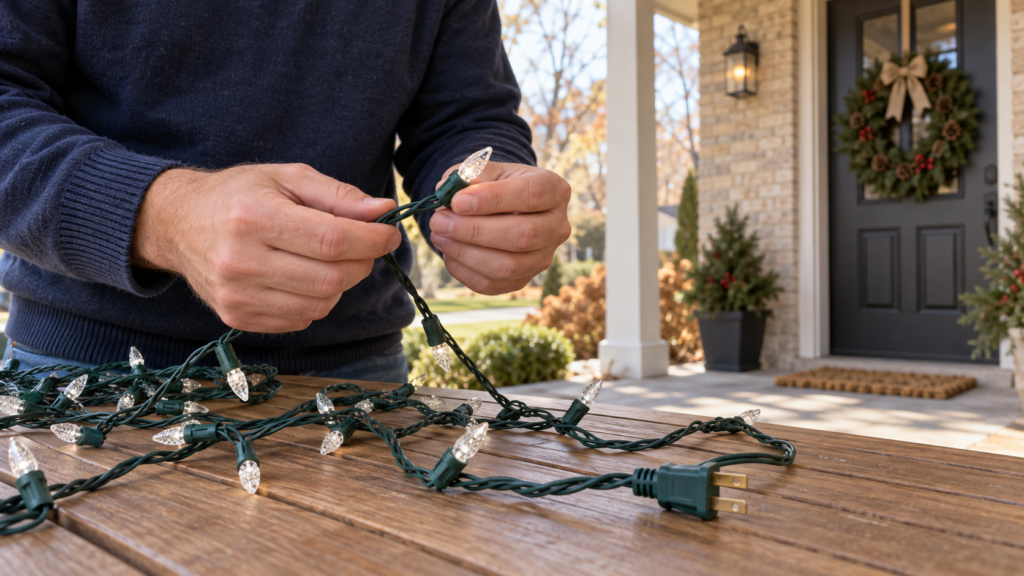
Safe holiday lighting starts before the first strand goes up. Learn how outdoor ratings, GFCI protection, cord condition, connected loads, and manufacturer limits work together—and why repeated trips or hot connections should not be ignored.
Why Is My Heating Bill Suddenly Higher?

A higher winter utility bill does not automatically mean your heating system is failing. Compare energy use, billing days, rates, weather, thermostat changes, and backup heating before deciding whether a professional performance evaluation is needed.
Preparing Your Standby Generator for a Texas Winter Freeze
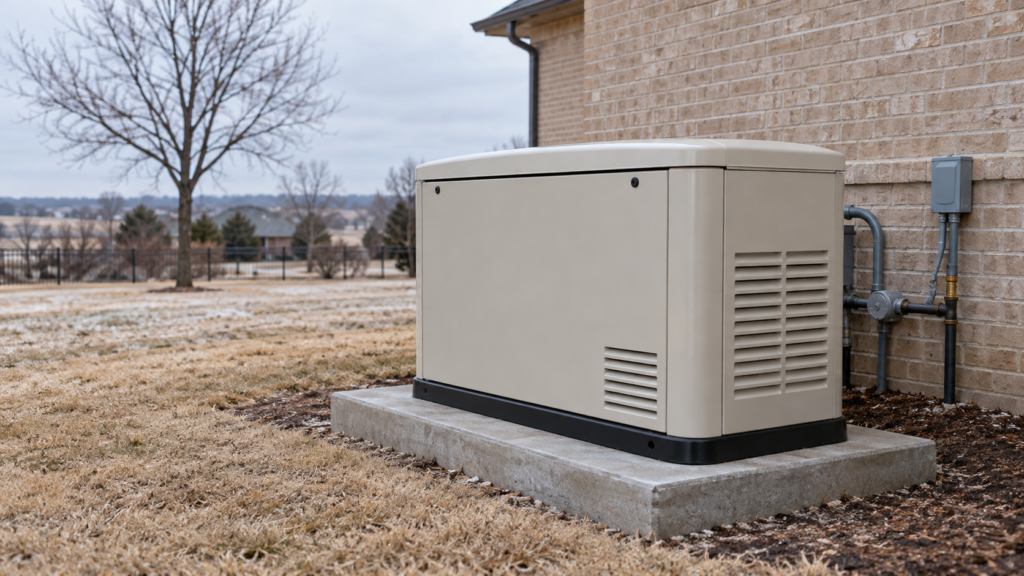
Winter generator preparation goes beyond confirming the unit starts. Review model-specific cold-weather requirements, battery and fuel readiness, winter heating loads, safe clearances, and the maintenance plan for an extended outage.
Space Heater Safety: Outlets, Extension Cords, and Tripping Breakers
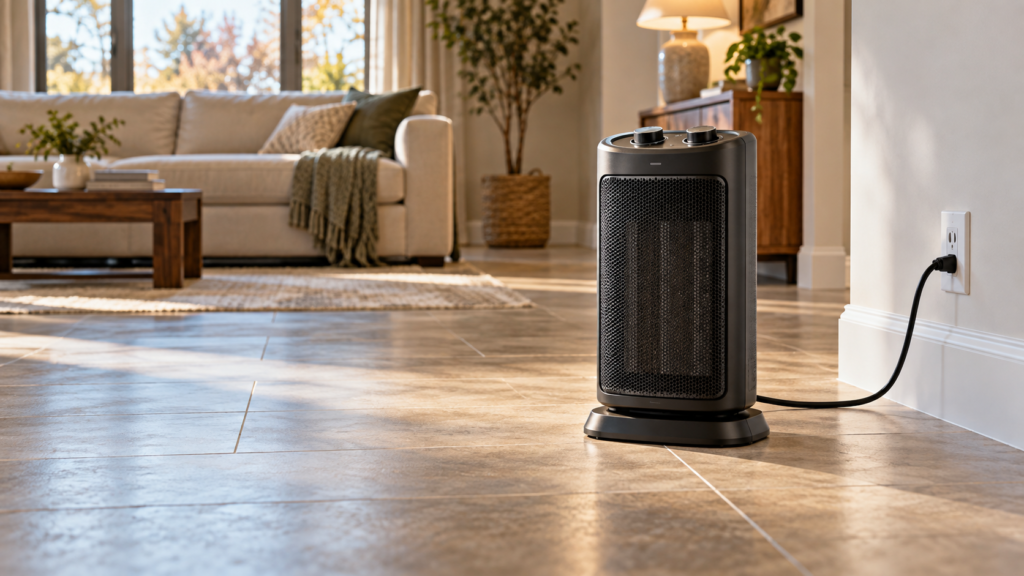
An electric space heater adds a substantial load to the circuit that supplies it. Learn how to choose a safer location, avoid extension cords and power strips, recognize electrical warning signs, and know when an electrician should evaluate the circuit.
Why Is My Heat Pump Covered in Ice?
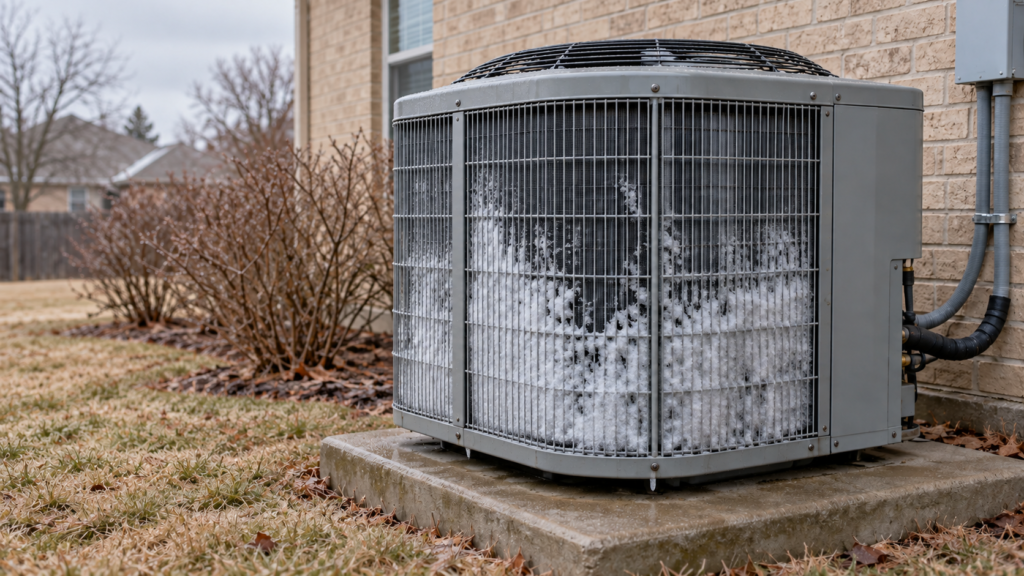
A light layer of frost on a heat pump can be normal during heating. Heavy ice that remains, blocks airflow, or affects operation is different. Learn how to recognize the pattern and what a professional should evaluate.
Why Does My Furnace Keep Turning On and Off?
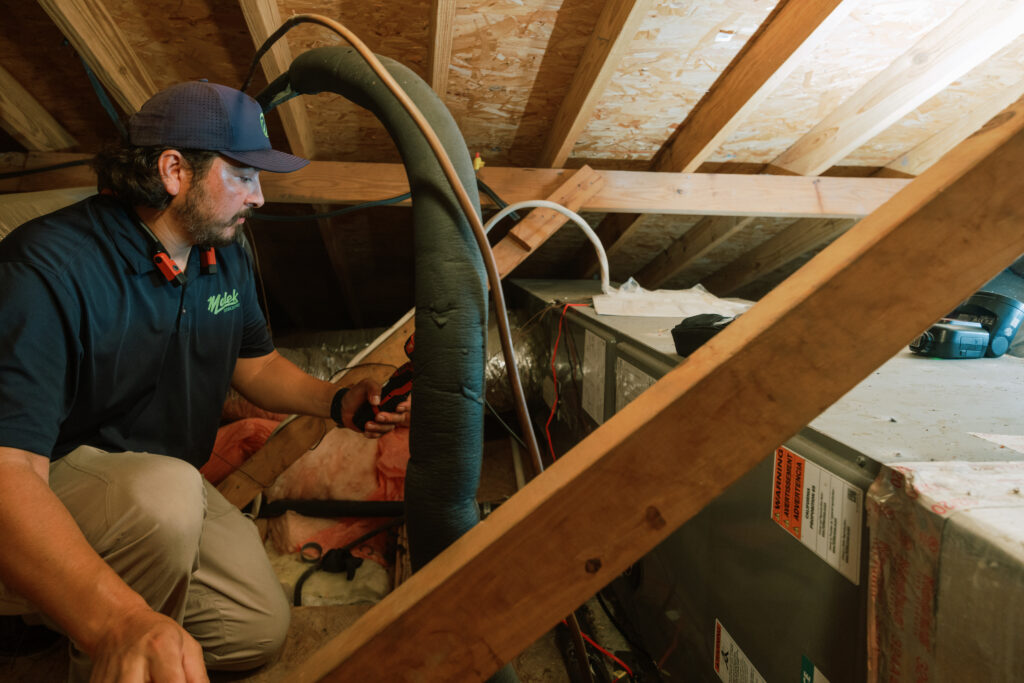
A furnace that repeatedly starts and stops may have an airflow, thermostat, ignition, safety-control, or sizing problem. Learn which operating patterns matter, what homeowners can safely observe, and why diagnosis should come before replacing parts.
Auxiliary Heat vs. Emergency Heat: What’s the Difference?
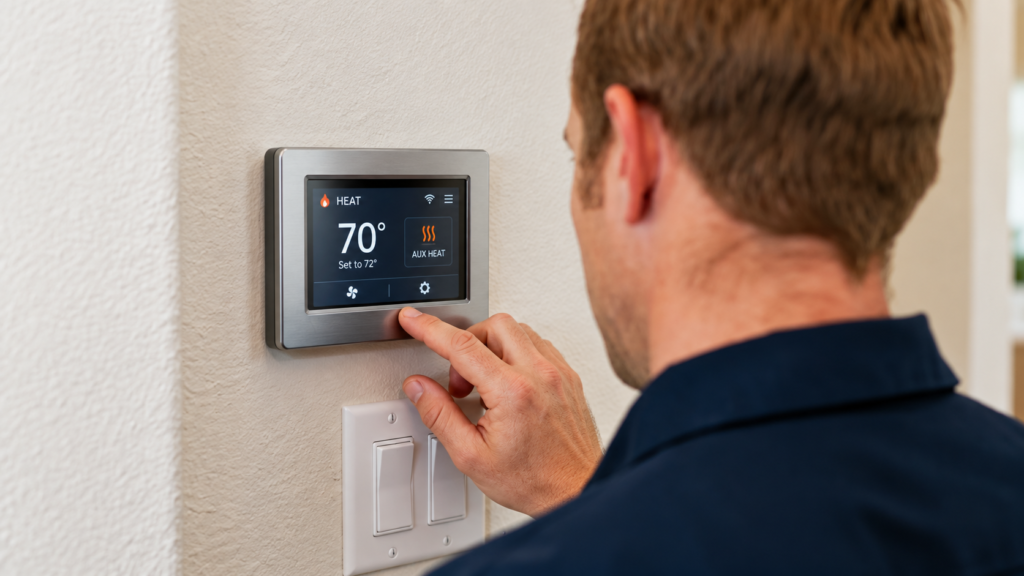
AUX and Emergency Heat can use the same backup heat source, but they serve different purposes. Learn what each thermostat setting means, when supplemental heat is expected, and which changes deserve a heat-pump evaluation.
Can Dirty Air Filters Damage Your HVAC?
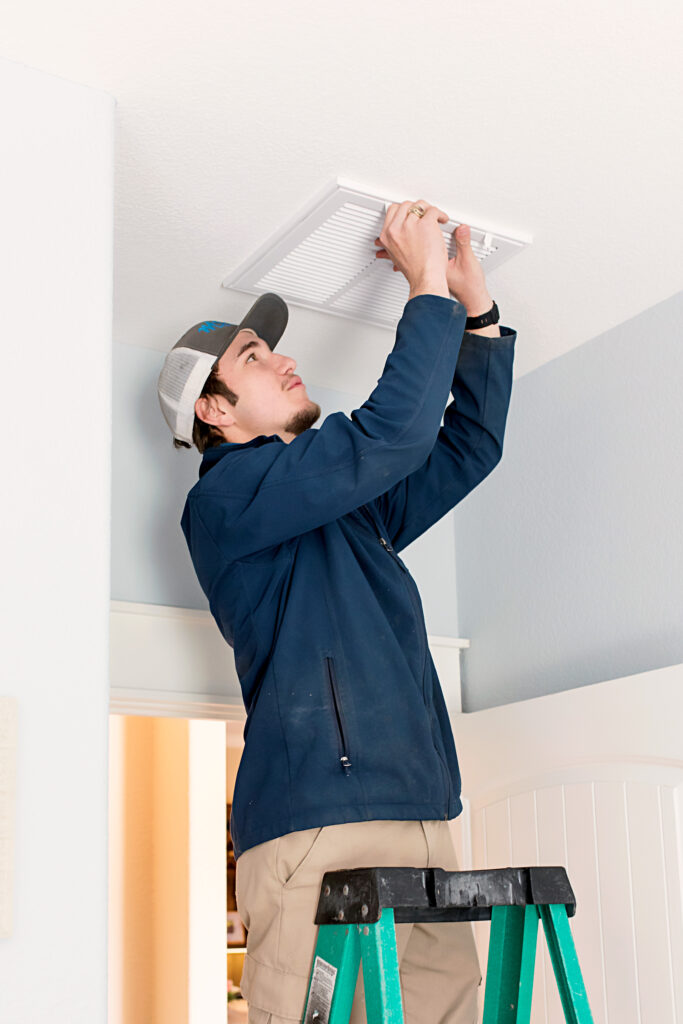
A dirty HVAC filter can restrict airflow, make heating and cooling equipment work harder, increase energy use, and contribute to system wear. Learn what happens when filters become clogged, which warning signs to watch for, and when replacing the filter may not be enough.
What Is the Ideal Indoor Humidity?

For many homes, roughly 30–50% relative humidity is a useful target. Learn what high and low humidity can mean, why Texas homes often struggle with excess moisture, and when whole-home humidity control may make sense.
Do Whole-Home Air Purifiers Work?

Whole-home air purifiers can reduce certain airborne particles as air circulates through the HVAC system, but they are not a solution for every indoor air quality problem. Learn what they can help with, what they cannot fix, and when additional filtration may be worth considering.