Winter Home Energy Guide
Why Is My Heating Bill Suddenly Higher?
By Malek Service Company · Serving Bryan–College Station & Northwest Houston
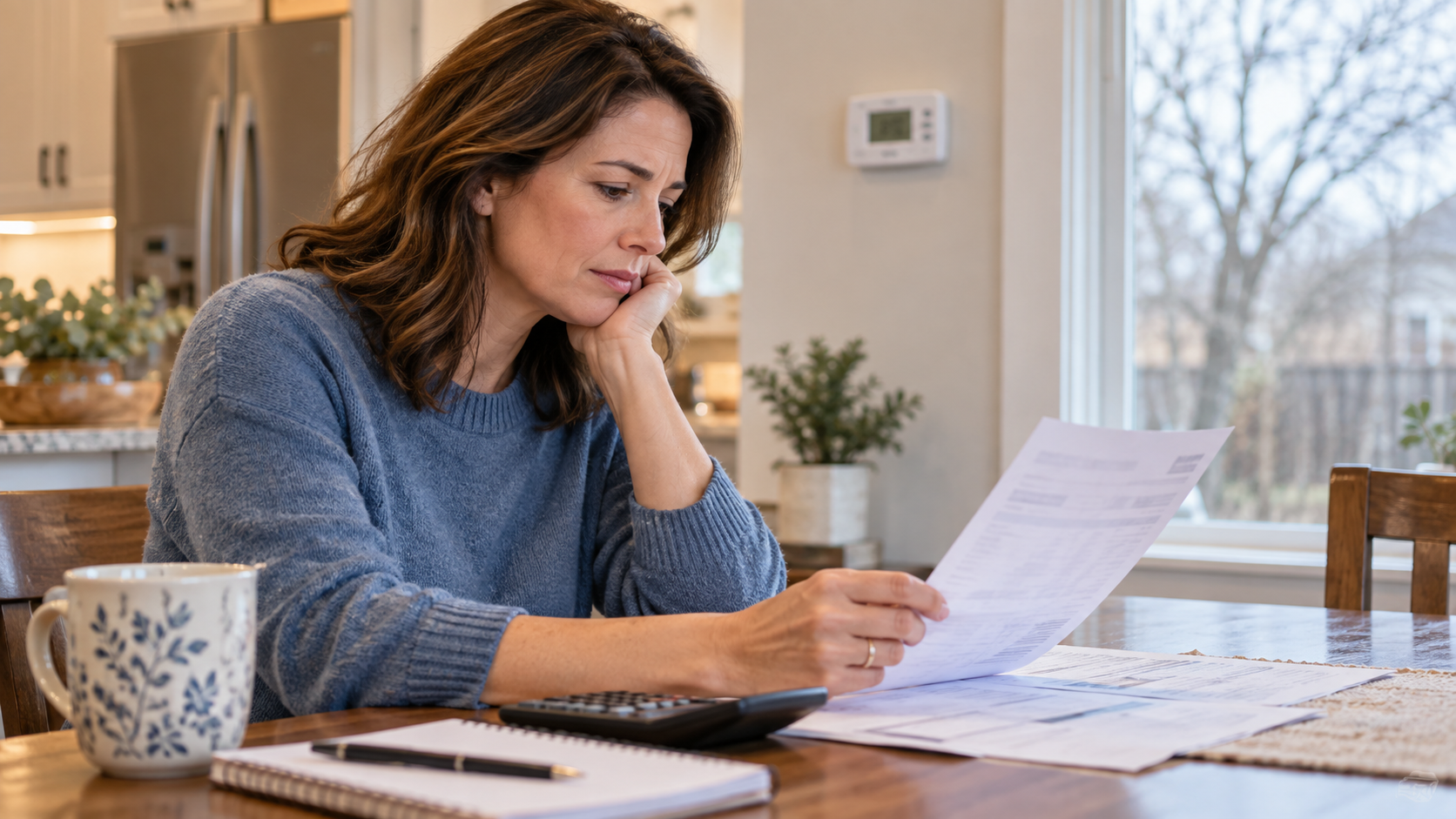
The bill arrives and looks nothing like last month’s. The heater still runs, so it is tempting to assume the equipment is wasting energy—or to turn the thermostat down without knowing what changed.
Start by separating the price of energy from the amount your household used. Colder weather, a longer billing period, different rates, thermostat habits, electric backup heat, and other appliances can all change the total. Airflow or equipment problems are another possibility, especially when comfort has changed too.
For Bryan–College Station and Northwest Houston homes, heating use can change sharply from a mild stretch to a cold spell. This guide helps you investigate the increase without treating a utility bill as a diagnosis or a reason to replace equipment.
At Malek, we separate an energy-cost question from an equipment-performance question. We want to know what changed in the home and how the heat is behaving before recommending work on the system.
The Quick Answer
Compare Usage Before Blaming the Heating Equipment
Read the Energy Units
Compare electricity in kWh and gas in the units shown on the bill, not only the dollar total.
Account for the Billing Period
A longer bill covers more days. Daily averages provide a clearer starting comparison.
Connect Cost With Comfort
Higher consumption with weaker heat or changed operation makes a system evaluation more useful.
A month-to-month comparison is not weather-normalized. A similar calendar month can also be misleading if temperatures, occupancy, rates, or equipment use changed.
Read the Bill First
Find Out Whether the Increase Is Price, Usage, or Both
Compare Energy Use per Day
For example, 900 kWh over 30 days is 30 kWh per day; 960 kWh over 32 days is also 30 per day. The second total is higher without higher average daily consumption.
Review Rates, Fees, and Adjustments
Look for rate changes, delivery charges, contract terms, estimated readings, or catch-up adjustments. Ask the utility or retail provider to explain unfamiliar items.
Identify the Heating Fuel
A gas furnace and electric heat pump affect utility bills differently. If you have both electric and gas service, review both rather than assuming all heating costs appear on one bill.
Compare Household Conditions
Note guests, work-from-home time, heated rooms, portable heaters, and water-heater use. Whole-home consumption is not a direct meter of HVAC performance.
Heating-Related Causes
What Can Increase Heating Demand or Consumption
Colder Outdoor Conditions
The home may need more heat and longer operation than it did during a mild billing period.
Higher or Longer Thermostat Settings
A warmer target or more occupied heating hours can change demand even without equipment problems.
More Electric Backup Heat
On equipped heat-pump systems, electric resistance backup can increase electricity use. Unexpected frequent use deserves review.
Restricted Airflow
Filter or airflow problems can affect comfort and system operation. Correct basic restrictions and evaluate symptoms that remain.
Distribution or Building Heat Loss
Duct conditions, insulation, and air leakage can influence how effectively the home retains and receives heat.
Changed Equipment Performance
A heating or control fault may contribute to poor comfort and altered operation. Longer runtime alone does not prove a failure, especially with variable-capacity equipment.
Warning Signs
Changes That Deserve Attention
Heating comfort has declined in comparable conditions
The system cannot reach its usual setting
Backup heat appears more often without a clear reason
Starts and stops have become unusually frequent
Persistent heavy ice remains on the heat pump
Energy use rose sharply after equipment or thermostat changes
Do not bypass equipment controls or disable necessary backup heat simply to lower a bill. Gas odors, smoke, fire, or a carbon-monoxide alarm require immediate safety action. Do not use an oven or an outdoor fuel-burning appliance to heat the home.
Cost vs. Performance
A Billing Question and an Equipment Question Need Different Answers
Start With the Provider
The Dollar Total Changed More Than Usage
- ✓Daily energy use is similar
- ✓The bill covers more days
- ✓Rates or fees changed
- ✓Estimated readings or adjustments appear
Consider Heating Evaluation
Usage and Operating Symptoms Changed
- ✓The home is less comfortable
- ✓Unexpected backup use continues
- ✓The system faults or cycles abnormally
- ✓A filter change did not restore normal performance
What You Can Check
Reduce Guesswork Before Changing Your Heating Habits
Use a Practical Thermostat Schedule
Choose settings that fit the household and equipment. With heat pumps, a large recovery can call for resistance backup on some systems; ask about compatible control settings rather than applying one setback rule to every home.
Inspect the Filter and Clear Vents
Use the correct filter and keep returns and supplies unobstructed. A higher-efficiency filter is not automatically compatible with every system.
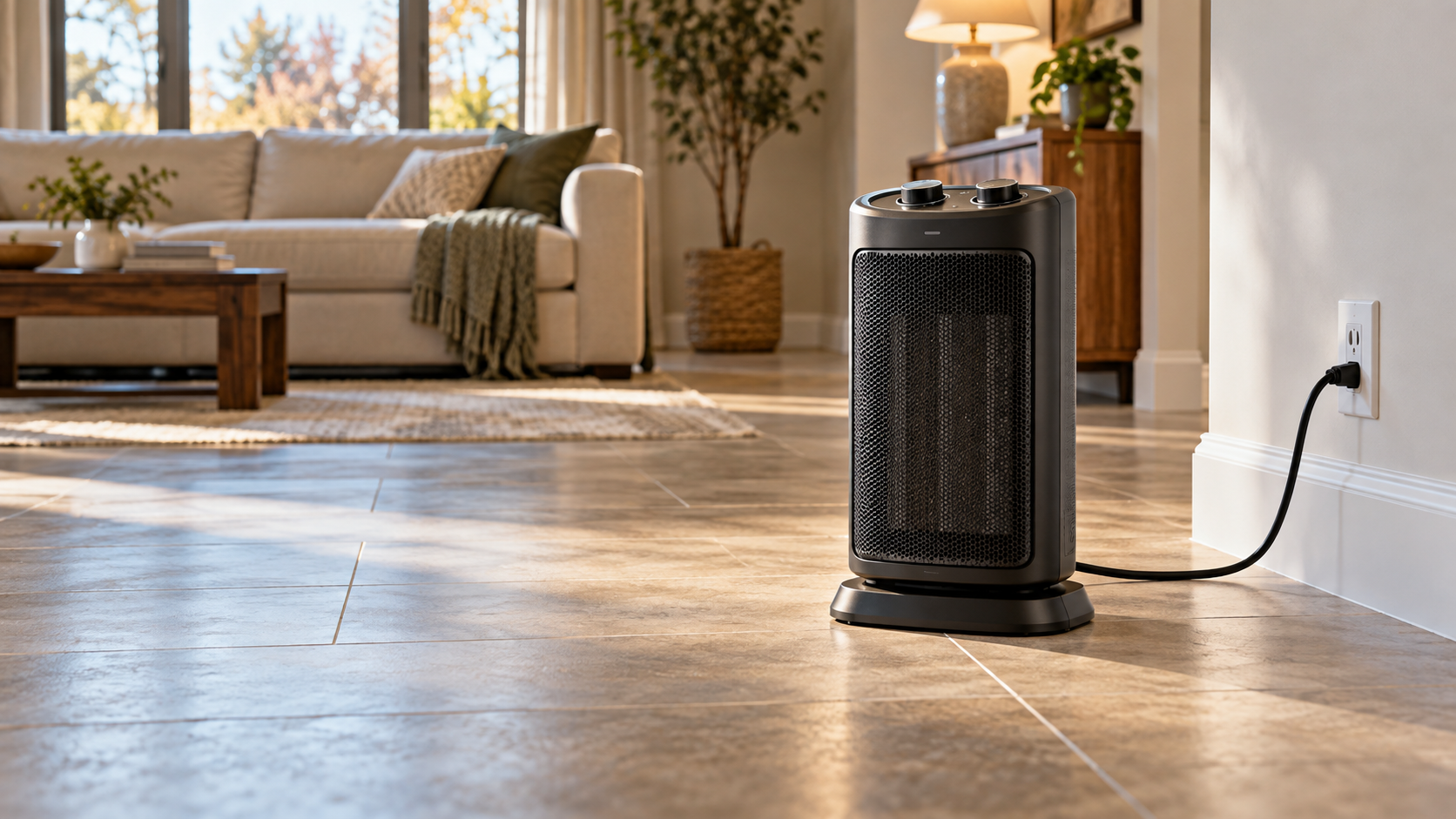
Review Portable Heater Use
Multiple electric heaters can add meaningful consumption. An illustrative 1.5-kW heater used four hours a day for 30 days uses 180 kWh; cost depends on your actual rate and runtime.
Collect a Useful Comparison
Bring recent bills, thermostat changes, and operating observations to the discussion. That helps separate billing questions from heating performance concerns.
A Practical Next Step
A Higher Bill Is a Starting Point for Questions
Check daily usage, rates, weather, and household changes before concluding the heater is at fault. If consumption has risen alongside poor comfort, unexpected backup heat, or abnormal operation, evaluate the system. Repair and replacement decisions should follow findings, not the dollar total alone.
We Don’t Just Fix It. We Explain It.
Professional Heating Evaluation
Connect the Usage Change With How the Home Is Heating
Malek can evaluate system performance, controls, airflow, and distribution when heating symptoms accompany a cost increase. A utility provider should explain billing and rate questions; equipment evaluation addresses a different part of the problem.
History
Review What Changed
Compare comfort, operation, thermostat habits, and the timing of the increase.
Controls
Review Heating and Backup Commands
Check settings and equipment compatibility when backup use or temperature recovery changed.
Airflow
Evaluate Filters and Distribution
Review restrictions and accessible duct conditions that may affect comfort.
Performance
Check Actual Heating Operation
Determine whether equipment is operating as intended rather than judging by runtime alone.
Options
Explain the Findings Without Promising Savings
Describe appropriate corrections and their practical limits; do not guarantee a bill reduction without supporting data.
Continue Learning
Related Guidance for Your Home
Auxiliary Heat vs. Emergency Heat
Understand backup modes and their operating implications.
→Problem GuideWhy Does My Furnace Keep Turning On and Off?
Explore interrupted heating cycles and diagnosis.
→Homeowner ArticleCan Dirty Air Filters Damage Your HVAC?
Review filter compatibility and airflow concerns.
→ServiceFurnace Maintenance
Learn about professional heating-system maintenance.
→Malek Homeowner Learning Center
Have another home-system question?
Explore homeowner articles, decision guides, investment guides, and FAQs to understand your options before deciding what comes next.
Sources & Further Reading
For manufacturer explanations and safety guidance, see the resources below. Your equipment’s instructions determine the requirements for its use, installation, and service.
Frequently Asked Questions
Heating Questions, Answered
Clear answers to help you understand the concern, recognize warning signs, and choose a practical next step.
Does a high heating bill mean my furnace is failing?+
No. Rates, billing days, colder weather, thermostat settings, and household use can raise the total. Equipment problems are one possibility, especially when comfort or operation also changed.
Should I compare dollars or energy use?+
Compare both, starting with energy use per billing day. Then review rates, fees, adjustments, and weather. The dollar total alone cannot show what caused the increase.
Can AUX heat increase my electric bill?+
Electric resistance backup can increase consumption compared with heat-pump heating. Actual cost depends on equipment, runtime, and the rate. Frequent unexpected use warrants evaluation.
Is a heat pump running longer always inefficient?+
No. Some heat pumps operate for longer periods at lower capacity, and demand rises in cold weather. Whether the home reaches its setting and whether operation changed are more useful clues.
Can dirty filters raise heating costs?+
Restricted airflow can affect performance and operation. Replace a loaded filter with the correct type, but have continuing comfort or operating problems evaluated.
Will a lower overnight setting always save money?+
The result depends on the home, equipment, and controls. Large recovery changes can trigger electric backup heat on some heat pumps. Use an equipment-appropriate schedule.
How much electricity can a space heater add?+
A 1.5-kW heater running four hours daily for 30 days uses 180 kWh. Multiply actual usage by the applicable rate for an estimate; other bill charges and cycling affect the total.
When should I ask Malek to evaluate my heating system?+
An evaluation is useful when a usage increase accompanies weak heat, unexpected backup use, persistent ice, recurring faults, or unusual cycling. Bring the bills and observations so the change can be discussed clearly.
Get Clear Answers With Malek
Understand the Heating Changes Behind Your Concern
If higher energy use comes with a heating-performance problem, Malek can evaluate your Bryan–College Station or Northwest Houston system and explain a practical next step.