Electrical Homeowner Guide
Home Electrical Safety Checklist
You do not need to open an electrical panel or understand every circuit in the house to notice when something has changed. Many electrical problems first appear as small clues: a plug that suddenly feels loose, a light that flickers more often, an outlet that runs warm, or a breaker that needs another reset.
A simple routine can help you spot those patterns earlier. The goal is not to inspect concealed wiring yourself. It is to notice visible changes, stop using damaged equipment, and know when a licensed electrician should take a closer look.
Use this checklist throughout the year to review outlets, switches, lighting, extension cords, protective devices, appliances, outdoor equipment, and other accessible parts of your home’s electrical system.
Five-Minute Safety Check
Start With the Electrical Changes You Can See, Hear, Smell, or Feel
Look
Check for cracked covers, loose devices, scorch marks, damaged cords, missing exterior covers, exposed wiring, and signs of moisture around electrical equipment.
Listen
Pay attention to buzzing, crackling, popping, or humming from outlets, switches, fixtures, breakers, appliances, and the electrical panel.
Notice Patterns
Write down which lights flicker, which breakers trip, when power changes occur, and what appliances or equipment are operating at the time.
Heat, burning odor, sparks, electrical shock, smoke, or visible melting are not routine maintenance items. Stop using the affected device or area when it can be done safely and arrange prompt electrical evaluation.
Monthly Checklist
A Short Walk Through the Home Can Reveal Developing Problems
Outlets
Check for Heat, Damage, and Loose Plugs
Look for outlets that feel warm, no longer hold plugs securely, show discoloration, move inside the wall, spark during normal use, or work only intermittently.
Switches
Listen and Feel for Changes
Notice switches that buzz, crackle, feel warm, operate loosely, fail to control the light consistently, or show visible wear around the faceplate.
Lighting
Track Flickering and Repeated Bulb Failures
Pay attention to lights that flicker, dim, become unusually bright, buzz, or burn through bulbs more quickly than expected. Note whether one fixture or several areas are affected.
Breakers
Record Any Trips
Write down which breaker tripped, what was operating, whether the trip happened during normal use, and whether it occurred again after one reset.
Cords and Power Strips
Remove Damaged or Overloaded Equipment
Look for cracked insulation, bent prongs, exposed wire, damaged plugs, heat, scorch marks, overloaded power strips, and extension cords being used as permanent wiring.
Appliances
Notice Changes in Operation
Watch for appliances that trip protective devices, produce electrical odor, shock or tingle, cause lights to dim strongly, or operate differently after being moved or plugged in.
Seasonal Checklist
Weather, Equipment Use, and Holiday Loads Change Throughout the Year
Spring
- Check exterior outlets and covers after winter weather.
- Inspect visible cords on lawn and outdoor equipment.
- Test accessible GFCI devices according to manufacturer instructions.
- Look for moisture around garages, patios, and exterior electrical boxes.
Summer
- Note strong dimming when the AC or pool equipment starts.
- Watch for breakers tripping during peak household demand.
- Check outdoor receptacles after storms and heavy rain.
- Review whether the home has whole-home surge protection.
Fall
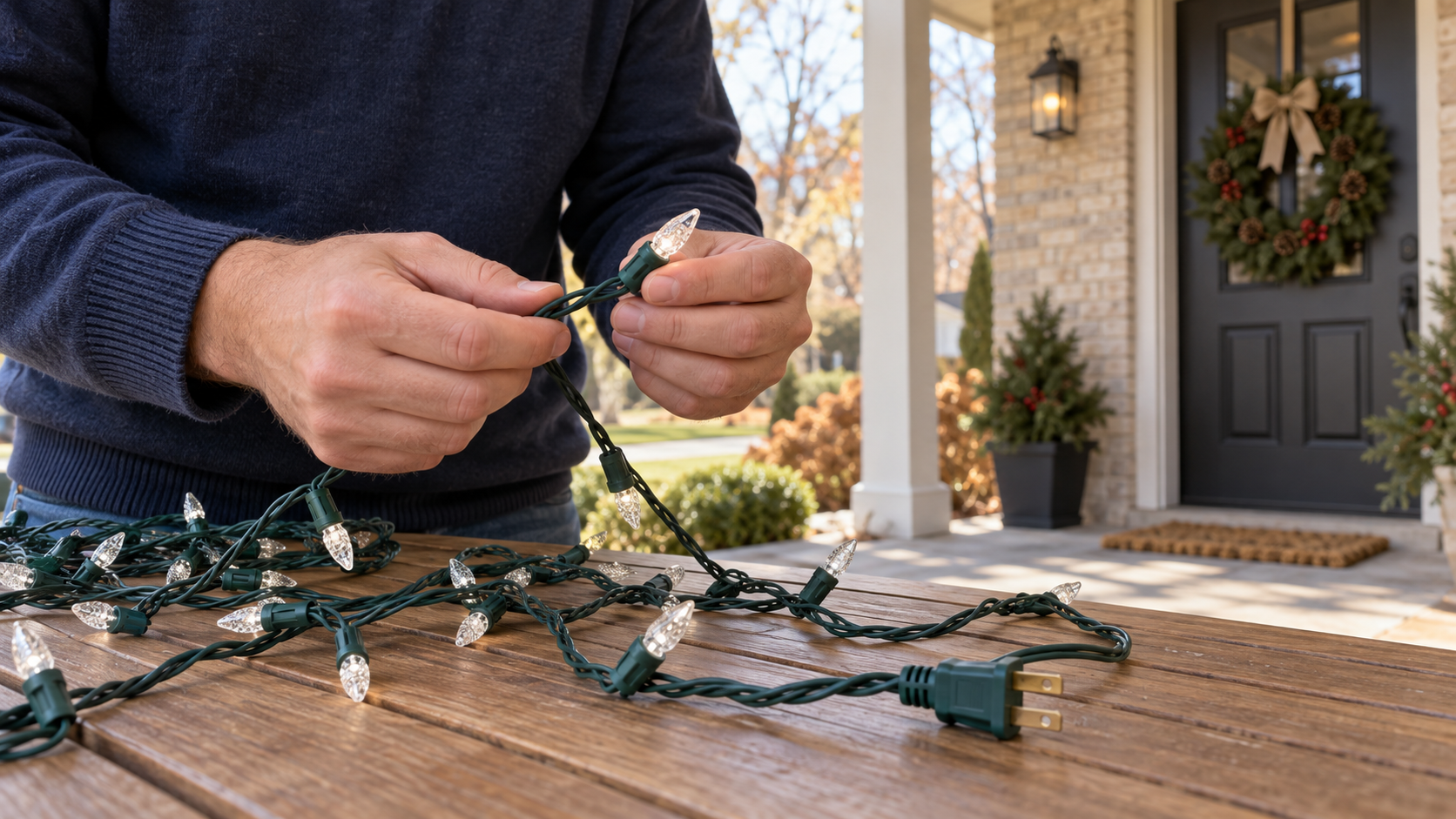
- Inspect extension cords before using seasonal decorations.
- Avoid placing cords beneath rugs, doors, or furniture.
- Check outdoor lighting before shorter daylight hours.
- Review circuits used for workshops, heaters, and holiday equipment.
Winter
- Plug portable heaters directly into appropriate wall outlets.
- Keep heaters away from bedding, curtains, and furniture.
- Do not overload outlets with holiday lighting and decorations.
- Check for warm plugs, outlets, and power strips during heavy use.
Texas Homeowner Tip
Summer Loads and Storm Activity Can Reveal Electrical Weaknesses
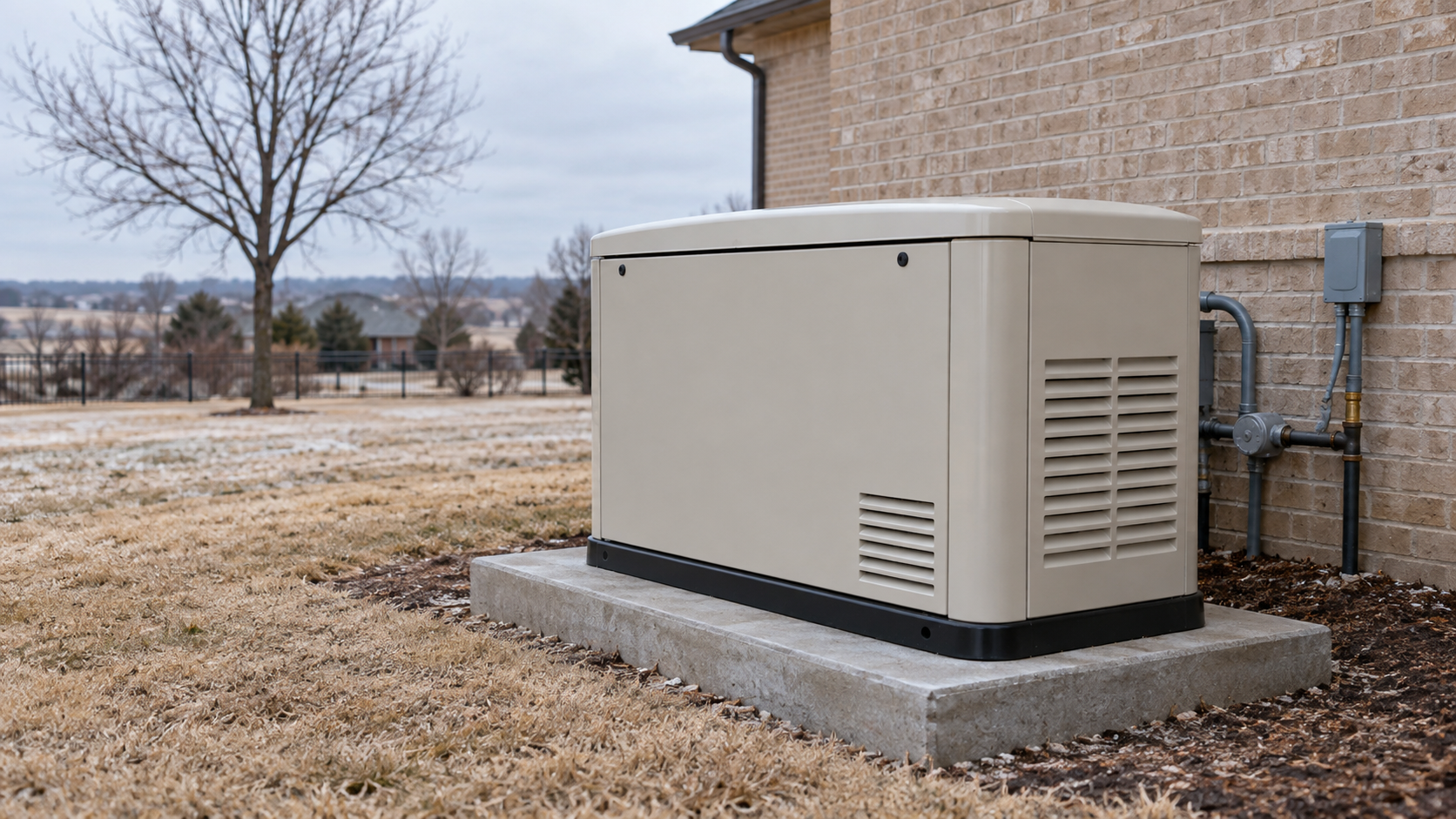
Long cooling cycles, pool equipment, outdoor living spaces, workshops, generators, and frequent lightning can place added demand on a home’s electrical system. Strong light dimming, recurring breaker trips, damaged exterior outlets, or equipment that behaves differently after a storm should be evaluated.
Room-by-Room Checklist
Different Parts of the Home Create Different Electrical Concerns
Kitchen
High-Demand Appliances and Water Are Often Close Together
- Test accessible GFCI protection as directed.
- Keep appliance cords away from sinks and hot surfaces.
- Do not operate damaged countertop appliances.
- Watch for outlets that trip when multiple appliances run.
Bathrooms
Moisture Makes Proper Protection Especially Important
- Check that outlet covers are secure and undamaged.
- Keep hair tools and appliances away from water.
- Do not use a GFCI that will not test or reset properly.
- Report heat, buzzing, or discoloration promptly.
Bedrooms and Living Areas
Furniture and Everyday Devices Can Hide Wear
- Do not run cords beneath rugs or furniture.
- Check outlets hidden behind beds, couches, and cabinets.
- Replace damaged chargers and extension cords.
- Notice lamps or outlets that work only intermittently.
Garage and Workshop
Tools and Equipment Can Add Significant Circuit Demand
- Inspect cords before operating tools.
- Keep electrical devices away from wet floors.
- Avoid daisy-chaining power strips or extension cords.
- Schedule service when equipment repeatedly trips the circuit.
Laundry and Utility Areas
Large Appliances Need Dependable Connections
- Check cords and receptacles for heat or discoloration.
- Keep lint and stored items away from electrical equipment.
- Watch for appliances causing flickering or breaker trips.
- Do not use damaged plugs or loose receptacles.
Outdoors
Weather Exposure Can Damage Devices and Connections
- Check outlet covers for cracks or missing pieces.
- Use outdoor-rated cords and equipment.
- Do not use wet or damaged receptacles.
- Inspect visible equipment after severe weather.
What Homeowners Should Not Do
Electrical Safety Includes Knowing Where a Home Check Should Stop
Do Not Install a Larger Breaker to Stop Tripping
Breaker size must match the circuit and wiring. Increasing it without correcting the cause can remove important protection.
Do Not Keep Resetting a Breaker or GFCI
A protective device that trips again is responding to a condition that should be diagnosed.
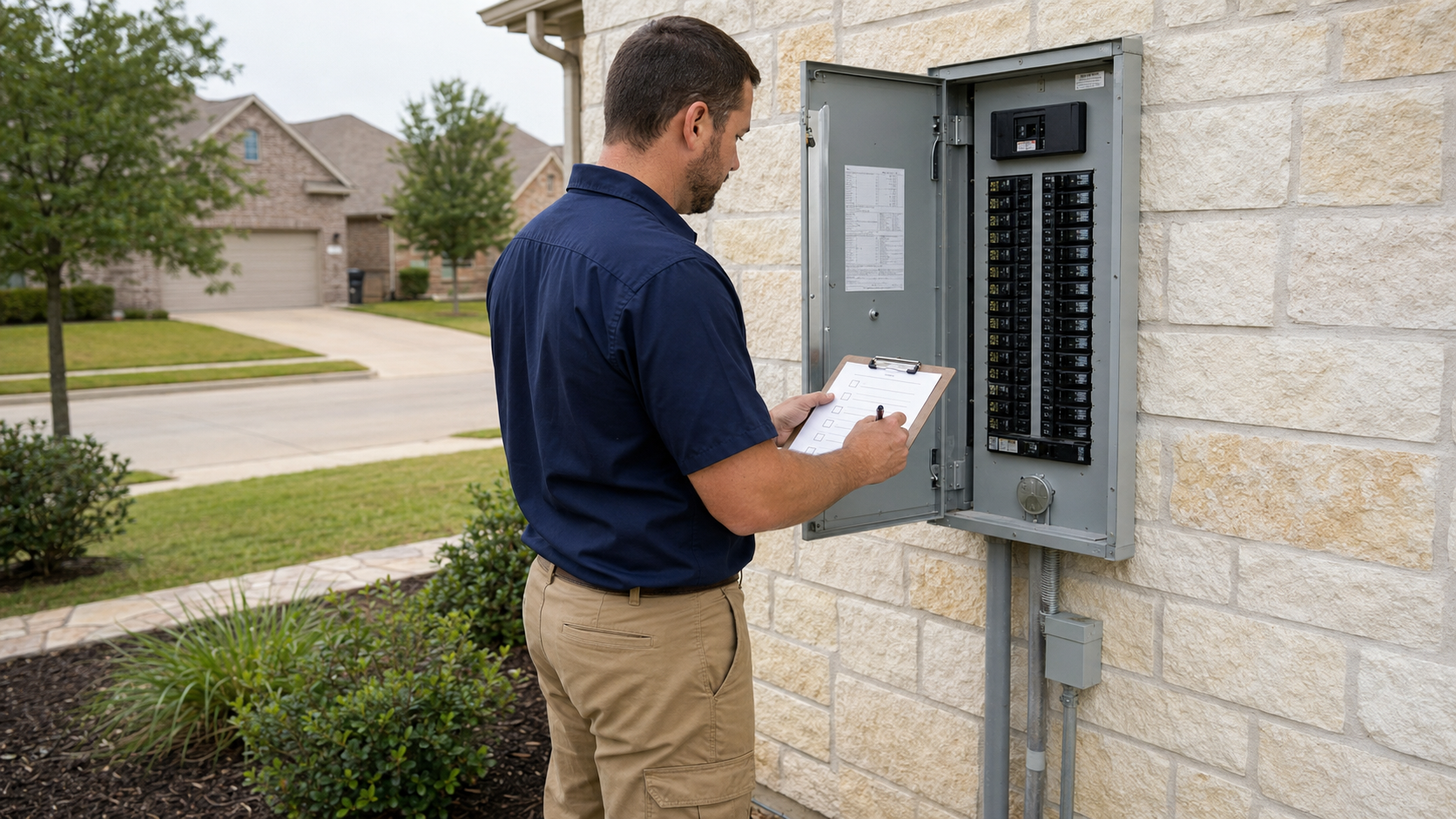
Do Not Open the Electrical Panel
The area behind the cover contains energized components that may remain live even when individual breakers are switched off.
Do Not Pull Outlets or Switches From the Wall
Visible damage may extend into the box, wiring, or upstream connections. Leave device removal and testing to an electrician.
Do Not Use Damaged Cords Temporarily
Tape does not restore the original insulation or strain relief of a damaged cord, plug, or connector.
Do Not Ignore Burning Odors or Heat
Electrical overheating can be intermittent. The smell or warmth disappearing does not confirm that the condition is gone.
Signs It Is Time to Call an Electrician
Schedule Evaluation When the Symptom Repeats, Spreads, or Shows Damage
Breakers or GFCI devices trip repeatedly
Lights regularly flicker, dim, or change brightness
Outlets or switches feel warm or hot
Devices buzz, crackle, pop, or operate intermittently
There is a burning or melted-plastic odor
Outlets show scorch marks, cracks, or visible melting
Electrical shock or tingling occurs
Power becomes unreliable in more than one area
Stop using affected equipment when it can be done safely. Avoid touching exposed conductors, wet electrical devices, melted components, or anything producing smoke, sparks, or electrical shock.
The Bottom Line
You Are Not Inspecting the Wiring. You Are Learning What the Home Is Telling You.
A homeowner safety check should stay visual and observational. You are looking for changes in how outlets, switches, lights, breakers, cords, and appliances behave—not opening boxes or testing energized components.
When something repeats, spreads, produces heat, or changes the way power behaves, an electrician can trace the symptom and explain whether the concern is isolated or part of a larger electrical condition.
We Don’t Just Fix It. We Explain It.
What Professional Evaluation Includes
Turning the Checklist Findings Into a Clear Electrical Plan
A professional evaluation connects the symptoms you noticed with the devices, circuits, wiring, breakers, panel conditions, and equipment actually involved.
Symptom Review
Start With What You Observed
The electrician reviews where the problem occurs, how often it happens, what equipment is running, and whether the concern includes heat, odor, sound, damage, or protective-device trips.
Visible Conditions
Review Accessible Devices and Electrical Equipment
Outlets, switches, fixtures, GFCI devices, breakers, panel components, equipment connections, and accessible wiring may be reviewed based on the complaint.
Electrical Testing
Trace the Symptom to the Affected Circuit or Component
Testing may include voltage, grounding, polarity, load, continuity, breaker behavior, device operation, and wiring condition.
Priority Review
Separate Immediate Concerns From Planned Improvements
Active heat damage, unstable connections, repeated trips, and shock concerns may require prompt repair. Other improvements may be appropriate to plan over time.
Clear Next Steps
Explain What Needs Attention and Why
Malek explains what testing identified, which repairs are recommended, what may remain in service, and what should be monitored or planned later.
Frequently Asked Questions
Home Electrical Safety FAQs
These answers cover routine homeowner observations, protective devices, extension cords, recurring symptoms, and signs that the electrical system needs professional evaluation.
How often should I check my home for electrical safety concerns? +
A brief visual review each month and a more thorough seasonal walk through the home can help identify changes. Check sooner after storms, water leaks, remodeling, appliance changes, or repeated electrical symptoms.
Should outlets or switches ever feel warm? +
Some devices may produce slight warmth during normal operation, but noticeable heat, increasing temperature, discoloration, odor, buzzing, or intermittent operation should be evaluated. Stop using a hot or damaged device.
Is it safe to reset a tripped breaker? +
A breaker may be reset once after reducing the connected load and confirming there are no signs of heat, damage, odor, sparks, or moisture. If it trips again, do not continue resetting it.
How often should GFCI outlets be tested? +
Follow the instructions printed on the device or provided by the manufacturer. A GFCI that does not interrupt power during testing, will not reset, or trips repeatedly should be evaluated.
Can extension cords be used permanently? +
Extension cords are intended for temporary use. Permanent reliance may indicate that the home needs additional outlets, different equipment placement, or a dedicated circuit.
Are power strips the same as surge protection? +
No. Some power strips include limited point-of-use surge protection, while others only provide additional receptacles. Whole-home surge protection is installed at the electrical system to help protect multiple circuits and connected equipment.
Should I schedule an electrical inspection for an older home? +
Evaluation may be appropriate when the home has recurring electrical problems, layers of previous modifications, limited outlets, an older panel, planned remodeling, new equipment, or visible signs of wear and damage.
Which electrical warning signs need prompt attention? +
Burning odors, smoke, sparks, electrical shock, visible melting, hot outlets or panels, buzzing, repeated trips, water exposure, exposed conductors, and widespread voltage changes need prompt professional attention.
Noticed Something During Your Safety Check?
Get Clear Answers About What Your Electrical System Needs Next
Malek can evaluate the affected devices, circuit, breaker, accessible wiring, panel conditions, and connected equipment before explaining what testing identified and what should happen next.