Power Surge Insurance Homeowner Guide
Does Homeowners Insurance Cover Power Surge Damage?
Homeowners insurance may cover power surge damage when the loss was caused by a covered event, but coverage depends on the policy, the source of the surge, the damaged property, the deductible, and any limits or exclusions that apply.
Damage caused by lightning may be treated differently from damage caused by utility problems, wear and tear, faulty equipment, flooding, poor maintenance, or an electrical condition inside the home.
This guide explains when surge damage may be covered, why claims can be denied or limited, what documentation can help, how deductibles affect the decision to file, and why insurance does not replace surge protection.
The Quick Answer
Homeowners Insurance May Cover Surge Damage When the Cause Is a Covered Peril
Lightning Damage May Be Covered
Many policies list lightning as a covered peril, which may allow a claim for covered damage to the home, built-in systems, appliances, or personal property, subject to the policy terms and deductible.
The Cause of the Surge Matters
A claim may be handled differently when damage came from a utility disturbance, failed equipment, internal wiring problem, flooding, poor maintenance, or another cause that is excluded or limited.
Coverage Is Not the Same as Full Reimbursement
The deductible, replacement-cost terms, actual-cash-value terms, policy limits, proof of loss, and whether the item is considered dwelling or personal property can all affect payment.
Do not assume that all electrical damage is covered. Review the policy language and contact the insurer or agent before relying on a general rule.
What Determines Coverage
What Determines Whether Power Surge Damage Is Covered?
The Cause of the Surge
Coverage usually begins with identifying what caused the damage. Lightning may be covered while wear, deterioration, flooding, or certain utility-related events may be treated differently.
The Type of Property Damaged
Built-in HVAC equipment, permanently installed systems, appliances, electronics, and other belongings may fall under different sections of the policy.
The Policy Form and Endorsements
Policies differ in the perils they cover, the exclusions they use, and whether endorsements add or limit protection for electrical equipment or personal property.
The Deductible
Even a covered loss may not result in payment when the repair or replacement cost is close to or below the policy deductible.
Replacement Cost vs. Actual Cash Value
Replacement-cost coverage may pay differently from actual-cash-value coverage, which can account for age, condition, and depreciation.
Documentation of the Loss
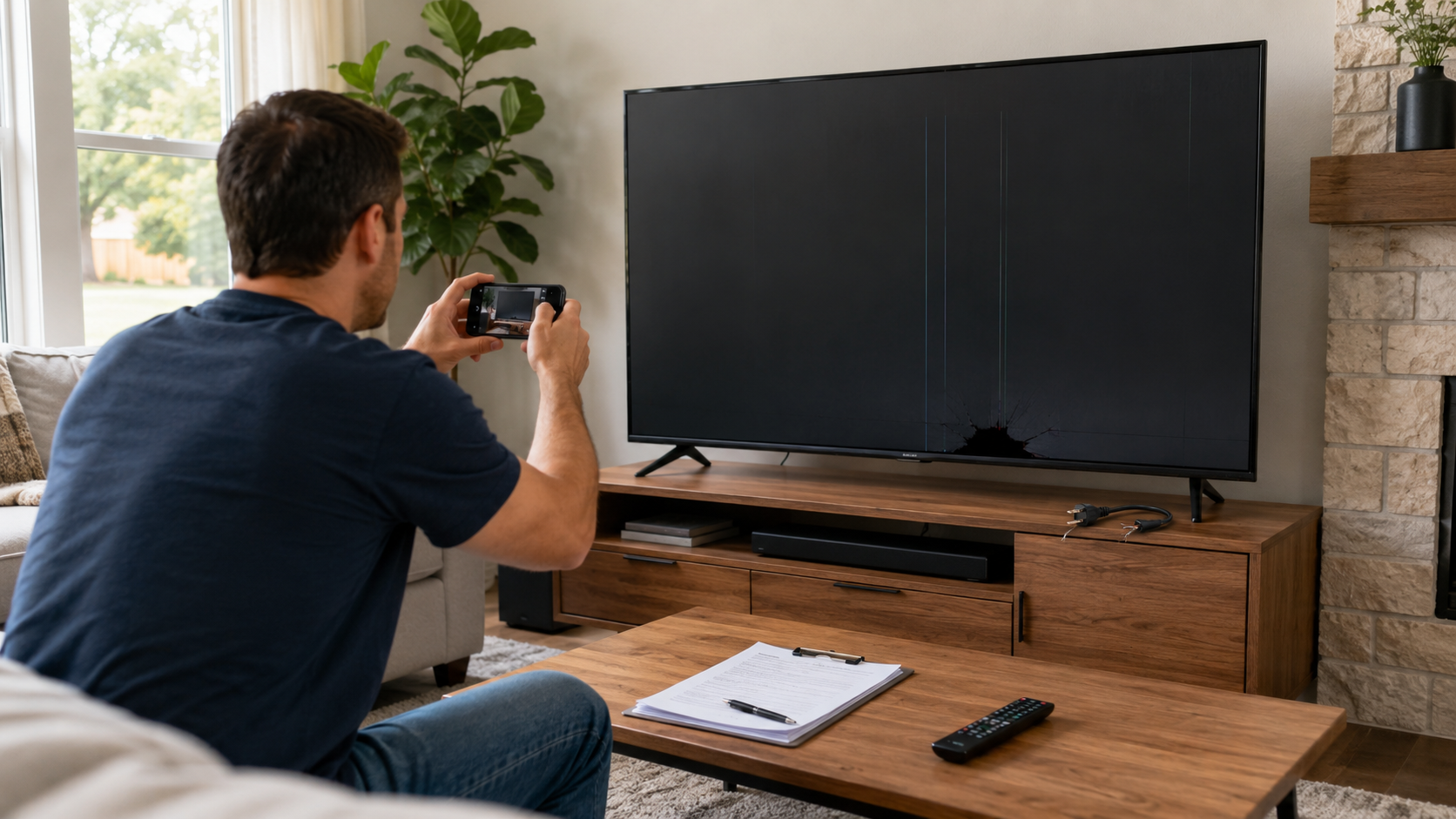
Photos, receipts, model numbers, service reports, dates, and a clear description of the electrical event can help support a claim.
Maintenance and Preexisting Conditions
Insurers may distinguish sudden accidental damage from failure caused by age, corrosion, improper installation, neglected maintenance, or an existing electrical problem.
Policy Limits and Exclusions
Coverage can be limited by exclusions, sublimits, special property categories, loss-settlement terms, or requirements written into the policy.
Common Coverage Scenarios
Whole-Home Surge Protection Provides the Strongest Value When Several Risk Factors Are Present
Lightning damages connected equipment during a storm
A covered fire or electrical event damages built-in systems
The damaged property falls within dwelling or personal-property coverage
The loss exceeds the applicable deductible
The homeowner can document the event and damaged items
The damage was sudden rather than caused by long-term deterioration
The policy does not exclude or limit the specific cause
The insurer confirms the loss is covered under the policy
Policy language controls the claim. A similar electrical failure may be covered under one policy and excluded or limited under another.
Signs Electronics May Have Been Damaged
Some Electrical Losses May Be Excluded, Limited, or Below the Deductible
Wear, age, or gradual deterioration
Poor maintenance or preexisting electrical problems
Flood or water damage excluded from the policy
Utility-side events not covered by the policy wording
Damage below the policy deductible
Items subject to depreciation or special limits
Losses without enough documentation to establish cause
Damage outside the policy period or reported too late
A denial does not always mean the insurer is acting incorrectly; it may reflect the cause of loss, deductible, exclusion, valuation method, or documentation. Ask for the coverage decision in writing and review the policy language.
Insurance vs. Prevention
Insurance Helps Recover From a Covered Loss. Surge Protection Helps Reduce the Chance of One.
Homeowners Insurance
Insurance Responds After a Covered Loss
- ✓May help pay for covered damage to the home or belongings
- ✓Subject to deductibles, limits, exclusions, and documentation
- ✓Coverage depends on the cause of loss and policy wording
- ✓Does not prevent equipment from being damaged
- ✓Should not be treated as a substitute for prevention
Whole-Home Surge Protection
Surge Protection Works Before the Loss
- ✓Helps reduce surge energy across connected circuits
- ✓Helps protect hardwired HVAC equipment and appliances
- ✓Creates a broad first layer before surges reach devices
- ✓Requires compatible installation and dependable grounding
- ✓Works best with quality point-of-use protection
The Bottom Line
Coverage May Exist—but the Policy and Cause of Loss Decide the Claim
Lightning-related surge damage may be covered under many homeowners policies, while other causes can be excluded, limited, or handled differently. The deductible and loss-settlement terms also matter.
The practical approach is to understand the policy before a loss, document the home’s equipment, and use electrical protection to reduce exposure rather than relying on insurance alone.
We Don’t Just Fix It. We Explain It.
What Professional Evaluation Includes
Documenting the Electrical Event and Separating Covered Damage From Equipment Failure
A useful electrical evaluation can document the panel, voltage conditions, connected circuits, visible damage, and likely cause, but only the insurer can determine whether the policy covers the loss.
Event Review
Establish When and How the Damage Occurred
The electrician reviews storms, outages, utility activity, generator operation, failed devices, and the timing of the equipment changes.
Electrical System Review
Review the Panel, Grounding, Breakers, and Visible Conditions
The panel, grounding, bonding, breakers, conductors, existing surge protection, and visible signs of heat or damage may be evaluated.
Cause Review
Identify Which Systems and Devices Were Affected
HVAC equipment, appliances, smart-home systems, security equipment, computers, and other affected devices are documented along with model information and observed symptoms.
Cause Review
Determine Whether the Failure Appears Isolated or Event-Related
Testing and visible conditions may help distinguish a single failed device from unstable voltage or a broader electrical event.
Clear Next Step
Explain the Repair, Replacement, and Insurance vs. Prevention
Malek explains the electrical findings, which repairs are needed, what equipment may require separate service, and which documents may help the homeowner discuss the loss with the insurer.
Continue Learning
Continue Learning About Surge Protection and Electrical Damage
Whole-Home Surge Protection
Learn how panel-level protection helps reduce common voltage spikes across connected circuits, HVAC equipment, appliances, and hardwired systems.
→ ServiceDo You Need Whole-Home Surge Protection?
Review the home conditions, surge exposure, equipment, and future electrical plans that can make whole-home protection a practical fit.
→ ServiceSurge Protector vs. Power Strip
Compare panel-level protection with plug-in surge protectors and learn why layered protection often provides stronger coverage.
→ Cost GuideDo You Need Whole-Home Surge Protection? Cost Guide
Review the starting cost, possible additions, and the panel, grounding, equipment, and installation factors that shape pricing.
→Frequently Asked Questions
Homeowners Insurance and Power Surge FAQs
These answers explain when surge damage may be covered, why the cause of loss matters, how deductibles affect claims, and why policy language controls the final decision.
Does homeowners insurance cover power surge damage?+
It may, especially when the surge was caused by a covered event such as lightning. Coverage depends on the policy, cause of loss, deductible, exclusions, limits, and the type of property damaged.
Is lightning-related surge damage usually covered?+
Many homeowners policies list lightning as a covered peril, but the claim is still subject to the policy wording, deductible, limits, exclusions, and proof that lightning caused the damage.
Does homeowners insurance cover utility power surges?+
Sometimes, but not always. Coverage can depend on the policy wording and whether the event is treated as a covered sudden loss, excluded utility service interruption, equipment failure, or another cause.
Will insurance pay to replace damaged electronics at full cost?+
That depends on whether the policy uses replacement-cost or actual-cash-value settlement, the item’s category, policy limits, depreciation, and the deductible.
Are HVAC systems and built-in appliances covered differently from electronics?+
They may fall under different coverage sections because permanently installed systems and built-in equipment can be treated differently from movable personal property. The policy controls.
Should I file a claim for minor surge damage?+
Compare the estimated loss with the deductible and consider the insurer’s reporting requirements. Contact the insurer or agent for guidance before assuming a small claim will result in payment.
What documentation helps with a surge damage claim?+
Photos, receipts, model and serial numbers, a home inventory, dates, weather or outage information, repair estimates, and an electrician’s findings can help document the loss.
Can an electrician determine whether insurance will cover the claim?+
Malek reviews the panel, grounding, breaker space, connected equipment, surge exposure, existing protection, generator or EV plans, and any electrical work that should come first before explaining the practical value.
Dealing With Electrical Damage After a Storm or Outage?
Document the Electrical Condition Before Replacing Multiple Systems
Malek can evaluate the electrical panel, grounding, breakers, connected circuits, existing surge protection, and visible signs of damage before explaining the electrical findings and practical next step.