Educational Planning Range
What Does a Whole-Home Generator Typically Cost?
Typical Installed Planning Range
$10,000–$20,000+
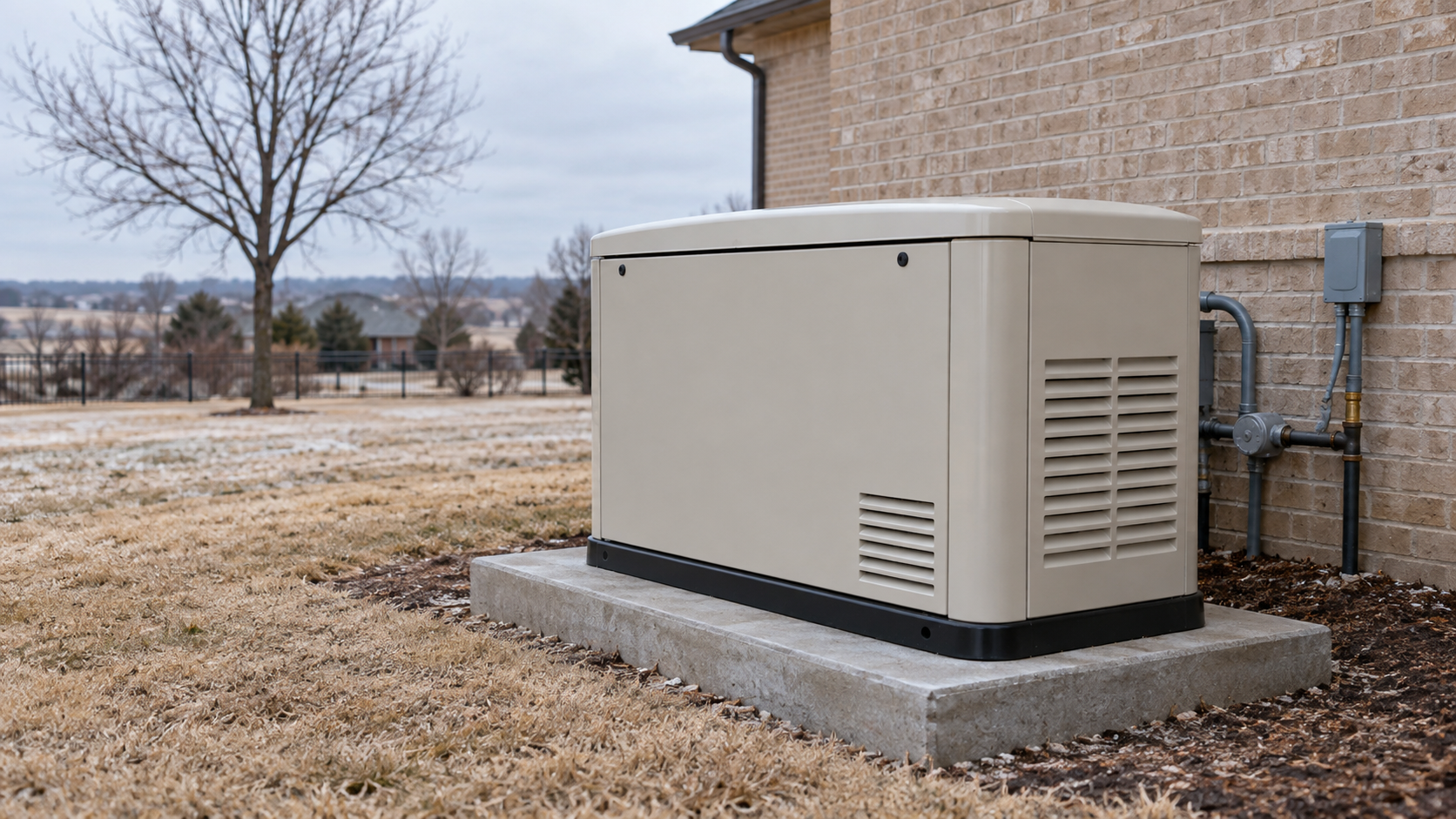
Many professionally installed standby generator projects fall within this broad planning range once the generator, automatic transfer equipment, electrical work, fuel connection, placement, startup, and installation labor are included. Larger systems or more complex properties can exceed it.
This range is provided for general learning and budgeting purposes only. It is not a quote or guarantee. The actual investment depends on generator capacity, backup coverage, transfer equipment, fuel source, gas or propane infrastructure, electrical service configuration, generator placement, trenching or routing, permitting, and site-specific installation requirements.
The most useful estimate begins with understanding what you want the generator to power. That allows the system to be sized around actual electrical loads rather than choosing equipment based only on home size or a generic generator recommendation.
Learn How Whole-Home Generators Are Sized →Possible Additions
What Can Increase the Cost of a Whole-Home Generator Project?
Not every generator installation requires the same supporting work. These are common project elements that can increase the final investment beyond the generator and basic installation.
Larger Generator Capacity
Varies
Homes requiring multiple HVAC systems, electric water heating, cooking equipment, pumps, or broader simultaneous backup may need more generator capacity than an essential-load design.
Automatic Transfer Equipment
Varies
Transfer-switch type, service size, panel configuration, and load-management strategy can all affect the equipment and electrical work required to integrate the generator with the home.
Natural Gas System Modifications
Varies
Some homes may require additional gas piping, regulator changes, meter-capacity evaluation, or other fuel-system work so the selected generator can receive adequate fuel under expected operating conditions.
Propane Tank and Fuel Infrastructure
Varies
Propane installations may require tank sizing, tank placement, regulators, piping, site preparation, and coordination with the propane provider.
Trenching and Longer Utility Runs
Varies
Greater distance between the generator, electrical equipment, and fuel source can increase conductor, piping, trenching, restoration, and labor requirements.
Electrical Panel or Service Work
Varies
Existing panel conditions, service equipment, disconnect configuration, outdated components, limited space, or required electrical corrections can add scope beyond the generator installation itself.
Load-Management Equipment
Varies
Compatible load-management controls may be used to prioritize, delay, or temporarily shed selected high-demand equipment rather than sizing the generator around every possible load operating at once.
Permits and Inspection Requirements
Varies
Generator projects may involve electrical, fuel, mechanical, placement, or other permitting and inspection requirements depending on the jurisdiction and installation scope.
Start With the Complete System
Why Whole-Home Generator Costs Can Vary So Much
Two homes can use the same generator model and still receive very different installation estimates. One property may have a generator location close to the electrical panel and fuel source with straightforward transfer-switch integration. Another may require long trench runs, gas-system changes, panel work, difficult placement, or additional permitting and coordination.
Backup expectations also matter. A system designed around selected essential loads can have a very different scope from one designed to support multiple HVAC systems and broader household operation.
Pricing Variables
What Affects the Cost of a Whole-Home Generator?
The final investment usually reflects the design of the entire backup power system—not simply the generator model or advertised equipment price.
Generator Capacity
Larger generators generally cost more and may require larger conductors, greater fuel capacity, different transfer equipment, and additional installation considerations.
Backup Coverage
An essential-load system designed around selected circuits can have different equipment and installation requirements from a system intended to support much broader household operation.
HVAC and Starting Loads
Air conditioners, heat pumps, pumps, motors, and compressors can significantly influence generator sizing because of both running demand and temporary startup requirements.
Natural Gas or Propane
Fuel choice affects generator configuration and the supporting infrastructure. Natural gas may involve service and piping capacity, while propane requires adequate onsite storage and fuel delivery.
Automatic Transfer Equipment
Transfer-switch configuration, service rating, electrical layout, and whether load-management controls are included can affect the project scope.
Generator Placement
Required clearances, property layout, access, pad location, electrical routing, fuel routing, and distance from the home can influence labor and material requirements.
Electrical System Condition
Existing panels, service equipment, disconnects, conductors, and previous electrical modifications may need to be evaluated or corrected as part of generator integration.
Permits and Local Requirements
Electrical, fuel, placement, inspection, and other requirements vary by jurisdiction and can influence both project scope and scheduling.
Understanding the Scope
Common Whole-Home Generator Project Scopes
These are not fixed packages or guaranteed price tiers. They show how backup goals, generator capacity, fuel infrastructure, and installation complexity can create very different project investments.
Essential-Load Backup
Prioritized Backup for the Systems That Matter Most
The system is designed around selected priorities such as HVAC, refrigeration, lighting, pumps, internet, security, or other important circuits rather than maximum simultaneous household demand.
This approach can sometimes reduce generator capacity while still providing meaningful outage protection.
Broader Whole-Home Backup
More Capacity for More Normal Household Operation
The system is designed to support a larger portion of the home's electrical loads, potentially including multiple HVAC systems, appliances, pumps, and other higher-demand equipment.
Generator capacity, fuel supply, electrical integration, and load-management strategy become increasingly important as coverage expands.
Load-Managed System
Broader Coverage Without Running Every Major Load at Once
Compatible controls may temporarily delay or shed selected high-demand equipment so priority loads remain available without requiring the generator to support every major appliance simultaneously.
This can provide a useful balance between generator capacity, installation cost, and household backup expectations.
Complex Installation
Generator Installation With Additional Electrical or Fuel Work
Some projects require panel modifications, gas-system upgrades, propane infrastructure, longer trenching, difficult placement, service changes, or other supporting work.
These installations can move beyond typical planning ranges because the generator is only one component of a larger electrical and fuel project.
Coverage Strategy
Should You Pay for Essential Backup or Broader Whole-Home Coverage?
The best generator investment is not automatically the largest system. The right approach depends on how you want the home to function during an outage and which electrical loads actually matter to your household.
Essential-Load Backup May Make Sense When:
- You want to prioritize HVAC, refrigeration, lights, or pumps
- Only selected circuits need to remain available
- You are comfortable managing some electrical use during outages
- Large appliances do not all need to operate simultaneously
- You want to control generator size and project scope
- Load management can support your backup priorities
Broader Whole-Home Coverage May Make Sense When:
- You want the home to operate closer to normal during an outage
- Multiple HVAC systems need backup
- You rely on pumps, larger appliances, or additional equipment
- Automatic convenience is a major priority
- You want more flexibility in what can operate simultaneously
- The larger installed investment fits your backup goals
A professional load evaluation helps separate equipment you truly need from equipment that would simply be nice to have. That distinction can materially affect both generator size and total project investment.
Read the Whole-Home Generator Sizing Guide →Whole-Home Generator Cost FAQs
Questions Homeowners Often Ask About Whole-Home Generator Cost
These answers explain why generator pricing varies, what can affect the installed investment, and what homeowners should understand before comparing proposals.
How much does a whole-home generator typically cost?
Many professionally installed whole-home generator projects fall within a broad planning range of roughly $10,000–$20,000 or more, depending on generator size, transfer equipment, fuel infrastructure, electrical work, placement, permitting, and site conditions. The final investment should be based on a home-specific evaluation rather than a generic equipment price.
Why can whole-home generator estimates vary so much?
Two homes may require very different project scopes even when the generator equipment is similar. Generator capacity, electrical service configuration, fuel availability, transfer equipment, trenching, generator placement, panel work, load management, permitting, and installation access can all change the total cost.
Does a larger generator always cost more?
Larger generators generally increase equipment cost and may also require larger conductors, greater fuel capacity, different transfer equipment, or additional installation work. However, generator size is only one part of the project. A smaller generator with complex fuel or electrical work can still result in a higher installed cost than a larger generator on a straightforward site.
Does natural gas or propane change the installation cost?
It can. Natural gas installations may require evaluation of meter capacity, regulators, piping, and available gas service. Propane installations may require tank sizing, tank placement, regulators, piping, and coordination with a propane provider. The final cost depends on the existing fuel infrastructure and the requirements of the selected generator.
Can load management reduce the cost of a generator project?
In some homes, compatible load-management controls can help reduce the amount of generator capacity needed by preventing certain high-demand loads from operating at the same time. Whether that lowers the overall project cost depends on the home’s electrical loads, equipment compatibility, backup priorities, and the cost of the controls themselves.
Does the electrical panel affect generator installation cost?
Yes. The panel and service configuration affect how the generator and transfer equipment are integrated with the home. Limited space, outdated equipment, damaged components, service configuration, disconnect requirements, or other electrical corrections can add scope to the project.
Are permits and inspections included in generator installation cost?
Permit and inspection requirements vary by jurisdiction and project scope. A complete proposal should explain which permits, inspections, or coordination steps apply and whether those costs are included in the estimate.
Can whole-home generator installation be financed?
Financing may be available for qualifying homeowners and projects. Approval, rates, terms, available credit, and payment amounts depend on the selected third-party lender and the homeowner’s application.