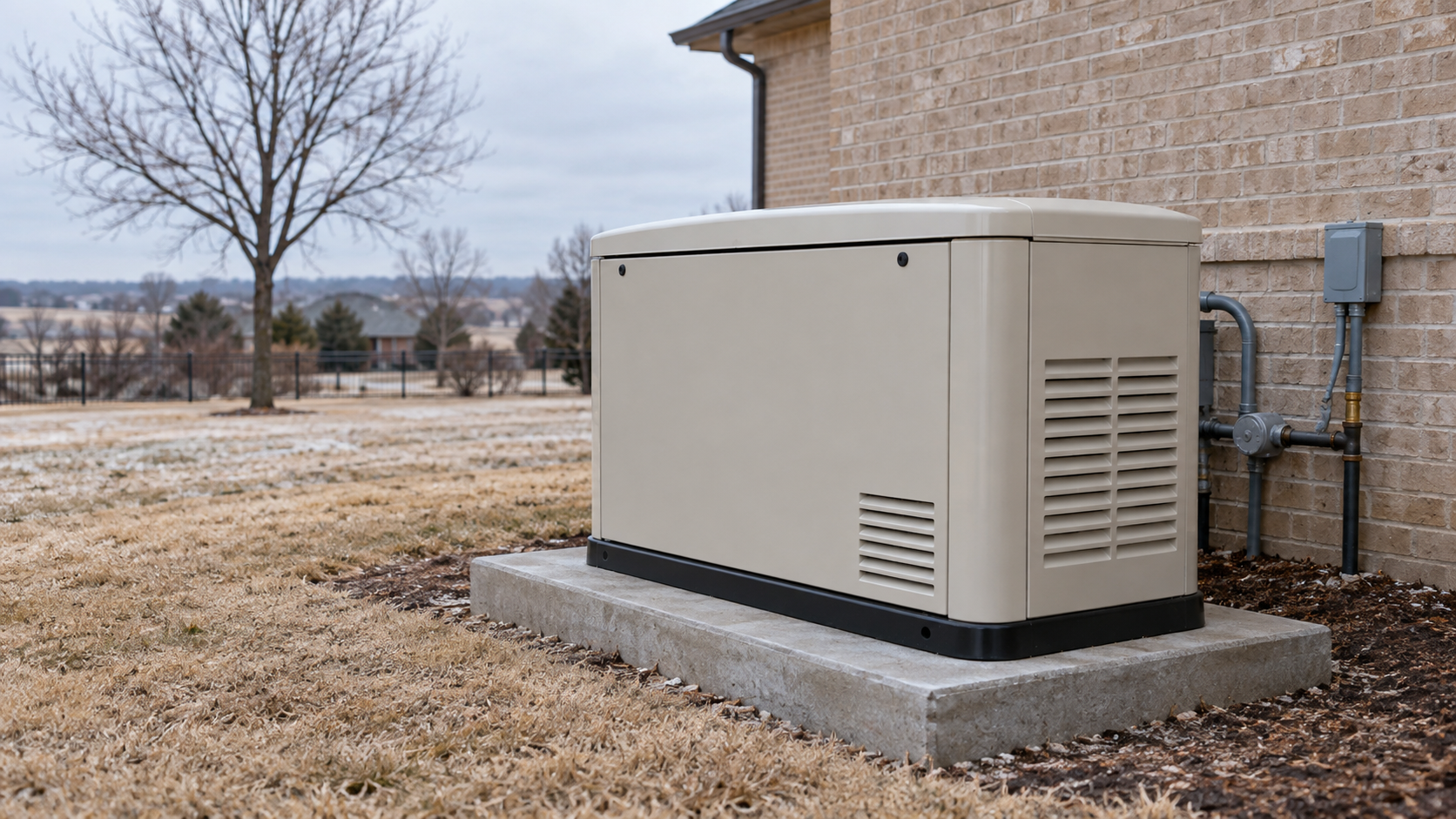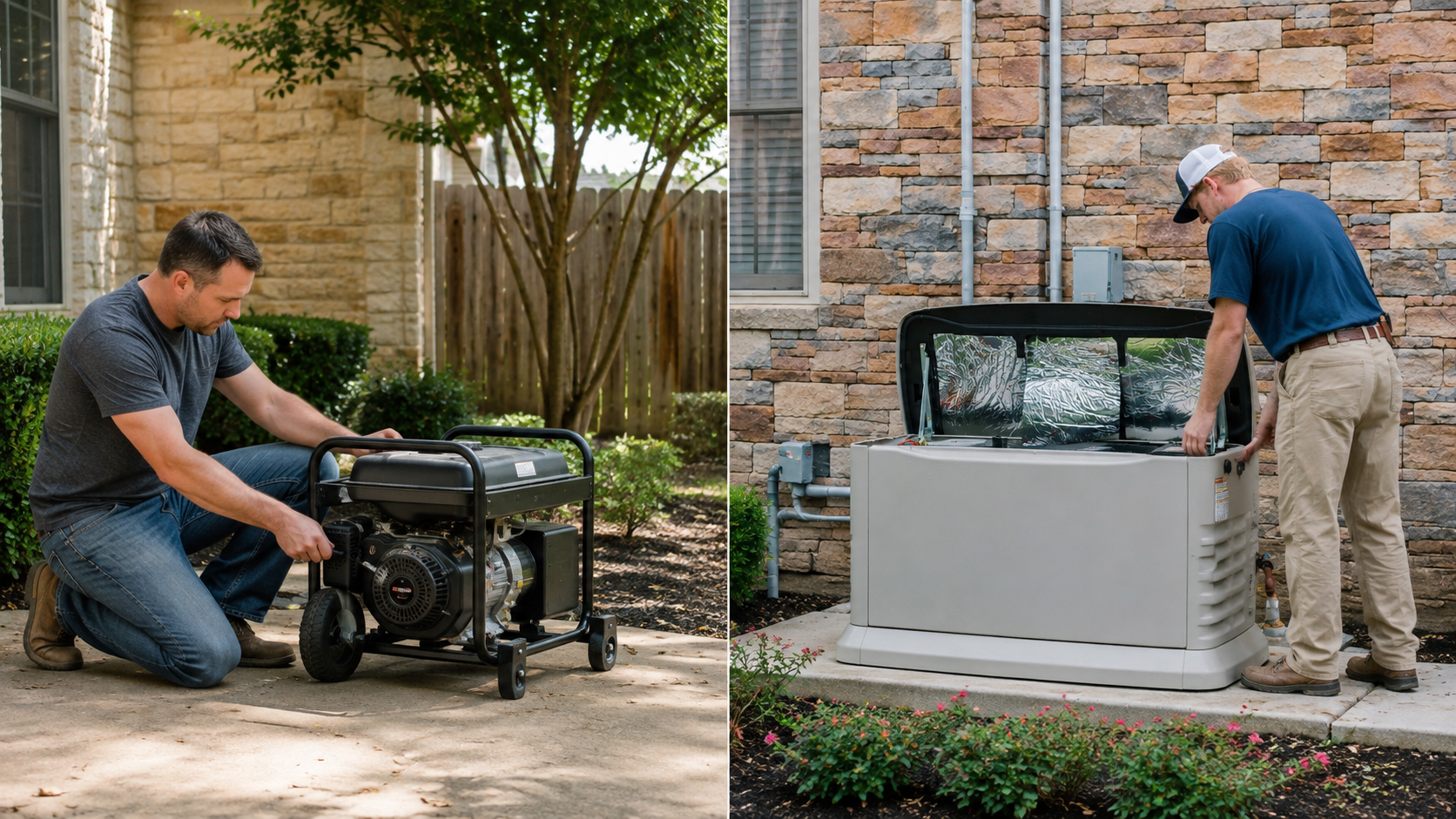
Texas Gulf Coast Generator Preparedness Guide
Preparing Your Generator for Hurricane Season
For homeowners across the Houston–Galveston region, hurricane preparedness is not theoretical. Major Gulf Coast storms can bring destructive winds, flooding, damaged utility infrastructure, and widespread power outages that continue well after the weather itself has moved through.
Hurricane Harvey showed Houston-area homeowners how severe and long-lasting the effects of a major tropical system can be. Across the Gulf Coast, storms such as Katrina have also demonstrated how widespread infrastructure disruption can affect communities long after landfall.
A whole-home standby generator can provide an important layer of backup power, but simply having a generator beside the house does not guarantee the system is ready for an extended outage. Batteries, maintenance, fuel supply, transfer equipment, exercise history, warning codes, and overall generator condition all matter.
This guide explains what Houston–Galveston-area homeowners should review before hurricane season, what to watch while a generator is operating during an extended outage, and what should be checked after a major storm.
The Quick Answer
Prepare the Generator Before a Gulf Storm Enters the Forecast
Confirm Maintenance Is Current
Review the generator's maintenance schedule, service history, operating hours, battery condition, fluids, filters, and other maintenance items before hurricane demand begins.
Address Faults Before Utility Power Is Lost
A missed exercise cycle, warning light, fault code, weak battery, or unusual operating condition is much easier to diagnose while the home's normal electrical service is still available.
Prepare for More Than a Short Outage
Major Gulf Coast storms can affect utility infrastructure across a wide area. Generator preparation should account for the possibility of extended runtime rather than assuming power will return quickly.
A successful exercise cycle is useful, but it does not replace scheduled maintenance or prove that the complete standby system is ready for a prolonged Houston-area outage.
Houston–Galveston Hurricane Risk
Gulf Coast Generator Planning Is About What Happens After the Storm, Too
Wind Can Damage Utility Infrastructure
Hurricanes and tropical storms can damage transmission equipment, distribution lines, transformers, poles, and other parts of the electrical system across a large area.
Flooding Can Complicate Recovery
The Houston–Galveston region's flood exposure can make access, infrastructure repairs, fuel delivery, and restoration work more difficult after a major storm.
Outages Can Extend Beyond the Weather Event
The rain and wind may pass before utility repairs are complete. Backup-power planning should account for the possibility that the generator may need to operate well after the storm moves inland.
Air Conditioning Becomes a Major Backup Priority
After a Gulf Coast storm, high heat and humidity can return quickly. For many Houston-area homeowners, keeping at least some cooling available is an important part of generator planning.
Fuel Planning Matters During Long Outages
Natural-gas and propane systems operate differently, but both depend on a properly designed and available fuel supply. Propane homeowners also need to consider available stored fuel before a storm.
Service Demand Increases Quickly
Once a storm is approaching—or after a widespread outage begins—generator service demand can rise sharply. Known maintenance or repair issues are better handled before the weather creates an urgent situation.
Hurricane Harvey remains a strong Houston reminder that the impact of a major Gulf Coast storm is not limited to the moment of landfall. Flooding, infrastructure damage, access problems, and prolonged recovery can all affect how long a home may need backup power.
Before Hurricane Season
Review the Generator Before Houston and Galveston Enter the Height of Storm Season
Review the Maintenance Schedule
Check whether the generator is current on maintenance required for its specific model, operating hours, and service interval.
Confirm Automatic Operating Mode
Standby systems must be left in the appropriate automatic mode to respond normally when utility power is lost.
Review Recent Exercise Cycles
Confirm the generator has been exercising as expected and investigate missed cycles, abnormal sounds, warning indicators, or fault messages before severe weather arrives.
Check the Starting Battery
A standby generator can have adequate fuel and still fail to start because of a weak battery or charging-system problem.
Confirm Fuel Readiness
Natural-gas systems depend on adequate gas service and properly sized fuel infrastructure. Propane systems also depend on sufficient stored fuel, tank capacity, piping, and regulator condition.
Clear the Generator Area
Remove loose debris, vegetation, stored items, and other obstructions while maintaining the clearances required for the specific generator.
Look for Storm-Vulnerable Conditions
Check for damaged panels, loose objects nearby, vegetation, drainage concerns, corrosion, enclosure damage, pest activity, or other visible conditions that should be addressed.
Review Your Backup Priorities
Understand whether the system is intended to support air conditioning, refrigeration, pumps, lighting, communications, and other household loads during a prolonged outage.
Generator Readiness
Address Small Generator Problems Before They Become Storm-Day Problems
Missed or unsuccessful exercise cycle
Active warning light or fault code
Slow or difficult starting
Weak or aging battery
Fluid leak or unusual odor
New vibration or unusual operating noise
Visible corrosion or enclosure damage
Overdue generator maintenance
Once the Houston–Galveston area is under a serious storm threat, generator service availability may become limited. If the system already has a known fault, missed exercise cycle, battery concern, or maintenance issue, address it earlier rather than waiting for an outage.
During an Extended Outage
Pay Attention to Generator Operation Without Trying to Service Live Equipment
Track approximately how long the generator has been operating
Watch for warning indicators or fault messages
Notice unusual sounds, vibration, or changes in operation
Keep storm debris away from the generator when safe
Never block generator ventilation or airflow
Use household loads according to the backup strategy
Monitor propane availability when applicable and safe
Arrange service if the generator shuts down or faults
Never enter floodwater or an unsafe storm-damaged area to reach a generator. Do not open the generator enclosure, touch electrical components, or attempt mechanical service while the equipment is operating.
After the Storm
A Long Gulf Coast Outage Can Change What Maintenance Your Generator Needs
After a Short Outage
Confirm the System Returned to Normal Standby Operation
- ✓Check for visible faults or warnings
- ✓Confirm the generator returned to standby mode
- ✓Review unusual behavior during the outage
- ✓Look for visible storm-related damage when safe
- ✓Keep normal maintenance on schedule
After Extended Runtime
Review Operating Hours Before Assuming the Normal Schedule Still Applies
- ✓Record approximate outage runtime
- ✓Review model-specific maintenance requirements
- ✓Check for alarms, leaks, or operating changes
- ✓Evaluate fuel and battery condition as appropriate
- ✓Schedule service when significant runtime makes it due
The Bottom Line
Houston–Galveston Generator Preparation Should Begin Before the Gulf Gets Active
Gulf Coast homeowners know how quickly a storm can shift from a forecast to a major disruption. Generator readiness should include maintenance status, battery condition, fuel supply, exercise history, active faults, site conditions, and a realistic plan for the household loads that matter most.
After the storm, pay attention to runtime too. A generator that operates through an extended outage may reach its next maintenance requirement much sooner than expected.
We Don’t Just Fix It. We Explain It.
What Professional Evaluation Includes
Checking Generator Readiness Before Houston–Galveston Hurricane Season
A useful preseason evaluation should look beyond whether the engine starts. Maintenance history, battery condition, controls, fuel readiness, visible equipment condition, and standby operation all contribute to whether the system is prepared for an extended outage.
Service History
Review Maintenance and Recent Generator Runtime
Previous service, operating hours, recent outages, exercise history, and recurring faults help determine what maintenance may currently be due.
Starting System
Review the Battery, Charging, and Controls
Battery condition, charging performance, controller status, operating mode, alarms, and visible connections can affect whether the generator starts when utility power fails.
Generator Condition
Complete the Maintenance That Is Actually Due
Fluids, filters, scheduled items, leaks, enclosure condition, corrosion, visible wiring, and other accessible components are reviewed as appropriate for the equipment.
Standby System
Review Fuel, Transfer Equipment, and Backup Operation
Fuel readiness, transfer equipment, generator controls, system configuration, and backup-load strategy help determine whether the complete standby system is prepared.
Clear Next Step
Explain What Is Ready and What Needs Attention
Malek explains what was reviewed, which maintenance items are due, whether repair concerns were found, and what the homeowner should know before the next Houston-area outage.
Continue Learning
Continue Learning About Generator Preparedness
Generator Maintenance
Learn how scheduled service helps keep batteries, fluids, filters, controls, and other maintenance items current before the next outage.
→ ServiceGenerator Repair
Learn how starting failures, fault codes, charging problems, transfer concerns, and other generator issues are diagnosed.
→ ArticleDoes a Generator Turn On Automatically?
Learn how a standby generator detects an outage, starts automatically, transfers household loads, and returns the home to utility power.
→ Investment GuideGenerator Maintenance Cost Guide
Review typical planning ranges and how maintenance items, operating hours, parts, diagnostics, and repairs can affect generator service cost.
→Frequently Asked Questions
Houston–Galveston Hurricane Season Generator FAQs
These answers cover generator preparation before Gulf Coast storms, what to watch during an extended outage, and what may need attention after the power returns.
How should I prepare my generator for hurricane season in Houston? +
Review maintenance status, recent exercise cycles, battery condition, automatic operating mode, fuel readiness, fault indicators, and visible generator condition before severe weather enters the Houston–Galveston forecast.
Should I have my generator serviced before hurricane season? +
If maintenance is due, the generator has missed exercise cycles, displayed faults, or shown changes in starting or operation, addressing those concerns before hurricane season is preferable to waiting for an outage.
Is a successful exercise cycle enough to know my generator is ready? +
No. An exercise cycle confirms certain starting and operating functions, but it does not replace scheduled maintenance or guarantee that the complete standby system will perform correctly through an extended outage.
Should I fill my propane tank before a hurricane? +
A propane-powered standby generator depends on adequate stored fuel. Review your propane supply and generator requirements before a storm is approaching rather than waiting until demand increases.
Does a natural-gas generator still need hurricane preparation? +
Yes. Natural-gas generators still depend on battery condition, controls, maintenance, transfer equipment, adequate gas-system capacity, proper piping, and continued fuel availability.
Can I service my generator while it is running during an outage? +
Homeowners should not open the generator enclosure or attempt electrical or mechanical service while the equipment is operating. Follow manufacturer instructions and use a qualified professional when maintenance or repair is required.
Does a generator need maintenance after a long hurricane outage? +
It may. Extended operation adds engine hours and can move scheduled maintenance forward. Review operating hours and the maintenance requirements for the specific generator after significant runtime.
What should I do if my generator fails during a hurricane outage? +
Note any displayed fault or warning, avoid repeatedly resetting the system without understanding the cause, and arrange professional diagnosis when conditions allow. The issue may involve the battery, fuel system, controls, engine, transfer equipment, or another part of the standby system.
Prepare Before the Gulf Gets Active
Make Sure Your Generator Is Ready Before Houston–Galveston Hurricane Season Tests It
Malek can review your generator's maintenance history, battery, controls, exercise status, fuel readiness, operating condition, and standby-system concerns before explaining what service is actually due.