Whole-Home Generator Homeowner Guide
How Long Does a Whole-Home Generator Last?
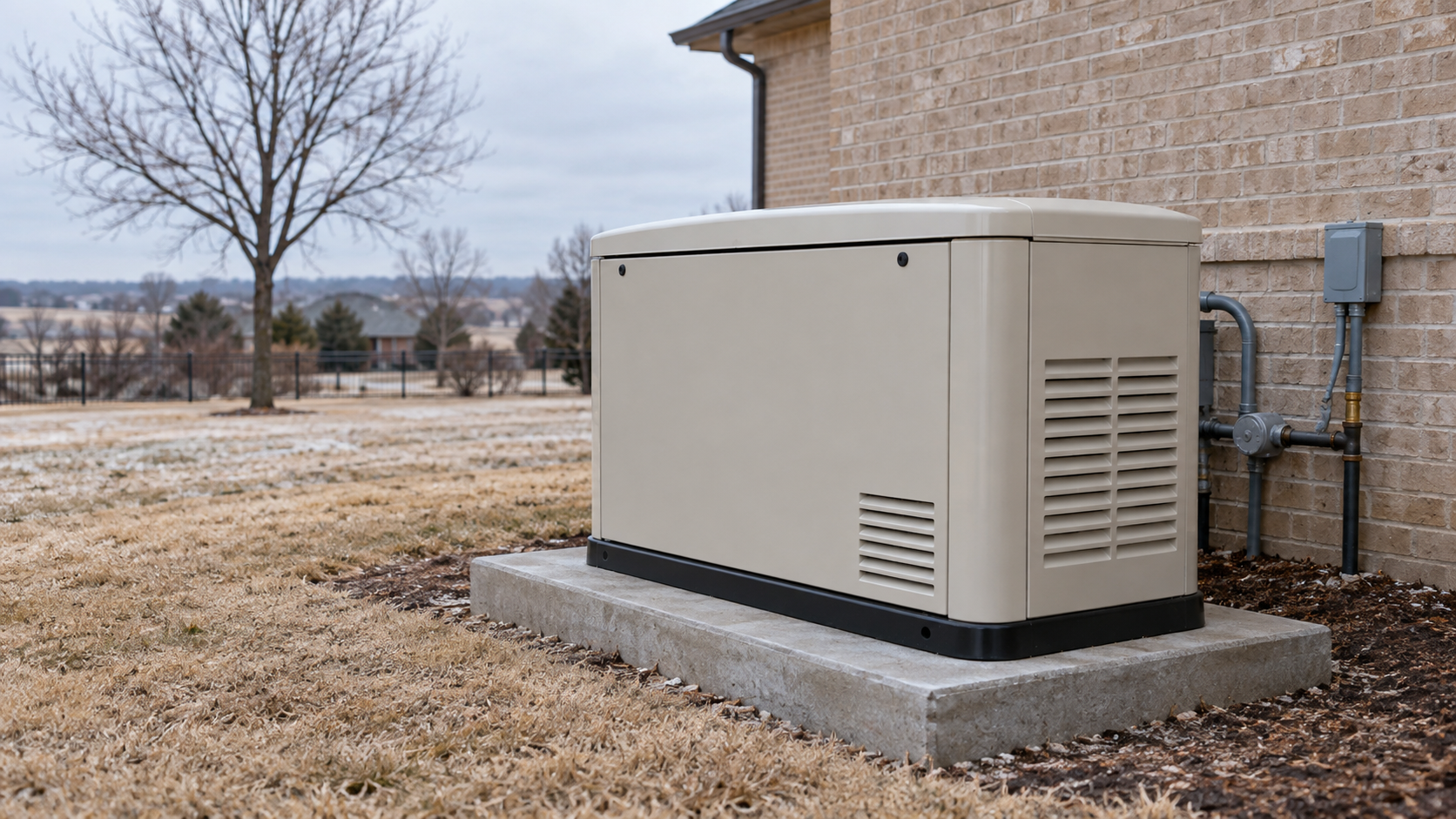
A whole-home standby generator can remain in service for many years, but there is no single lifespan that applies to every system. Age, operating hours, maintenance history, installation quality, environmental exposure, fuel conditions, and component wear all influence how long the generator remains dependable.
A lightly used generator that receives consistent maintenance may age very differently from one that has carried extended outages, been exposed to harsh conditions, or gone years without proper service.
This guide explains what affects generator lifespan, which signs can indicate an aging system, how runtime and maintenance matter, and how to decide whether an older generator should be repaired, maintained, or replaced.
The Quick Answer
Generator Lifespan Depends More on Condition, Runtime, and Maintenance Than Age Alone
Calendar Age Is Only One Factor
Two generators installed in the same year can be in very different condition depending on maintenance, operating hours, weather exposure, and repair history.
Runtime Creates Wear
Long outages add engine hours, heat, vibration, and mechanical wear that routine exercise cycles do not create at the same rate.
Maintenance Helps Preserve Reliability
Scheduled service helps keep fluids, filters, batteries, connections, controls, and other maintenance items from becoming avoidable sources of failure.
An older generator is not automatically ready for replacement, and a newer generator is not automatically in good condition. The system should be evaluated based on its actual condition, service history, operating performance, and repair needs.
What Affects Lifespan
Several Factors Determine How Long a Standby Generator Remains Dependable
Operating Hours
A generator that has supported multiple long outages has experienced more engine wear than one that has primarily run short exercise cycles.
Maintenance History
Missed oil changes, neglected filters, weak batteries, worn spark plugs, poor connections, and other deferred maintenance can shorten dependable service life.
Installation Quality
Proper electrical integration, fuel supply, transfer equipment, placement, clearances, and startup setup all affect how the system operates over time.
Environmental Exposure
Heat, moisture, flooding, salt air, landscaping, insects, rodents, and debris can affect the enclosure, wiring, connections, and mechanical components.
Fuel-System Condition
Fuel pressure, regulators, piping, propane storage, and fuel availability all influence generator performance and should remain appropriate for the equipment.
Electrical Load
A generator repeatedly operating near its limits or carrying poorly managed loads may experience more stress than a system designed around realistic backup demand.
Battery and Charging Condition
A generator can be mechanically healthy and still fail to start if its battery or charging system is neglected.
Availability of Parts and Support
As equipment ages, repair decisions can change when critical parts become difficult to obtain or repeated failures make continued repair less practical.
Signs of Aging
An Aging Generator Usually Shows a Pattern Before Replacement Becomes the Only Option
Increasing difficulty starting
Repeated fault codes or shutdowns
Increasing oil or fluid leaks
Unusual vibration, noise, or exhaust behavior
Frequent battery or charging problems
Corrosion or deteriorating electrical connections
Repeated repair visits for different components
Difficulty finding replacement parts
One repair does not necessarily mean a generator is at the end of its life. The more useful question is whether failures are becoming frequent, expensive, or related to broader deterioration.
Maintenance and Runtime
A Generator That Rarely Runs Still Needs Maintenance—and a Generator That Runs for Days May Need Service Sooner
Track operating hours after major outages
Follow the maintenance schedule for the specific generator
Keep oil, filters, and other service items current
Test and replace weak batteries when appropriate
Pay attention to failed exercise cycles
Address leaks, corrosion, or abnormal operation early
Keep the generator area accessible and clear
Maintain useful service and repair records
Exercise cycles help confirm that the generator can start and run, but they do not replace scheduled maintenance or prove that every part of the standby system is ready for an extended outage.
Repair or Replace?
An Older Generator May Still Be Worth Repairing—Until the Pattern Changes
Repair May Make Sense
The Generator Is Otherwise in Good Condition
- ✓The failure is isolated
- ✓Parts are readily available
- ✓The generator has a reasonable service history
- ✓The electrical and fuel systems remain appropriate
- ✓Repair cost is reasonable relative to overall condition
Replacement May Be Worth Discussing
Failures Are Becoming Part of a Larger Pattern
- ✓Multiple major components are failing
- ✓Repair visits are becoming frequent
- ✓Important parts are difficult to source
- ✓The existing system no longer fits household loads
- ✓Replacement offers a more practical long-term path
The Bottom Line
Generator Age Matters, but Condition and Reliability Matter More
A standby generator should not be replaced simply because it reaches a certain birthday. The better decision comes from looking at runtime, maintenance history, starting reliability, repair frequency, parts availability, electrical condition, and overall system performance.
When those factors point toward declining reliability or repeated major repairs, replacement may become more practical than continuing to invest in an aging system.
We Don’t Just Fix It. We Explain It.
What Professional Evaluation Includes
Determining Whether an Older Generator Still Has Useful Service Life
A useful evaluation should look at the entire standby system rather than making a recommendation based on age alone.
History Review
Review Age, Runtime, Maintenance, and Repair History
Operating hours, recent outages, previous repairs, maintenance records, and recurring faults help establish how the generator has aged.
Physical Condition
Inspect the Generator for Wear and Deterioration
The generator, enclosure, wiring, connections, battery, visible fuel components, leaks, corrosion, and overall condition are reviewed.
Operational Review
Check Starting, Running, Controls, and Warning Conditions
Starting behavior, exercise history, alarms, charging, controls, and operating performance help show whether the system remains dependable.
Repairability
Consider the Repair Scope and Parts Availability
The condition of the failed component, cost and availability of parts, and likelihood of additional aging-related failures all affect the repair-versus-replacement decision.
Clear Recommendation
Explain Whether Maintenance, Repair, or Replacement Makes Sense
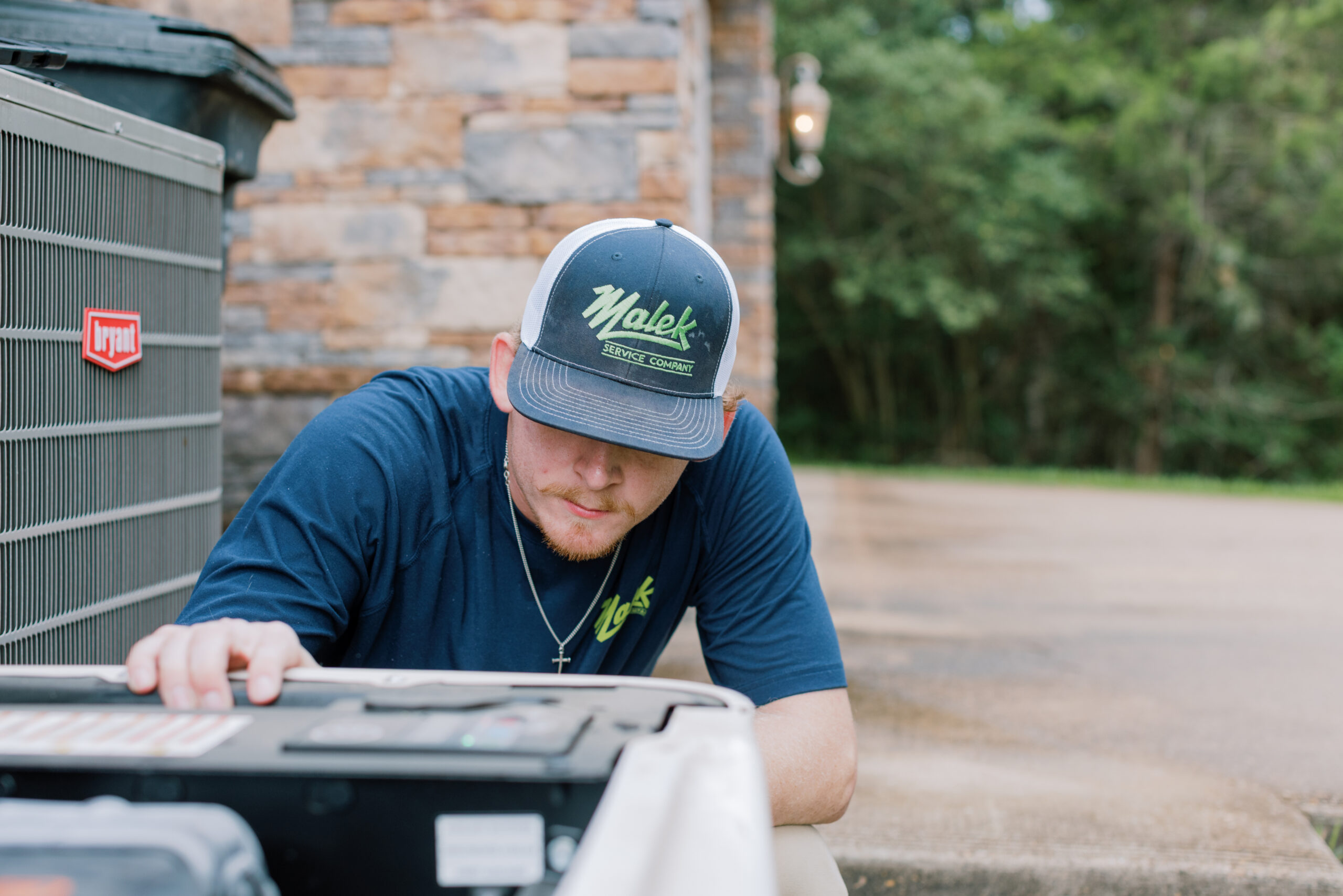
Malek explains what was found, which concerns are isolated, which point to broader deterioration, and what path makes the most sense for the home.
Continue Learning
Continue Learning About Generator Ownership
Generator Maintenance
Learn how scheduled service helps keep batteries, fluids, filters, controls, connections, and other maintenance items current.
→ ServiceGenerator Repair
Learn how starting problems, faults, transfer concerns, charging issues, and other generator failures are evaluated.
→ Investment GuideGenerator Maintenance Cost Guide
Review typical maintenance planning ranges and the service items, runtime, parts, and repair needs that can affect cost.
→ Investment GuideWhole-Home Generator Cost Guide
Learn what can affect the investment when an aging generator is eventually replaced with a new standby system.
→Frequently Asked Questions
Whole-Home Generator Lifespan FAQs
These answers explain how age, runtime, maintenance, repairs, and equipment condition affect how long a standby generator may remain in service.
How long does a whole-home generator last? +
There is no single lifespan for every standby generator. Age, operating hours, maintenance history, installation quality, environmental exposure, repair history, and equipment condition all affect how long the system remains dependable.
Does generator runtime matter more than age? +
Runtime is an important factor because extended outages add mechanical wear, but age still matters. The most useful evaluation considers both calendar age and actual operating history.
Can regular maintenance extend generator life? +
Proper maintenance helps keep scheduled service items current and can reduce avoidable wear or failures, but it cannot prevent every component from eventually aging or failing.
Does a generator wear out if it rarely runs? +
Yes, components can still age even with limited outage runtime. Batteries, fluids, seals, wiring, controls, corrosion, and other conditions still require attention over time.
What are signs that a generator may be nearing replacement? +
Repeated starting failures, recurring faults, increasing leaks, corrosion, frequent major repairs, difficult-to-source parts, and declining reliability can all justify discussing replacement.
Is an old generator always worth replacing? +
No. An older generator may still be worth maintaining or repairing if it remains in good condition, the problem is isolated, parts are available, and repair cost is reasonable.
Can a long outage shorten generator life? +
Extended outages add operating hours and mechanical wear. They can also move scheduled maintenance forward, which is why runtime should be reviewed after significant generator use.
How do I know whether to repair or replace my generator? +
Consider the generator's age, runtime, maintenance history, current condition, repair cost, parts availability, reliability, and whether the existing system still fits the home's backup needs.
Have an Older Generator?
Find Out Whether Maintenance, Repair, or Replacement Makes Sense
Malek can review the generator's age, operating history, maintenance condition, starting performance, controls, battery, electrical connections, repair needs, and overall reliability before explaining the practical next step.