AC Seasonal Guide
Should I Cover My AC During Winter?
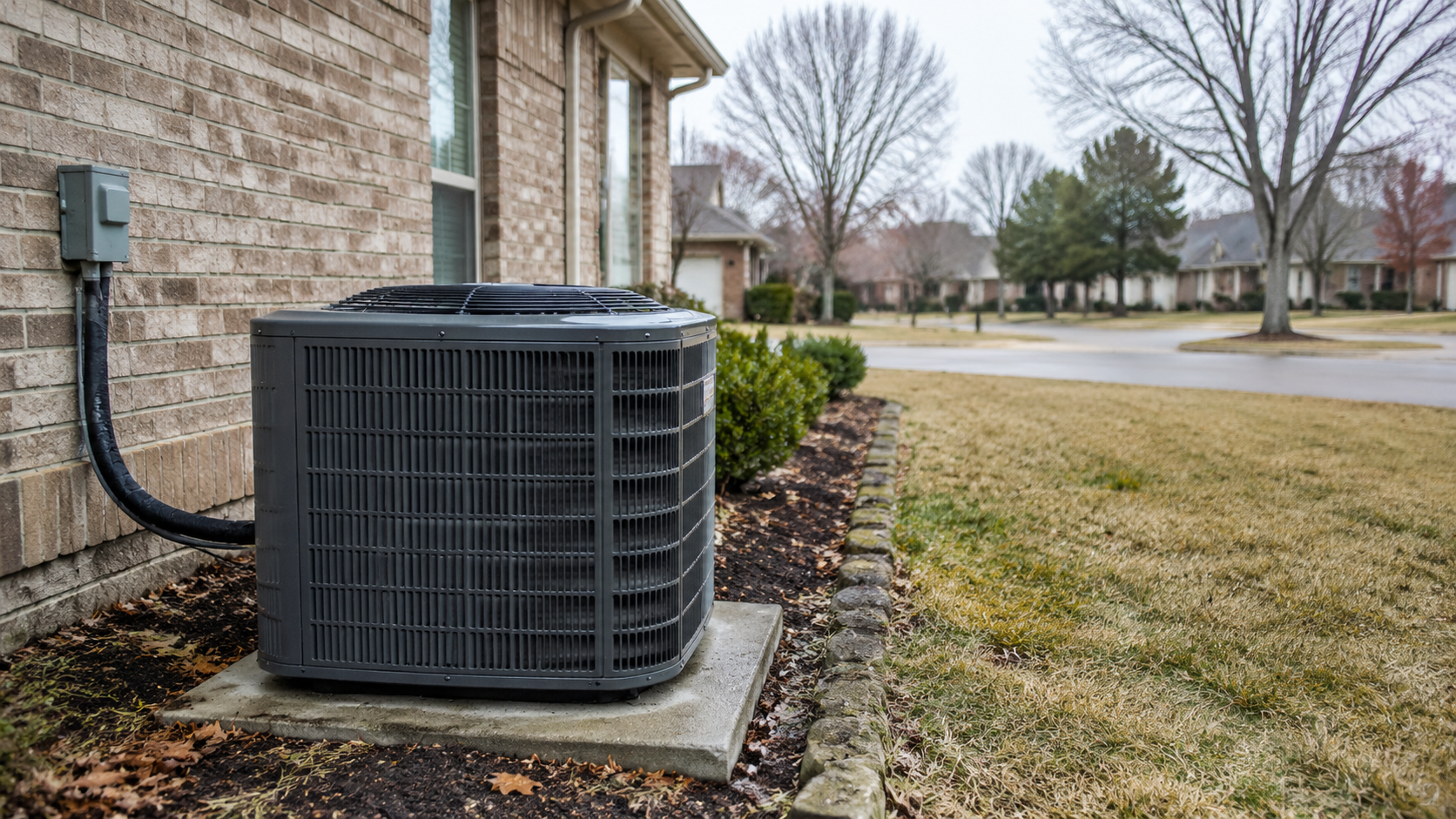
In most cases, a standard outdoor air-conditioning condenser does not need to be completely wrapped or sealed for winter. The equipment is designed to remain outdoors through rain, wind, temperature changes, and normal seasonal weather.
A full cover can sometimes create new problems by trapping moisture, reducing ventilation, or giving pests a protected place to nest. Limited protection from falling leaves, branches, or heavy debris may be useful in certain situations, but it should not prevent the unit from drying naturally.
This guide explains when AC protection may make sense, what kinds of covers to avoid, how to prepare the outdoor unit for cooler weather, and why homeowners with heat pumps need to treat winter operation differently.
The Quick Answer
Most Outdoor AC Units Do Not Need a Full Winter Cover
Outdoor Equipment Is Built for Weather
Condensers are designed to remain outside year-round and tolerate normal rain, wind, temperature changes, and seasonal exposure.
Full Covers Can Trap Moisture
Wrapping the entire unit can limit airflow and hold moisture against metal surfaces instead of allowing the equipment to dry naturally.
Top Protection May Be Enough
If the unit sits beneath trees or another source of falling debris, limited protection over the top may help keep leaves, twigs, or other material out without enclosing the sides.
Before covering any outdoor equipment, confirm whether it is a cooling-only condenser or a heat pump. A heat pump may operate during winter and should not be blocked or wrapped while in use.
When Protection May Help
The Goal Is Usually Debris Protection—not Sealing the Unit From Weather
Heavy Leaf Drop
If the condenser sits beneath trees, falling leaves may collect inside or around the cabinet. A top-only cover or regular debris removal may help reduce buildup.
Falling Twigs or Small Branches
Equipment positioned directly under overhanging branches may benefit from limited overhead protection as long as the sides remain open and airflow is not restricted.
Debris From Nearby Structures
Roofing material, seed pods, landscaping debris, or other material may occasionally fall into the top of an outdoor unit. Preventing that debris from entering can be useful.
Long Periods of Nonuse
A cooling-only condenser that will remain unused for an extended season may benefit from limited protection if the installation location exposes it to unusual debris or contamination.
Manufacturer-Specific Guidance
If the equipment manufacturer provides specific seasonal protection instructions, those recommendations should take priority over a generic cover.
What to Avoid
A Cover Should Not Create More Problems Than It Prevents
Do not completely wrap the condenser in plastic
Do not block all ventilation around the cabinet
Do not cover a heat pump that may operate during winter
Do not leave damp material pressed against the equipment
Do not create an enclosed space that attracts rodents or insects
Do not forget to remove seasonal protection before cooling starts
Do not place heavy objects directly on top of the condenser
Do not assume every outdoor HVAC unit is cooling-only equipment
Completely enclosing outdoor HVAC equipment can trap moisture and may interfere with normal operation if the unit is a heat pump. If you are unsure which type of system you have, leave the equipment uncovered until you can confirm.
Winter Preparation
A Clean, Clear Outdoor Unit Usually Matters More Than a Full Cover
Remove leaves and loose debris around the cabinet
Trim vegetation that has grown too close to the unit
Check for branches or objects directly above the condenser
Keep drainage paths around the equipment clear
Look for obvious cabinet damage before winter
Do not store tools, furniture, or equipment against the unit
Use only limited top protection if falling debris is a concern
Remove any seasonal cover before operating cooling again
Keeping the area around the condenser open also makes it easier to spot vegetation growth, pest activity, physical damage, or debris before the next cooling season.
Heat Pump vs. Air Conditioner
This Advice Changes if the Outdoor Unit Provides Heat in Winter
Cooling-Only Condenser
Usually Inactive During Winter
- ✓Typically does not run for heating
- ✓Can remain outdoors uncovered
- ✓Top-only debris protection may be useful
- ✓Sides should generally remain open
- ✓Seasonal protection must be removed before cooling
Heat Pump
May Operate Throughout Winter
- ✓Outdoor unit can run during heating
- ✓Needs open airflow around the cabinet
- ✓Should not be wrapped or blocked
- ✓Some frost during operation may be normal
- ✓Persistent ice should be professionally evaluated
The Bottom Line
Protect the AC From Debris—not From Normal Outdoor Weather
Most cooling-only condensers are designed to remain outside through winter without being completely covered. Keeping leaves, vegetation, and falling debris away from the equipment is generally more useful than wrapping the entire cabinet.
If you choose to use seasonal protection, keep ventilation in mind and make sure the equipment is not a heat pump that needs to operate during cold weather.
We Don’t Just Fix It. We Explain It.
What a Seasonal HVAC Check Can Include
Making Sure the Outdoor Equipment Is Ready for the Next Season
Seasonal service can help identify debris buildup, physical damage, airflow concerns, electrical issues, drainage conditions, and other equipment problems before the next period of heavy use.
Equipment Type
Confirm Whether the Outdoor Unit Is an AC or Heat Pump
Understanding whether the equipment operates during winter is the first step before recommending any type of seasonal cover or protection.
Outdoor Condition
Check for Debris, Vegetation, and Physical Damage
Leaves, branches, landscaping growth, cabinet damage, and other outdoor conditions can be identified before they interfere with future operation.
Airflow
Make Sure the Unit Has the Clearance It Needs
Outdoor equipment needs appropriate open space around the cabinet so air can move freely when the system operates.
System Condition
Look for Signs That Deserve Attention Before the Next Season
Electrical components, coil condition, visible wear, drainage, controls, and other relevant system conditions can be reviewed during seasonal maintenance.
Clear Next Step
Explain What the Equipment Actually Needs
Malek explains whether simple debris removal is enough, whether seasonal protection is appropriate, and whether anything found should be addressed before the next cooling season.
Continue Learning
Continue Learning About AC Care and Equipment
How Often Should I Service My AC?
Learn how often residential AC systems are typically serviced, when seasonal maintenance makes sense, and when the equipment may need attention sooner.
→ Problem GuideHow Long Does an AC System Last?
Learn how installation, climate, runtime, maintenance, and overall system condition can affect AC lifespan.
→ Decision GuideCentral Air vs. Heat Pump
Understand how conventional central AC and heat-pump systems differ in operation, heating capability, and whole-home comfort.
→ ServiceAC Maintenance & Tune-Ups
Learn how professional maintenance evaluates airflow, coils, electrical components, drainage, thermostat operation, and overall cooling-system condition.
→Frequently Asked Questions
Winter AC Cover FAQs
These answers explain whether outdoor AC equipment should be covered, when limited protection may help, and why heat pumps require a different approach during winter.
Should I cover my AC during winter? +
Most cooling-only outdoor AC condensers do not need to be completely covered during winter. The equipment is designed for outdoor weather, and full covers can trap moisture or create a protected space for pests.
Is it bad to cover an outdoor AC unit completely? +
A full cover can reduce ventilation and trap moisture against the cabinet. It can also create shelter for rodents or insects. If seasonal protection is needed, limited top protection may be more appropriate than fully enclosing the unit.
Should I cover the top of my AC unit in winter? +
Top-only protection can make sense when the unit sits beneath trees or another source of falling leaves, twigs, or debris. The sides should generally remain open so the equipment can ventilate and dry naturally.
Can rain or snow damage my outdoor AC unit? +
Outdoor condensers are designed to tolerate normal weather exposure. Physical damage, heavy debris, flooding, or unusual environmental conditions may still create problems, but ordinary rain or seasonal weather does not usually require a full cover.
Should I cover my heat pump in winter? +
No. A heat pump may operate throughout winter and needs open airflow around the outdoor unit. Wrapping or blocking the cabinet can interfere with normal heating operation.
What should I do to prepare my outdoor AC unit for winter? +
Remove loose leaves and debris, trim vegetation away from the cabinet, check for obvious physical damage, keep the surrounding area clear, and use only limited debris protection if the installation location truly needs it.
Can covering an AC unit cause rust? +
A cover that traps moisture against metal surfaces can create damp conditions that are less desirable than allowing the unit to ventilate and dry naturally. This is one reason full plastic wraps are generally not recommended.
Do I need to remove an AC cover before using the system again? +
Yes. Any seasonal protection that restricts airflow or covers the top of the condenser should be removed before the cooling system operates again.
Preparing Your HVAC System for the Season?
Make Sure the Outdoor Equipment Has the Protection It Actually Needs
Malek can help identify whether your outdoor equipment is a cooling-only condenser or heat pump, review seasonal condition, and explain what should be cleaned, cleared, or addressed before the next period of heavy use.