Educational Planning Range
What Does Heating Repair Typically Cost?
Broad Residential Heating Repair Planning Range
$200–$1,500+
Many residential furnace and heating repairs fall somewhere within this broad planning range, but the actual investment depends heavily on what failed, the equipment involved, diagnostic complexity, required parts, labor, accessibility, and the overall condition of the heating system.
This range is provided for general learning and budgeting purposes only. It is not a Malek quote or guarantee. Some straightforward heating repairs may fall below this range, while major component failures, unusual equipment conditions, or more complex repair situations can exceed it.
The most useful estimate starts with diagnosis. A homeowner should know what failed, what the component does, what the repair will address, and whether any broader system concerns affect the recommendation before deciding how to proceed.
Explore Heating & Furnace Repair →Possible Additions
What Can Increase the Cost of Heating Repair?
Heating repair is not one standardized service. The investment can change depending on the failure, how much diagnostic work is needed, which components require attention, and whether the original symptom reveals a broader system condition.
Diagnostic Complexity
Varies
A clear component failure may be relatively straightforward to identify. Intermittent problems, multiple symptoms, control issues, or a system that behaves differently under different conditions may require more diagnostic time.
Electrical and Control Components
Varies
Ignition controls, boards, relays, switches, motors, capacitors, wiring, thermostats, and other electrical components can create very different repair scopes depending on the equipment and failure.
Blower and Airflow Components
Varies
Blower motors, wheel assemblies, controls, airflow restrictions, and related components can affect both comfort and furnace operation. Repair complexity depends on what is actually causing the airflow problem.
Ignition or Combustion-Related Repairs
Varies
Gas furnaces rely on several components and safety controls to ignite and operate correctly. Problems involving ignition, burners, gas controls, venting, or combustion-related conditions require professional diagnosis.
Major Component Repairs
Varies
Larger motors, heat exchangers, control assemblies, or other major components can create a more substantial repair decision. On older or repeatedly repaired equipment, the system's broader condition should be considered before moving forward.
After-Hours or Urgent Service
Varies
Service timing can affect pricing when a homeowner needs urgent, weekend, holiday, or after-hours assistance. Any additional service charges should be clear before work proceeds.
Start With the Problem
Why Heating Repair Costs Can Vary So Much
Two homes can both have a furnace that is not heating properly and still need completely different repairs. One system may have a control or ignition problem while another has an airflow, motor, electrical, or broader equipment concern.
That is why symptom-based pricing can be misleading. The symptom tells you what the homeowner is experiencing. Diagnosis determines what is actually causing it.
Pricing Variables
What Affects Heating Repair Cost?
The repair investment usually reflects the actual problem, equipment, parts, labor, diagnosis, and system condition rather than one standard heating-service price.
Type of Failure
A simple control or sensor issue creates a different repair scope from a motor, ignition assembly, major electrical component, or larger equipment failure.
Equipment Type
Gas furnaces, electric furnaces, heat pumps, and other heating equipment use different components and operating sequences, which can affect both diagnosis and repair.
Replacement Parts
Component cost, manufacturer requirements, equipment compatibility, availability, and whether an exact or approved replacement is needed can influence the total repair.
Diagnostic Time
Intermittent or overlapping symptoms may require more testing than a clear and repeatable component failure.
System Age and Condition
Age does not automatically determine whether a repair should be made, but deterioration, repair history, and overall equipment condition can affect both the repair scope and the decision surrounding it.
Accessibility
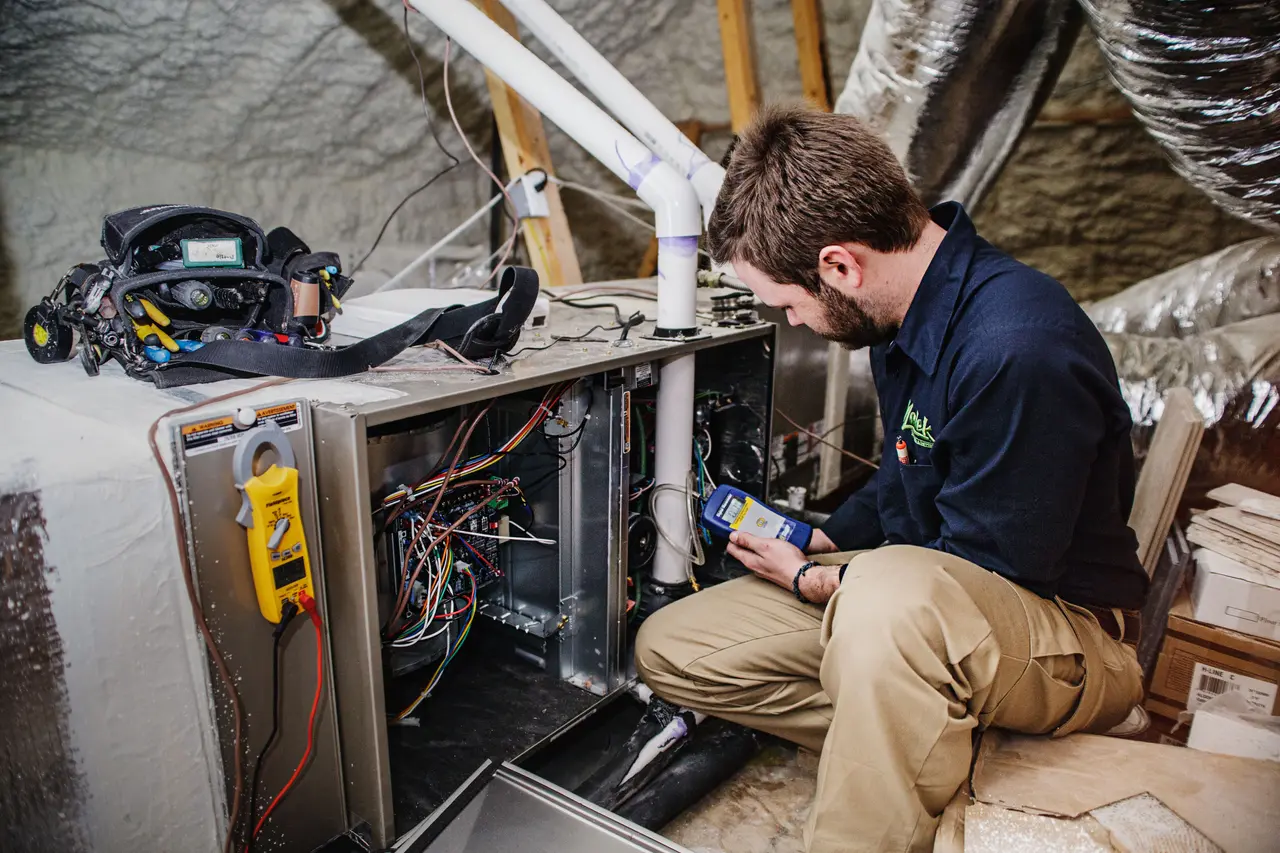
Attic installations, tight equipment spaces, difficult component access, or other installation conditions can affect the labor required to diagnose and complete a repair.
Related System Conditions
Airflow problems, duct conditions, thermostat issues, electrical concerns, or other HVAC conditions can sometimes contribute to the symptom and change the appropriate repair plan.
Service Timing
Standard appointments, urgent service, and after-hours situations may be priced differently depending on the service provider and timing.
Understanding the Scope
Common Heating Repair Service Scopes
These are not fixed packages or guaranteed pricing tiers. They illustrate why different heating problems can lead to very different repair investments.
Focused Component Repair
One Confirmed Problem With an Otherwise Stable System
A specific failed component is identified and the remaining furnace condition does not reveal a larger pattern of related concerns.
This is generally the most straightforward type of repair once the failure has been properly diagnosed.
Electrical or Control Repair
Problems Affecting How the System Starts, Responds, or Operates
Thermostats, controls, switches, circuit boards, motors, capacitors, relays, wiring, and related electrical components can all influence heating operation.
The appropriate repair depends on which component or operating sequence is actually at fault.
Airflow or Blower Repair
Repairs Affecting Air Movement and Heat Distribution
Blower motors, controls, restrictions, wheels, duct conditions, or other airflow concerns can affect how effectively heat moves through the home.
Proper diagnosis should determine whether the problem is inside the furnace, within the air-distribution system, or both.
Major Repair Evaluation
A Larger Failure That Deserves Broader System Context
A substantial component repair may still be appropriate, but overall equipment condition, repair history, reliability, and the age of the furnace become more important when the investment increases.
This is where a repair-versus-replacement discussion may become useful without assuming replacement is automatically necessary.
Repair or Replacement?
When Should a Heating Repair Lead to a Replacement Conversation?
A repair estimate does not automatically mean the system should be replaced. The question becomes more relevant when the current failure is part of a larger pattern involving system condition, reliability, or repeated repairs.
Repair May Make Sense When:
- The problem is focused and repairable
- The heating system has been reasonably reliable
- Overall equipment condition remains acceptable
- Comfort performance has generally been satisfactory
- Repair history is limited
- The repair provides a practical path forward
Replacement May Be Worth Comparing When:
- Repairs are becoming more frequent
- The current repair is substantial
- Equipment condition is declining
- Comfort or performance problems continue
- Reliability has become a recurring concern
- The repair leaves larger equipment concerns unresolved
The decision should be based on the furnace in front of you rather than one generic age or repair-cost rule.
Read Repair or Replace Your Furnace? →Compare More Than the Price
How to Compare Heating Repair Estimates
Two repair estimates can have different totals because they may not be recommending the same work. Before comparing price, understand the diagnosis, component, scope, parts, and what each repair is expected to solve.
What actually failed?
The estimate should clearly identify the diagnosed problem instead of relying only on the symptom you reported.
What does the component do?
Understanding the role of the failed part makes it easier to understand why the repair is being recommended.
What is included in the repair?
Confirm whether the estimate includes parts, labor, related materials, testing, and any other work necessary to complete the repair.
Is anything else affecting the system?
Ask whether airflow, controls, electrical conditions, equipment deterioration, or another system issue could affect the repair or future performance.
What condition is the rest of the furnace in?
This becomes especially important when considering a larger repair on equipment with age, previous failures, or other known concerns.
What happens after the repair?
A useful estimate should help you understand what the repair is expected to restore and whether there are remaining concerns you should know about.
The strongest heating repair estimate explains what failed, what the repair addresses, and what you should expect from the system afterward.
Protect the Investment
How to Get More Value From a Heating Repair
Start With Diagnosis
Avoid making repair decisions based only on the symptom. Understand what failed and why before approving the work.
Ask About Overall Condition
A larger repair makes more sense when you understand the condition of the remaining equipment and whether other concerns are developing.
Keep Repair Records
Tracking repair dates and components makes it easier to recognize whether failures are isolated or becoming a pattern.
Maintain the System
Routine professional maintenance can provide useful information about system condition, airflow, controls, and developing wear between repair visits.
Pay Attention to Changes
New noises, airflow changes, unusual cycling, declining comfort, or repeated startup problems can provide useful context when diagnosing a heating concern.
Evaluate Major Repairs in Context
When the repair becomes substantial, compare it with equipment condition and long-term reliability instead of treating price as the only decision factor.
Need Heating Repair?
Find out what is actually wrong before deciding what the repair is worth.
Malek can diagnose the heating problem, evaluate the relevant system components, review equipment condition, and explain what the repair addresses before you decide how to move forward.
What to Expect
What Happens During Professional Heating Repair?
Understand the Heating Problem
The technician starts with what you have noticed, when the problem began, how the system is behaving, and any relevant service or repair history.
Evaluate the Relevant System Components
The equipment, controls, airflow, electrical components, operating conditions, and other factors related to the reported problem are reviewed.
Diagnose the Actual Failure
Testing and system observations are used to identify what is preventing the heating system from operating correctly.
Explain the Repair Options
You should understand what was found, what the repair addresses, and any relevant system-condition concerns before approving the work.
Complete the Approved Repair
Once the repair is authorized, the appropriate components and work are completed according to the diagnosed problem.
Verify Operation and Explain What Comes Next
The system is operated as appropriate after the repair, and the homeowner should understand what was completed and whether any future maintenance or system concerns deserve attention.
Budgeting and Planning
Treat Heating Repair as a System Decision, Not Just a Line-Item Expense
The cheapest repair is not automatically the best value, and the most expensive repair does not automatically mean the furnace should be replaced. The useful question is what the repair accomplishes for the system you own.
For a focused problem on otherwise dependable equipment, repair may be a straightforward investment. When repairs are becoming larger or more frequent, include equipment condition and expected reliability in the decision.
Explore Heating & Furnace Repair →Make the Decision With Clear Information
A heating repair estimate should explain what failed, what it takes to fix it, and what you should expect afterward.
Malek diagnoses the heating problem, reviews the relevant system condition, and explains the repair before you decide how to move forward.
Heating Repair Investment FAQs
Questions Homeowners Often Ask About Heating Repair Cost
These answers explain why heating repair investments vary, what can affect an estimate, and what homeowners should understand before approving repair work.
How much does heating repair typically cost?
A broad educational planning range for residential heating repair is approximately $200 to $1,500 or more. Actual cost depends on what failed, the equipment involved, required parts, diagnostic complexity, labor, accessibility, and overall system condition. Some simple repairs can cost less, while major repairs can exceed this range.
Why can heating repair prices vary so much?
Heating problems can involve very different components and levels of diagnostic work. Equipment type, failed parts, labor, accessibility, system condition, and whether multiple issues are contributing to the problem can all affect the repair investment.
Is the diagnostic visit included in the heating repair cost?
That depends on how the service provider structures pricing. Homeowners should understand any diagnostic charge, what the diagnostic process includes, and how repair pricing will be presented before authorizing additional work.
Does a more expensive heating repair mean I should replace the furnace?
Not automatically. A larger repair should be considered alongside furnace condition, repair history, reliability, comfort performance, and what the repair is expected to accomplish. Replacement becomes more relevant when the current repair is part of a broader pattern of declining system condition or reliability.
Does furnace age determine whether a repair is worth it?
No. Age provides useful context, but actual equipment condition, repair history, reliability, comfort performance, and the nature of the current failure are also important. An older furnace with one focused problem may still be practical to repair.
What should be included in a heating repair estimate?
A useful estimate should clearly explain the diagnosed problem, recommended repair, relevant parts and labor, and any additional system concerns that affect the recommendation. Homeowners should understand what the repair is expected to solve before approving the work.
Can routine furnace maintenance reduce future repair costs?
Maintenance cannot prevent every component failure. It can provide an opportunity to review system condition, airflow, controls, and developing wear while keeping routine service current.
How does Malek approach heating repair estimates?
Malek starts by diagnosing the heating problem and evaluating the relevant system condition. We explain what was found, what the recommended repair addresses, and any broader concerns that may affect the decision before work moves forward.