Heating Seasonal Guide
Preparing Your Heating System for Winter
Texas winters may be shorter than the heating seasons in colder parts of the country, but that does not mean your heating system should be ignored until the first cold night. A furnace or heat pump that has been largely inactive for months can develop problems that only become obvious once it is asked to run again.
Preparing before colder weather arrives gives you time to check basic homeowner items, notice unusual system behavior, clear the areas around indoor and outdoor equipment, and address problems before you are depending on the system for comfort.
This guide explains what homeowners can safely check before winter, how preparation differs between furnaces and heat pumps, which warning signs deserve attention, and what a professional heating evaluation may include.
The Quick Answer
Test the Heating System Before You Actually Need It
Start the System Early
Run the heating system before the first truly cold night so you have time to notice startup problems, unusual sounds, odors, or weak heating performance.
Check Airflow and the Filter
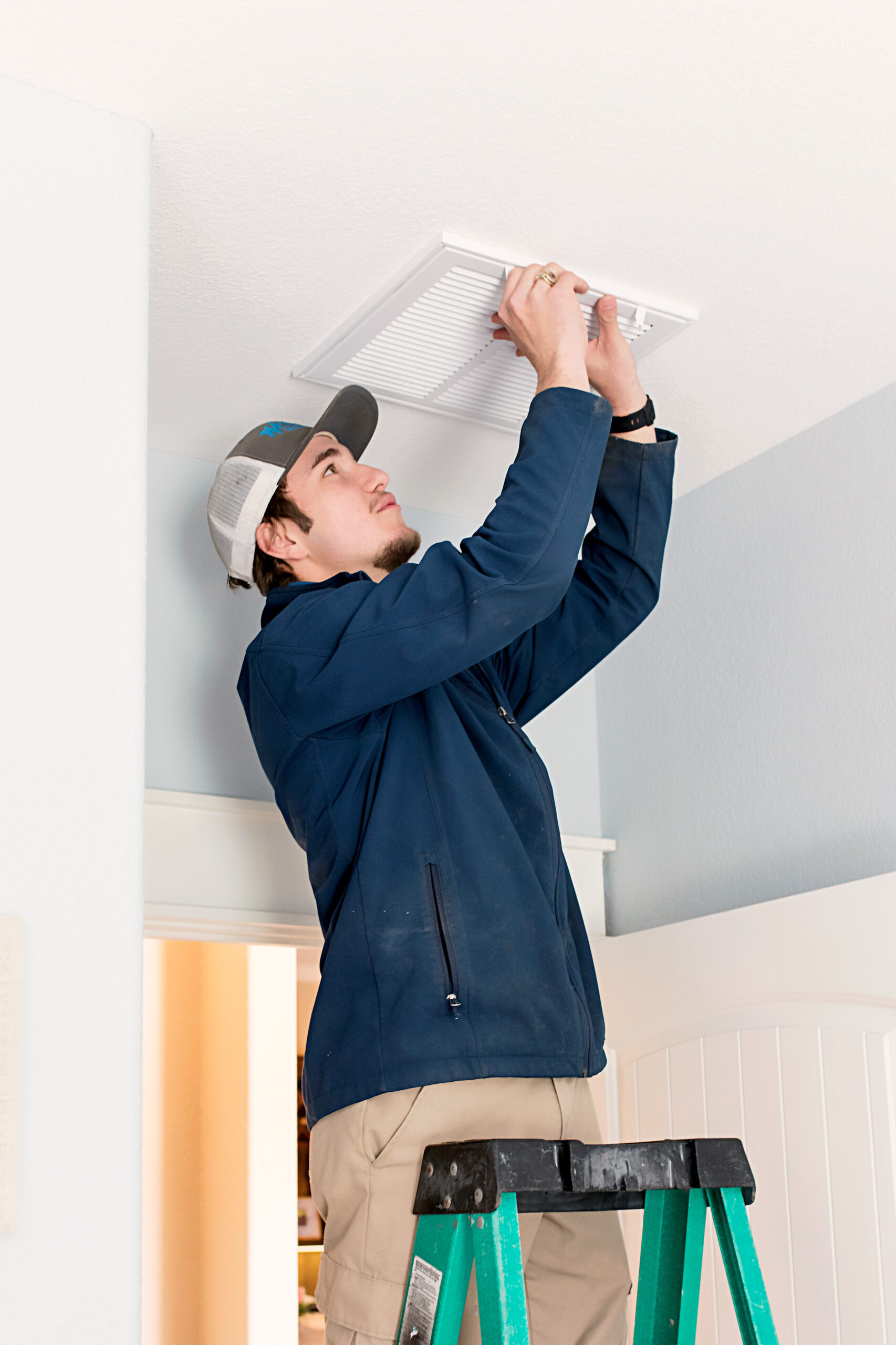
Make sure the return-air filter is not heavily restricted and confirm that supply and return vents are not blocked by furniture, rugs, storage, or other household items.
Know What Type of Heat You Have
Furnaces and heat pumps operate differently. Knowing which system is installed helps you understand what normal winter operation should look and feel like.
If the system will not start, repeatedly shuts down, trips a breaker, produces a gas odor, or shows signs of electrical overheating, stop troubleshooting and have the equipment evaluated.
Before the First Cold Front
Start With the Simple Things You Can Safely Check
Check the Thermostat
Switch the thermostat to heating mode and raise the set temperature enough to create a call for heat. Confirm that the system responds and that the thermostat display appears to be functioning normally.
Inspect the Air Filter
A heavily restricted filter can reduce airflow and place added strain on heating equipment. Replace the filter if it is due based on the filter type, household conditions, and the manufacturer's guidance.
Keep Supply and Return Vents Clear
Furniture, rugs, boxes, curtains, and other household items can block airflow without being obvious. Make sure the home's supply registers and return grilles have open space around them.
Clear the Equipment Area
Do not store boxes, household chemicals, tools, or other belongings directly against indoor heating equipment. Keeping the surrounding area clear also makes unusual conditions easier to notice.
Pay Attention During the First Heating Cycle
Listen for unusual noises, notice whether the system starts and stops normally, and check whether the home begins warming as expected.
Check Your Carbon Monoxide Alarms
Homes with fuel-burning equipment should have properly located and functioning carbon monoxide alarms. Follow the alarm manufacturer's testing and replacement instructions.
Furnace Preparation
Furnaces Need Airflow, Reliable Startup, and Safe Operation
Confirm the furnace responds to the thermostat
Replace a heavily restricted air filter when needed
Keep supply and return airflow paths unobstructed
Keep storage and combustible materials away from equipment
Listen for repeated startup attempts or unusual cycling
Pay attention to persistent burning, gas, or electrical odors
Confirm the blower moves air through the home normally
Have repeated shutdowns or ignition problems evaluated
A brief dusty smell when a heating system runs for the first time after a long period of inactivity can be different from a persistent burning, electrical, or gas odor. Strong or continuing odors deserve professional attention.
Heat Pump Preparation
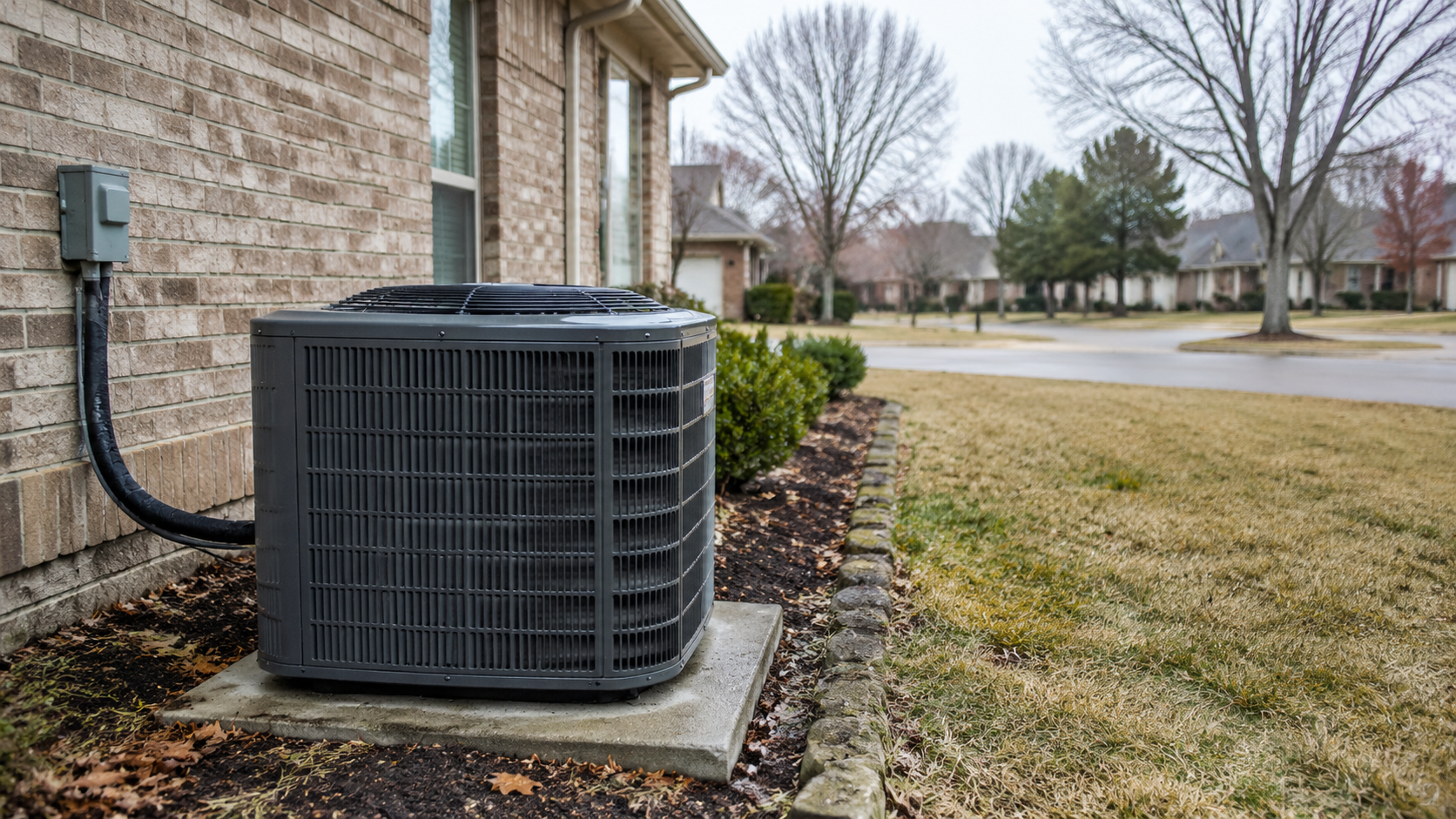
Heat Pumps Need Clear Outdoor Airflow During Heating Season
Inside the Home
Check Airflow and Heating Response
- ✓ Confirm the thermostat is set correctly
- ✓ Check the return-air filter
- ✓ Keep supply and return vents unobstructed
- ✓ Notice whether the home reaches the thermostat setting
- ✓ Watch for unusually long or repeated cycling
At the Outdoor Unit
Keep the Equipment Open and Clear
- ✓ Remove loose leaves and debris around the cabinet
- ✓ Trim vegetation that has grown too close
- ✓ Do not wrap or cover the operating heat pump
- ✓ Keep the area around the unit open for airflow
- ✓ Have persistent heavy ice or abnormal operation evaluated
Warning Signs
Do Not Wait for Colder Weather if the System Is Already Showing a Problem
The heating system will not start
The home is not reaching the thermostat setting
The system repeatedly starts and stops
A breaker trips when heating equipment operates
You notice persistent burning or electrical odors
You smell gas around gas-fired equipment
Airflow is unusually weak from multiple vents
The system makes new or unusually loud noises
Gas odors, repeated electrical problems, visible equipment damage, or other potentially unsafe conditions are not seasonal-maintenance issues to troubleshoot repeatedly. Stop using the equipment when appropriate and contact the proper professional.
The Bottom Line
Winter Preparation Is Really About Knowing the System Is Ready Before You Depend on It
You do not need to wait for freezing weather to find out whether your furnace or heat pump is operating normally. Testing the system, checking airflow, clearing equipment areas, and paying attention to warning signs before winter can give you more time to address problems.
If the heating system has been unreliable, has not been maintained recently, or behaves unusually during its first seasonal test, professional evaluation can provide a clearer picture of its condition.
We Don’t Just Fix It. We Explain It.
What Professional Heating Maintenance Can Include
Looking Beyond the Basic Homeowner Checks
A professional heating visit can evaluate system operation, airflow, electrical components, heating performance, safety controls, and equipment condition before colder weather increases demand.
System Operation
Confirm the Heating System Starts and Operates Normally
The system can be observed through a heating cycle to identify startup problems, unusual shutdowns, control issues, or other abnormal operation.
Airflow
Review the Conditions Affecting Air Movement
Filter condition, blower operation, accessible airflow conditions, and other factors that may affect how heated air moves through the system can be evaluated.
Electrical and Controls
Check Relevant Electrical and Control Components
Heating equipment depends on electrical components and controls even when the primary heat source is gas. Relevant system components can be checked for normal operation and visible concerns.
Equipment Condition
Look for Wear, Damage, or Conditions That Need Attention
The equipment can be evaluated for relevant signs of wear, deterioration, unusual operation, and conditions that may affect reliability during heating season.
Clear Explanation
Explain What Was Found and What Actually Needs Attention
If something is abnormal, Malek explains the condition, separates maintenance needs from repair needs, and reviews the next options before additional work moves forward.
Continue Learning
Continue Learning About Heating Care and System Decisions
Heating Tune-Up Investment Guide
Understand what may influence heating maintenance cost, what a professional tune-up may include, and why one maintenance offer can differ from another.
→ Decision GuideRepair or Replace Your Furnace?
Compare furnace condition, reliability, repair history, comfort, system age, and long-term practicality when an older furnace is becoming less dependable.
→ Decision GuideFurnace vs. Heat Pump
Compare how furnaces and heat pumps provide heat, the utilities and infrastructure each requires, and how each may fit a Texas home.
→ ServiceFurnace Maintenance
Learn how professional furnace maintenance evaluates heating operation, airflow, relevant electrical components, system condition, and performance.
→Malek Homeowner Learning Center
Looking for another heating or home-system question?
Explore decision guides, investment guides, homeowner articles, and FAQs built to help you understand what is happening before you decide what to do next.
Frequently Asked Questions
Heating System Winter Preparation FAQs
These answers cover common questions about testing a furnace or heat pump, checking filters and airflow, and preparing residential heating equipment before colder weather arrives.
When should I test my heating system before winter? +
Test the heating system before you are depending on it during the first significant cold weather. Running it early gives you time to identify startup problems, unusual operation, weak heating, or other concerns before heating demand increases.
What should I check before turning on the heat for winter? +
Check the thermostat, inspect the air filter, make sure supply and return vents are not blocked, clear storage away from indoor equipment, and observe the system during an early heating cycle for unusual noises, odors, or operation.
Should I change my air filter before heating season? +
Check the filter before heating season and replace it if it is due based on the filter type, household conditions, and manufacturer guidance. A heavily restricted filter can reduce airflow through the HVAC system.
Should I cover my heat pump during winter? +
No. A heat pump may operate throughout winter and needs open airflow around the outdoor unit. Keep leaves, vegetation, and loose debris away from the cabinet rather than wrapping or blocking the equipment.
Is a smell normal when I turn on the furnace for the first time? +
A brief dusty odor can occur when heating equipment runs after a long period of inactivity. A strong, persistent, electrical, burning, or gas odor is different and should not be ignored.
Do I need heating maintenance every winter? +
Maintenance needs depend on the equipment, manufacturer recommendations, system condition, operating history, and how the system is used. A professional heating evaluation can help identify maintenance needs before heavier seasonal operation.
What are signs my heating system may need repair before winter? +
Warning signs can include failure to start, repeated shutdowns, unusually weak airflow, new noises, persistent odors, repeated breaker trips, difficulty reaching the thermostat setting, or abnormal cycling.
Preparing for Heating Season?
Know How Your Heating System Is Doing Before the Next Cold Front
Malek can evaluate your furnace or heat pump, review heating operation and system condition, and explain anything that may deserve attention before colder weather arrives.