Cypress AC Replacement Guide
What Should You Know Before Replacing Your AC in Cypress, TX?
Replacing an air conditioner is not just a matter of choosing a new outdoor unit and comparing prices.
The system has to fit the home, the ductwork has to support it, the equipment needs to match the homeowner’s comfort goals, and the installation itself has to be done correctly.
That matters in Cypress, where long cooling seasons and heavy summer demand can expose problems that may not be obvious on a mild day. A system that is oversized, undersized, poorly matched to the ductwork, or installed without enough attention to airflow may technically cool the home and still leave the homeowner frustrated.
This guide explains the questions our team believes homeowners should understand before choosing a replacement system.
The Quick Answer
A Good AC Replacement Decision Starts With the Home — Not the Equipment Catalog
Confirm Replacement Is Actually Warranted
System age matters, but so do repair history, condition, current repair cost, comfort problems, refrigerant considerations, and reliability.
Size the System for the Home
Square footage alone is not enough. The home’s construction, windows, insulation, orientation, design conditions, and ductwork all affect the cooling load.
Evaluate the Whole Air-Distribution System
New equipment cannot fully overcome damaged, undersized, leaky, or poorly designed ductwork.
One of the most important things we tell homeowners: replacing the equipment does not automatically solve every comfort problem in the house. The installation should address the system as a whole.
When Replacement Makes Sense
Age Alone Should Not Be the Entire Reason You Replace an AC
Repair Costs Are Starting to Add Up
One repair does not automatically mean the system should be replaced. But repeated failures, declining reliability, and a growing repair history can change the economics of continuing to invest in older equipment.
The System Is No Longer Keeping the Home Comfortable
Uneven rooms, long runtimes, humidity concerns, or difficulty maintaining temperature can be reasons to evaluate the system more closely.
The important part is determining whether the problem is the equipment itself, the ductwork, the home, or a combination of factors.
A Major Repair Is Needed on an Aging System
When a significant component fails, homeowners sometimes reach a point where it makes sense to compare the cost of the repair with the value of putting that money toward replacement.
You Want to Improve Comfort or Efficiency
Replacement can also be a planned decision rather than a crisis decision. Some homeowners choose to replace functioning but aging equipment because they want better comfort control, quieter operation, improved efficiency, or fewer reliability concerns.
If you are still deciding whether to repair or replace, our AC Repair vs. Replacement Decision Guide walks through the factors that matter before making the larger investment.
System Sizing
Bigger Is Not Better When It Comes to Air Conditioning
Oversizing Can Hurt Comfort
An oversized system may cool the home quickly but cycle off before it has enough runtime to manage humidity and distribute conditioned air evenly.
Undersizing Can Create Long Runtimes
A system that is too small for the actual cooling load may struggle during the hottest part of the season and run for long periods without maintaining the desired temperature.
Square Footage Is Only One Input
Insulation, windows, orientation, ceiling height, construction, air leakage, and other home characteristics can influence the cooling load.
The Existing System Is Not Automatically the Right Size
Replacing old equipment with the same capacity without evaluating the home assumes the previous system was correctly sized in the first place.
If a contractor recommends a replacement system based only on the tonnage of the existing equipment or a quick square-foot estimate, ask how the home’s actual cooling requirements were evaluated.
Do Not Ignore the Ductwork
The New Equipment Still Has to Move Air Through the Existing Home
Duct Conditions Worth Evaluating
Problems That Can Limit a New System
- ✓Damaged or disconnected ducts
- ✓Significant air leakage
- ✓Restrictions or crushed sections
- ✓Poorly balanced airflow
- ✓Ductwork that does not support the proposed system
Why It Matters
New Equipment Cannot Fix a Bad Distribution System
- ✓Some rooms may remain uncomfortable
- ✓Airflow may remain weak or uneven
- ✓Equipment may operate outside ideal airflow conditions
- ✓Noise can remain a problem
- ✓Efficiency gains may not translate into expected comfort
If airflow or room-to-room comfort is already a concern, explore Malek's ductwork services before assuming the equipment alone is the problem.
Equipment Options
The Best System Is the One That Matches the Home and the Homeowner’s Priorities
Efficiency
Higher-efficiency equipment may reduce energy use compared with older or lower-efficiency systems, but the value depends on usage, installation quality, system design, utility rates, and how long you expect to remain in the home.
Staging and Variable-Speed Operation
Multi-stage and variable-speed equipment can provide more flexible operation than traditional single-stage systems, potentially improving comfort, humidity control, and noise depending on the application.
Heat Pump vs. Traditional Cooling
Some homeowners may consider a heat pump instead of a traditional air conditioner paired with a furnace or other heating system. The right choice depends on the home, existing infrastructure, comfort goals, and equipment strategy.
Controls and Thermostats
New equipment may require or benefit from specific controls. Thermostat compatibility and control strategy should be part of the replacement discussion rather than an afterthought.
What the Estimate Should Include
Two AC Replacement Prices May Not Be for the Same Job
Exact equipment being proposed
System capacity and how it was selected
Efficiency level and equipment features
Thermostat or control requirements
Electrical or drain modifications if required
Ductwork changes included in the scope
Equipment and workmanship warranty information
What is not included in the quoted price
If you are trying to understand why replacement quotes vary, our AC Replacement Cost Guide explains the major factors that influence the final investment.
Questions to Ask
Before You Approve the Replacement, Make Sure You Understand These Answers
Why This Size?
Ask how the contractor determined the capacity of the proposed system and whether the home's actual cooling requirements were considered.
What Happens to the Ductwork?
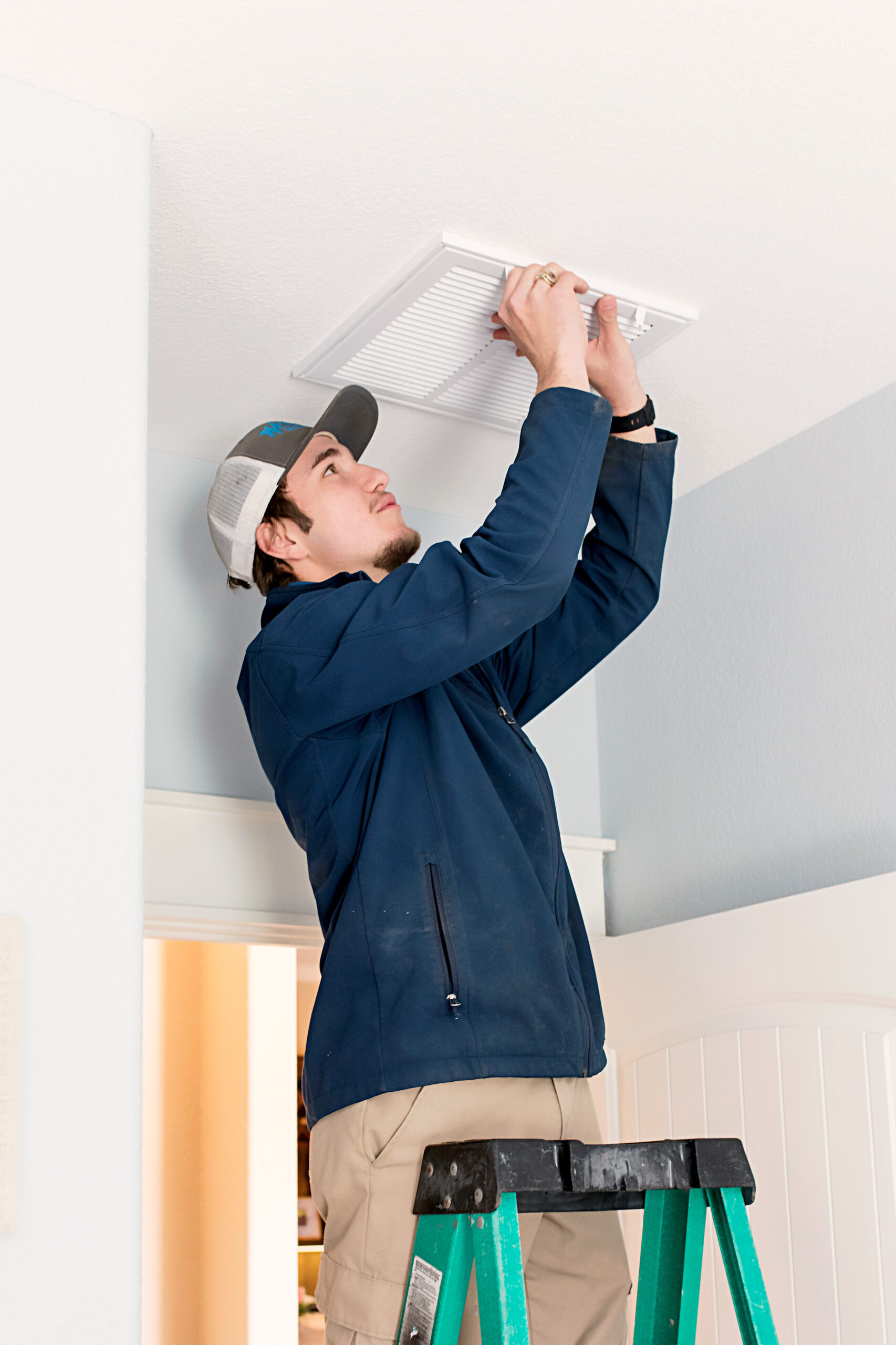
Ask whether the existing duct system was evaluated and whether any changes are recommended as part of the replacement.
Why This Equipment?
The contractor should be able to explain why the proposed efficiency level, staging, controls, and equipment type fit your home and priorities.
What Happens After Installation?
Ask about startup, commissioning, warranties, maintenance, follow-up, and who supports the system if something does not perform correctly.
The Bottom Line
A Better AC Replacement Starts With a Better Evaluation
The equipment matters, but the equipment is only one part of the decision.
The right replacement should account for the home, the cooling load, the ductwork, the homeowner's comfort goals, the installation requirements, and what the system needs to do during Cypress heat.
That is the difference between simply replacing an air conditioner and designing a system that actually fits the home.
We Don’t Just Fix It. We Explain It.
Before We Recommend Equipment
What a Good Replacement Evaluation Should Clarify
A replacement conversation should give you more than model numbers. You should understand why replacement is being discussed, what the home needs, and how the proposed system is expected to solve the problem.
Existing System
Understand Why Replacement Is Being Considered
System condition, current repair needs, repair history, performance, and reliability all help frame the decision.
Home
Evaluate the Cooling Requirements
The system should be selected based on what the home actually needs rather than simply matching the old equipment.
Airflow
Review the Ductwork and Distribution System
Existing comfort complaints, airflow problems, duct condition, and system compatibility should be considered before new equipment is installed.
Options
Compare Equipment Based on What Matters to You
Efficiency, staging, comfort features, controls, noise, investment level, and long-term plans for the home can all shape the final recommendation.
Scope
Make Sure the Installation Plan Is Clear
You should know what will be replaced, what will be modified, what is included, what is excluded, and what happens after the installation is complete.
Continue Learning
Research the Decision Before You Choose the Equipment
Should You Repair or Replace Your AC?
Compare system condition, repair history, current repair cost, comfort, reliability, and long-term value before deciding which path makes more sense.
→ Investment GuideAC Replacement Cost Guide
Learn what affects the cost of a new HVAC system, including equipment, sizing, installation requirements, controls, and ductwork.
→ Decision GuideCentral Air vs. Heat Pump
Compare traditional cooling equipment with heat-pump systems and learn which factors matter when deciding between them.
→ Local ServiceHVAC & Home Services in Cypress
Learn more about Malek's heating, cooling, plumbing, electrical, and generator services for homeowners throughout Cypress.
→Malek Homeowner Learning Center
Want to research the decision before requesting an estimate?
Explore homeowner articles, decision guides, investment guides, and FAQs covering AC repair, replacement, equipment choices, maintenance, and HVAC costs.
Frequently Asked Questions
AC Replacement FAQs for Cypress Homeowners
These answers cover common questions about replacement timing, system sizing, ductwork, estimates, and choosing new HVAC equipment.
How do I know when it is time to replace my AC? +
Replacement may be worth considering when an aging system has recurring repairs, declining reliability, major component failures, ongoing comfort problems, or when the cost of continued repairs no longer makes sense for your situation. Age alone should not be the only factor.
Should I replace my AC with the same size system? +
Not automatically. The existing system may or may not have been correctly sized. A replacement evaluation should consider the home's actual cooling requirements before selecting capacity.
Does ductwork need to be replaced when I replace my AC? +
Not necessarily. If the existing ductwork is appropriately sized, in good condition, and compatible with the new system, full replacement may not be needed. Damaged, leaking, restricted, or poorly designed ductwork may require repair, sealing, modification, or replacement.
Is a higher-efficiency AC always worth the extra cost? +
Not for every homeowner. The value depends on equipment cost, cooling usage, utility rates, comfort priorities, installation quality, how long you expect to own the home, and the efficiency of the existing system.
Should I get more than one AC replacement estimate? +
For a major investment, comparing proposals can be reasonable. Just make sure you are comparing the actual scope, equipment, sizing, ductwork, controls, warranties, and installation requirements rather than price alone.
What should be included in an AC replacement estimate? +
A clear proposal should identify the equipment being installed, system capacity, efficiency, controls, installation scope, necessary electrical or drain modifications, ductwork work if applicable, warranty information, and any important exclusions.
Does Malek provide AC replacement in Cypress, TX? +
Yes. Malek provides residential HVAC replacement and installation services in Cypress and throughout the Northwest Houston service area.
Considering AC Replacement?
Start With the Home, the System, and the Reason You Are Replacing It
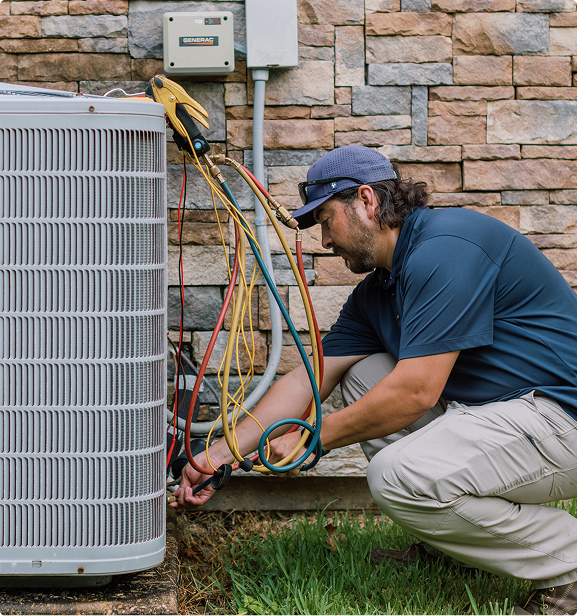
Malek provides AC installation and replacement in Cypress as part of our full residential HVAC service throughout Northwest Houston. We evaluate the existing system, the home, airflow, ductwork, and comfort goals before recommending replacement equipment.