If the outdoor fan stops while the compressor keeps running, turn the cooling system off at the thermostat. The condenser fan is responsible for moving heat away from the outdoor coil. Without that airflow, the compressor can overheat and the system may suffer more serious damage.
This symptom commonly points to a failing fan motor, weak capacitor, damaged contactor, control problem, or restricted outdoor coil. A short fan-only delay after the compressor shuts off can be normal on some systems, but the opposite condition—the compressor running without the outdoor fan—needs prompt attention.
Understanding the Symptom
What It Means When the Fan and Compressor Are Out of Sync
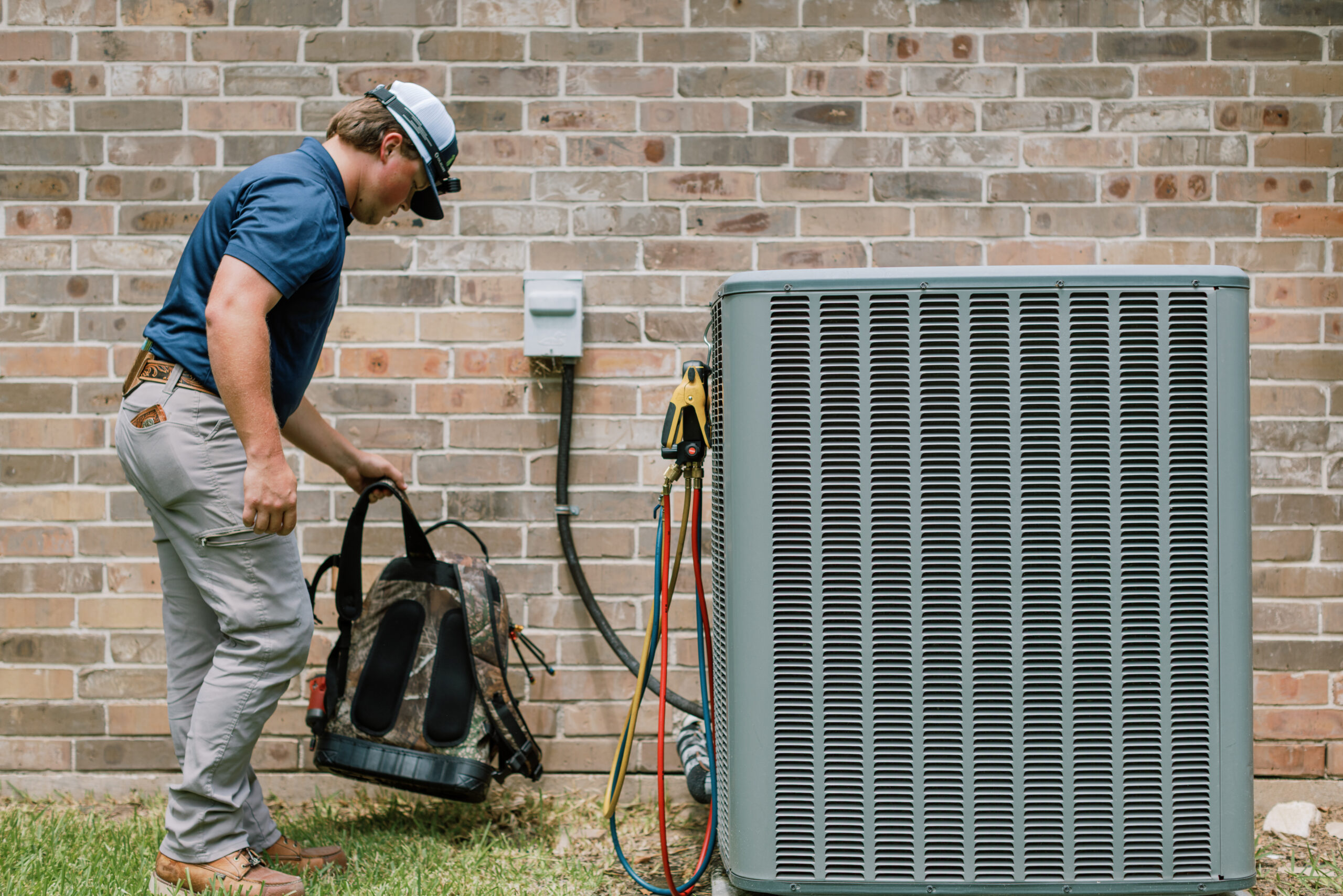
The outdoor unit contains two major working components: the compressor and the condenser fan. The compressor moves refrigerant through the system, while the fan pulls outdoor air across the condenser coil to release heat.
During a normal cooling call, both should operate together. If the compressor continues running after the fan stops, heat can build rapidly inside the outdoor unit. The home may stop cooling, air from the vents may become warmer, and the outdoor cabinet may sound different than usual.
Fan and Compressor Run Together
The fan removes heat from the condenser coil while the compressor circulates refrigerant through the system.
Compressor Runs but Fan Stops
Heat is no longer being removed properly, increasing strain and the risk of compressor overheating.
Common Causes
Why the Outdoor Fan May Stop While the Compressor Keeps Running
Weak or Failed Capacitor
The capacitor helps the fan motor start and run. A weakened fan section can leave the compressor operating while the fan hums, starts inconsistently, or does not turn at all.
Overheating Fan Motor
Worn bearings, deteriorating windings, excessive heat, or age can cause the motor’s internal protection to shut it down. It may restart after cooling and fail again later.
Contactor or Relay Failure
Electrical contacts can become burned, damaged, or stuck. That can interrupt power to one component or allow the compressor to remain energized when it should stop.
Control Board or Wiring Problem
Loose wiring, damaged connections, or a faulty control board can prevent the fan and compressor from receiving the correct commands.
Dirty or Restricted Condenser Coil
Dirt, grass clippings, leaves, and blocked airflow force the outdoor unit to run hotter. That added heat can contribute to motor overload and premature component failure.
Damaged Fan Blade or Obstruction
A bent blade, debris, or mechanical damage can prevent normal movement and place excessive load on the motor.
Safe Checks Before Service
What You Can Check Without Opening the AC Cabinet
Keep homeowner troubleshooting limited to visible and accessible items. The outdoor cabinet contains high-voltage components and stored electrical energy.
Turn the Thermostat Off
Stop the cooling call so the compressor does not continue operating without proper condenser airflow.
Confirm the Thermostat Settings
Verify the system was set to COOL, the temperature was below room temperature, and the fan setting was on AUTO.
Check the Air Filter
A heavily restricted filter can contribute to broader system strain. Replace it if it is visibly dirty and accessible.
Look Around the Outdoor Unit
Check for leaves, vegetation, plastic, or other debris blocking airflow around the cabinet. Do not reach through the grille.
Notice What Happened
Tell the technician whether the fan stopped immediately, ran for a while first, restarted later, hummed, or produced an unusual odor.
Stop Troubleshooting
When the System Should Stay Off Until It Is Inspected
The Compressor Is Running Without the Fan
Continuing to operate the system can increase compressor temperature and refrigerant pressure.
You Smell Burning or Hot Electrical Material
Leave the system off and avoid the outdoor cabinet. Electrical overheating requires professional inspection.
The Fan Starts and Stops Repeatedly
Intermittent operation can indicate thermal overload, a weakening capacitor, or a failing motor.
The Breaker Trips Again
Do not repeatedly reset a breaker that will not remain on. A continuing electrical fault needs diagnosis.
Protect the Compressor
Have the Cause Diagnosed Before the System Runs Again
Malek can test the fan motor, capacitor, contactor, wiring, controls, airflow, and compressor operation, then explain exactly what failed and what should be done next.
Professional Diagnosis
What an HVAC Technician Checks
Motor temperature, amperage, winding condition, bearings, rotation, and signs of thermal overload.
Measured capacitance is compared with the component’s rated operating range.
Contacts, terminals, wiring, voltage, and signs of arcing or overheating are inspected.
The coil, fan blade, cabinet clearance, and surrounding airflow conditions are evaluated.
Thermostat calls, low-voltage controls, relays, and board operation are tested.
The technician checks whether overheating or abnormal operation has affected the compressor or refrigerant circuit.
Why Prompt Service Matters
What Can Happen If the AC Keeps Running This Way
Compressor Overheating
The compressor may run hotter because the condenser coil cannot release heat effectively.
Higher Electrical Use
The system can consume electricity while providing little or no useful cooling.
Additional Component Damage
Excess heat and abnormal operating conditions can affect wiring, controls, refrigerant components, and the compressor itself.
Loss of Home Comfort
Cooling performance drops quickly, which can become urgent during extreme Texas heat.
Repair or Replace?
Does This Symptom Mean You Need a New AC System?
Not automatically. A failed capacitor, contactor, fan motor, or damaged connection may be repairable. Replacement becomes a broader conversation when the system is older, the compressor has been damaged, major repairs are stacking up, or the equipment is already struggling with comfort and efficiency.
Repair May Make Sense When
- The failure is limited to a serviceable component
- The compressor remains in good condition
- The system has otherwise been dependable
- The repair restores safe, normal operation
Compare Replacement When
- The compressor has been damaged or is failing
- The equipment is near the end of its useful life
- Major repairs have become frequent
- The system already has significant comfort or efficiency problems
Prevention
How to Reduce the Risk of Fan and Compressor Problems
Keep the Outdoor Unit Clear
Maintain open space around the cabinet and remove loose leaves or vegetation that could restrict airflow.
Change Filters Before They Become Restricted
Check the filter regularly and replace it according to its condition and your home’s needs.
Pay Attention to New Sounds
Humming, clicking, grinding, squealing, or repeated starts and stops can provide early warning.
Schedule Routine HVAC Maintenance
Professional maintenance can identify weakening electrical components, motor concerns, and airflow restrictions before a complete failure.
Frequently Asked Questions
AC Fan and Compressor Questions
Should I keep running the AC if the outdoor fan stops?
No. Turn the system off at the thermostat. The compressor should not continue running without the condenser fan moving air across the outdoor coil.
Can a bad capacitor cause the compressor to run but not the fan?
Yes. A dual-run capacitor can fail on the fan side while the compressor side still functions. Testing is required to confirm the cause.
Why does the fan stop and then start again later?
The fan motor may be overheating and opening its internal thermal protection. After cooling, it may restart temporarily before overheating again.
Is it normal for the fan to run briefly after the compressor stops?
Some systems use a short fan delay to move remaining conditioned air. A brief programmed delay can be normal. Continuous or unusually long fan operation should be evaluated.
Can I replace an AC capacitor myself?
Capacitors can store a dangerous electrical charge even after power is removed. Testing and replacement should be handled by a trained HVAC professional.
Does this always mean the compressor is damaged?
No. Prompt shutdown may prevent further damage. A technician should inspect the compressor and related components before determining the repair scope.
How quickly should I schedule service?
Schedule service promptly and leave the cooling system off until it is inspected, especially during hot weather or when the compressor continues to run without the fan.
Can maintenance prevent this problem?
Maintenance cannot prevent every failure, but it can identify weak capacitors, deteriorating motors, loose electrical connections, and airflow restrictions before they cause a breakdown.