Winter Comfort Guide
Winter Thermostat Settings for Texas Homes: Comfort, Savings, and Travel
By Malek Service Company · Serving Bryan–College Station & Northwest Houston
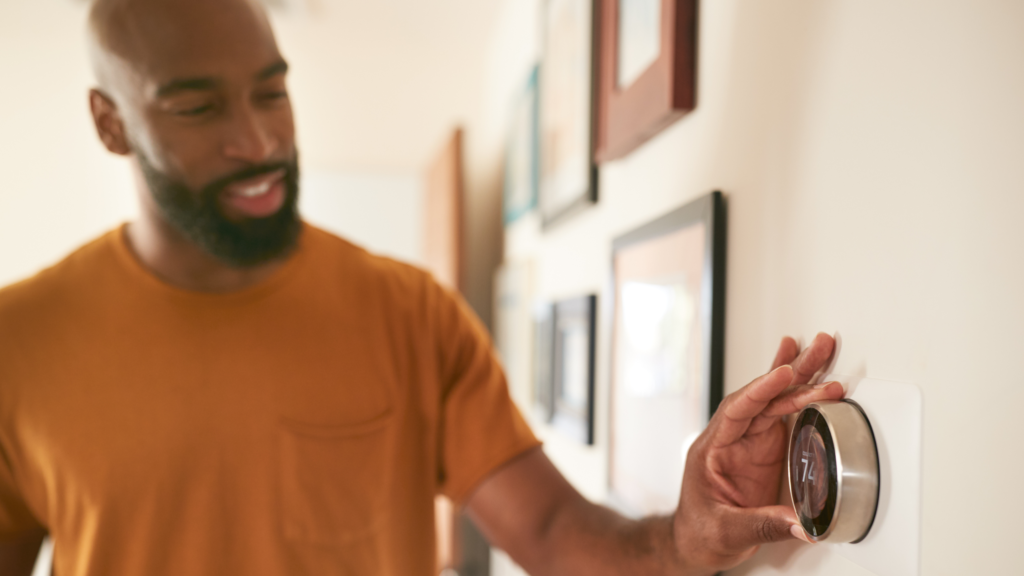
One person is comfortable, another is reaching for a blanket, and the thermostat is getting more attention than the television. Then a winter trip raises a different question: how low can you leave the heat while nobody is home?
At Malek, we start by separating a comfort preference from a heating problem. A room that stays cold while the hallway feels fine calls for a different conversation than a whole house that needs a small setting adjustment. Raising the number repeatedly can hide the pattern without explaining it.
For Bryan–College Station and Northwest Houston homeowners, a useful winter plan accounts for the equipment, the people in the house, and changing Texas weather. Here is how to choose settings that fit those conditions.
The Quick Answer
Start With Comfort, Then Adjust for Your System and the Forecast
While You Are Home
Around 68°F is a common starting point for winter heating. Adjust for household comfort and any individual care needs.
When Sleeping or Briefly Away
A modest reduction may suit a furnace-equipped home. Heat pumps need a schedule compatible with their controls and backup heat.
When Traveling
Keep heat operating. General Red Cross guidance says no lower than 55°F; your home may need a higher setting.
A thermostat reading describes conditions near its sensor. It does not tell you the temperature inside an exterior wall, attic, garage, or other space containing plumbing. No single setting guarantees freeze protection.
Everyday Winter Settings
Choose a Schedule You Can Live With
Start With an Occupied Setting
The Department of Energy has used 68°F while awake as a winter starting point. Treat that as guidance, not a requirement for every household. Choose a setting that meets the needs of the people actually there.
Make Changes You Can Assess
If your current setting feels warmer than necessary, try a small adjustment and give the home time to respond. Notice how occupied rooms feel instead of changing the target every few minutes.
Match the Schedule to the Household
An empty-house schedule makes little sense when someone works from home or a guest is staying over. Review weekday, weekend, and sleep settings against real routines.
Consider Sleep and Short Absences
For a furnace, a lower setting during a suitable unoccupied period can be useful. Choose a manageable change and allow recovery time. Do not apply the same approach automatically to a heat pump.
Check the Cold Room Separately
If one room is uncomfortable, note its location, supply airflow, and when the difference occurs. A higher whole-home target may overheat other rooms while the original concern remains.
Winter Travel
What Temperature Should You Leave Your House When Traveling in Winter?
Keep the Heating System On
An empty home still needs a winter protection plan. Switching the heat off to avoid runtime can leave the building and plumbing exposed when weather changes.
Understand the 55°F Guidance
The American Red Cross advises leaving heat on at no less than 55°F during cold-weather travel. That is general minimum guidance, not proof that every pipe in your home will remain warm.
Use a Higher Setting When Conditions Warrant
A history of frozen pipes, drafty rooms, plumbing outside conditioned space, or a severe forecast calls for more caution. Get property-specific advice rather than aiming for the lowest available number.
Plan for Heat Pumps
A long absence differs from an overnight setback, but the return to normal temperature still matters. Use a supported vacation schedule and follow guidance for your equipment and thermostat.
Account for Anyone Staying Home
If people or pets remain, choose a setting appropriate for them. An empty-property minimum is not an occupied-home comfort or care recommendation.
Pair the Setting With a Check-In Plan
Arrange someone who can check the property and respond if heating fails. If you use remote alerts, confirm they work before leaving and recognize their dependence on power and connectivity.
Warning Signs
Changes That Deserve Attention
The displayed room temperature keeps falling despite a call for heat
One room is consistently much colder than the thermostat area
The heater repeatedly starts and stops without maintaining comfort
AUX appears frequently after scheduled temperature increases
A thermostat loses power, resets, or shows a recurring error
The home has a history of frozen pipes or unresolved heating problems
If you smell gas or a carbon-monoxide alarm sounds, leave immediately and call for emergency help from outside; do not stay to troubleshoot the thermostat. Do not bypass safety controls, repeatedly reset failing equipment, or leave portable heaters operating unattended as a substitute for dependable central heating.
Furnace or Heat Pump
The Same Temperature Schedule Can Produce Different Results
Furnace Heating
A Modest Setback May Fit the Routine
- ✓Consider a comfortable lower target during suitable sleep or unoccupied periods.
- ✓Allow the house time to return to the occupied setting.
- ✓Judge recovery by the temperature trend, not only the sound of the equipment.
- ✓Pause routine setbacks when extreme cold makes property protection the priority.
Heat-Pump Heating
Check How the Controls Handle Recovery
- ✓A large increase can call for electric resistance backup on some systems.
- ✓Some compatible controls manage recovery to limit unnecessary backup use.
- ✓Avoid selecting Emergency Heat simply to recover faster.
- ✓Ask about the installed equipment and configuration before adopting an aggressive schedule.
What You Can Check
Check These Details Before You Leave for a Winter Trip
Confirm Heating Works Before Departure
Give yourself time to address a known problem. Observe whether normal heating maintains your chosen occupied temperature. A last-minute setting change is a poor substitute for resolving a recurring fault.
Check Mode, Schedule, and Hold
Select the appropriate heating mode and confirm that an automatic schedule will not override the intended away setting. Check the hold or vacation end date and the temperature programmed for your return.
Review Automatic Away Features
Some thermostats change settings using occupancy detection or phone location. Make sure those features will not lower the temperature unexpectedly while a guest or pet remains at home.
Test Access and Alerts
Where supported, verify remote access and low-temperature notifications. Share the response plan with the person checking the house. An app showing the last known reading is not the same as a current property check.
Add Separate Pipe Preparation
Review exposed plumbing and your water provider’s current freeze instructions. Ask how any proposed water shutoff affects appliances and equipment. Use the pipe-protection guide below for the full preparation checklist.
Make the Return Plan Realistic
Program a suitable recovery period when supported, especially for a heat pump. If the home is much colder than expected on arrival, investigate the heating concern instead of jumping straight to an extreme target.
A Practical Next Step
A Good Winter Setting Is Part of a Plan, Not the Entire Plan
Choose a comfortable everyday target, a schedule suited to your heating system, and a travel setting that reflects the forecast and the home’s vulnerabilities. When one room or the entire house behaves differently than it used to, preserve those details. They help explain whether the concern is settings, airflow, controls, or equipment.
We Don’t Just Fix It. We Explain It.
Professional Heating Evaluation
When Adjusting the Thermostat Is Not Solving the Problem
Tell Malek which rooms are uncomfortable, the indoor and outdoor conditions, and whether the problem follows a schedule change. We can evaluate the relevant heating concern and explain what the findings support. A smart thermostat alone does not repair an airflow restriction or equipment fault.
Pattern
Identify Where and When Comfort Changes
Separate an isolated room concern from a whole-home temperature problem.
Controls
Review the Actual Thermostat Setup
Check the reported mode, schedule, sensor behavior, and relevant equipment configuration.
Airflow
Consider How Heat Reaches the Rooms
Evaluate accessible airflow conditions and whether further ductwork assessment is appropriate.
Equipment
Investigate Heating Performance
Assess the heating components relevant to the symptoms rather than assuming the thermostat is defective.
Options
Explain the Appropriate Next Step
Discuss supported adjustments, repairs, or additional testing before recommending replacement.
Continue Learning
Related Guidance for Your Home
Auxiliary Heat vs. Emergency Heat
Understand the modes before changing a heat-pump setting.
→Homeowner ArticleWhy Is My Heating Bill Suddenly Higher?
Review weather, usage, and heating-performance changes.
→Seasonal GuideHow to Protect Your Pipes Before a Texas Freeze
Build a separate preparation plan for vulnerable plumbing.
→Homeowner ArticleNo Heat? Common Causes
Know when a falling room temperature needs heating service.
→Malek Homeowner Learning Center
Have another home-system question?
Explore homeowner articles, decision guides, investment guides, and FAQs to understand your options before deciding what comes next.
Sources & Further Reading
The resources below support the general temperature, heat-pump scheduling, and freeze-preparation guidance. Follow the instructions for your installed equipment and seek property-specific advice when conditions call for it.
Frequently Asked Questions
Heating Questions, Answered
Clear answers to help you understand the concern, recognize warning signs, and choose a practical next step.
What should I set my thermostat to in winter?+
Around 68°F is a common starting point while you are awake and home. Adjust for comfort and household needs. Persistent room differences or a failure to maintain temperature deserve evaluation.
What temperature should I leave my house when traveling in winter?+
Keep the heat operating. The American Red Cross advises no lower than 55°F during cold-weather travel, but your property may need a higher setting. Consider the forecast, pipe locations, heating reliability, and a property check-in plan.
Is 55°F enough to keep every pipe from freezing?+
No setting guarantees that. Plumbing in exterior walls, attics, garages, or other poorly heated spaces can be colder than the thermostat area. Pair heating with property-specific pipe preparation.
Should I lower the thermostat at night?+
A modest reduction may fit a furnace-equipped home when occupants remain comfortable. Heat-pump recovery can involve backup heat, so follow guidance for your controls. Avoid routine setbacks during extreme cold when protection is the priority.
Should I keep a heat pump at one temperature?+
A steady, moderate setting may avoid unnecessary backup heat on some systems. Compatible controls can support suitable scheduling. Ask how your installed heat pump and thermostat manage recovery before choosing a large setback.
Does turning the thermostat much higher heat the house faster?+
For many conventional systems, a higher target mainly keeps heating called for longer. Some staged or heat-pump systems may respond by adding capacity or backup heat. Choose the desired temperature rather than an extreme target to rush recovery.
Can I turn off the heat while away in winter?+
Keep heating available during cold-weather travel. A mild departure day does not guarantee mild conditions for the entire trip. Use a suitable away setting and arrange a response plan if heating stops.
Will a smart thermostat fix a cold bedroom?+
Not automatically. Sensor placement, airflow, ductwork, insulation, and equipment can affect room comfort. Evaluate the cause before assuming a new thermostat will solve it.
Get Clear Answers With Malek
Get Clear Answers About Winter Comfort
Malek helps Bryan–College Station and Northwest Houston homeowners understand heating problems and their options. Share the temperature pattern you are noticing so we can help identify the appropriate next step.