Power Surge Homeowner Guide
What Can Damage Electronics During a Power Surge?
A power surge can damage far more than televisions and computers. Modern HVAC systems, appliances, smart-home controls, security equipment, networking devices, chargers, lighting controls, and other electronics all rely on sensitive internal components.
Some surge damage happens immediately. Other damage weakens electronic components and appears later as intermittent failures, unexplained shutdowns, error codes, reduced performance, or shortened equipment life.
This guide explains where power surges come from, which household systems are most vulnerable, what damage may look like, what homeowners should do after a surge, and how layered protection can reduce future exposure.
The Quick Answer
Power Surges Can Damage Sensitive Electronics Even When the Equipment Still Appears to Work
The Surge May Enter From Outside the Home
Nearby lightning, utility switching, transformer problems, grid disturbances, and power restoration after an outage can send excess voltage into the home.
The Surge May Begin Inside the Home
Compressors, motors, generators, HVAC equipment, pumps, and other large electrical loads can create smaller internal surges as they start, stop, or switch.
Damage May Be Immediate or Delayed
A severe surge may cause instant failure. A smaller event may weaken circuit boards, capacitors, power supplies, sensors, and controls before the problem becomes obvious.
A device does not have to stop working immediately to be damaged. Intermittent errors, shorter service life, random resets, and later component failure can all follow an earlier surge event.
Common Surge Sources
What Can Cause a Power Surge Inside a Home?
Nearby Lightning Activity
A direct strike is not required. Nearby lightning can create a rapid voltage spike that travels through utility lines, cable lines, phone lines, grounding paths, or other connected systems.
Utility Switching and Grid Disturbances
Utilities regularly switch equipment and reroute power. Transformer activity, line faults, and grid disturbances can create sudden voltage changes that reach connected homes.
Power Restoration After an Outage
When power returns after an outage, voltage can fluctuate while the system stabilizes and many household loads restart at the same time.
HVAC Systems and Large Motors
Air conditioners, heat pumps, pumps, compressors, refrigerators, and other motor-driven equipment can create internal surges when cycling on or off.
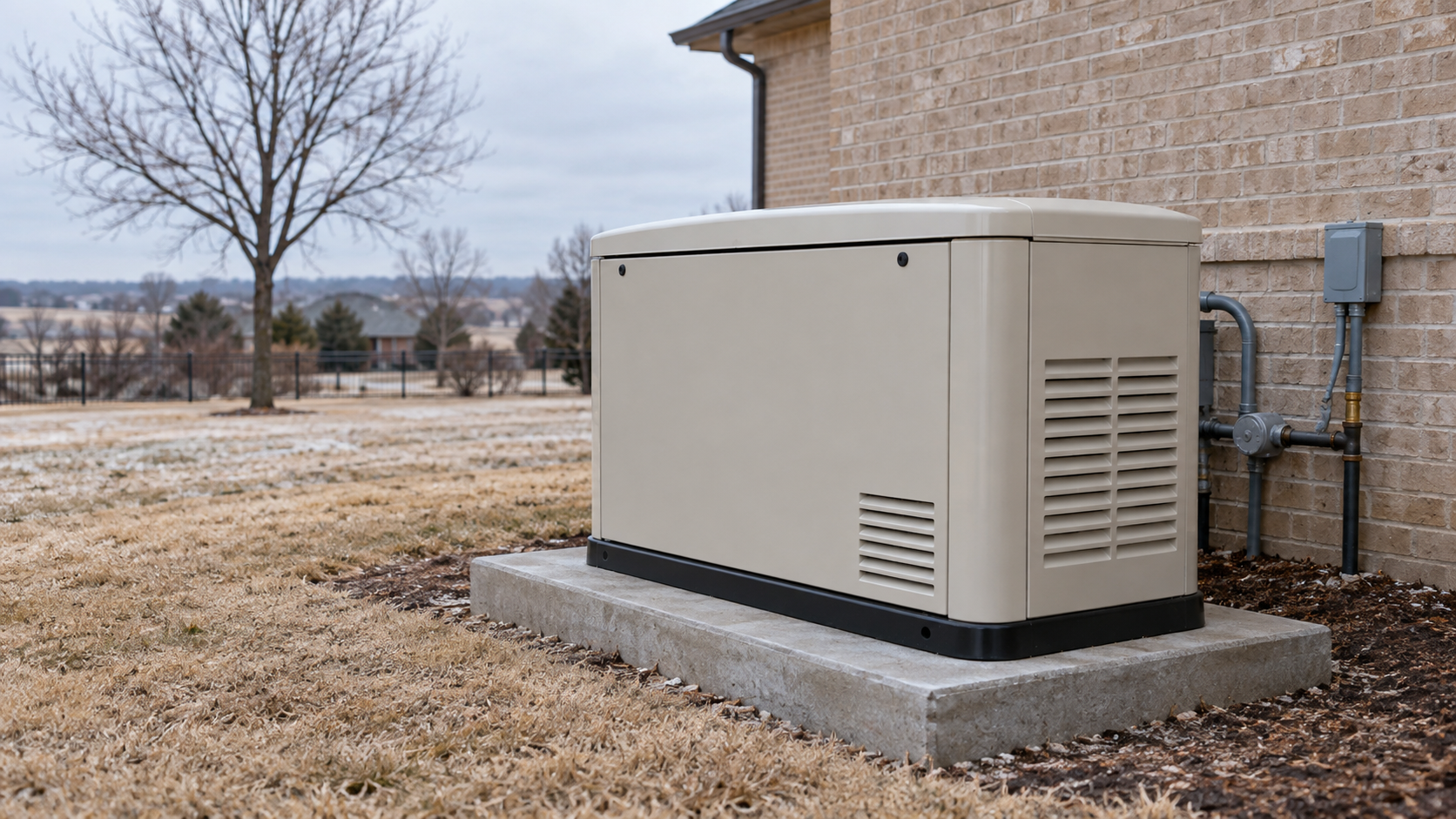
Standby Generators and Transfer Equipment
Generator startup, shutdown, load transfer, and unstable power during an electrical event can create conditions that should be managed through properly designed equipment and protection.
Faulty Wiring or Loose Connections
Loose conductors, damaged insulation, poor connections, and electrical faults can create abnormal voltage conditions that affect connected electronics.
Damaged Utility Equipment
A failing transformer, damaged service line, loose neutral, or other utility-side problem can expose the home to unstable voltage.
Improper or Failed Surge Protection
A worn-out surge protector, inactive status indicator, poorly grounded system, or basic power strip with no surge rating may leave electronics more exposed than the homeowner realizes.
What Is Most at Risk
Modern Homes Contain More Surge-Sensitive Equipment Than Most Homeowners Realize
HVAC control boards and thermostats
Refrigerators and kitchen appliances
Computers, routers, and home-office equipment
Smart TVs, gaming systems, and entertainment equipment
Security systems, cameras, and smart-home hubs
Garage door openers and gate controls
Tankless water heaters and electronic plumbing controls
EV chargers, generators, and charging equipment
The most vulnerable components are often the electronic boards, sensors, relays, power supplies, communication modules, and control circuits inside the equipment—not the visible appliance housing.
Signs Electronics May Have Been Damaged
Surge Damage Can Show Up as Sudden Failure, Intermittent Problems, or Shortened Equipment Life
Equipment will not turn on
Random resets or unexplained shutdowns
Error codes or failed control boards
Flickering displays or unstable performance
Burning odor or discolored components
Loss of network, communication, or smart controls
Appliances that work inconsistently after an outage
Multiple devices failing around the same time
A surge may affect one device, one circuit, or several systems at once. Note when the problem began, whether an outage or storm occurred, and which equipment changed afterward.
Protection Options
Power Strips and Whole-Home Surge Protection Solve Different Parts of the Problem
Point-of-Use Protection
Surge-Protective Power Strips Add Focused Protection
- ✓Useful for computers, televisions, and networking equipment
- ✓Protect only the devices plugged directly into them
- ✓Must be labeled and rated for surge protection
- ✓Should be replaced when protection indicators fail
- ✓Work best as a second layer for sensitive electronics
Whole-Home Protection
Panel-Level Protection Provides Broader Coverage
- ✓Helps reduce surge energy across connected circuits
- ✓Helps protect hardwired HVAC and appliances
- ✓Provides a first layer before surges reach individual devices
- ✓Requires compatible panel installation and dependable grounding
- ✓Works best with quality point-of-use protection
The Bottom Line
Surge Damage Is Not Always Obvious at the Moment It Happens
The source may be lightning, utility activity, outage restoration, motor switching, generator operation, unstable voltage, or another electrical event.
The goal is to identify which systems were affected, whether the electrical system is stable, and how to reduce future exposure before another event damages more equipment.
We Don’t Just Fix It. We Explain It.
What Professional Evaluation Includes
Determining Whether a Surge Damaged One Device, One Circuit, or Multiple Systems
A useful evaluation should connect the equipment symptoms with the electrical event, confirm whether voltage conditions are stable, and explain whether the concern is isolated or part of a broader system problem.
Event Review
Identify What Happened Before the Equipment Changed
The electrician reviews storms, outages, utility activity, generator operation, equipment cycling, error codes, failed devices, and the timing of any performance changes.
Electrical System Review
Review the Panel, Grounding, Breakers, and Visible Conditions
The panel, grounding, bonding, breakers, conductor terminations, accessible components, existing surge protection, and visible signs of damage may be evaluated.
Voltage and Circuit Testing
Confirm Whether Voltage or Circuit Conditions Remain Unstable
Testing may include voltage, circuit conditions, breaker behavior, grounding, connected equipment, and signs of unstable or improper electrical operation.
Equipment Review
Determine Which Systems or Components Were Affected
The condition of HVAC controls, appliances, electronics, power supplies, communication modules, and connected circuits helps determine whether the damage is isolated or widespread.
Clear Next Step
Explain the Repair, Replacement, and Protection Options
Malek explains what testing identified, which components or circuits are affected, what can remain in service, and whether surge protection or other electrical work should be considered.
Continue Learning
Continue Learning About Surge Protection
Whole-Home Surge Protection
Learn how panel-level surge protection helps reduce voltage spikes across connected circuits and hardwired equipment.
→ ServiceDo You Need Whole-Home Surge Protection?
Review the equipment, exposure, panel conditions, and future plans that can make whole-home protection worthwhile.
→ ServiceSurge Protector vs. Power Strip
Compare panel-level protection with plug-in devices and learn why the two often work best together.
→ Investment GuideDo You Need Whole-Home Surge Protection? Investment Guide
Review starting cost, possible additions, and the panel, grounding, and installation factors that shape pricing.
→Frequently Asked Questions
Power Surge Damage FAQs
These answers explain what can damage electronics during a surge, how damage may appear, and how whole-home and point-of-use protection differ.
Can a power surge damage electronics without causing immediate failure?+
Yes. A surge may weaken circuit boards, capacitors, power supplies, sensors, or controls and cause intermittent problems or premature failure later.
Can a power outage damage electronics when the power comes back on?+
Yes. Voltage can fluctuate during restoration, and many household loads may restart at once. The risk depends on the electrical event and the equipment involved.
Can lightning damage electronics without directly striking the house?+
Yes. Nearby lightning can induce surge energy into utility lines, cable lines, phone lines, grounding paths, and other connected systems.
What electronics are most vulnerable to power surges?+
Equipment with electronic boards, sensors, communication modules, and power supplies is especially vulnerable, including HVAC systems, appliances, smart-home equipment, computers, security systems, and entertainment devices.
Do power strips protect appliances and HVAC equipment?+
Usually not. Power strips protect only the devices plugged into them. Hardwired equipment and other circuits require broader panel-level protection.
Can a whole-home surge protector prevent all surge damage?+
No. Whole-home surge protection can reduce many surge events, but no device can guarantee protection from every electrical event or a direct lightning strike.
What should I do after a major surge or outage?+
Check important equipment for errors or unusual behavior, avoid repeatedly resetting failed devices, document the timing of the event, and arrange electrical evaluation when multiple systems are affected or voltage appears unstable.
How do I know whether a surge protector is still working?+
Check the device status indicator according to the manufacturer’s instructions. If the protection light is off or the device indicates failure, arrange replacement or professional evaluation.
Concerned About Surge Damage?
Find Out What Was Affected—and How to Reduce Future Exposure
Malek can evaluate the electrical panel, grounding, breakers, connected circuits, existing surge protection, and signs of equipment damage before explaining the practical next step.