Standby Generator Troubleshooting Guide
Why Won’t My Generator Start?
A whole-home standby generator can fail to start for several reasons, including a weak battery, fuel problem, active fault, charging issue, control problem, overdue maintenance, or another electrical or mechanical condition.
The important part is determining why the normal starting sequence stopped. Repeatedly resetting the generator without understanding the fault may temporarily clear a warning without correcting the underlying problem.
This guide explains the most common reasons a standby generator may not start, what homeowners can safely observe, what should be left to a professional, and how to tell whether the issue is routine maintenance or a true generator repair.
The Quick Answer
Start With the Battery, Fuel, Fault History, and Operating Mode
The Battery May Be Too Weak to Start the Engine
A standby generator depends on its starting battery. A weak, discharged, damaged, or poorly connected battery can prevent normal startup even when fuel and utility sensing are working.
The Generator May Have a Fault or Fuel Problem
Low fuel availability, inadequate fuel conditions, active alarms, sensor faults, or engine-related shutdowns can interrupt the normal start sequence.
The Problem May Be Outside the Generator Itself
Charging, transfer equipment, controls, electrical connections, or the generator's operating mode can also affect whether the system starts automatically.
If the generator displays a fault code, write it down before clearing or resetting anything. That information can help narrow the cause of the failed start.
Common Causes
Why a Whole-Home Generator May Fail to Start
Weak or Failed Starting Battery
The battery supplies the power needed to crank the generator engine. Age, discharge, poor charging, corrosion, damaged connections, or internal battery failure can prevent startup.
Fuel Supply Problem
A natural-gas or propane generator needs adequate fuel availability and properly functioning fuel infrastructure. Supply, regulator, piping, pressure, or tank conditions can affect startup and operation.
Active Fault or Safety Shutdown
The controller may prevent the generator from running when it detects a condition that requires attention. The displayed fault can provide an important diagnostic starting point.
Incorrect Operating Mode
A standby generator that has been left in off, manual, or another nonautomatic setting may not respond normally when utility power fails.
Charging-System Problem
Even a relatively new battery can become discharged if the generator's charging system or related electrical supply is not maintaining it correctly.
Overdue Maintenance
Deferred service can contribute to starting and operating problems involving fluids, filters, spark plugs where applicable, batteries, connections, or other scheduled maintenance items.
Control or Sensor Problem
A failed sensor, controller issue, wiring concern, or other control-system problem can interrupt the generator's automatic starting sequence.
Mechanical or Engine Problem
Starter, ignition, engine, lubrication, or other mechanical problems can prevent the generator from starting or cause it to shut down shortly after startup.
What Homeowners Can Check
A Few Safe Observations Can Help Before Generator Service Arrives
Look for a displayed fault or warning code
Confirm the generator is in automatic operating mode
Note whether the engine attempted to crank
Review whether recent exercise cycles completed normally
Check propane level when applicable and safe to do so
Look for visible leaks, corrosion, or enclosure damage
Note unusual sounds or odors before the shutdown
Write down when the problem first occurred
Homeowner troubleshooting should stay observational. Avoid opening electrical compartments, bypassing safety devices, adjusting fuel equipment, or touching live generator or transfer-switch components.
What Not to Do
A Generator Fault Is Not the Time to Bypass Safeties or Guess at the Repair
Do not repeatedly clear an unknown fault code
Do not bypass generator safety controls
Do not adjust gas regulators or fuel pressure yourself
Do not work inside live electrical compartments
Do not continue forcing a generator that repeatedly shuts down
Do not ignore burning odors, smoke, or visible overheating
Do not enter floodwater to reach generator equipment
Do not assume a failed start is always just the battery
A standby generator combines electrical equipment, an engine, a fuel system, controls, and automatic transfer equipment. A failed start may involve more than one of those systems.
Repair or Maintenance?
Not Every Failed Start Has the Same Solution
Maintenance May Be the Issue
The Generator Is Overdue for Scheduled Service
- ✓Weak or aging battery
- ✓Overdue fluids or filters
- ✓Scheduled wear items are due
- ✓Recent heavy runtime moved service forward
- ✓No major failed component is identified
Repair May Be Required
A Component or System Has Failed
- ✓Starter or charging system failure
- ✓Fuel-system problem
- ✓Control or sensor fault
- ✓Transfer or electrical issue
- ✓Mechanical engine-related failure
The Bottom Line
A Generator That Will Not Start Needs a Cause—not Just a Reset
Battery, fuel, charging, controls, maintenance, transfer equipment, and mechanical conditions can all interrupt the normal starting sequence.
The right repair begins by identifying which part of the system stopped the generator from starting and whether the problem is isolated or part of a broader generator condition.
We Don’t Just Fix It. We Explain It.
What Professional Evaluation Includes
Diagnosing Why the Generator Did Not Complete Its Starting Sequence
A useful diagnosis should determine whether the problem begins with the battery, fuel supply, controls, charging system, engine, transfer equipment, maintenance condition, or another part of the standby system.
Fault History
Review What Happened When the Generator Failed
Fault codes, alarms, missed exercise cycles, outage history, recent maintenance, and whether the engine attempted to crank all help narrow the diagnosis.
Starting System
Evaluate the Battery, Charging, and Starter Conditions
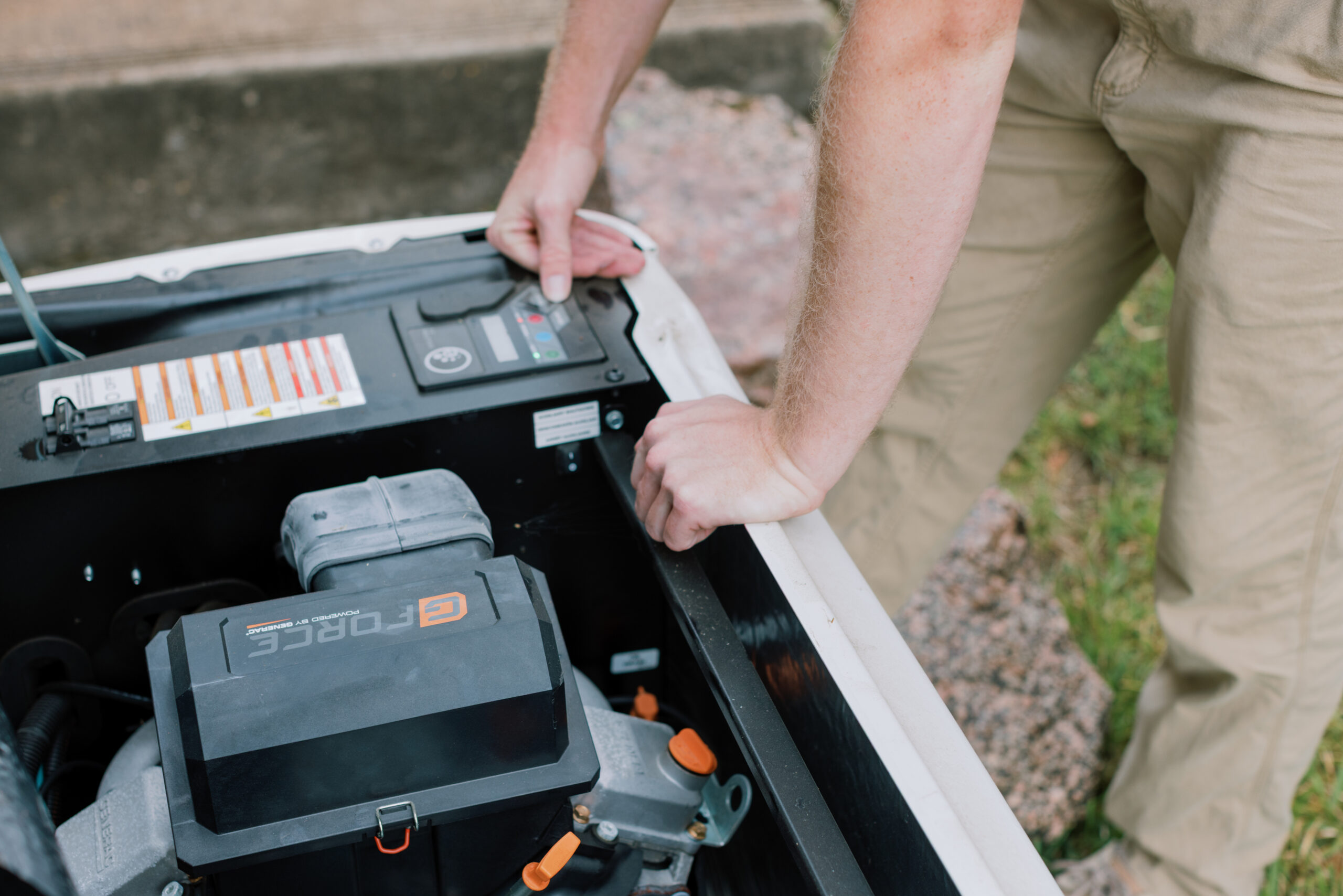
Battery condition, charging performance, connections, starter operation, and related electrical conditions can be reviewed.
Fuel and Engine
Determine Whether the Generator Can Receive Fuel and Run Properly
Fuel availability, visible fuel-system conditions, engine operation, maintenance items, and mechanical concerns may be evaluated as appropriate.
Controls and Transfer
Check the Automatic Start and Transfer Sequence
Generator controls, utility sensing, operating mode, transfer equipment, and related electrical conditions help determine whether the failure is isolated to the generator or part of the standby system.
Clear Next Step
Explain the Cause Before Recommending the Repair
Malek explains what testing identified, whether maintenance or repair is required, and what should be corrected before the generator is relied on for the next outage.
Continue Learning
Continue Learning About Generator Reliability
Generator Repair
Learn how failed starts, fault codes, charging problems, transfer concerns, and other generator issues are diagnosed and repaired.
→ ServiceGenerator Maintenance
Learn how scheduled service helps keep batteries, fluids, filters, controls, and other maintenance items current.
→ ArticleDoes a Generator Turn On Automatically?
Learn how the automatic starting and transfer sequence should work when utility power is lost.
→ Investment GuideGenerator Maintenance Cost Guide
Review typical maintenance planning ranges and how service items, runtime, parts, diagnostics, and repairs affect ongoing cost.
→Frequently Asked Questions
Generator Starting Problem FAQs
These answers explain common reasons a standby generator may fail to start and when the problem may require maintenance or professional repair.
Why won’t my whole-home generator start? +
Possible causes include a weak battery, fuel problem, active fault, charging issue, incorrect operating mode, overdue maintenance, control problem, or mechanical failure.
Can a weak battery keep a standby generator from starting? +
Yes. The starting battery supplies the power needed to crank the engine. A weak, discharged, failed, or poorly connected battery can prevent normal startup.
Can a generator have fuel and still fail to start? +
Yes. Fuel availability is only one part of the starting process. Battery, controls, charging, sensors, ignition, engine condition, operating mode, and other faults can also prevent startup.
Should I reset my generator if it shows a fault code? +
Record the displayed fault before clearing anything. Avoid repeatedly resetting a generator without understanding why the fault occurred, especially if the same condition returns.
Why does my generator crank but not start? +
If the engine cranks but does not start, possible causes can include fuel delivery, ignition, controls, sensors, maintenance conditions, or another engine-related problem. Diagnosis is needed to identify the actual cause.
Why didn’t my generator start automatically during an outage? +
The cause may involve generator operating mode, battery condition, fuel, controls, utility sensing, transfer equipment, an active fault, or another system issue that interrupted the normal automatic sequence.
Can overdue maintenance cause a generator not to start? +
It can contribute. Batteries, fluids, filters, spark plugs where applicable, connections, and other maintenance items can affect starting and operation when service is neglected.
When should I call for generator repair? +
Arrange professional diagnosis when the generator repeatedly fails to start, displays recurring faults, shuts down unexpectedly, has fuel or electrical concerns, or does not return to normal operation after basic safe observations.
Generator Not Starting?
Find Out Why the Starting Sequence Failed Before the Next Outage
Malek can evaluate the generator's battery, charging system, controls, fuel conditions, fault history, operating mode, maintenance needs, transfer equipment, and mechanical condition before explaining the repair.