Local HVAC Maintenance Guide
When Should You Schedule an AC Tune-Up in College Station, TX?
In Bryan–College Station, air conditioners do not get much of a summer vacation. Long cooling seasons mean the system can spend months cycling through heat, humidity, dust, and heavy daily use.
That is why we prefer to think about AC maintenance as an opportunity to evaluate the system before you are depending on it at its hardest — not as a magic appointment that guarantees nothing will ever break.
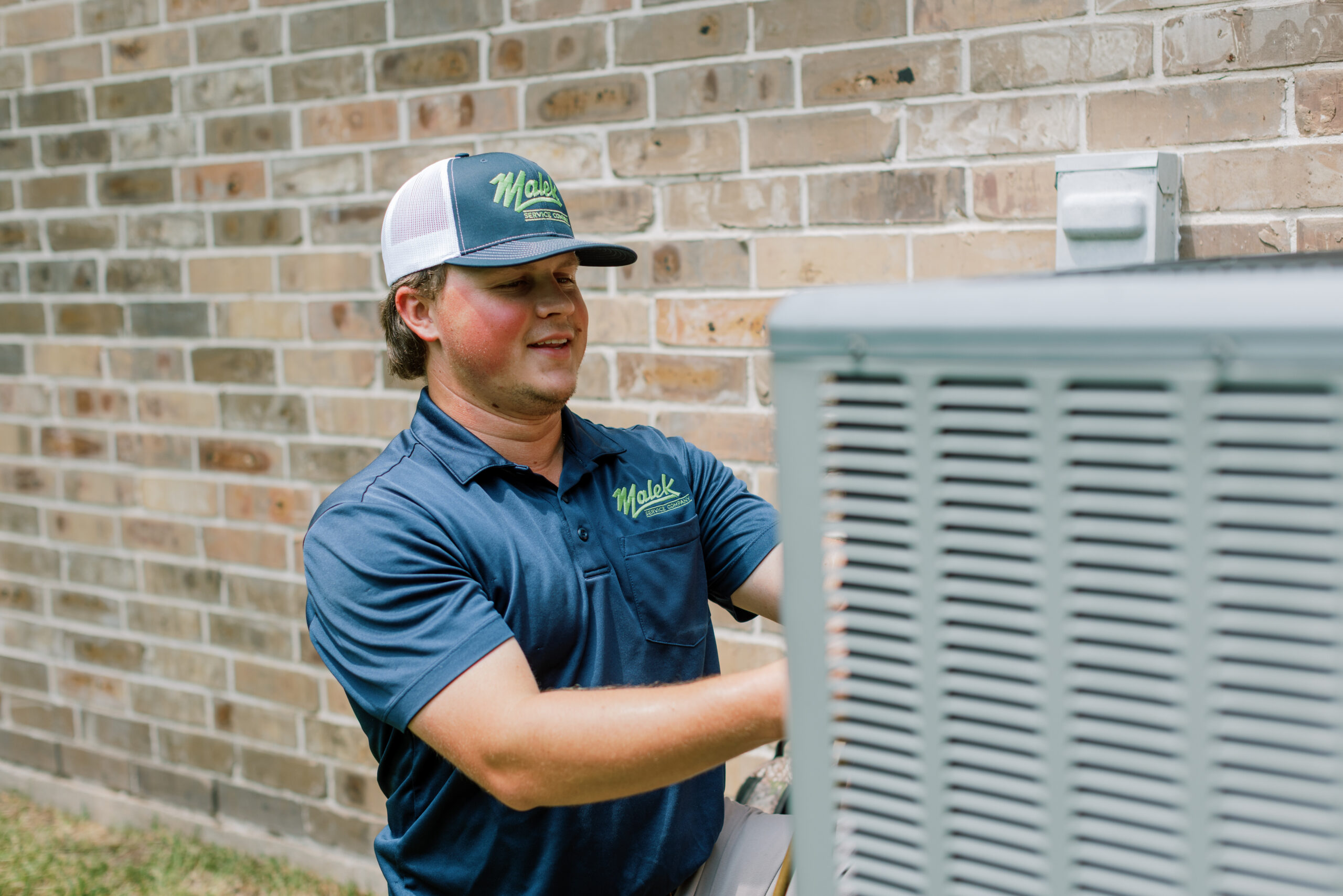
During a professional tune-up, our job is to look at how the system is operating, identify conditions that deserve attention, handle the maintenance items included in the visit, and explain what we find. Sometimes everything looks good. Sometimes we find something worth monitoring. And sometimes we uncover a problem that should be diagnosed or repaired before peak cooling demand arrives.
Here is how we think about AC maintenance after serving Bryan–College Station homes since 1989.
The Quick Answer
Schedule Maintenance Before You Need the AC to Prove It Can Survive Summer
Before Heavy Cooling Season Is Ideal
Spring is a practical time to evaluate the cooling system because there is still time to address a problem before sustained summer demand arrives.
Maintenance Is Preventive
The goal is to inspect, maintain, test, and identify developing concerns. A tune-up cannot guarantee that a component will never fail later in the season.
Existing Problems Need Diagnosis
If your AC is already blowing warm air, freezing, making unusual noises, leaking, or failing to cool the home, that is no longer just a maintenance appointment. Tell the company what is happening so the actual problem can be diagnosed.
One distinction we wish more homeowners were told: maintenance and repair are not the same service. A tune-up is a good time to find a developing concern. It should not be used as a substitute for diagnosing a system that is already malfunctioning.
College Station Cooling
What a Long Brazos Valley Cooling Season Means for Your AC
Runtime Adds Up
An AC system in College Station can accumulate a lot of runtime over the course of a cooling season. That matters because motors, electrical components, drains, coils, filters, and other parts of the system are all operating during those hours.
Maintenance gives us an opportunity to evaluate how those components are doing before another stretch of heavy operation.
Heat Exposes Weaknesses
A marginal component may not cause an obvious problem on a mild day. Longer runtimes and higher cooling demand can make an existing weakness much more noticeable.
That is one reason we would rather identify an abnormal condition during planned maintenance than have the homeowner discover it when the system is under its greatest demand.
Condensate Management Matters Here
Air conditioning removes moisture from indoor air as it cools. That moisture has to drain properly. In our climate, checking the condensate system is an important part of evaluating a cooling system because drainage problems can lead to shutdowns, leaks, or water where it should not be.
Airflow Can Change the Whole Picture
Equipment performance cannot be separated completely from airflow. A dirty filter, blower issue, coil condition, duct restriction, or other airflow problem can affect comfort and system operation.
When something does not look right, the useful question is not just, “Is the AC running?” It is, “Is the system operating the way it should?”
What We Are Looking For
A Useful Tune-Up Should Tell You Something About the Condition of the System
Electrical Condition
Electrical connections and operating components can be inspected and tested for conditions that may affect safe, reliable system operation.
Cooling Performance
System operation should be evaluated to determine whether the equipment is cooling and operating normally rather than simply confirming that it turns on.
Airflow
Filter condition, blower operation, coil condition, and other accessible airflow factors can help explain whether air is moving through the system as expected.
Condensate Drainage
The condensate system should be reviewed because a restriction or drainage problem can cause water issues or interrupt cooling operation.
Equipment Condition
Coils, accessible components, controls, and other parts of the cooling system can reveal wear, buildup, damage, or conditions worth discussing with the homeowner.
Anything That Deserves a Conversation
Not every finding requires a repair. Part of a good maintenance visit is distinguishing normal wear from something that should be monitored or corrected.
Maintenance checklists can vary by equipment type and system condition. What matters most is that the technician is actually evaluating the system and can explain what was checked, what was found, and whether anything needs attention.
Maintenance or Repair?
If the AC Is Already Telling You Something Is Wrong, Tell Us Before the Appointment
Maintenance Makes Sense When
The System Is Generally Operating Normally
- ✓ You are preparing for cooling season
- ✓ The system is due for routine maintenance
- ✓ You want its current condition evaluated
- ✓ You recently moved into the home and do not know its maintenance history
- ✓ You want to address routine maintenance before heavy use
Call for Diagnosis When
The System Is Already Malfunctioning
- ! The AC is blowing warm air
- ! The system will not turn on
- ! Ice is forming on the system
- ! You hear new or unusual noises
- ! Cooling performance has clearly changed
Do not wait for a scheduled tune-up if you smell burning, see electrical damage, have water actively leaking where it can damage the home, or the system is repeatedly shutting itself down. Tell us what is happening so the appointment can be handled as a service problem rather than routine maintenance.
When to Schedule
Spring Is Convenient. The Bigger Goal Is Consistent Maintenance.
Before Summer
Scheduling before sustained summer heat gives you an opportunity to learn about the system's condition before it is operating under peak seasonal demand.
If You Missed Spring
You have not missed your only chance. Maintenance can still be useful later in the cooling season, especially if the system has accumulated months of runtime or its maintenance history is uncertain.
We would rather see a homeowner maintain the equipment later than skip maintenance altogether because the ideal spring window passed.
After Buying a Home
If you recently purchased a home and do not know how the HVAC system has been maintained, an evaluation can establish a useful baseline for the equipment you now own.
Follow the Needs of the Equipment
Equipment type, manufacturer requirements, system age, condition, usage, and warranty terms can influence the appropriate maintenance schedule.
Instead of relying on a blanket rule from the internet, use the equipment requirements and the condition of your actual system to guide the schedule.
Between Maintenance Visits
A Few Simple Homeowner Habits Can Help You Notice Problems Earlier
Check the HVAC filter regularly and replace it when needed
Keep the outdoor unit reasonably clear of leaves and debris
Pay attention if airflow suddenly feels weaker than normal
Notice rooms that begin behaving differently from the rest of the home
Watch for water around the indoor HVAC equipment
Do not ignore new noises, odors, or repeated system shutdowns
Keep supply and return openings unobstructed
Call when performance changes instead of waiting for the next tune-up
You do not need to diagnose the system yourself. Knowing what is normal for your home and noticing when something changes gives the technician useful information when you do need service.
The Bottom Line
Maintenance Is About Knowing the Condition of the System Before You Have to Depend on It
We cannot promise that a maintained air conditioner will never break. Mechanical equipment does not work that way.
What maintenance can do is give us an opportunity to inspect the system, perform appropriate routine service, identify abnormal conditions, and talk with you about anything that deserves attention.
In College Station, doing that before another long cooling season is simply good home-system planning.
We Don’t Just Fix It. We Explain It.
The Malek Maintenance Approach
What Should You Know When the Tune-Up Is Finished?
The value of maintenance is not just that someone looked at the equipment. You should leave the appointment with a clearer understanding of how the system is operating and whether anything needs your attention.
Operate
Confirm How the System Is Running
The technician should evaluate cooling operation rather than assuming the system is healthy simply because it turns on.
Inspect
Look at the Components That Affect Performance
Electrical components, airflow-related conditions, coils, condensate drainage, controls, and other accessible equipment conditions can all help build a picture of system health.
Maintain
Perform the Routine Maintenance Included in the Visit
Maintenance items should be handled according to the system, equipment requirements, and the scope of the service being performed.
Identify
Separate Normal Wear From a Developing Problem
Not every imperfect condition means something needs to be replaced. If something does deserve attention, the technician should be able to explain why.
Explain
Tell You What We Found and What Comes Next
If the system looks good, you should know that. If something should be monitored, you should know that too. And if a repair is appropriate, you should understand the finding before deciding what to do.
Continue Learning
Learn More About Maintaining and Protecting Your AC
AC Tune-Up Cost Guide
Understand what can affect the cost of AC maintenance and what to look for when comparing tune-up services.
→ Homeowner ArticleSigns Your AC May Be Heading Toward a Breakdown
Learn which changes in cooling performance, airflow, noise, cycling, and equipment behavior deserve attention.
→ Problem GuideWhy Is My AC Running Constantly?
Learn when long runtime may be related to weather and cooling demand and when it may point to an HVAC or home-performance problem.
→ ServiceAC Maintenance & Tune-Up
See how Malek approaches professional cooling-system maintenance for homeowners throughout Bryan–College Station.
→Malek Homeowner Learning Center
Have another question about your HVAC system?
Explore homeowner articles, decision guides, investment guides, and FAQs designed to help you understand repairs, maintenance, replacement, costs, and home-comfort decisions.
Frequently Asked Questions
College Station AC Tune-Up FAQs
These answers cover some of the questions College Station homeowners ask about cooling-system maintenance, timing, repairs, and what a tune-up can realistically do.
When is the best time to schedule an AC tune-up in College Station? +
Before the heaviest part of the cooling season is a practical time because it gives you an opportunity to evaluate the system before sustained summer demand. If you miss spring, however, maintenance can still be worthwhile later in the season.
How often should I have my AC maintained? +
The appropriate maintenance schedule depends on the equipment, manufacturer guidance, warranty requirements, system condition, usage, and the home's heating and cooling setup. Regular professional maintenance is generally appropriate, but your specific system should guide the schedule rather than a universal rule.
Can an AC tune-up prevent my system from breaking down? +
Maintenance can identify some developing problems and correct certain maintenance-related conditions before they contribute to larger issues, but no tune-up can guarantee that a mechanical or electrical component will not fail later.
Should I schedule a tune-up if my AC is already not cooling? +
Tell the HVAC company that the system is not cooling properly. A malfunctioning system needs diagnosis, which is different from routine preventive maintenance. Providing the symptom when you schedule helps make sure the appointment matches the problem.
Will an AC tune-up lower my electric bill? +
Maintenance may help when dirt, airflow problems, improper operation, or other correctable conditions are causing the equipment to use more energy than necessary. However, a tune-up does not guarantee a specific reduction in energy use because weather, thermostat settings, home construction, equipment efficiency, ductwork, and household behavior also affect cooling costs.
What happens if a technician finds a problem during maintenance? +
The technician should explain what was found, why it matters, whether the issue requires immediate attention, and what options are available. Finding a problem during maintenance does not mean you should automatically agree to a repair without understanding the recommendation.
Is AC maintenance different from AC repair? +
Yes. Maintenance is preventive and focuses on inspecting, servicing, and evaluating an operating system. AC repair begins with diagnosing a known malfunction or performance problem and correcting its cause.
Does Malek provide AC tune-ups in Bryan and College Station? +
Yes. Malek provides residential AC maintenance and tune-up services throughout Bryan–College Station and the surrounding Brazos Valley service area.
Ready for AC Maintenance?
Know How Your AC Is Doing Before the Next Stretch of Texas Heat
Malek provides professional AC maintenance throughout Bryan–College Station. We inspect the system, perform appropriate routine maintenance, explain what we find, and let you know if anything deserves additional attention.