
Why Are My Allergies Worse Indoors?

Indoor environments can contain dust mites, pet allergens, pollen, household dust, mold-related particles, and other triggers. Learn which home conditions may contribute, what you can observe, and where HVAC filtration and humidity control may fit.
Why Is My House So Dusty?

If dust returns almost as soon as you clean, the cause may involve outdoor particles, pets and fabrics, HVAC filtration, air leaks, ductwork, or everyday household activity. Learn what different dust patterns can tell you and what to check before adding an indoor air quality product.
UV Air Purifier Investment Guide
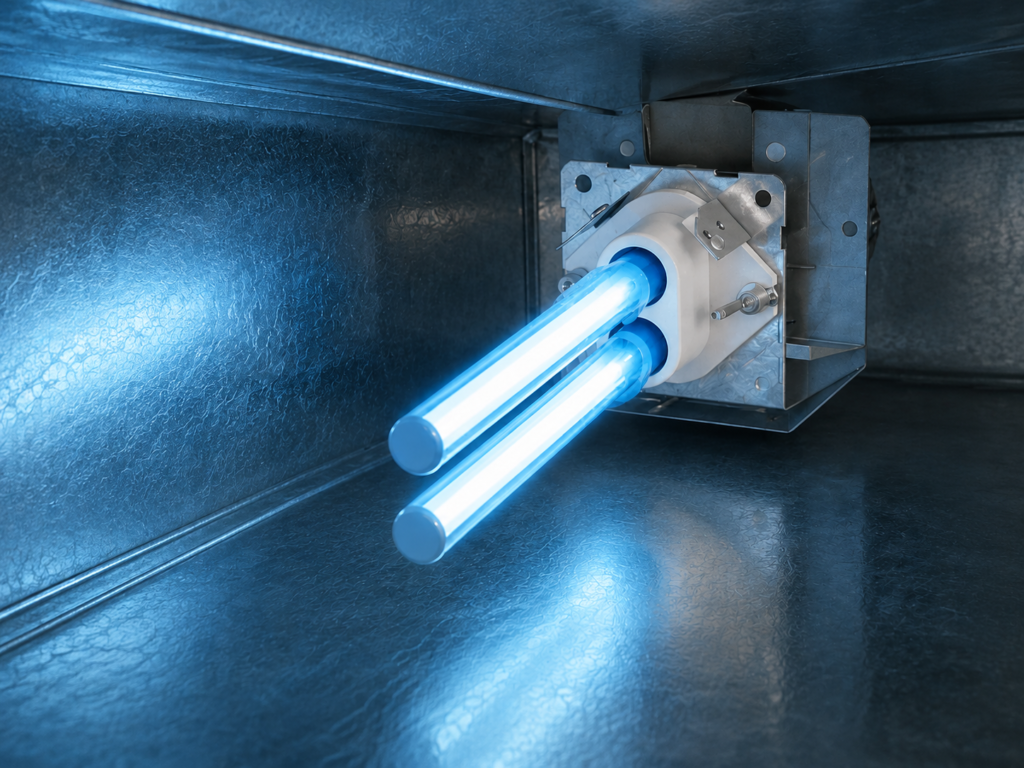
HVAC UV air purifier costs vary based on system type, lamp configuration, installation location, electrical requirements, HVAC layout, and ongoing lamp replacement. This investment guide explains what shapes the price, what may be included, and how UV treatment fits into a broader indoor air quality strategy.
Whole-Home Humidifier Investment
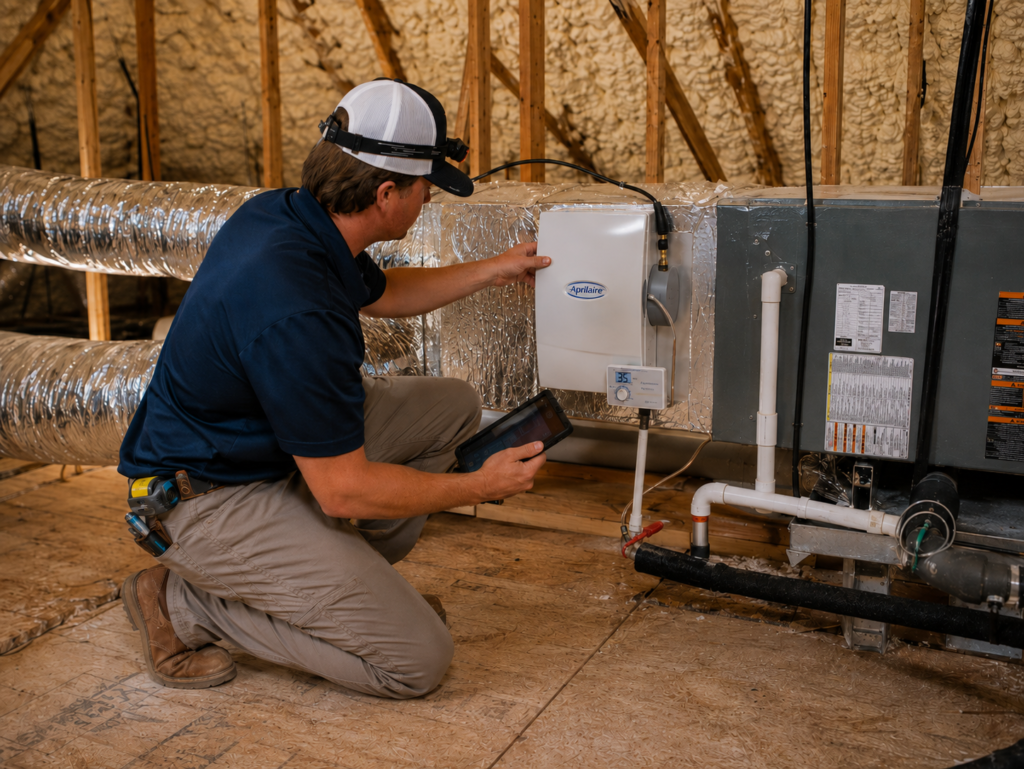
Whole-home humidifier costs vary based on humidifier type, equipment capacity, HVAC compatibility, water and drainage requirements, electrical needs, controls, and installation complexity. This investment guide explains what shapes the price and how bypass, fan-powered, and steam systems differ.
Whole-Home Dehumidifier Investment Guide
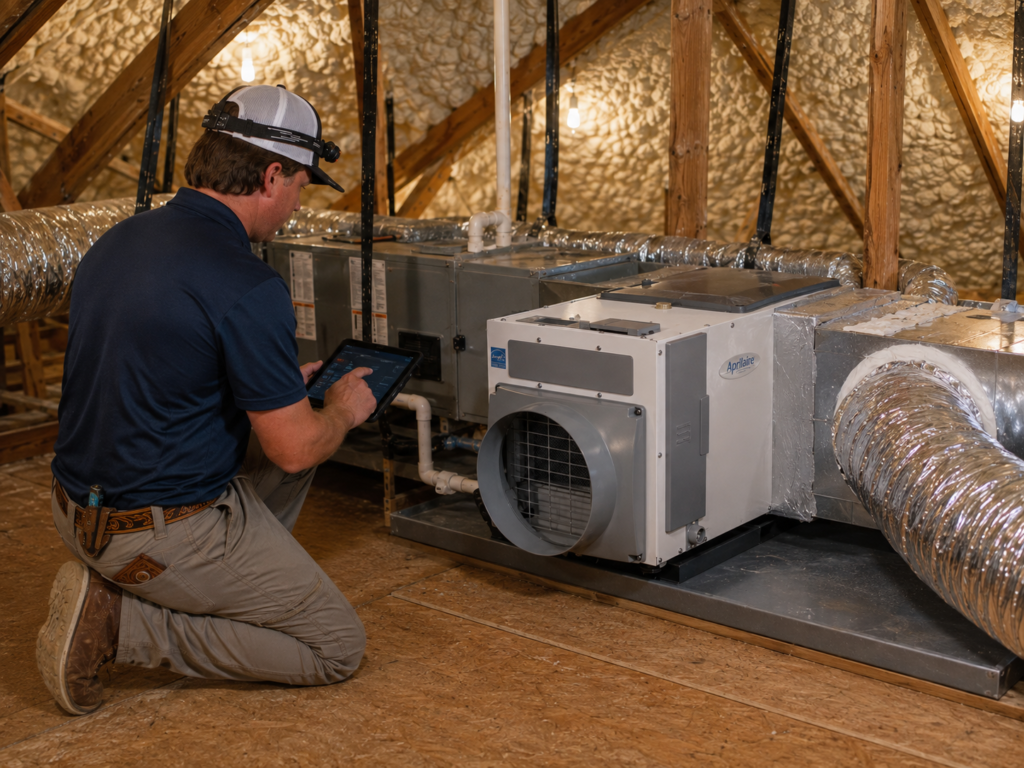
Whole-home dehumidifier costs vary based on equipment capacity, HVAC integration, ductwork, drainage, electrical requirements, controls, and installation complexity. This investment guide explains what shapes the price, what may be included, and when dedicated moisture control may make sense.
Whole-Home Air Purifier Investment Guide
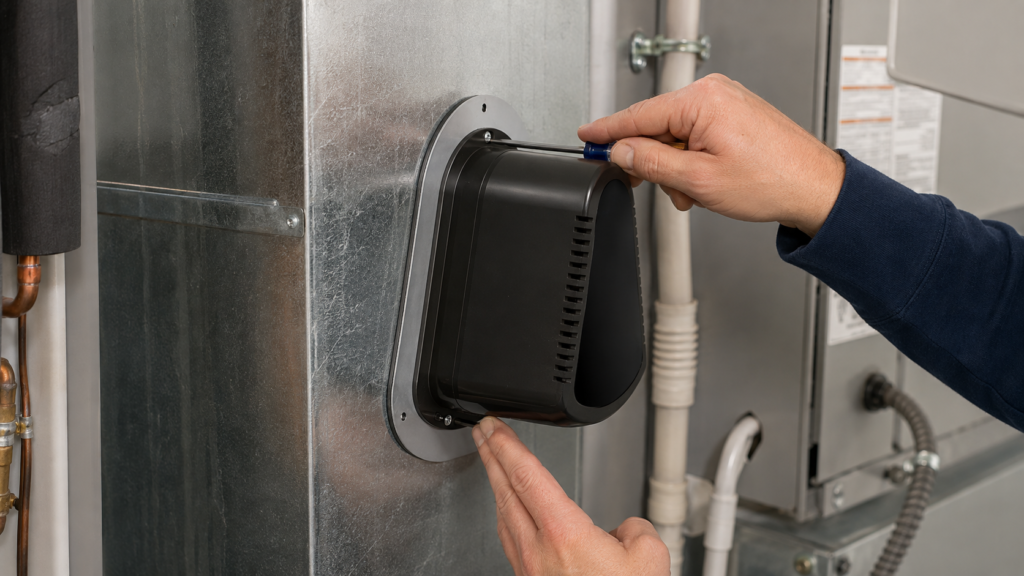
Whole-home air purifier costs can vary based on filtration technology, HVAC compatibility, installation requirements, duct modifications, and ongoing maintenance. This investment guide explains what shapes the price, what may be included, and how to compare whole-home air purification options.
Why Is Airflow Weak From My Vents?
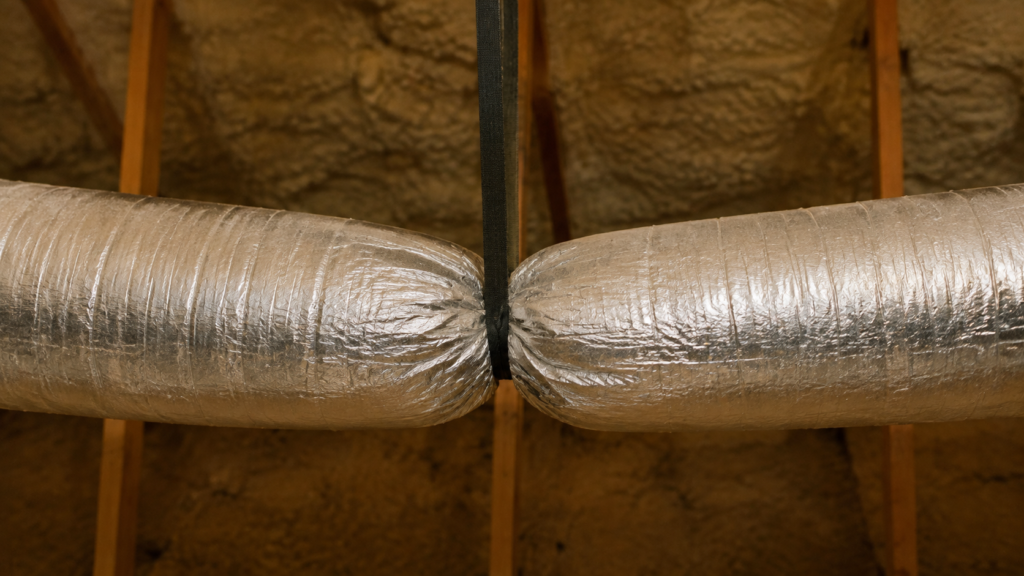
Why is airflow weak from your vents? Learn how dirty filters, blocked registers, crushed or leaking ductwork, return-air limitations, blower performance, and duct design can reduce airflow—and when a professional evaluation makes sense.
How Do I Know If My Air Ducts Are Leaking?
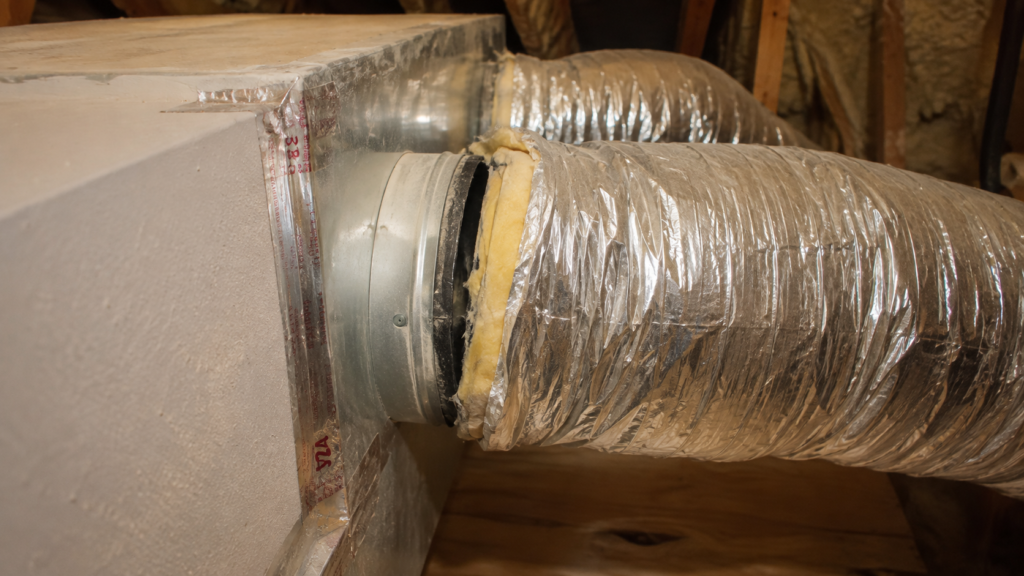
How can you tell if your air ducts are leaking? Learn the common signs of duct leakage, including weak airflow, uneven temperatures, longer HVAC run times, and unusual air movement—and why the duct condition should be evaluated before deciding whether sealing, repair, or replacement makes sense.
Why Is One Room Hotter or Colder Than the Rest?
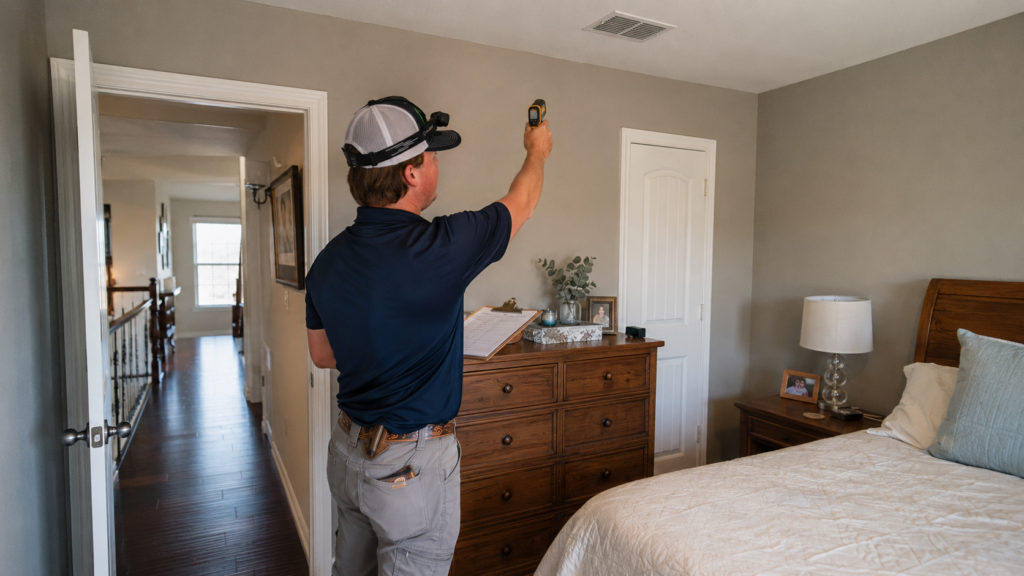
Why does one room feel hotter or colder than the rest of the house? Learn how airflow, ductwork, return-air pathways, insulation, windows, sun exposure, and room conditions can create uneven temperatures—and when a professional evaluation makes sense.
How Long Does Ductwork Last
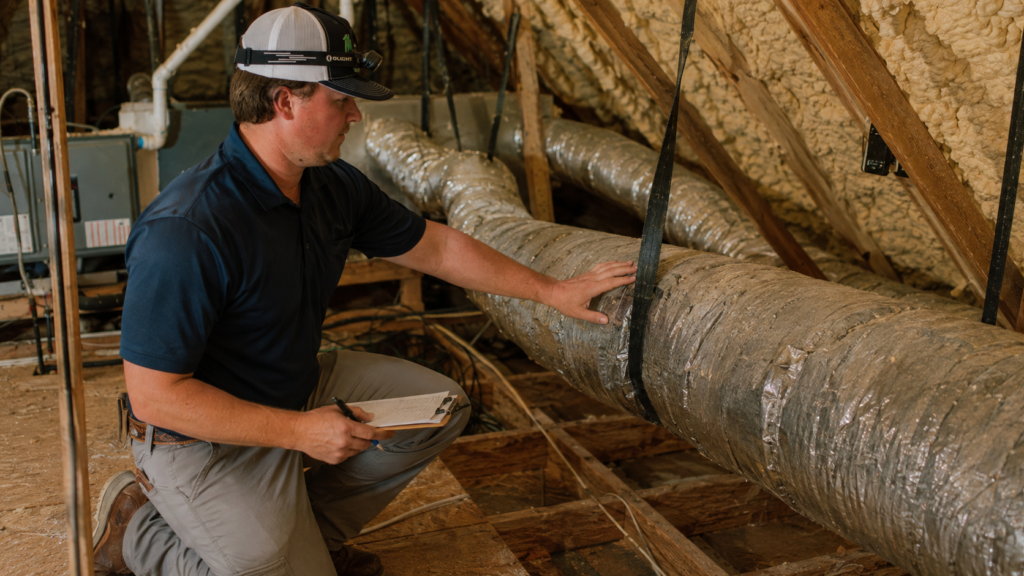
How long does residential ductwork last? Learn how materials, installation quality, attic conditions, moisture, support, physical damage, and previous repairs affect duct lifespan—and why condition matters more than age alone.