AC Problem Guide
Why Is My AC Freezing Up?
An air conditioner can freeze when the indoor coil becomes too cold for normal operation. Restricted airflow, low refrigerant, dirty coils, blower problems, thermostat or control issues, and other system conditions can all contribute to ice forming on the coil, refrigerant lines, or nearby equipment.
The ice itself is usually a symptom—not the root problem. Simply waiting for the system to thaw may restore airflow temporarily, but the underlying condition can cause the AC to freeze again.
This guide explains why AC systems freeze, what homeowners can safely check, when the system should be turned off, and what a technician typically evaluates before recommending a repair.
The Quick Answer
Most AC Freezing Problems Come Back to Airflow or Refrigerant Performance
Airflow May Be Restricted
A dirty filter, blocked return, blower problem, dirty evaporator coil, or other airflow restriction can reduce the amount of warm air moving across the indoor coil.
Refrigerant Performance May Be Abnormal
Low refrigerant from a leak, a restriction, or another refrigeration-system problem can change coil conditions enough for ice to form.
Continuing to Run the AC Can Make It Worse
Once significant icing occurs, airflow can decline further and the system may continue operating without cooling the home effectively.
If you can see ice on the indoor coil, refrigerant line, or near the air handler, turn cooling off. Allowing the system to keep running can worsen the icing and make diagnosis more difficult.
Common Causes
Why an Air Conditioner May Freeze Up
Dirty Air Filter
A heavily clogged filter can restrict airflow through the system. With less warm household air moving across the indoor coil, the coil may become cold enough for condensation to freeze.
Blocked Return or Supply Airflow
Blocked return grilles, closed vents, duct restrictions, or other airflow problems can reduce the amount of air moving through the system.
Dirty Evaporator Coil
Dirt and debris on the indoor coil can interfere with both airflow and heat transfer, making normal cooling operation more difficult.
Blower Motor or Fan Problem
If the indoor blower is not moving enough air, the evaporator coil can become too cold even when the refrigeration side of the system is operating.
Low Refrigerant
Low refrigerant usually means there is a leak or another system problem. Abnormal refrigerant conditions can cause coil temperatures to drop and contribute to freezing.
Refrigerant Restriction
A restriction in the metering device, refrigerant circuit, or another part of the system can affect refrigerant flow and produce abnormal coil conditions.
Thermostat or Control Problem
Certain thermostat, sensor, or control issues can contribute to unusual operating patterns that keep the equipment running when conditions are not appropriate.
Cooling During Unusually Cool Outdoor Conditions
Standard residential AC equipment is designed to operate within certain conditions. Running cooling when outdoor temperatures are unusually low can affect system pressures and coil temperatures.
What Homeowners Can Check
A Few Safe Observations Can Help Narrow Down What Is Happening
Turn the thermostat cooling mode off if ice is visible
Check whether the air filter is visibly dirty
Confirm return grilles and supply vents are not blocked
Notice whether airflow from the vents has become weak
Look for ice on accessible refrigerant lines
Check for water around the indoor unit as the ice melts
Note whether the AC was running for unusually long periods
Pay attention to new noises, cycling changes, or warm air
If the system is heavily iced, a technician may need the equipment to thaw before certain diagnostic measurements can be performed accurately.
What Not to Do
Avoid Shortcuts That Can Damage the Equipment or Hide the Real Problem
Do not keep running cooling while the system is visibly frozen
Do not chip or scrape ice from the coil or refrigerant lines
Do not use a heat gun, torch, or other high-heat source to melt ice
Do not assume low refrigerant only needs a quick recharge
Do not open equipment panels around electrical components
Do not repeatedly restart the AC if it freezes again
Do not ignore water forming around the indoor equipment
Do not assume a dirty filter explains every frozen AC
Ice can form around sensitive coils, refrigerant tubing, wiring, and electrical components. Let the system thaw naturally and keep cooling turned off until the cause can be evaluated.
What the Ice May Mean
Where and When the AC Freezes Can Provide Useful Clues
Airflow May Be the Main Concern
Cooling Is Running but Air Movement Has Declined
- ✓Dirty or restrictive filter
- ✓Blower performance problem
- ✓Dirty evaporator coil
- ✓Blocked return or duct restriction
- ✓Airflow falls as icing gets worse
Refrigerant Performance May Be the Concern
The Coil Is Operating Under Abnormal Refrigerant Conditions
- ✓Refrigerant leak
- ✓Low refrigerant condition
- ✓Metering-device restriction
- ✓Refrigerant-circuit problem
- ✓Repeated freezing after thawing
The Bottom Line
A Frozen AC Needs a Cause—not Just Time to Thaw
Restricted airflow, low refrigerant, dirty coils, blower problems, controls, and other system conditions can all cause the indoor coil to freeze.
Letting the ice melt may temporarily restore airflow, but recurring freezing means the underlying operating problem still needs to be identified.
We Don’t Just Fix It. We Explain It.
What Professional Evaluation Includes
Finding Out Why the Indoor Coil Became Cold Enough to Freeze
A useful diagnosis should determine whether the icing began with an airflow problem, refrigerant condition, dirty component, blower issue, control problem, or another system fault.
Thaw & Symptom Review
Confirm Where the System Froze and What Happened Beforehand
The technician reviews where ice appeared, whether airflow had weakened, how long the AC had been running, and whether warm air, water, unusual cycling, or other symptoms were present.
Airflow
Check Whether Enough Air Is Moving Across the Indoor Coil
Filter condition, blower operation, return airflow, supply airflow, coil cleanliness, and accessible duct restrictions can be evaluated.
Refrigerant Performance
Evaluate the Refrigerant Side of the Cooling System
Temperatures, pressures, coil conditions, refrigerant flow, and other operating measurements can help identify a leak, restriction, or abnormal refrigerant condition.
Controls & Components
Check the Parts That Affect System Operation
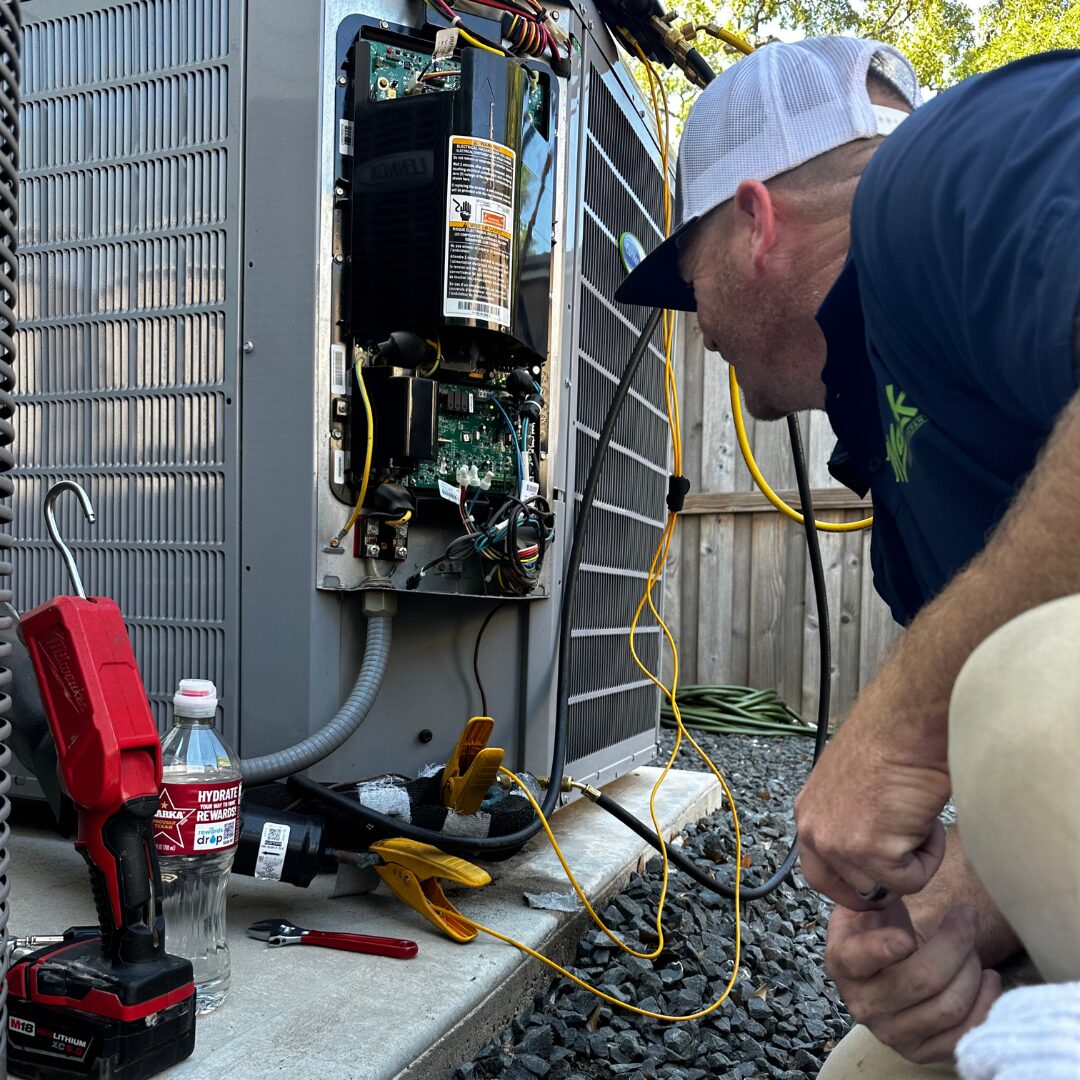
Motors, controls, sensors, thermostat operation, electrical components, and related equipment conditions may be tested when they are relevant to the freezing problem.
Clear Next Step
Explain What Caused the Ice Before Recommending the Repair
Malek explains what the testing identified, whether the problem is maintenance-related or requires repair, and what should be corrected before the AC returns to normal cooling operation.
Continue Learning
Continue Learning About AC Cooling Problems
Why Is My AC Blowing Warm Air?
Learn why an AC may continue running without delivering normal cooling and which symptoms help narrow the cause.
→ Problem GuideWhy Is My AC Running Constantly?
Learn when long cooling cycles are normal and when extended runtime may point to an airflow, refrigerant, or system-performance issue.
→ ServiceAC Repair
Learn how cooling problems, airflow concerns, electrical failures, refrigerant issues, and other AC problems are professionally diagnosed and repaired.
→ Investment GuideAC Repair Cost Guide
Understand how the failed component, diagnosis, equipment type, repair scope, and other conditions affect AC repair pricing.
→Frequently Asked Questions
AC Freezing FAQs
These answers explain why an air conditioner may freeze, what to do when ice appears, and why repeated freezing usually needs professional diagnosis.
Why is my AC freezing up? +
Common causes include restricted airflow, a dirty filter, dirty evaporator coil, blower problems, low refrigerant, a refrigerant restriction, thermostat or control issues, and other conditions that cause the indoor coil to become too cold.
Should I turn my AC off if it is frozen? +
Yes. Turn cooling off when visible ice is present. Continuing to run the AC can worsen the icing, further restrict airflow, and prevent the system from cooling normally.
Can a dirty air filter cause the AC to freeze? +
Yes. A heavily clogged filter can reduce airflow across the evaporator coil. With insufficient warm air moving across the coil, condensation can begin freezing on the cold surface.
Does a frozen AC mean the refrigerant is low? +
Not necessarily. Low refrigerant can cause freezing, but airflow restrictions, blower problems, dirty coils, controls, and other issues can produce similar symptoms. Testing is needed to identify the actual cause.
How long does it take a frozen AC to thaw? +
Thawing time depends on how much ice has formed, indoor conditions, airflow, and where the ice is located. Significant icing may take several hours to melt completely.
Can I run the fan while the AC is thawing? +
In some situations, setting the thermostat fan to On while cooling remains Off can help circulate room-temperature air across the indoor coil. If there is a blower problem, electrical concern, severe water leakage, or another unsafe condition, leave the system off and wait for professional service.
Why does my AC freeze again after it thaws? +
Repeated freezing usually means the underlying airflow, refrigerant, blower, coil, control, or other system problem has not been corrected. Thawing removes the ice but does not repair the cause.
When should I call for AC repair because of freezing? +
Arrange professional diagnosis when the AC freezes repeatedly, airflow remains weak, cooling performance declines, refrigerant lines ice over, water collects around the indoor unit, or the system continues developing ice after basic airflow checks.
AC Freezing Repeatedly?
Find Out Why the Coil Is Freezing Before Restarting the Same Cycle
Malek can evaluate airflow, filter and coil conditions, blower performance, refrigerant operation, controls, thermostat behavior, and other system factors before explaining what is causing the ice.