Seasonal Plumbing Guide
Holiday Plumbing Preparation: Drains, Disposals, and Houseguests
By Malek Service Company · Serving Bryan–College Station & Northwest Houston
The kitchen is busy, the dishwasher is filling up, and someone is asking whether there will be enough hot water for the next shower. Holiday plumbing preparation starts with those ordinary moments—not with replacing equipment just because company is coming.
At Malek, our starting point is what the home is already telling you. A sink that drains slowly on a quiet weekday or a toilet that needs repeated attention deserves a closer look before more people rely on it. Good hosting habits help, but they cannot repair an existing restriction or leak.
Use this guide to prepare your Bryan–College Station or Northwest Houston home for holiday cooking and overnight guests, with practical checks you can make before the first arrival.
The Quick Answer
Fix Known Problems First, Then Make Everyday Use Easier
Check What Already Struggles
Notice slow drains, running toilets, disposal problems, visible leaks, and changes in hot-water performance.
Prepare for Cleanup
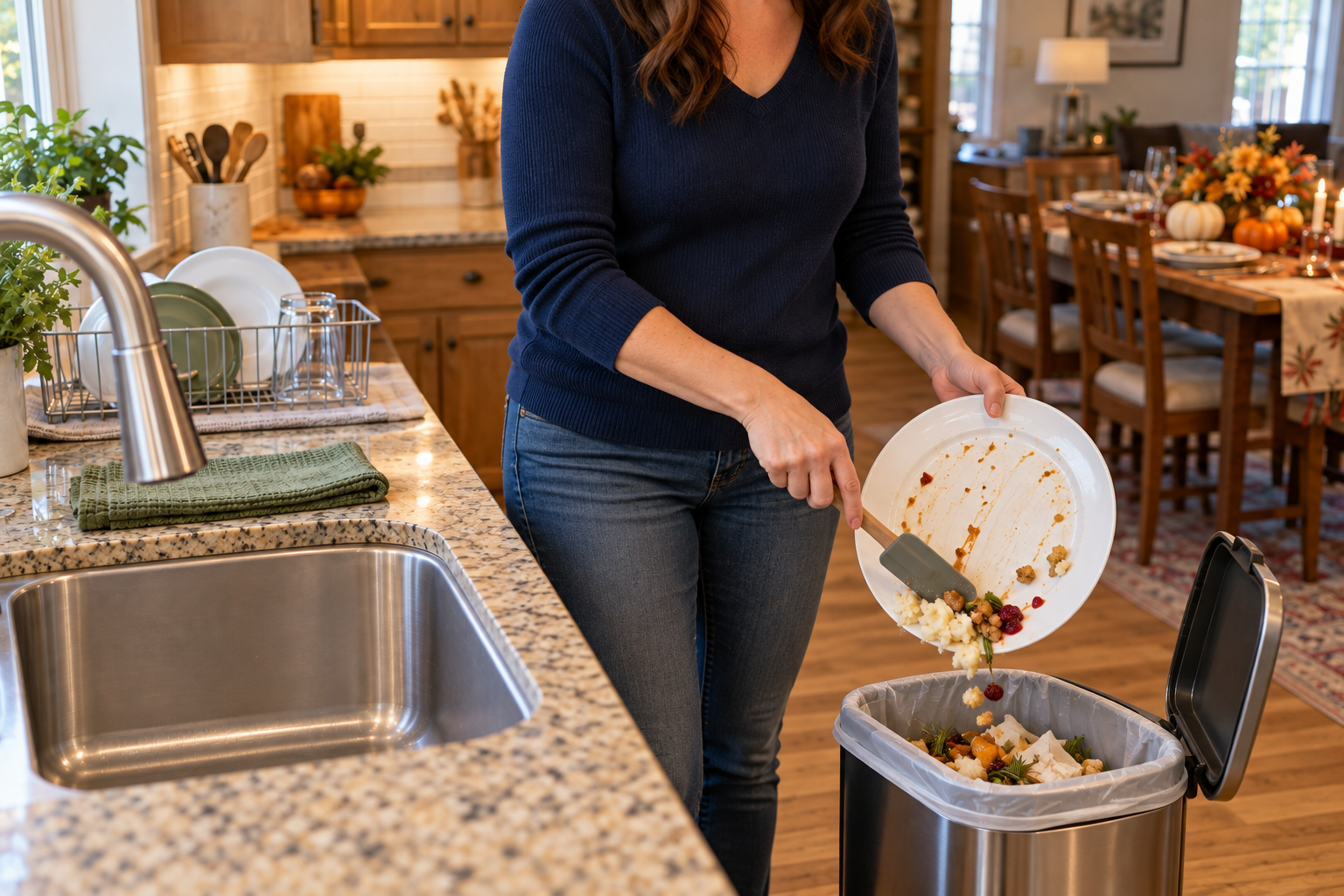
Set out a scrap container and a safe place for cooled cooking grease. Keep food and grease out of the drain.
Plan for More People
Stock bathroom trash cans and toilet paper, and spread out showers and other heavy hot-water use.
You do not need a new water heater or preventive drain cleaning simply because guests are coming. Persistent symptoms, equipment condition, and the household’s actual needs should guide service recommendations.
Before Guests Arrive
A Simple Walk-Through Can Reveal What Needs Attention
Use the Kitchen Sink Normally
Watch how it drains during ordinary use. Note recurring odors, water rising in the other basin, or drainage that has slowed over time. Avoid an improvised stress test that sends large volumes into an already struggling drain.
Check the Guest Bathroom
Flush once and watch whether the tank refills and stops. Look for dampness around the base and supply connection. A toilet that keeps running, rocks, or frequently clogs needs evaluation.
Look Under Accessible Fixtures
Check cabinets and visible connections for fresh moisture or staining. Do not dismiss a damp cabinet as a hosting inconvenience; report it before you put towels and guest supplies over it.
Listen to the Disposal
Humming without grinding, recurring shutdowns, or water leaking underneath are reasons to stop and investigate. A running motor does not prove the downstream drain is clear.
Review Hot-Water Performance
Think about normal weekday showers first. Has the water become cooler, recovery slower, or delivery inconsistent? Share that baseline rather than judging the system only after several guests shower in a row.
Holiday Kitchen Habits
Give Cooking Waste a Route That Does Not Lead Into the Sink
Collect Grease Separately
Let cooking fats cool safely in a suitable container and dispose of them according to local guidance. Do not pour turkey drippings, oil, or grease into a sink or disposal.
Scrape Before Rinsing
Put substantial plate scraps and preparation waste in the trash or suitable compost collection. A disposal does not make every leftover suitable for the drain.
Use the Disposal as Directed
For typical continuous-feed models, start cold water, turn on the unit, feed permitted scraps gradually, then allow water to continue briefly after grinding. Follow your own model’s manual.
Avoid a Large Food Dump
Keep piles of peels, fibrous trimmings, bones, and large quantities of leftovers out of a crowded cleanup routine. Model capabilities vary; collecting scraps separately is a simple hosting precaution.
Do Not Try to Wash Grease Away
Hot water and soap do not make pouring grease down the drain a sound disposal method. Keep it out in the first place.
Make the Setup Obvious
Put the scrap container beside the sink before helpers arrive. A clear place for waste is easier to follow than instructions given halfway through cleanup.
Warning Signs
Changes That Deserve Attention
Water rises in a sink while another fixture drains
Several fixtures become slow or back up
A toilet repeatedly overflows or needs repeated plunging
The disposal hums, leaks, or repeatedly shuts off
Fresh water appears under a cabinet or around a toilet
Hot-water performance has changed during normal use
Stop using affected fixtures if wastewater is backing up; avoid contact with sewage. For an active supply leak, shut off the relevant fixture valve or home’s main water supply only if it is safe and you know how. Stay out of standing water near electrical equipment. Never put your hand inside a disposal, and do not repeatedly reset or run a unit that is jammed, leaking, or overheating.
Guests and Daily Use
Keep Bathrooms Ready and Spread Out Hot-Water Demand
Bathroom Setup
Make the Right Habits Convenient
- ✓Provide a visible lined trash can in every guest bathroom.
- ✓Keep wipes, hygiene products, paper towels, and other waste out of toilets—even products labeled flushable.
- ✓Stock toilet paper and keep a toilet plunger available.
- ✓Explain any existing plumbing limitation before it becomes an uncomfortable surprise.
Hot-Water Planning
Work With the System You Have
- ✓Spread showers apart and avoid unnecessary overlap with other hot-water tasks.
- ✓Use appliance cycles suited to the load and follow dishwasher and laundry instructions.
- ✓Do not raise the water-heater temperature casually to compensate for extra guests.
- ✓If performance is poor during ordinary use too, arrange evaluation rather than assuming the tank is too small.
What You Can Check
Finish With a Plan for Problems, Cold Weather, and Your Own Travel
Know Where Water Shuts Off
Locate the homeowner-accessible main shutoff and relevant fixture valves before hosting. Do not force a stuck valve or operate utility equipment you do not understand; arrange help in advance.
Check the Forecast
If a freeze is expected, add outdoor faucet and exposed-pipe preparation to your plan. Follow your actual water provider’s current instructions. The dedicated freeze guide below covers those steps in detail.
Prepare if the Home Will Be Empty
If you are traveling instead of hosting, address known leaks and ask how shutoff procedures affect your appliances and equipment. Keep appropriate heat operating and arrange a property check when freezing weather is possible.
If You Have a Septic System
Spread water-intensive tasks rather than doing all laundry at once. Follow your septic provider’s guidance for use and service. Do not assume an ordinary plumbing inspection includes septic-tank inspection or pumping.
Save the Details a Plumber Will Need
Record which fixture is affected, whether more than one drain has trouble, and what happened just before the symptom. Disclose any drain chemical already used so the plumber can work appropriately.
A Practical Next Step
Prepare for Your Guests Without Ignoring the Problems Already There
A scrap container, stocked bathrooms, and a shower plan are useful preparations. Pair them with attention to the drain, leak, or fixture concern you have been working around. The goal is a clearer plan for the home you have, not an unnecessary equipment upgrade.
We Don’t Just Fix It. We Explain It.
Professional Plumbing Evaluation
Address Known Plumbing Concerns Before Hosting
Tell Malek what changes you have noticed and when guests are arriving. We can evaluate the relevant plumbing concern, explain the findings, and discuss the appropriate next step. An inspection reduces uncertainty about accessible conditions; it cannot guarantee a problem-free holiday.
Symptoms
Start With the Existing Pattern
Identify which fixtures have trouble and whether the issue is isolated or shared.
Drainage
Evaluate Where the Restriction May Be
Distinguish a disposal concern from a sink branch or broader drainage problem.
Fixtures
Check Relevant Leaks and Operation
Inspect accessible connections and the toilets or faucets tied to the concern.
Hot Water
Review Performance When Needed
Consider the equipment, demand pattern, and reported change before discussing repair or replacement.
Options
Explain What the Findings Support
Separate needed repairs from routine preparation and identify work outside the visit’s scope.
Continue Learning
Related Guidance for Your Home
Why Does My Drain Keep Clogging?
Understand recurring drainage problems before choosing a remedy.
→Homeowner ArticleWhy Does My Garbage Disposal Hum but Not Work?
Review disposal symptoms and safe next steps.
→Homeowner ArticleCommon Water Heater Problems
Compare changes in hot-water performance.
→Seasonal GuideHow to Protect Your Pipes Before a Texas Freeze
Prepare vulnerable plumbing when cold weather is forecast.
→Malek Homeowner Learning Center
Have another home-system question?
Explore homeowner articles, decision guides, investment guides, and FAQs to understand your options before deciding what comes next.
Sources & Further Reading
These resources inform the disposal, waste, and septic-use guidance above. Follow your disposal manual and local waste-disposal instructions; a septic system has additional care requirements.
Frequently Asked Questions
Plumbing Questions, Answered
Clear answers to help you understand the concern, recognize warning signs, and choose a practical next step.
Should I schedule drain cleaning before holiday guests arrive?+
Not automatically. Recurring clogs, persistent slow drainage, or backups justify evaluation. The findings should determine whether cleaning or another service is appropriate.
Can turkey grease go down the disposal?+
No. Keep cooking fats, oils, and grease out of the disposal and every drain. Collect them safely and follow local disposal guidance.
Should I run hot or cold water with the garbage disposal?+
Use cold water while grinding, following your model’s operating instructions. Typical continuous-feed units should receive permitted scraps gradually rather than a large pile at once.
Can guests flush wipes labeled flushable?+
Keep wipes out of toilets, including those marketed as flushable. Provide a trash can. Human waste and toilet paper are the appropriate materials to flush.
Why does my sink back up even when the disposal runs?+
The disposal grinds permitted scraps, but drainage depends on the piping downstream. A restriction can remain even when the motor runs. Stop using a backing-up sink and arrange evaluation.
Should I turn up the water heater for houseguests?+
Do not casually raise its temperature to compensate for extra demand. Spread hot-water use and arrange evaluation if normal performance has changed. Higher settings can increase scalding risk.
Do more guests mean I need a larger water heater?+
Not necessarily. A brief demand increase may be manageable with scheduling. Recurring shortages should be evaluated against equipment condition and household needs before replacement is recommended.
What should I do if several drains back up during a gathering?+
Stop using affected fixtures and avoid adding wastewater to the system. Arrange plumbing evaluation and avoid contact with sewage. Tell the plumber which fixtures are affected and whether drain chemicals were used.
Get Clear Answers With Malek
Get Clear Answers About Plumbing Before Guests Arrive
Malek serves Bryan–College Station and Northwest Houston homeowners with plumbing evaluation and practical recommendations. Share what is happening so we can help you plan the next step.